Category: Drifting Through Two Worlds

Montana skies, Australian roots, and a quiet sense of loss.

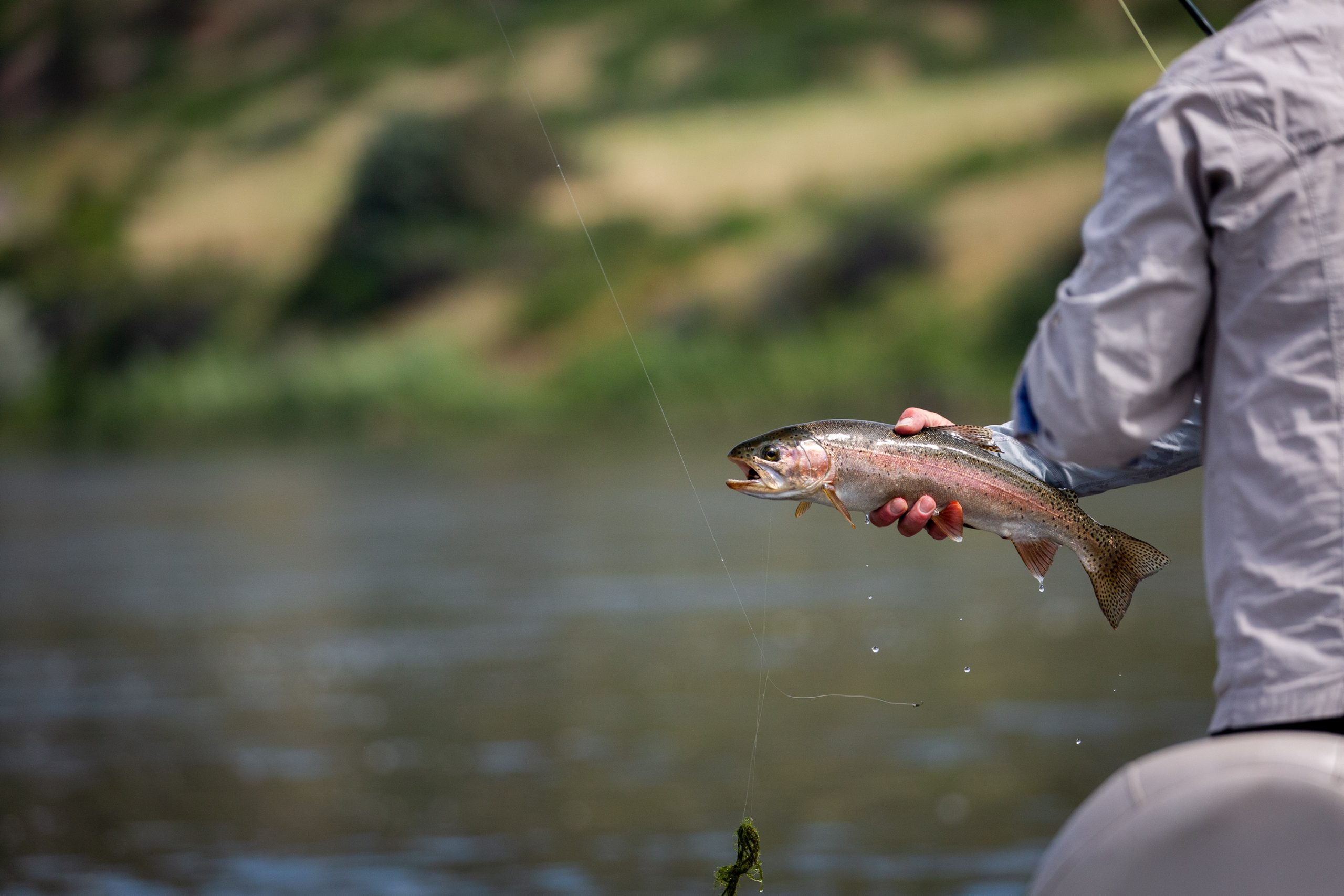
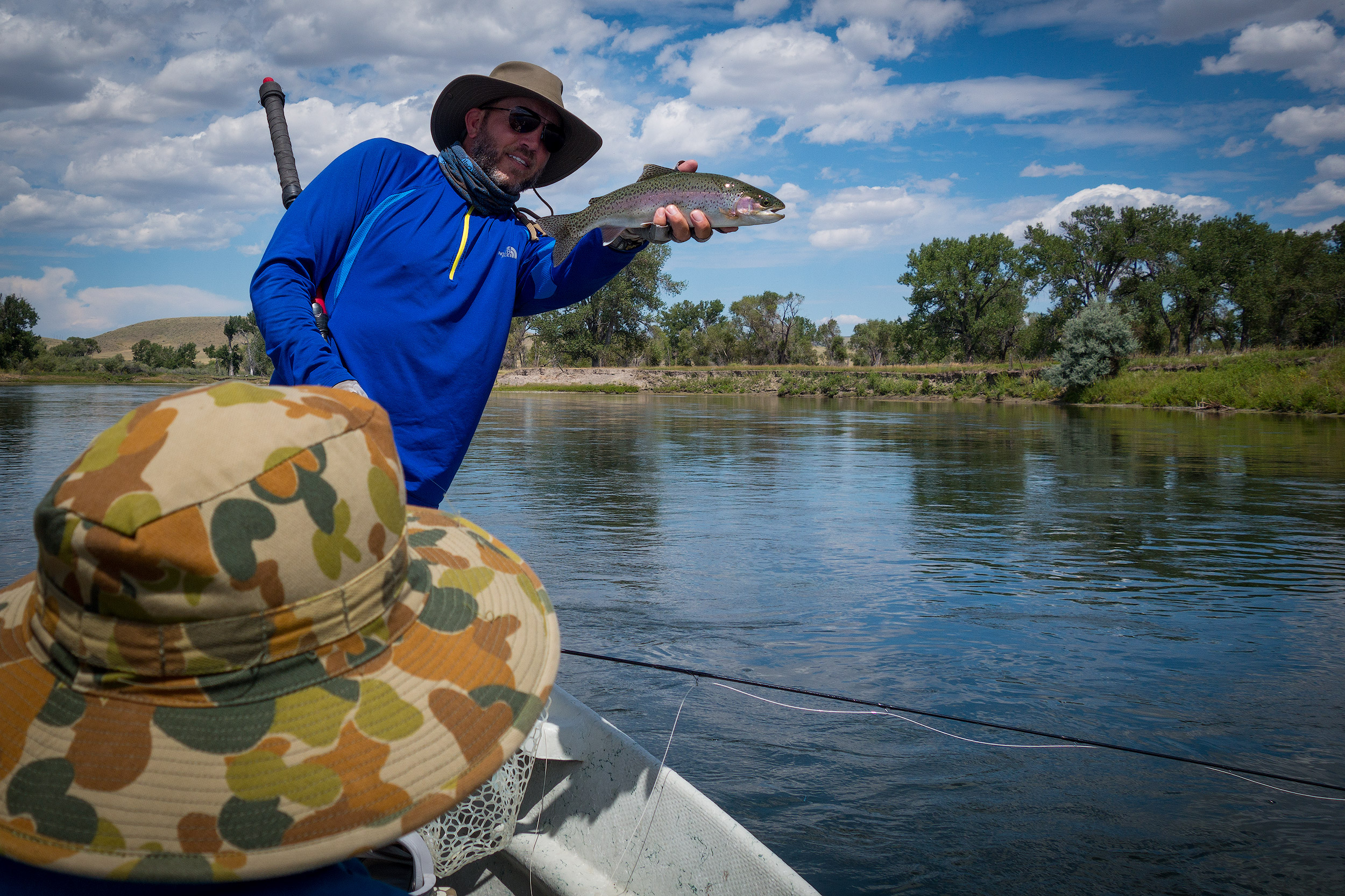
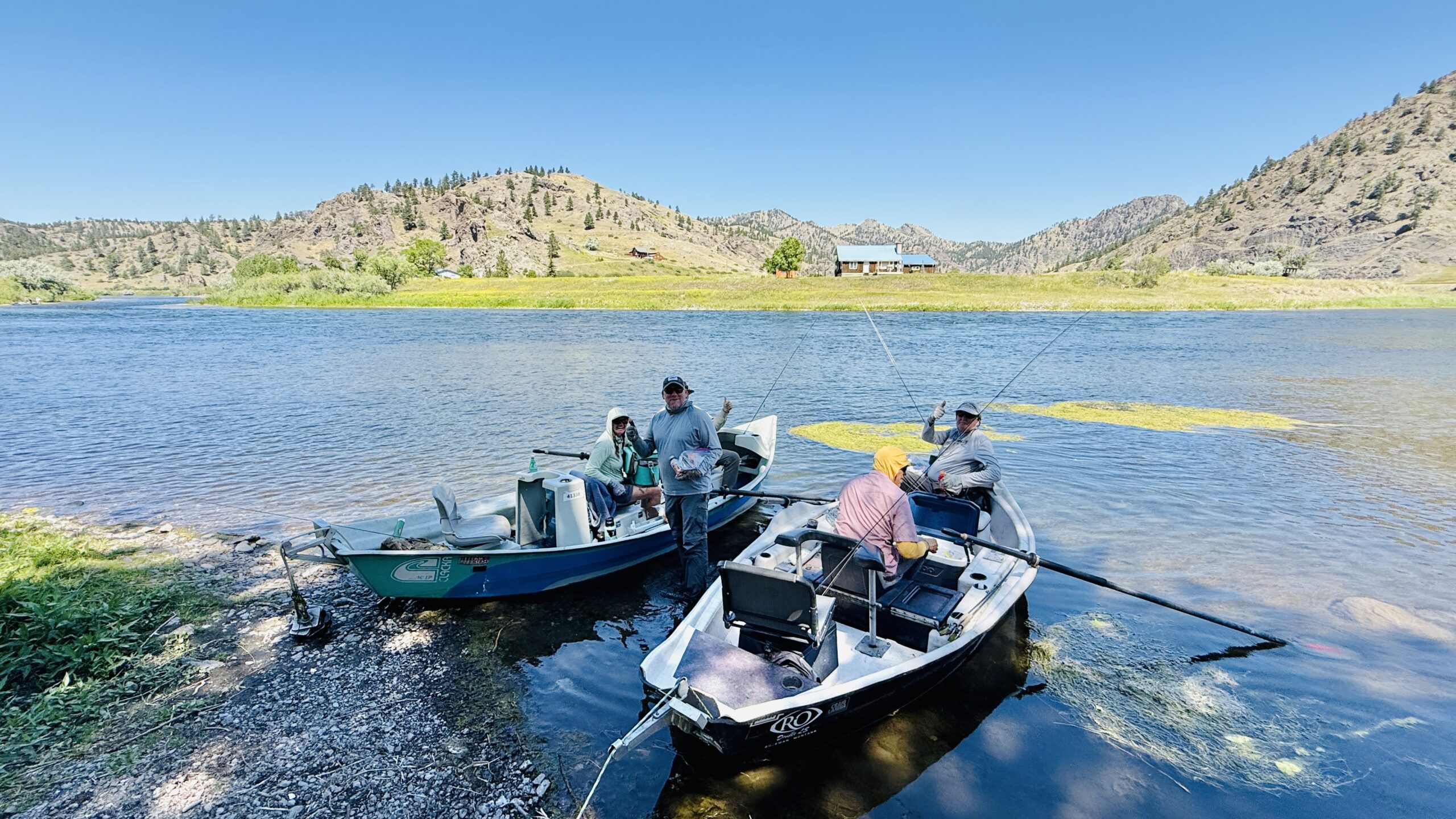
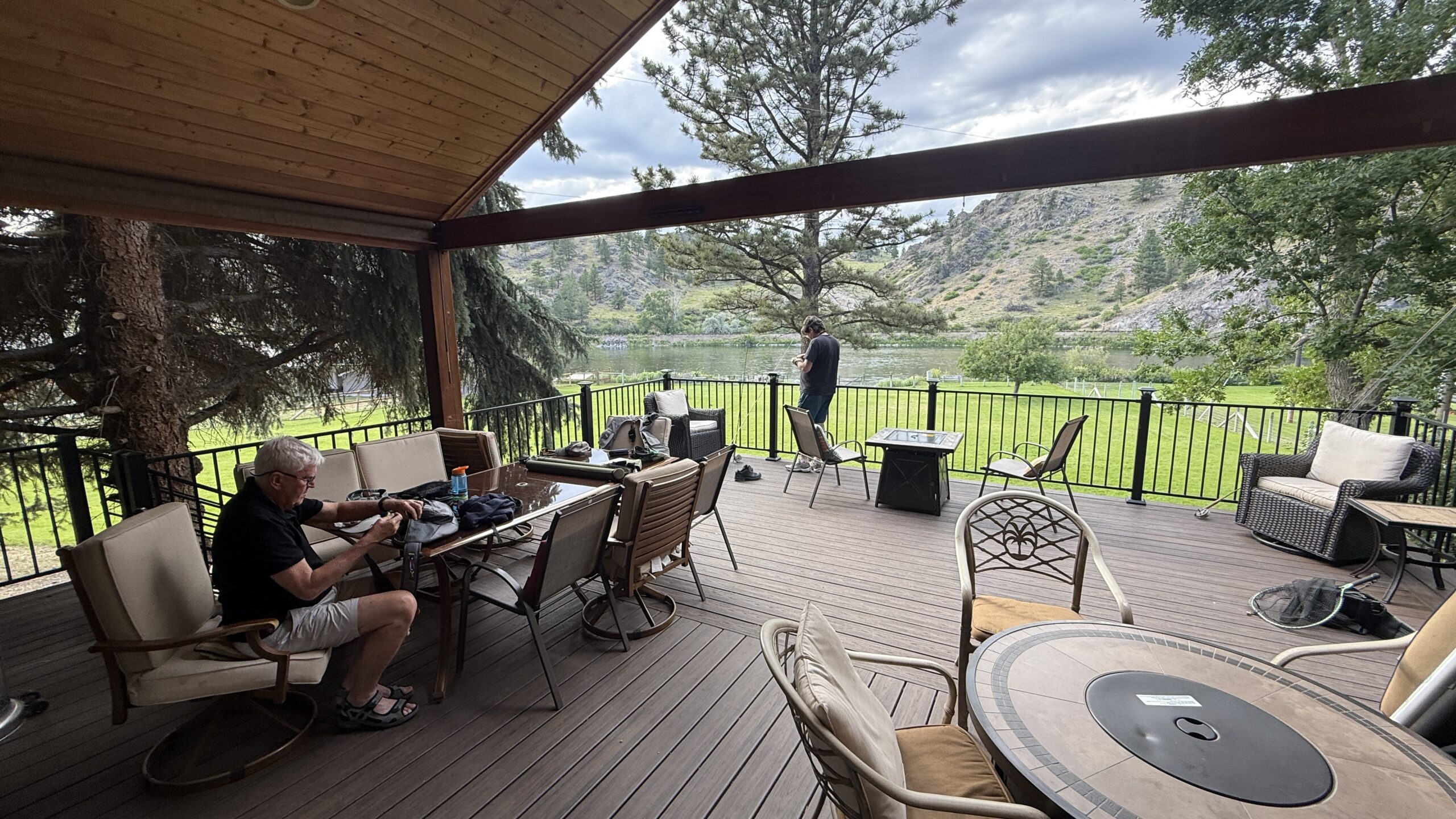
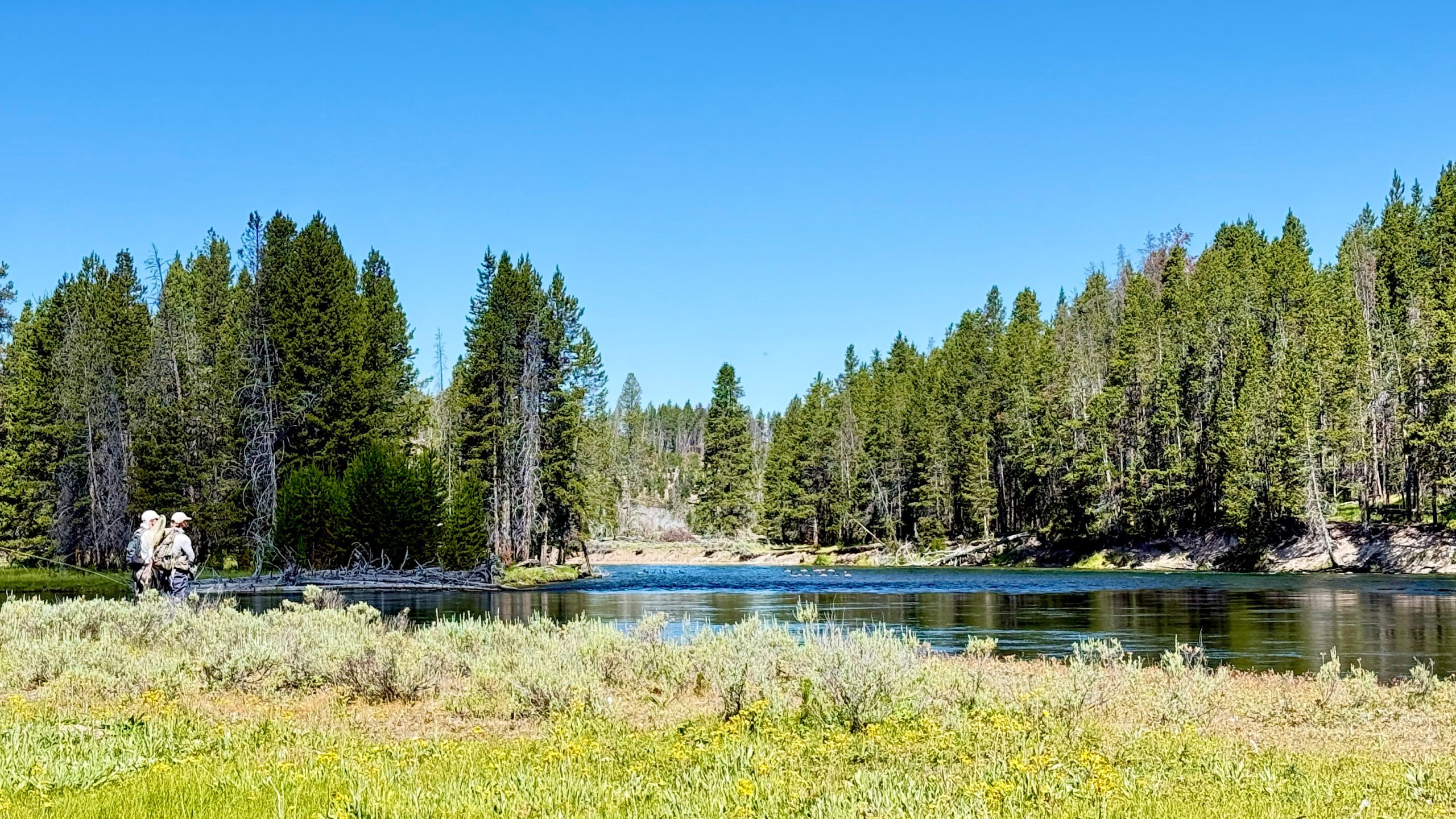
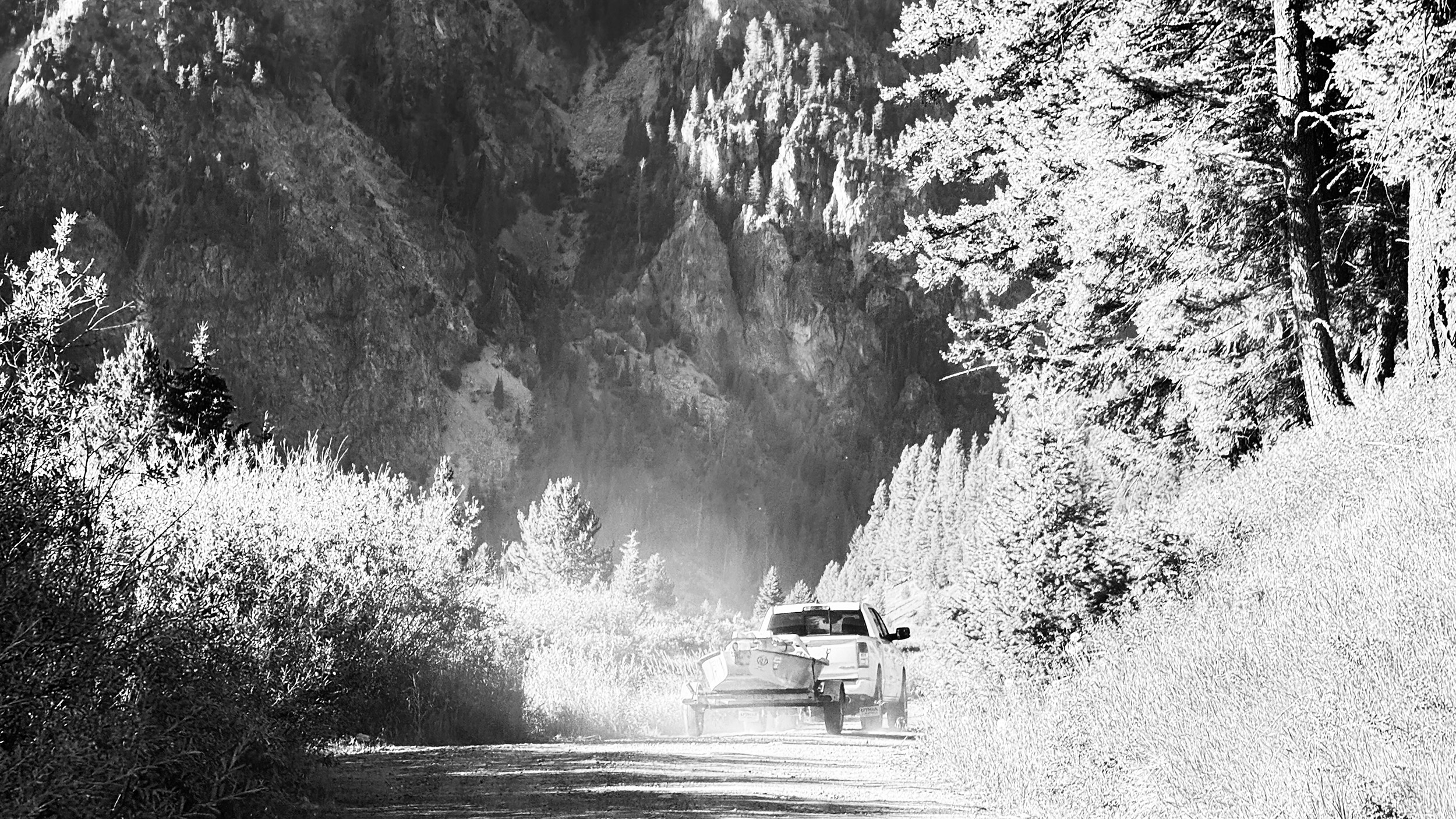
I’m writing this from the porch of a cabin in Montana. It’s been nearly a month on the rivers – long days of dry-fly fishing, laughter, late-night debriefs, and coffee-fuelled mornings that come around faster than you’d like. The Missouri, the Madison, the Yellowstone… these names have become part of our rhythm.

I’ve been making this journey for years now. Not as a guide or operator – the local professionals here do an outstanding job of that, and besides, I’d rather not get myself deported – but as a fellow traveller. I organise the logistics and share the experience with a small group of like-minded anglers, most of whom have become good friends over the years.

It’s become a winter tradition – our winter, their summer. A seasonal rhythm that offers both great fishing and, strangely enough, a chance to think more clearly about home.

And no matter how far you travel, a part of you stays back there.

Australia on My Mind

Maybe it’s the altitude. Maybe it’s the distance. But I often find that it’s here, halfway around the world, that I reflect most deeply on where Australia is heading – and what we may be leaving behind.

Like many others, I was raised in a version of Australia that felt… quieter. Fairer. Cohesive, even when imperfect. People worked hard, looked out for one another, and had faith that the country was broadly on the right track.

These days, I’m not so sure.

It’s not just one issue. It’s everything, all at once. Cost of living. Housing. Political distrust. A creeping sense that too many of our leaders are asleep at the wheel—or worse.

Over decades of guiding I’ve spent thousands of hours in drift boats and dusty utes, in honest conversation with Australians from all walks of life—doctors, sparkies, farmers, barristers, and soldiers. Lately, a common theme has emerged:

“It doesn’t feel like the country I grew up in.”

That’s not nostalgia talking. It’s concern. Quiet, thoughtful concern – for the future.

The Drift Boat and the Current

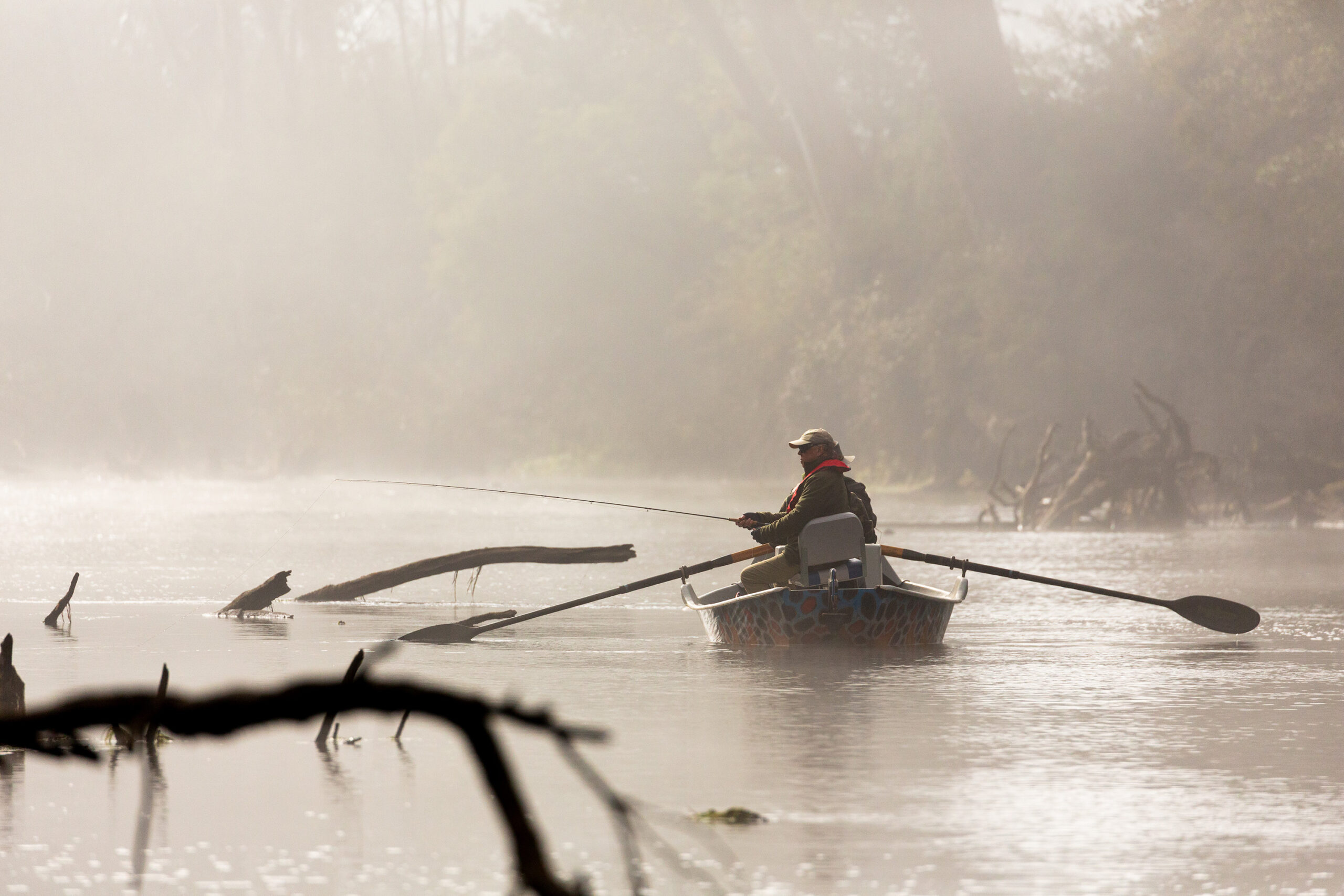
Back in the ’90s, when I first began guiding on the Goulburn, drift boats were almost unheard of here. We were the first to use them in Victoria. Not because it was trendy – but because it made sense.

You see the river differently from water level. You move with it. You learn to read its shifts. You feel the current and adjust. You don’t fight it – you flow with it.

That simple act – drifting – taught me something lasting.

Australia feels like it’s caught in fast water right now. There’s turbulence, conflicting pulls, and no clear signpost to a safe eddy. And while I don’t pretend to have the answers – no one really does – I do believe we need to pay closer attention to the current.

Where is it actually taking us? And is that where we want to go?

If we don’t pause and read the water, we risk drifting right past the takeout… into waters unmapped, and not entirely by choice.


Between Casts

This blog – Between Casts – was born out of reflections like these. A space between the action, where we can stop and think.

Some posts will be about fishing. Others will explore the deeper currents: philosophy, politics, history, and the stories we tell ourselves about who we are.

I don’t claim to speak for anyone but myself. What I write is simply the product of three decades spent in quiet conversation with people on rivers and roads across Australia. These are the thoughts of one man who still believes in the value of honest discussion and considered words—spoken with respect for all, regardless of creed or conviction.

If that sounds like a conversation worth having, I’m glad you’re here.


Author Bio:

Anthony Boliancu is the owner of Goulburn Valley Fly Fishing Centre. A full-time guide since the mid-1990s, he helped to pioneer drift boat fishing in Victoria and has led thousands of trips both locally and abroad. When he’s not rowing, teaching, or being a father, he’s reflecting on the state of the river – and the world around it.

*******************************************


When it comes to fly fishing, having a well-stocked fly box is essential for success on the water. With countless fly patterns to choose from, it can be overwhelming to determine which ones are indispensable. Over the course of these five articles, we will present the top 50 trout flies that will cover you for every occasion, each with its own unique origin, as well as information on why it works and how to fish it.

At the end of this series we will get our staff together and produce a ‘Guide’s best dozen’ list. We will also get you to vote on your favourite 12 to create a list of our readers favourite patterns.

So enjoy the read, and hope we can introduce you to a few gems along the way. Welcome to our list of top 50 trout flies.


Top Flies Every Fly Angler Should Have – Numbers 1-10 of 50


The Royal Wulff - makes our list of top 50 trout flies.

  1. The Royal Wulff: A Classic Attractor Fly


    Originator: The Royal Wulff is a cherished legacy from the prolific fly tyer, Lee Wulff, who worked in the Catskill Mountains of New York. His ingenuity brought forth a pattern that has won the hearts of anglers around the globe. The Royal Wulff is an enchanting blend of form and function, incorporating elements of traditional patterns with ingenious design considerations to make a true masterpiece.


    Why it Works:

    The genius of the Royal Wulff lies in its versatility and visibility, hallmarks that make it an effective attractor pattern. It doesn’t specifically imitate one insect but rather, it vaguely suggests a variety of them. Key attributes include:

    • Attractor Design: The Royal Wulff’s alluring design hints at a plethora of aquatic and terrestrial food sources, sparking curiosity in the fish and enticing them to strike.
    • High Visibility: The large, white wings, typically tied with calf tail or synthetic materials, contrast well against the water, making the Royal Wulff easy for both the angler and the fish to spot.
    • Buoyancy: The fly’s structure and material selection ensure that it stays afloat, even in the roughest of waters, making it a reliable choice for varying conditions.


    How to Fish it:
    The Royal Wulff can be fished successfully in various conditions, thanks to its appealing design and buoyant nature. Here are some tips to maximise its potential:

    • Searching Strategy: The Royal Wulff is a fantastic searching fly when fish are not visibly rising. Cast it upstream and let it drift down naturally, mimicking the behaviour of insects on the water. Scale up in size and fish a beadhead nymph beneath it, or scale down when fish are sipping.
    • Varied Conditions: Whether you’re fishing a slow stream or a rushing river, the Royal Wulff can handle it all. Its buoyant design enables it to stay afloat, making it a versatile choice no matter what sort of river you are fishing.
    • Seasonal Success: It can be a particularly successful fly during summer months when terrestrial insects become more abundant. However, it’s versatility makes it effective year-round.


    Other Interesting Notes:

    • The Royal Wulff is considered a ‘royal’ pattern due to its peacock herl body section, a characteristic it shares with other ‘royal’ flies. It also draws its name from its originator, Lee Wulff.
    • It comes in a variety of sizes, making it adaptable to many situations and types of fish. From small brook trout to larger river species, the Royal Wulff can be an angler’s trusty companion.
    • Despite its origins in the Catskill Mountains, the Royal Wulff has become a favourite among Australian and kiwi anglers for its reliability and universal appeal.

    In conclusion, the Royal Wulff, with its versatile design and exceptional visibility, is a timeless fly that continually proves its worth. Whether you’re a beginner or an experienced angler, this is one fly that should always have a place in your fly box and is definitely one of our top 50 trout flies.


    The Beadhead Flashback Pheasant Tail - makes our list of top 50 trout flies.

  2. The Beadhead Flashback Pheasant Tail Nymph: A Detailed Overview


    Originator:
    Frank Sawyer, a river keeper from England, originally designed the Pheasant Tail Nymph. His intention was to mimic a variety of mayfly nymphs, and his design has indeed proved versatile and effective over the years. The Beadhead Flashback variation adds a modern touch to this classic design, contributing a shiny attraction factor and additional weight for deeper fishing.


    Why it works:

    • Versatile Imitation: The Beadhead Flashback Pheasant Tail Nymph is a near-perfect imitation of a wide range of mayfly species. Its pheasant tail fibres mimic the nymph’s segmented body, capturing the insects’ natural colour and look.
    • Attractor Factor: The shiny beadhead and flashback create an irresistible allure, catching the eye of fish from some distance away. They offer a tempting visual stimulus that can turn a curious fish into a sure catch.
    • Weight and Depth: The beadhead adds extra weight, allowing the fly to sink faster and reach greater depths. This is crucial when fishing in deeper pools or faster currents where mayfly nymphs often reside.


    How to fish it:

    1. Dead Drift: Cast the nymph upstream and allow it to drift naturally with the current, just like a real nymph would do.
    2. Indicator Nymphing: Use an indicator to track the nymph’s progress underwater, setting the hook when you see the indicator dip or pause.
    3. Tandem Rig: Pair the Beadhead Flashback Pheasant Tail Nymph with a dry fly on a tandem rig. The nymph serves as a dropper beneath the dry fly, appealing to fish at various depths.


    Other interesting notes:

    • It’s always a good idea to carry different sizes of this nymph to match the mayfly nymphs in your local waters.
    • While it’s known for its ability to mimic mayflies, the Pheasant Tail Nymph can also resemble other aquatic insects, increasing its versatility.
    • The Beadhead Flashback Pheasant Tail Nymph isn’t just for cloudy days or discerning fish. It’s a solid all-around nymph that belongs in every fly angler’s box.

    The Beadhead Flashback Pheasant Tail Nymph is a testament to how a well-designed fly, rooted in an understanding of the natural world, can stand the test of time. It’s proof that sometimes, the simplest designs are the most effective ones. A must have for anyone’s collection of top 50 trout flies.


    The Chernobyl Ant - makes our list of top 50 trout flies.

  3. The Chernobyl Ant: A Detailed Overview


    Originator:

    The Chernobyl Ant is the brainchild of American fly-fishing enthusiasts. It first made its appearance in the early 1990s and quickly gained popularity for its unique design and notable success, particularly in the trout-rich rivers of the Western United States. Versions of this fly would be in most guide’s list of top 50 trout flies.


    Why it works:

    • Striking Appearance: The Chernobyl Ant is not a subtle or understated fly. Its bold, foam-based design and strong, contrasting colours ensure that it stands out on the water. It attracts attention, triggers curiosity, and provokes eats from all trout species.
    • Versatile Imitation: While its name might suggest an ant, the Chernobyl Ant is a superb general attractor pattern. It can imitate a variety of larger terrestrial insects such as grasshoppers, beetles, and even cicadas.
    • Durability and Buoyancy: Crafted primarily from foam, this fly is highly buoyant and durable. It can float in turbulent waters and withstand repeated strikes without losing its effectiveness.

    How to fish it:

    1. Surface Fishing: Thanks to its buoyancy, the Chernobyl Ant is an excellent choice for surface fishing. Cast it near likely hiding spots and let it drift naturally.
    2. Hopper Dropper Rig: Use the Chernobyl Ant as the dry fly in a hopper dropper rig. Its buoyancy can support a weighted nymph beneath it, covering multiple water columns simultaneously.
    3. Twitch and pause: The Chernobyl Ant is the perfect fly to throw into cover and twitch back out. Cast it into undercut banks, deep into shade under trees, or across glides, then work it back out with pops of the rod tip and regular pauses.


    Other interesting notes:

    • Variations of the Chernobyl Ant have been developed to imitate specific terrestrial insects more accurately. For instance, the ‘Chubby Chernobyl’ has added features to mimic a grasshopper or a stonefly.
    • Despite its original success with trout, don’t limit the Chernobyl Ant to only these species. It has proven to be a successful fly for a variety of warmwater species as well, including bass.
    • The Chernobyl Ant is an excellent fly choice for windy conditions. Its size and weight allow for more accurate casting when lighter flies might prove challenging.

    The Chernobyl Ant, with its bold design and versatile capabilities, is not just a fly—it’s an entire fishing strategy. Add it to your fly box and witness the revolutionary results it can yield on the water. Remember, sometimes the key to great fly fishing is not to mimic nature perfectly, but to trigger the predatory instincts of the fish.


    The Parachute Adams - makes our list of top 50 trout flies.

  4. Parachute Adams: A Fly Fishing Staple


    Originator:

    The Parachute Adams is a creation of American fly tyer Leonard Halladay, who designed the original Adams fly in the early 1920s. The ‘Parachute’ variation, featuring a distinct horizontal hackle wrapped around a wing post, emerged later and swiftly gained popularity for its enhanced visibility, floatation, and ability to always land right way up.


    Why it works:

    • Versatile Imitation: The Parachute Adams doesn’t pinpoint a specific species, but rather mimics a broad spectrum of mayflies, making it incredibly versatile. Its grey body and grizzly hackle mimic the colours of many mayflies.
    • Superior Visibility: The distinctive white or brightly coloured parachute post at the top of this fly is easy to spot, even at a distance or in low-light conditions. This enhanced visibility allows anglers to track their fly efficiently.
    • Effective Floatation: The horizontal hackle of the Parachute Adams creates a broader footprint on the water, enabling it to float effectively, even in rough water.


    How to fish it:

    1. Dry Fly Fishing: The Parachute Adams is perfect for dry fly fishing techniques. Cast it upstream and let it drift downstream naturally, mimicking an insect floating on the surface.
    2. Match the Hatch: Use the Parachute Adams during a mayfly hatch. Its design and colours are versatile enough to fit any hatch situation.


    Other interesting notes:

    • The Parachute Adams is available in a variety of sizes to meet the needs of different fishing situations. Smaller sizes (18-24) can be used to match small mayflies, while larger ones (10-16) work well for bigger mayflies.
    • Despite being a dry fly, the Parachute Adams can also work wonders in slightly sub-surface fishing due to its unique design, mimicking an emerging or drowned mayfly.
    • Over time, anglers have added a variety of twists to the original Parachute Adams, using different colours and materials, but the classic grey body and grizzly hackle remain the favourite. A bight orange or pink wingpost can be a lifesaver on a dull, rainy day.

    The Parachute Adams is a classic, versatile, and dependable fly that should be a staple in any angler’s fly box. Whether you’re a seasoned angler or a novice fly fisher, you can trust the Parachute Adams to deliver results when other flies fall short. After all, its time-tested design and consistent performance have earned it a place among the greatest fly fishing patterns of all time, and so it makes our list of top 50 trout flies.


    The Bubbleback Pupa - makes our list of top 50 trout flies.

  5. Bubbleback Pupa: A Must-Have for Your Fly Box


    Originator:

    The Bubbleback Pupa is a brainchild of the legendary Rene Harrop, a revered fly tier and fly fishing guide who has been integral to the evolution of the sport. Known for his sophisticated, detailed, and effective creations, designed for use on the legendary Ranch section of the Henry’s Fork, Harrop’s flies have brought a nuanced understanding to the art of fly fishing and no list of top 50 trout flies would be complete without one or two his creations being included.


    Why it works:

    • Unmistakable Imitation: The Bubbleback Pupa is designed to imitate a specific stage in an insect’s lifecycle, the pupal stage, just as the insect is about to emerge. The glossy “bubble” at the back of the fly successfully mimics the gas bubble that forms on the pupa during this stage.
    • Highly Visible: The unique bubbleback design of this fly makes it extremely visible under water, drawing the attention of the fish and increasing your chances of an eat.
    • Strategic Colour Scheme: Harrop’s design often uses an olive or brown body, effectively imitating the natural colours of various caddis pupae, a favourite food of many trout species.

    How to fish it:

    1. Nymph Fishing: The Bubbleback Pupa is best suited for nymph fishing techniques. It’s typically fished subsurface and can be presented alone or as part of a nymphing rig.
    2. Emergence Mimicry: Try casting it upstream and letting it drift down naturally to fish eating caddis emergers stuck below the surface. This technique mimics a pupa rising to the surface to hatch, often triggering an aggressive response from feeding trout.


    Other interesting notes:

    • The Bubbleback Pupa can be tied in various sizes to match different species of caddisflies. You can adapt to the hatch you’re experiencing by simply adjusting the size and colour of the Bubbleback Pupa you’re using.
    • Rene Harrop’s designs, including the Bubbleback Pupa, are recognised for their attention to detail and biologically accurate imitations. This level of realism often makes the difference when trout are particularly selective.
    • The Bubbleback Pupa’s design is a great example of how understanding insect life cycles can translate into more effective fly designs. It embodies Harrop’s philosophy of observing nature closely and replicating its processes as faithfully as possible.

    In the realm of fly fishing, the Bubbleback Pupa has earned its stripes as a trusted and effective fly. Its thoughtful design and keen imitation of nature make it a strong contender when you’re trying to match the hatch and convince a wary trout to eat. Add the Bubbleback Pupa to your fly box, and experience the genius of Rene Harrop on your next fly fishing adventure. Another lock in our list of top 50 trout flies.


    The Beadhead Copper John - makes our list of top 50 trout flies.

  6. Beadhead Copper John: A Shining Star in the Nymph Category


    Originator:

    The Beadhead Copper John is a masterstroke from John Barr, a renowned Colorado fly tier. His designs are guided by a deep understanding of entomology and a dash of innovation, bringing to life lures that truly capture the attention of fish.


    Why it works:

    • Unique Design: The Beadhead Copper John stands out with its heavily weighted copper wire body, which gives it a unique look and attractive shine underwater. This feature, combined with the bead head, ensures the fly sinks quickly into the feeding zone of the fish.
    • Versatility: The Copper John is a highly versatile fly that effectively mimics a wide range of nymphs, particularly mayflies and stoneflies, making it a reliable choice regardless of the hatch.
    • High Visibility: The bead head and bright coloured thorax (often red or green) contribute to the fly’s visibility, enhancing its attractiveness to fish.


    How to fish it:

    1. Nymphing Techniques: Given its weight and design, the Beadhead Copper John is ideally suited for nymphing techniques. Whether you’re tight line nymphing or using an indicator, this fly gets down to depth quickly.
    2. Dropper Rig: The Beadhead Copper John is an excellent choice for the point fly in a dropper rig because of its ability to sink rapidly.


    Other interesting notes:

    • The Beadhead Copper John can be tied in a range of sizes and colours, allowing for imitation of various types of nymphs.
    • It is one of the most popular nymph patterns worldwide due to its versatility and effectiveness, making it a must-have in any fly box.
    • Its durability is another plus point; the heavy wire body stands up to catching numerous fish.The Beadhead Copper John’s success lies in its ability to grab the attention of fish and keep it, thanks to its unique design and striking visibility. By including it in your fly box, you’ll equip yourself with a versatile and dependable fly that’s ready to deliver, irrespective of the fishing conditions or targeted species. Definitely one of our top 50 trout flies.


    The Klinkhammer - makes our list of top 50 trout flies.

  7. Klinkhammer: The King of Emergers


    Originator:

    The Klinkhammer, a remarkable emerger pattern, was first tied by Dutch angler Hans van Klinken in the early 1980s. His aim was to design a fly that excelled in imitating the vulnerable stage of an insect’s life – when it is transitioning from a nymph to a flying insect, otherwise known as the emerger stage. This fly is would be in anyone’s top 10 patterns, much less a lost of top 50 trout flies.


    Why it works:

    • Innovative Design: The Klinkhammer is crafted with a unique parachute post design on a curved hook that makes two-thirds of the fly hang below the surface, thus effectively imitating an emerging insect. The abdomen of the Klinkhammer sinks into the water, while the thorax and wing post remain above, creating a perfect illusion of an emerging insect.
    • Versatility: The Klinkhammer is versatile and can represent various aquatic insects, particularly midges, mayflies, and caddisflies. This wide range of imitation makes it a go-to fly in many situations.
    • Visibility: Its high-visibility parachute post not only aids in flotation but also allows anglers to keep track of the fly even in choppy water or poor light conditions.


    How to fish it:

    • Use During Hatch: The Klinkhammer is most effective when fished during a hatch when fish are feeding on emergers.
    • Dead Drift Technique: Like most dry flies, the Klinkhammer is best fished using the dead drift technique, which simulates the natural drift of an insect on the water’s surface.


    Other interesting notes:

    • The Klinkhammer can be tied in a variety of sizes and colours to match the prevalent hatch. Traditional versions often have a grey body and wing post, but other popular variations include olive, brown, and black bodies.
    • While the Klinkhammer is primarily used in freshwater streams and rivers, it can also be effective in still water environments where midges and caddis are emerging.

    In the realm of fly fishing, the Klinkhammer has carved out a place of honour for its ability to skillfully imitate the vulnerable emerger stage of insects. Its unique design and high versatility make it an invaluable addition to any fly angler’s collection. So, gear up with Klinkhammer, and you’re sure to see your success rate soar.


    The Parachute Caddis - makes our list of top 50 trout flies.

  8. Parachute Caddis: The Classic Surface Specialist


    Originator:
    The origin of the Parachute Caddis is not explicitly attributed to a specific tier, but this versatile and highly effective pattern has been a staple in fly boxes for decades, representing a universal adaptation of the caddis fly, a favourite meal for many fish species.


    Why it works:

    • Insect Imitation: The Parachute Caddis, as the name suggests, is designed to closely mimic caddis flies, one of the most common forms of aquatic insect life and a vital food source for trout. This makes it a highly productive fly in many fishing scenarios.
    • Visibility and Presentation: The parachute design allows for a more delicate and realistic landing on the water surface, akin to a natural caddis settling on the water. The unique hackle wrapping around the upright post provides excellent visibility to the angler while maintaining a low, natural profile to the fish.
    • Versatility: The Parachute Caddis can be tied in different sizes and colours to match various species of caddis flies, enhancing its effectiveness and appeal to a broad range of fish.


    How to fish it:

    • Dry Fly Presentation: Fish the Parachute Caddis as you would any dry fly. Cast upstream and allow it to drift naturally with the current over likely holding areas.
    • Caddis Hatch: This pattern excels during a caddis hatch. However, its high visibility and resemblance to a universal food source can make it effective even when caddis aren’t actively hatching.


    Other interesting notes:

    • Consider carrying a variety of Parachute Caddis flies in different colours and sizes in your fly box. Popular variations include tan, olive, black, and brown bodies to match different types of caddis flies. It is also popular in the same grey as a Parachute Adams.
    • Although the Parachute Caddis is a dry fly, it can occasionally be used as an emerger pattern during a caddis hatch. Applying floatant to the body but allowing the hackle to become waterlogged can give the illusion of a caddis in the process of emerging.

    Unassuming yet highly effective, the Parachute Caddis has earned its reputation as a must-have fly for any angler. Its combination of visibility, realistic presentation, and versatility make it a tried-and-true performer on streams and rivers worldwide. Equip yourself with the Parachute Caddis, and watch as the magic unfolds on the water.


    The Royal Stimulator- makes our list of top 50 trout flies.

  9. Royal Stimulator: The Throne Holder of Attractor Flies


    Originator:

    The Royal Stimulator, a variant of the classic Stimulator pattern, was developed by Randall Kaufmann. This enticing fly ingeniously combines the vibrant appeal of the Royal Coachman with the irresistible design of the Stimulator. It was conceived to provoke aggressive strikes from fish even in the absence of a hatch. This one would make every guide’s top 50 trout flies.


    Why it works:

    • Versatile Imitation: The Royal Stimulator doesn’t replicate a specific insect but instead exhibits the characteristics of several potential prey, including caddisflies and stoneflies. Its shape, movement, and buoyancy attract fish that are opportunistically feeding.
    • Visibility: The Royal Stimulator features a bushy hackle and a buoyant design, allowing it to float high on the water. Its bright colours and conspicuous silhouette make it highly visible to both fish and anglers, even in low-light conditions.
    • Stimulation: This fly lives up to its name, stimulating predatory instincts in fish. The Royal Stimulator’s flashy colour scheme and irresistible silhouette make it an effective attractor fly, inciting aggressive strikes.


    How to fish it:

    • Dry Fly Tactics: The Royal Stimulator is typically fished on the surface as a dry fly. Casting it upstream and allowing it to drift naturally downstream over feeding lanes is a conventional approach.
    • Skating: You can also use the Royal Stimulator to “skate” across the surface of the water, imitating a hatching or egg-laying caddisfly. This technique involves casting across the current and using the rod tip to guide the fly in a twitching, skittering action across the surface.
    • Dry Dropper: The Royal Stimulator sits among the very best of flies under which to suspend a nymph. It is especially effective in fast, broken water – and is perhaps the first choice when fishing heavy pocket water or high-country small streams.


    Other interesting notes:

    • Size Variation: The Royal Stimulator can be tied in a variety of sizes to represent different food items. Larger versions effectively imitate stoneflies, while smaller ones can mimic caddisflies.
    • Multifunctional: Due to its high visibility, the Royal Stimulator is often used as an indicator fly in a dry-dropper rig, providing the dual functions of attracting fish and indicating strikes on the subsurface nymph.

    The Royal Stimulator is a dynamic, versatile fly that doesn’t rely on a specific hatch to be effective. Instead, it capitalises on the opportunistic nature of fish, leading to exciting strikes and unforgettable fly fishing experiences. It’s a true standout in the world of attractor flies – a jewel on the water that proves irresistible to fish.


    The Busjy's Emerger - makes our list of top 50 trout flies.

  10. Bushy’s Emerger: A Masterful Interpretation by a Fly Fishing Legend


    Originator:

    The Bushy’s Emerger was created by Kaj ‘Bushy’ Busch, a highly regarded Australian angler known for his fishing acumen and innovative fly designs. Rather than being a true emerger pattern, this fly is more of an ingenious reinterpretation of the classic Parachute Adams. Its subtle modifications make it a compelling choice during discerning mayfly hatches.


    Why it works:

    • Realistic Appearance: Bushy’s Emerger bears an uncanny resemblance to the newly emerged mayfly dun. Its dull, dappled wing provides a lifelike impression that is often irresistible to trout, especially during a hatch.
    • Versatile Presentation: Similar to the Parachute Adams, Bushy’s Emerger can be deliberately modified to sit just below, on, or in the surface film. This makes it effective whether the mayflies are emerging, hatched, or spent.
    • Subtle Allure: The subdued colours of Bushy’s Emerger offer a more natural and less conspicuous profile compared to some other dun patterns that offer more visibility. This muted appeal can be crucial when trout are being particularly selective.


    How to fish it:

    • Drift Tactics: Just like other dry flies, the Bushy’s Emerger is typically fished on the surface with a natural drift. Cast it upstream and allow it to float downstream over likely holding spots or directly over rising trout.
    • Match the Hatch: Use Bushy’s Emerger during a mayfly hatch when trout are actively feeding on the surface. Adjust the size of your fly to match the size of the natural insects as closely as possible.

    Other interesting notes:

    • Timing is Everything: While Bushy’s Emerger can be effective throughout the year while blind fishing, it tends to be especially effective during a mayfly hatch. This is when the fly’s lifelike appearance and subtle presentation truly shine.
    • Consider the Conditions: Bushy’s Emerger can be particularly effective in clear water conditions, where its natural profile can outperform flashier flies. It is also useful in overcast conditions where its silhouette stands out against the grey sky.
    • Fine-tuning: Like all imitative flies, the effectiveness of Bushy’s Emerger can often be improved with slight adjustments. Try altering the size, presentation, or even the tippet size to entice stubborn trout.

    Bushy’s Emerger is a testament to Kaj Busch’s profound understanding of trout behaviour and his mastery of fly design. Its uncanny ability to mimic multiple life stages of mayflies and its natural presentation make it a valuable addition to any fly box and puts it as the first Australian pattern in our list of top 50 trout flies. Whether you’re new to fly fishing or a seasoned pro, Bushy’s Emerger is a fly that can make all the difference when fishing to picky trout during a mayfly hatch.


Conclusion:

With these 10 flies in your fly box, you’ll be well-prepared for almost any fly fishing occasion. From attractor dry flies to versatile nymphs, these patterns cover a wide range of imitations, ensuring you have the right fly for most situations.

Next week we will bring you flies number 11-20 in our list of top 50 fly patterns for trout fishing Australia and New Zealand.

Tight lines and happy fishing!


Discover. Connect. Respect.


GV FLY FISHING ENDORSED BRANDS

https://www.waterworks-lamson.com/


Exploring Feeding Lies, Sheltering Lies, and Prime Lies in the Goulburn River

Trout Dominance in Goulburn River

In this unedited five-minute closeup on Trout Dominance in the Goulburn River, we delve deeper into the hidden world of trout, unravelling the complex dynamics of their habitat . Nature’s tapestry comes alive as we observe the subtle nuances of feeding lies, sheltering lies, and prime lies that dictate the hierarchy and survival of these magnificent creatures.

Feeding lies, the sweet spots where trout lie in wait to snatch passing prey, reveal a strategic game of patience and precision. In the mesmerizing dance of the currents, the dominant fish effortlessly position themselves in the most advantageous feeding lies, asserting their authority and ensuring their regular sustenance. These mature fish have honed their skills over time, instinctively recognising the optimal locations in which to garner maximum reward for minimal effort.

Sheltering lies offer a safe haven for trout to find respite from the river’s relentless flow. Undercut banks, submerged logs, or deep pockets become refuges where fish seek solace, sheltering themselves from the relentless current and potential predators.

But the battle for dominance never remains static, especially in tailwaters like the Goulburn. As water levels fluctuate, the landscape of the river shifts, leading to a constant reshuffling of the best spots. A delicate equilibrium is disrupted, initiating a new battle for supremacy. With every change, the established hierarchy is challenged, and trout jostle for prime lies in an ever-evolving dance of to and fro.

The larger, more experienced fish, having honed their instincts and asserted their dominance, quickly seize the advantage. They navigate the shifting currents with ease, securing their positions at the newly formed feeding lies.

This unedited footage reveals the compelling story of dominance in the natural world. It showcases the innate adaptability and resilience of trout as they strive to maintain their status and secure their survival. From the relentless pursuit of sustenance to the perpetual quest for refuge, the hierarchy among trout is a captivating microcosm of the broader struggles for dominance that unfold throughout the animal kingdom.

So, immerse yourself in this unfiltered glimpse of the Goulburn River, where nature’s drama unfolds without edits or embellishments. Appreciate the tenacity and simplicity of these remarkable fish. And make a mental note to seek out such fish next season and just watch the drama unfold.


GV FLY FISHING filmed this video featuring Trout Dominance in Goulburn River

Discover. Connect. Respect.


GV FLY FISHING ENDORSED BRANDS

 Trout Dominance in Goulburn River Trout Dominance in Goulburn River
 Trout Dominance in Goulburn River
GV Fly fishing use SIMMS waders for our Private Fly Fishing Lessons


How to Avoid Tormenting Your Fly Fishing Guide

As we dive into these friendly nuggets of wisdom, remember, a fishing guide doesn’t just guide you to fish – they also guide you away from turning the fishing trip into a comedy of errors. So, grab your fly rod, waders, a sense of humour, and let’s set sail!

Fly Fishing Guide Peeves – A basic list

⏱️ Hooked on Punctuality – Don’t let tardiness get in the way of a great day on the water. If you’re late, you could miss the hatch and a chance at that trophy fish. So set your alarm, and be punctual! Or if you’re going to be late, let your guide know, so he can get a coffee.

🤝 Handle with Care: It’s a Handshake, Not a Strength Test  – When you first greet your guide, bear in mind they’ve been rowing heavy-duty anglers around for years. Their hands are as tough as nutcrackers. And remember, your guide needs their hands for rowing, casting, and undoing tangles all day!

📏 Expectation Management: Keep it Reel – Now I’m all for reaching for the stars, but don’t try shooting for the moon with a water pistol. If you haven’t even seen a trout up close, let’s not aim for a Guinness world record just yet. Dream big, but stay in the same post code as reality.

🌦️ Weather or Not: It’s Not Up to Your Guide – Remember, your guide doesn’t control the weather. So if the day turns out gloomy, don’t take it out on them. We’re here to fish, rain or shine!

Guide not God is a common phrase and bumper sticker in Montana. Most fly Fishing guide peeves relate to a breakdown in client common sense.

👨‍✈️Backseat Angler: Trust the Guide – Your one-time success with hoppers doesn’t make you the expert. Don’t counter the guide’s advice with past experiences. They know the river’s current conditions better than anyone. After all, they’re on the water every day. Trust their judgement and let them lead the way.

🍌 Food Faux Pas: Be Wise with Your Eats – Don’t let superstition ruin your day; avoid bringing bananas on board. It’s a widely believed fishing bad luck charm. And that Banana Boat sunscreen? Leave that at home too. Let’s not tempt fate.

🎥 Filming Faux Pas: Request Permission – Your guide is a fishing professional, not a Kardashian. Want to capture parts of the trip on film? Politely ask for their permission. No one enjoys finding videos of themselves they didn’t know existed on the internet.

🤔 Knowledge Acknowledgement: Listen to Learn – It’s easy to nod and say “I know” when your guide offers advice, but doing so might cause you to miss out on valuable expertise. You’re there to learn from their experience, not just to nod along pretending you know as much as the guide on the one subject they are experts in.

🎗️ Knot Knowledge: Blame Not the Guide –  If you lose a fish due to a snapped line, don’t just blame it on a “guide knot.” Your guide is a pro knot-tier. Instead of pointing fingers, use the experience to learn better technique in playing fish.

🍭 Delicate David / Sensitive Sally – Take Constructive Criticism – Good guides aren’t sugar-coaters. If your casting resembles a toddler’s tantrum, they’ll let you know. If your gear is subpar, they won’t hold back. Embrace their advice and be grateful they’re  preventing you from flailing around like a blindfolded child in a piñata showdown. Critiques on your casting are for your benefit, not to hurt your feelings. Take them in stride, be thankful for the guide’s honesty, and improve.

🪰 Fly Supply Fiasco: Respect the Guide’s Flies – Think of your guide’s flies as a finite resource. Each lost fly represents time and effort – don’t carelessly allow your sevength dry-dropper rig in-a-row to drift into log jams. Consider the time it takes to tie a fly and multiply it by the number of flies lost during your trip. A guide who’s working at a rate equivalent to minimum wage, after accounting for fly loss, might have to resort to using any old, rusted bits of junk he can find in the carpet of his truck. Let’s not force them to reach into that box.

🦟 Fly Selection: Trust in the Guide – Doubting your guide’s fly choice is like questioning your doctor’s prescription. They’re the experts, so trust them to make the right calls. And if you die, it’s on them.

📍 GPS Deception: Don’t Steal the Guide’s Spots – Secret fishing spots are a guide’s livelihood. Resist the urge to sneakily mark these spots on your GPS. It’s not just bad manners, but it’s also against the unwritten rules of the fishing community.

🧭 Trust the Guide’s Compass: Sure, you’ve seen your share of rivers and hooks, but hold your horses before you start playing the armchair expert back at the lodge bar. “If only the guide listened to me, we’d have caught 50 fish!” exclaims the corporate honcho who juggles spreadsheets more than fishing lines. Listen, your guide has probably been fishing this river since they tossed their graduation cap in the air. So, let’s leave the fish counting to them, shall we?

🔕 Audio Annoyance: Keep It Down – An aggressive ringtone can shatter the tranquil atmosphere in seconds. Keep your phone on silent to maintain the peace and quiet that makes fishing so enjoyable.

💏 Significant Other Syndrome: Think Twice – Bringing your significant other because “they might like the drift” is like taking them to a chess tournament because they might enjoy the quiet. If they’re not into fishing, they’re going to hate being stuck on a boat for eight hours without shade. Trust me, no one’s going to be getting lucky tonight if you put them through that ordeal.

💰 Gear Responsibility: Pay for Breakages – Handle the guide’s gear with care, and treat it as if it were your own. If you break something, offer to cover the repair costs. It’s the right thing to do.

🥾 Footwear Faux Pas: Choose Your Wading Boots Wisely – Studded wading boots may give you the grip you want, but they’re a drift boat guide’s nightmare. They can wreak havoc on a boat’s floor, costing time and money in repairs. Choose your footwear wisely depending on the style of fishing you’re doing.

🗣️ Be Aware of Guide Relations: Careful with the Chatter – It’s great that you’ve fished with other guides. But constantly name-dropping them to your current guide is like talking about your ex on a first date. Some guides are friends, some are rivals, and no one wants to hear about the one who got away all day. Keep the past in the past and focus on the fish in the present.

🗣️ Politics: The Ultimate Conversation Killer  – Want to debate tax policies or climate change? Save it for Facebook. The river isn’t the place for it. The only ripple effect you want on the river is from your fly, not from heated discussions.


Well, there you have it, the fly fishing clients do’s and don’ts. Let’s keep the bellyaching to a minimum, the high fives frequent, and the fish stories only mildly embellished.

As you cast your line into the vast watery expanse, remember these pointers. Not only will it save you from becoming the punchline of the guide’s next campfire story, but it’ll also make your time on the water that much more enjoyable. After all, fishing isn’t just about the thrill of the catch, but also about the camaraderie and the tales spun in the wake of the setting sun.

Guides are passionate about fly fishing and dedicated to sharing their knowledge with you. Avoid these pitfalls, and you’ll have a better time out on the water, get more value for your money, and who knows, you may even get invited to come back.

Tight lines! Happy fishing!

P.S. Annoying things Guides do and say. COMING SOON…


GV FLY FISHING empathises with all guides out there. It's time to address Fly Fishing Guide Peeves.

Discover. Connect. Respect.


GV FLY FISHING ENDORSED BRANDS

We use Waterworks Lamson Reels for our Private Fly Fishing LessonsWe use UMPQUA flies at our Private Fly Fishing Lessons
We use SCOTT fly rods for our Private Fly Fishing Lessons
GV Fly fishing use SIMMS waders for our Private Fly Fishing Lessons


Being in a drift boat' or on an extended inertnational trip, you're going to be in close contact with your guide. Choosing a Guide based on their personality is a big consideration.

Choosing a Guide

Fly fishing is an exhilarating adventure, offering rewarding experiences while challenging your skills and knowledge. However, for beginners or those new to the local fishing area, finding your bearings can prove difficult. Enter: the fly fishing guide – your local fishing guru who not only helps you find and catch fish, but provides invaluable insights into the local environment and the sport itself. Choosing a guide though comes down to doing a little research and being willing to ask some questions. Read on to learn more.

The Multifaceted Role of a Fly Fishing Guide

Many people initially view the role of a fly fishing guide simply as a conduit to a successful day of fishing. While catching fish is indeed one aspect of their role, their responsibilities and their impact extend far beyond this basic understanding. These professionals are multifaceted, with skills and expertise in various areas.

Mentors, Coaches, and Teachers

Fly fishing guides wear the hat of a mentor, a coach, and a teacher, often switching between these roles in an instant, depending on their client’s needs and the situation at hand. As mentors, they share their vast knowledge and experience with their clients, guiding them through the diverse world of fly fishing. As coaches, they give hands-on training and advice on the various techniques involved, how to cast the line, and how to achieve a drag free drift. As teachers, they educate about local fisheries, water conditions, and the best fishing techniques to use on any given day.

Their role is not restricted to helping the client catch fish; they also impart essential lessons about the local environment. They cultivate in their clients a deeper understanding and appreciation for nature and the sport’s significance in relation to it. They help you understand the interconnectedness between the fish, the river, the local ecology, and your role as an angler.

Catering to a Spectrum of Skills and Experience

Whether you are an absolute beginner or a seasoned angler, a good fly fishing guide seamlessly adjusts their approach to suit your skill level, experience, and personality. For beginners, they start with the basics, making sure the foundations are strong, and gradually add layers of complexity. With experienced anglers, they focus on refining techniques, breaking old habits, and introducing new strategies. They challenge and push experienced fishers, helping them further hone their skills and unlock new levels of expertise.

Personalised Experience

Fly fishing guides excel at tailoring the experience to the unique needs, desires, and skill level of each client. They understand that every person brings different expectations and aspirations to their fishing journey, and therefore, there is no one-size-fits-all approach to guiding.

Each individual is given undivided attention, ensuring they receive a fishing experience tailored to their specific wants and needs. Guides might spend hours planning and adjusting the itinerary to ensure each client gets the most out of their trip.


Fostering Confidence and Love for Fishing

One of the primary roles of a fly fishing guide is to instil confidence in their clients. Confidence is crucial in any sport, and fly fishing is no exception. A confident angler is more likely to experiment, take risks, learn from mistakes, and ultimately, become more proficient in the sport.

Guides aim to make their clients comfortable with their fishing equipment, helping them feel more in control. They teach clients to self-diagnose and rectify errors, fostering self-reliance on the river. This not only helps in catching more fish but also strengthens the bond between the angler and the sport.

A significant part of the guide’s role is also to deepen the client’s love for fishing. Through their passion and dedication, they inspire clients, making them see beyond just catching. They convey that fishing is not a competitive sport but a harmonious interaction with nature, a peaceful escape from daily pressures, and a pathway to personal fulfillment.

Choosing a Guide males a huge difference to client outcomes. Choose a guide who shows enthusiasm and displays patience during the booking phase.

A guide’s experience and expertise form the bedrock of their service. Their mastery in fly fishing, awareness of local fish behaviour, and proficiency in understanding water conditions and deploying effective fishing techniques are all vital. However, don’t merely stop at inquiring about the years of experience they have.

Seek details about their credentials and certifications, which will vouch for their knowledge and skills. Ask about the types of fish they specialise in, and inquire about their success rate with clients. An adept guide will also be familiar with various fishing techniques tailored to different weather and water conditions. Their knowledge of local topography, flora, fauna, and local fish behavior can significantly enrich your overall experience.

Choosing a Guide

Now that we understand a bit more about what to expect from a guide, let’s learn a about the criteria to use when choosing a guide.

Reputation and Reviews

Reviews and reputation provide insight into the guide’s credibility and the quality of their services. Peruse reviews from past clients on their websites, social media pages, or on review platforms. Pay particular attention to testimonials that speak to their personality, patience, knowledge, safety measures, and how they handle unexpected situations or challenges.

Also, look for endorsements from fishing associations or sporting bodies when choosing a guide. A reputable guide will usually be known in the fishing community, so asking around or checking in fishing forums can also be helpful.

Use TripAdvisor and other review platforms to assist you in choosing a guide


Personality and Communication Skills


The guide’s personality and communication skills are often overlooked but can greatly impact your experience. A guide should be friendly, patient, and easy to get along with. Fly fishing requires a certain amount of instruction, and having a guide who can communicate these instructions clearly and effectively is vital.

Assess if they are approachable and open to questions, whether they are adaptable in their teaching style to suit different learning paces, and if they are enthusiastic and passionate about the sport. Remember, your guide will be your companion during the entire fishing excursion, so it’s crucial you feel comfortable with them.

Safety

Safety is paramount in any outdoor activity, and fly fishing is no exception. Ensure the guide has the necessary safety equipment like life jackets, first aid kits, and is trained in first aid and CPR. You can even ask about their safety procedures and emergency response plan, should any untoward situation arise.

Check how they plan for changing weather and water conditions, as both can affect fishing safety and success. It’s essential your guide is vigilant about safety and can adeptly handle any unexpected circumstances. All professional operators will have dedicated safety plans that account for most contingencies, and it is not rude to ask about this when choosing a guide.

Itinerary and Pricing

Take a thorough look at the guide’s offered itinerary and pricing structure. A reliable guide will be transparent about their services and charges, providing a detailed itinerary, including the meeting location, time, trip duration, fishing locations, equipment provided, meals, and refreshments.

Compare these specifics across various guides, considering the kind of experience each one offers. Look for value, not just the lowest price. Make sure you understand what is included in the price, such as equipment rental, meals, licenses, etc., and what extra charges you might incur.

Misconceptions and Realities

The art of fly fishing, like any other angling discipline, carries with it a host of misconceptions that can cloud one’s understanding of the sport. This misunderstanding can extend to the role of the fly fishing guide, the nature of guided fly fishing, and even the nature of the sport itself. Here, we aim to dispel some of these misconceptions and shed light on the realities of guided fly fishing.

Understanding Misconceptions about Guided Fly Fishing

    1. The Guide is a Show-Off: A common misconception is that guides are there to flaunt their skills, catching the largest fish or demonstrating complex casts. The reality is that a professional guide’s primary goal is to serve their client, teach them skills, and help them have an enjoyable and successful fishing experience.
    2. Guides Foster Competition: Contrary to this belief, guided fly fishing isn’t about creating competition between clients or with the guide. Instead, the focus is on learning, skill development, enjoyment of the natural environment, and the thrill of the catch.
    3. The Guide Expects the Client to be a gun fly fisher: No professional guide expects a client to shock them via their fishing ability and revolutionise the sport. Guides understand that every angler brings their unique skill set, learning pace, and understanding to the table, and they are well-equipped to tailor their guidance to match the client’s needs.

Last Words on Choosing a Guide

The Heart of the Matter: Passion of the Guide

Passion forms the bedrock of any successful guide-client relationship. Passionate guides genuinely love their work, the sport, the natural world that they operate in, and they strive to share this enthusiasm with their clients.

Such a guide will be energetic, excited, and dedicated, creating a contagiously positive atmosphere. This passion can make every part of the trip, even discussing the intricacies of a leader or the philosophy behind the practice of catch and release, engaging and enriching.

A Shared Journey: A Lasting Memory

Choosing the right fly fishing guide can significantly alter your experience, transforming it from a mere pastime into a cherished memory. It’s not just about locating a guide who knows where the fish are rising; it’s about finding a guide who can transform your journey into a richer, more insightful experience.

Guides have a wide array of roles and responsibilities that extend far beyond helping you catch fish. They serve as mentors, educators, and safety supervisors. They teach not only the practical aspects of fishing but also the ethos of the sport, encouraging an appreciation for nature, fostering respect for the environment, and imparting wisdom about the delicate balance of the ecosystem.

The best fly fishing guides will have a combination of rich experience, comprehensive knowledge, robust reputation, excellent communication skills, meticulous safety practices, and above all, a burning passion for the sport and the environment. They will provide you with the tools to not only fish effectively but also understand and appreciate the environment you are fishing in.

In conclusion, guided fly fishing is a rewarding experience that provides an enriching blend of education, adventure, and appreciation of the natural world. When choosing a guide, keep these points in mind and remember that every good guide’s ultimate goal is to help you become a better angler and steward of the environment. This journey can leave you with invaluable skills, deeper respect for nature, and fond memories that will last a lifetime.


Discover. Connect. Respect.Choosing a Guide at GV Fly fishing


GV FLY FISHING ENDORSED BRANDS

We use Waterworks Lamson Reels for our Private Fly Fishing LessonsWe use UMPQUA flies at our Private Fly Fishing Lessons
We use SCOTT fly rods for our Private Fly Fishing Lessons
GV Fly fishing use SIMMS waders for our Private Fly Fishing Lessons


Why Fly Fishing is the Ultimate Outdoor Adventure
Are you looking for a new outdoor activity that can provide a range of benefits and experiences? Look no further than fly fishing! As an expert fly fishing instructor, I’ve seen firsthand how fly fishing can be the ultimate outdoor adventure. Not only does it provide physical and mental benefits, but it also connects people with nature, challenges them to develop new skills, and fosters social connections.

I still remember the first time I picked up a fly rod. I was a teenager, and my grandfather had taken me out to a local stream to try my hand at fly fishing. I was immediately captivated. There was something about the rhythmic motion of casting and the anticipation of a take that had me completely captivated. Since then, I’ve spent countless hours on the water, guiding clients and teaching them the art of fly fishing.

In this article, I want to share with you why I believe fly fishing is the ultimate outdoor adventure. Whether you’re a seasoned angler or a complete beginner, there’s something about fly fishing that can provide a sense of excitement, challenge, and connection to the natural world. Over the next few sections, I’ll explore some of the benefits of fly fishing, share personal anecdotes, and hopefully inspire you to give it a try for yourself.


Benefits of Fly Fishing

Fly fishing provides a range of physical and mental benefits and as a professional instructor, I’ve seen firsthand how this activity can improve overall health and wellbeing.

Physically, fly fishing is a low-impact activity that can help you stay active and fit, without putting too much strain on your joints or muscles. It’s a great way to get outside and enjoy the fresh air, sunshine, and natural beauty of your surroundings. Personally, I’ve found that fly fishing is a great way to clear my head and get some exercise at the same time.

Mentally, fly fishing can be a meditative and calming activity. When you’re out on the water, you must focus on your casting technique and reading the water to find fish. This requires concentration and mindfulness, which can help reduce stress and promote relaxation. I’ve had clients who were initially sceptical about the meditative benefits of fly fishing, but after spending a few hours on the water, they were hooked (pun intended) on the sense of calm that comes with the activity.

But the benefits of fly fishing go beyond just physical and mental health. Fly fishing is also an excellent way to connect with nature and the environment. When you’re out on the water, you’re surrounded by natural beauty and wildlife. You become more aware of your surroundings, noticing things you might have missed otherwise. I’ve seen eagles soaring overhead while guiding clients on local rivers, and I’ve had close encounters with curious otters while fishing in Montana.

Finally, fly fishing can be a great way to promote conservation efforts and protect the environment. As anglers, we have a responsibility to protect our natural resources and ensure that future generations can enjoy them as well. By practicing catch-and-release techniques, respecting fishing regulations, and participating in conservation efforts, we can help preserve our rivers, streams, and lakes for years to come.


Connection to Nature

One of the most rewarding aspects of fly fishing is the opportunity to connect with nature and the environment. Over the years I’ve seen firsthand how this activity can increase awareness and appreciation for natural resources.

When you’re out on the water, you’re surrounded by natural beauty and wildlife. You become more aware of your surroundings, noticing things you might have missed otherwise. Personally, I’ve had some incredible experiences while fly fishing that have helped me feel more connected to the natural world around me.

I remember one time when I was fishing with a friend on a remote river in Alaska. We had been ‘fishing’ for a while without much luck, and then suddenly, we saw a grizzly bear emerge from the trees on the other side of the river. It was an incredible sight – the bear was massive, with shaggy brown fur and a powerful stride. We watched in awe as it fished for salmon in the river, occasionally glancing over at us with a curious look. It was a moment that reminded me of the power and beauty of nature, and how lucky we are to be able to experience it firsthand.

But it’s not just about the big moments – fly fishing also allows you to appreciate the smaller details of the natural world. When you’re standing in a stream, looking for trout, you notice every little thing. From insects scrambling across the streambed, to the subtlest movements of the currents. Senses are heightened and you become more aware of the sounds and smells of your surroundings, from the rustle of leaves in the wind to the scent of wattles and wildflowers.

Overall, fly fishing can help increase your awareness and appreciation for nature, promoting conservation efforts and protecting our environment. By spending time on the water and connecting with the the outdoors, we can better understand our place in the world and our responsibility to protect it.


Social Connection

While fly fishing can be a solitary activity, it can also provide opportunities for social connection and community building. Many is the time I have witnessed how this activity can bring people together and foster relationships.

Whether you’re fishing with friends or joining a local club, fly fishing can be a great way to meet new people and bond over a shared love of the outdoors. Numerous lifelong friendships form on our guided trips, and I’ve watched as clients who were initially strangers bonded over their shared love of fly fishing.

One of my favourite stories about the social connections that fly fishing can foster is from a guided trip I led a few years ago. I had a group of clients who were all strangers to each other, but they quickly bonded over their shared love of fly fishing. They spent the week swapping stories, sharing tips and tricks, and cheering each other on as they caught fish. By the end of the week, they had exchanged phone numbers and rebooked to fish together again the following year. It was a great reminder of how fly fishing can bring people together and create lasting friendships.

But it’s not just about making new friends – fly fishing can also be a great way to connect with family members and loved ones. I’ve had parents and grandparents bring their children and grandchildren on guided trips, passing down their love of fly fishing to the next generation. It’s a great way to spend quality time together in a beautiful outdoor setting.

Learning to cast is where we all start on our fly fishing adventure


Accessibility

One of the great things about fly fishing is its accessibility. It’s a sport that can be enjoyed by people of all ages and abilities, whether you’re wading in a local stream or exploring a remote wilderness area.

For beginners, fly fishing can seem intimidating – there’s a lot to learn, from casting technique to fly selection. But with the right instruction and practice, anyone can learn to fly fish. I’ve had clients who were initially nervous about trying fly fishing, but after some one-on-one instruction and practice, they were able to make beautiful, accurate casts and catch fish.

But it’s not just about beginners – fly fishing can also be adapted to meet the needs of experienced anglers and those with physical disabilities. For example, there are special rods and reels designed for people with limited mobility, as well as adaptive techniques for casting and retrieving. Whether you’re dealing with arthritis or a spinal cord injury, there’s a way to make fly fishing work for you.


Conclusion

Fly fishing is the ultimate outdoor adventure for anyone looking for a rewarding, challenging, and engaging activity. Fly fishing can provide physical and mental benefits, connect people with nature, foster social connections, and be adapted to meet individual needs and preferences.

Whether you’re a seasoned angler or a complete beginner, there’s something about fly fishing that can provide a sense of excitement, challenge, and connection to the natural world. From standing in a local stream to exploring a remote wilderness area, fly fishing allows you to appreciate the beauty and complexity of the natural world.

So grab your fly rod and head out to the water – you never know what incredible experiences await you! Whether you’re looking for a way to stay active, reduce stress, make new friends, or connect with nature, fly fishing has something to offer.


Discover. Connect. Respect.


GV FLY FISHING ENDORSED BRANDS

We use Waterworks Lamson Reels for our Private Fly Fishing LessonsWe use UMPQUA flies at our Private Fly Fishing Lessons
We use SCOTT fly rods for our Private Fly Fishing Lessons
GV Fly fishing use SIMMS waders for our Private Fly Fishing Lessons


Fishing late Autumn hatches of midges (Chironomids) and Blue-winged Olives (BWOs) can be a productive and exciting experience. Here are some fishing tips to keep in mind when fishing these hatches:

  1. Timing: Both midges and BWOs are prevalent during the latter part of Autumn, although their specific hatching periods can vary depending on your location and local conditions. It’s essential to do some research or check with local fly shops or fishing reports to determine the most active times for these hatches in your area.
  2. Understanding the insects: Midges are small flies that belong to the Chironomidae family. They come in various colors and sizes, but most are quite small, often ranging from size 18 to 24. Blue-winged Olives, on the other hand, are small mayflies with olive-colored bodies and distinctive grayish-blue wings. They are typically larger than midges, ranging from size 16 to 22.
  3. Fly selection: When imitating midges, choose patterns that match the size and color of the natural insects. Popular midge patterns include the Griffith’s Gnat, Zebra Midge, and RS2. For Blue-winged Olives, patterns such as the Parachute Adams, Comparadun, and Sparkle Dun can be effective imitations.
  4. Presentation: Midge and BWO hatches often occur in calm or slow-moving water, such as can be found in tailwaters. Approach the water cautiously to avoid spooking the fish. Use delicate presentations and make sure your fly drifts naturally with the current. Both midges and BWOs can be found in the surface film, so fishing with dry flies or emergers can be successful. However, be prepared to switch to nymphing techniques if the fish are not actively feeding on the surface.
  5. Observation: Take time to observe the water and look for any signs of rising fish or insect activity. Watch for trout feeding on the surface or any emerging insects. Keep an eye out for any midge clusters. This information can guide your fly selection and presentation.
  6. Weather and water conditions: Fall weather can vary, so pay attention to the conditions on the day you’re fishing. Both midges and BWOs prefer overcast and cooler days, as they tend to hatch more actively under these conditions. Windy days can also trigger better insect activity. Additionally, water temperature and clarity play a role, as fish tend to be more active and willing to feed in optimal conditions.

Remember that autumn fly fishing can be unpredictable, and fish behaviour can vary from one location to another, or one day to the next. It’s always helpful to gather local knowledge, adapt your techniques as needed, and be prepared to experiment with different fly patterns and presentations until you find what works best for the specific situation you encounter on the water.


A row of freshly tied flies sits - the key to unlocking Autumn's dry fly magic
Small dry flies are what Autumn is all about.

Learn more about fall fly fishing on our site – Click here

Learn more about fall fly fishing on the internet  – Click here