
The Beginner’s Guide to Fly Fishing: Everything You Need to Know to Get Started
Introduction
Brief overview of fly fishing
Fly fishing is a unique and captivating form of angling that has captured the hearts of many enthusiasts for centuries. Unlike traditional fishing methods that rely on weights and lures, fly fishing utilises lightweight artificial flies and specialized casting techniques to present these flies to fish in a natural and enticing manner. The art of fly fishing is often associated with serenity, grace, and a deep connection to nature, as anglers immerse themselves in the rhythms of the water and the life that teems beneath its surface.
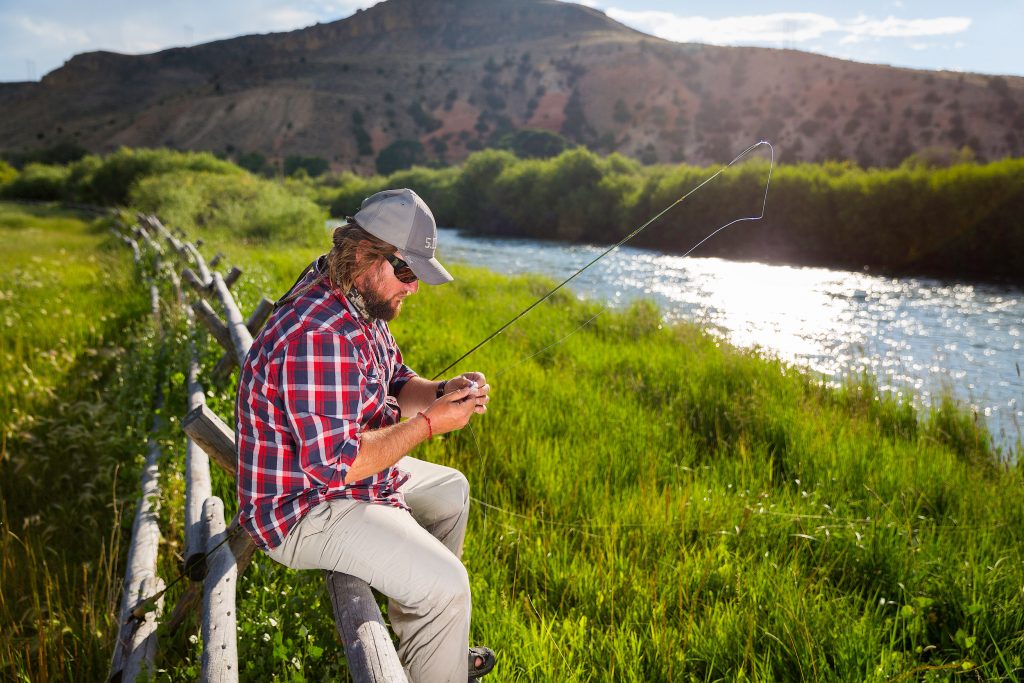
The appeal of fly fishing for beginners
For beginners, the allure of fly fishing often lies in its seemingly endless opportunities for learning and personal growth. There’s something incredibly satisfying about mastering a new casting technique or successfully matching the hatch to entice a wary trout. I still remember my first time out on the water, armed with nothing but a borrowed rod and an unwavering determination to catch a fish on the fly. The moment that trout sipped my carefully placed dry fly from the surface, I was hooked for life.
Another aspect of fly fishing that appeals to beginners is the sense of camaraderie and shared passion within the community. Fly anglers are often more than willing to share their knowledge, experiences, and secret fishing spots with newcomers, fostering a welcoming and supportive environment for those just starting their journey.
The purpose of this guide
The purpose of this guide is to provide you with everything you need to know to get started in the world of fly fishing. From understanding the essential gear and equipment to mastering basic techniques and skills, this comprehensive guide is designed to equip you with the knowledge and confidence required to embark on your own fly fishing adventures. As an expert fly fishing instructor, I’ve had the pleasure of helping countless individuals discover the magic of this timeless sport, and I’m excited to share my insights and experiences with you. So grab your waders, pick up your rod, and let’s dive into the wonderful world of fly fishing.
The History and Evolution of Fly Fishing
Origins of fly fishing
The origins of fly fishing can be traced back over 2,000 years to ancient civilizations such as the Romans and Chinese, who crafted rudimentary artificial flies from feathers and animal fur to imitate insects and entice fish. The first detailed account of fly fishing comes from the 2nd-century work “On the Nature of Animals” by the Roman author Claudius Aelianus, who described the practice of Macedonian anglers using artificial flies to catch fish in their local rivers.
Development of fly fishing techniques and equipment
Over the centuries, fly fishing techniques and equipment have evolved to adapt to the changing needs and preferences of anglers. In medieval Europe, fly fishing gained popularity among the aristocracy as a leisurely pastime, with detailed treatises such as “The Treatyse of Fysshynge with an Angle” (circa 1450) providing guidance on how to create various types of flies and construct rudimentary rods and lines.
The 19th century saw a surge in innovation, with the introduction of split cane rods, silk lines, and improved reel designs. These advancements allowed anglers to cast further and more accurately, opening up new possibilities for fly fishing in a wider range of environments.
One of my favorite stories from fly fishing history involves the legendary angler Frederic Halford, who is often credited with popularizing the art of dry fly fishing in the late 1800s. Halford’s meticulous observations of insect hatches and his insistence on using precise imitations of these insects revolutionized the sport and paved the way for modern fly fishing techniques.
The rise of fly fishing as a popular sport
Fly fishing continued to grow in popularity throughout the 20th century, with advances in technology and materials leading to the development of lighter, stronger rods, and synthetic lines that could be tailored to specific fishing conditions. The sport also became more accessible to the general public, as affordable equipment and a wealth of instructional resources made it easier for beginners to get started.
Today, fly fishing is enjoyed by millions of people around the world, with a diverse community of anglers that spans all ages, genders, and backgrounds. From pristine mountain streams to urban rivers and lakes, fly fishing offers a unique and immersive experience that connects us with the natural world in a truly special way. As someone who has been fortunate enough to teach and share my passion for fly fishing with countless others, I can confidently say that there has never been a better time to pick up a rod and join the ranks of this ever-growing community.
Essential Fly Fishing Gear and Equipment
Fly rods
Types of fly rods
Fly rods come in various lengths, materials, and weights to suit different fishing situations and personal preferences. The most common materials used in modern fly rods are graphite, fiberglass, and bamboo. Graphite rods are lightweight, strong, and versatile, making them an excellent choice for beginners. Fiberglass rods are more durable and forgiving, while bamboo rods offer a traditional, slower action that some experienced anglers prefer.
How to choose the right fly rod for beginners
For beginners, a versatile and forgiving fly rod is essential. I recommend starting with a medium-action graphite rod in the 8-9 foot range, with a weight between 4 and 6. This will allow you to comfortably fish in a variety of environments, from small streams to larger rivers and lakes. As you gain experience and develop your skills, you may choose to invest in additional rods tailored to specific fishing situations.
Fly reels
Types of fly reels
Fly reels come in three main types: click and pawl, disc drag, and sealed drag. Click and pawl reels are the simplest and most affordable option, using a basic spring mechanism to create resistance when a fish pulls line from the reel. Disc drag reels offer more advanced braking systems, providing smoother and more consistent resistance. Sealed drag reels are similar to disc drag reels but feature a sealed, maintenance-free system that protects against water and debris.
How to select the right fly reel for beginners
For beginners, a click and pawl or basic disc drag reel is often sufficient. Choose a reel that matches the weight of your fly rod and has a sturdy construction. As you progress in your fly fishing journey, you may want to invest in higher-quality reels with smoother drag systems for more challenging fishing situations.

Fly lines, leaders, and tippets
Understanding the different components
Fly lines are the weighted, thick portion of line that you cast with your fly rod. They come in various types, such as floating, sinking, and sink-tip lines, designed for different fishing scenarios. Leaders are the thin, clear line that connects your fly line to your fly, helping to maintain a natural presentation. Tippets are the final section of line that attaches to your leader, providing a connection point for your fly and allowing for easy fly changes.
Choosing the appropriate line, leader, and tippet for beginners
For beginners, a good starting point is a weight-forward floating fly line that matches the weight of your chosen rod. This type of line is versatile and easy to cast, making it suitable for most fly fishing situations. For leaders, a 9-foot tapered leader with a breaking strength of 4-6 pounds is a versatile option. Tippet material should match the breaking strength of your leader and be replaced as needed to maintain optimal presentation.
Flies and fly selection
Basic types of flies
There are three main categories of flies: dry flies, nymphs, and streamers. Dry flies imitate insects on the surface of the water and are used to target fish feeding on top. Nymphs represent aquatic insects in their underwater stage and are fished below the surface. Streamers imitate larger prey items like baitfish and leeches and are typically fished with a more aggressive retrieve.
Tips for choosing the right flies for beginners
As a beginner, it’s essential to have a basic assortment of flies that cover various types of insects and water conditions. Start with a selection of dry flies, nymphs, and streamers in different sizes and colors. Local fly shops can provide valuable advice on the most effective patterns for your area. As you gain experience, you’ll learn to “match the hatch,” selecting flies that closely resemble the insects that fish are feeding on at a given time.
Additional gear and accessories
Waders and boots
Waders and boots are essential for keeping you dry and comfortable while wading in the water. Breathable waders are a popular choice for their comfort and versatility across different temperatures. Choose wading boots with good support and traction, and consider investing in a pair with interchangeable soles for various riverbed conditions.
Fly fishing vests and packs
A fly fishing vest or pack helps you keep all your essential gear organized and easily accessible while on the water. Look for a vest or pack with ample pocket space for your fly boxes, tippet spools, and tools, as well as adjustable straps for a comfortable fit.
Tools and gadgets for beginners
Some basic tools and gadgets can make your fly fishing experience more enjoyable and efficient. These include a pair of forceps for removing hooks, nippers for cutting line, a fly box to store your flies, a tippet holder, and a retractable zinger to attach tools to your vest or pack. As you progress in your fly fishing journey, you may find additional gadgets that suit your personal preferences and style.
Understanding Trout Behavior and Habitat
The importance of knowing your target species
When it comes to fly fishing, knowing your target species is crucial for success. Understanding the behavior, feeding habits, and preferred habitats of trout will not only help you choose the right flies and techniques but also enable you to locate fish more effectively. As a beginner, focusing on trout is an excellent starting point, as they are a popular and widely distributed species that offer a diverse range of fly fishing experiences.

Basic Trout behavior and feeding habits
Trout are opportunistic feeders, meaning they will consume a wide variety of food sources depending on availability. Their diet primarily consists of aquatic insects, such as mayflies, caddisflies, and stoneflies, as well as terrestrial insects that fall into the water. Trout will also feed on small fish, crustaceans, and other invertebrates.
One of my most memorable fly fishing experiences involved a day when I stumbled upon a massive mayfly hatch. The trout were rising everywhere, eagerly sipping the emerging insects from the surface. By paying close attention to the size, shape, and color of the natural insects, I was able to select the perfect imitation and enjoy an incredible day of dry fly fishing.
Trout are also sensitive to changes in their environment, such as water temperature, light conditions, and water flow. These factors can influence their feeding behavior and location within a river or lake. As you spend more time on the water, you’ll begin to recognize these patterns and develop a deeper understanding of how trout respond to their surroundings.
Identifying productive fly fishing habitats
To locate trout in a river or stream, focus on areas that provide a combination of food, shelter, and oxygen. Look for features such as riffles (shallow, fast-moving water), pools (deeper, slower-moving water), and runs (moderate-depth water with a steady current). Trout often hold in these areas, waiting for food to drift by in the current.
Seams, where two different water currents meet, are also productive spots, as they create natural feeding lanes for trout. Additionally, pay attention to submerged structures such as rocks, logs, and undercut banks, as these can provide shelter and ambush points for fish.
In lakes, trout tend to congregate in areas with access to deeper water, such as drop-offs, points, and submerged structure. They may also be found cruising along weed lines and in the vicinity of inlets and outlets where food sources are abundant.
By understanding trout behavior and habitat preferences, you’ll be better equipped to locate fish and increase your chances of success on the water. Remember, observation and experience are your best teachers, so don’t be afraid to spend time exploring and experimenting with different locations and techniques.
Basic Fly Fishing Techniques and Skills
Casting fundamentals
The overhead cast
The overhead cast is the most basic and widely used fly fishing cast. It involves a smooth back-and-forth motion of the fly rod, allowing the weighted fly line to flex the rod and create loops that unroll in the air. To execute an overhead cast, follow these steps:
– Start with the fly line laid out straight in front of you and the rod tip low to the water.
– Begin your backcast by smoothly accelerating the rod backward, stopping when it’s at a slight angle behind you (around 1 or 2 o’clock position).
– Allow the line to fully extend behind you before starting your forward cast.
– Accelerate the rod forward, stopping at around 10 o’clock position, and let the line unroll in front of you.
Remember to maintain a smooth, controlled motion throughout the cast, allowing the rod to do most of the work.
The roll cast
The roll cast is an essential technique for situations where you have limited space behind you or need to keep your fly low to the water. This cast relies on the tension between the water and your fly line to load the rod. To perform a roll cast:
– Start with your fly line laid out in front of you and your rod tip pointed slightly upward.
– Bring the rod back in a smooth, slow motion until it’s at about a 45-degree angle.
– In a single, fluid motion, sweep the rod forward while slightly rotating your wrist outward.
– Stop the rod abruptly at around 10 o’clock position, allowing the line to unroll on the water’s surface.
Common casting mistakes and how to avoid them
As a beginner, you may encounter some common casting mistakes. Here are a few tips to help you avoid them:
– Rushing your cast: Give your line enough time to fully extend on both the backcast and forward cast. Trying to force the cast too quickly can result in poor line control and tangles.
– Using too much force: Fly casting relies on the rod’s flexibility to generate power, not your arm strength. Focus on maintaining a smooth, controlled motion and let the rod do the work for you.
– Breaking your wrist: Excessive wrist movement can lead to wide, inefficient loops in your cast. Try to minimize wrist movement and maintain a straight line with your forearm and the rod.
Remember, practice makes perfect. The more time you spend on the water practicing your casting techniques, the more confident and skilled you’ll become as a fly angler.
Presentation techniques
Presentation refers to how your fly is presented to the fish, with the goal of making it appear as natural as possible. Here are some basic presentation techniques to help you entice trout:
Dead drift: This technique involves presenting your fly (usually a dry fly or nymph) so that it drifts naturally with the current, mimicking the movement of real insects. To achieve a dead drift, cast your fly upstream and allow it to float downstream, while minimizing drag by keeping your line off the water and mending as needed.
Swing: The swing technique is commonly used for streamers and wet flies, imitating the movement of swimming baitfish or emerging insects. Cast your fly across the current and allow it to swing downstream with the flow, maintaining a tight line and occasionally imparting action with subtle rod movements.
Retrieve: When fishing still water (lakes or ponds), a retrieve presentation is often used for streamers or nymphs. Cast your fly out and let it sink to the desired depth, then retrieve it with a series of hand-twists or short, sharp strips to imitate the movement of prey.
Dry fly fishing
Dry fly fishing involves presenting an imitation of a floating insect on the water’s surface. The goal is to make your fly appear as natural as possible, enticing fish to rise and take it. To achieve this, focus on maintaining a drag-free drift by allowing your fly to float naturally with the current. Mending your line and using reach casts can help you achieve a longer, drag-free drift. Pay close attention to rising fish and try to match the size, color, and pattern of the insects they are feeding on.
Nymphing
Nymphing targets fish feeding below the surface on aquatic insects in their nymph or larval stage. There are several nymphing techniques, but one of the most popular for beginners is the “indicator nymphing” method. This involves attaching a small, brightly colored indicator (such as a foam or yarn) to your leader, which acts as a visual cue when a fish takes your nymph. Cast upstream and let your nymph drift naturally with the current, keeping an eye on your indicator for any sudden movements or pauses that may indicate a strike.
Streamer fishing
Streamer fishing involves using larger flies that imitate baitfish or other prey items. This technique often requires a more aggressive approach, with faster retrieves and erratic movements to trigger a predatory response from fish. Cast your streamer across and slightly downstream, allowing it to sink before beginning your retrieve. Experiment with different retrieval speeds and patterns, such as short, quick strips or longer, slower pulls.
Reading the water and locating fish
Identifying holding areas for fish
Trout tend to hold in areas that provide a balance of food, shelter, and oxygen. Look for features such as riffles, pools, runs, undercut banks, and submerged structures like rocks and logs. In lakes, focus on drop-offs, points, weed lines, and inlets or outlets where food sources are abundant.
Understanding current seams and eddies
Current seams are areas where two different water currents meet, creating natural feeding lanes for trout. Eddies are circular currents that form behind obstacles like rocks or fallen trees, offering fish a place to rest and ambush prey. Both seams and eddies can be productive spots to target trout.
I once fished a small mountain stream where I noticed a large boulder creating a distinct seam and eddy. By carefully presenting my nymph along the seam, I was able to entice several trout that were holding in the eddy just behind the boulder. It was a great lesson in the value of reading the water and focusing on high-percentage spots.
By learning to read the water and identify potential holding areas, you’ll increase your chances of locating fish and achieving success on the water. As with all aspects of fly fishing, practice and observation are key to developing your skills and understanding of trout behavior and habitat.
Fly Fishing Etiquette and Conservation
Respect for fellow anglers and landowners
As a fly fisher, it’s essential to show respect for fellow anglers and landowners. This includes giving other anglers ample space on the water, not crowding their fishing spots, and being courteous and friendly when encountering others. If you’re fishing on private property, always ask for permission from the landowner before accessing the water and be respectful of their rules and wishes.
Leave No Trace principles in fly fishing
Following Leave No Trace principles is crucial to preserving the natural beauty and health of our waterways and ecosystems. As a fly fisher, you should:
- Plan ahead and prepare: Research the area you plan to fish, familiarize yourself with local regulations, and pack out all trash and fishing line.
- Travel and camp on durable surfaces: Stick to established trails and avoid trampling on fragile vegetation or disturbing wildlife.
- Dispose of waste properly: Pack out all trash, leftover food, and litter, including used fishing line and discarded flies.
- Leave what you find: Do not disturb natural features, plants, or wildlife.
- Minimize campfire impact: Use a portable stove for cooking and avoid building fires near the water’s edge.
- Respect wildlife: Observe wildlife from a distance, do not feed animals, and avoid disturbing their habitats.
- Be considerate of other visitors: Keep noise levels down, respect the privacy of other anglers, and share the water equitably.
Catch and release practices for sustainable fishing
Catch and release practices help ensure the sustainability of our fisheries by minimizing harm to fish populations. To practice responsible catch and release:
- Use barbless hooks or pinch down the barbs on your hooks to facilitate easier hook removal.
- Play fish quickly to minimize stress and exhaustion.
- Wet your hands before handling fish to protect their sensitive slime coating.
- Keep fish in the water as much as possible and avoid squeezing or holding them tightly.
- Use a rubberized net and a pair of forceps or needle-nose pliers to gently remove the hook.
- Revive exhausted fish by holding them upright in the water, facing upstream, and allowing water to flow through their gills until they regain strength.
By following proper fly fishing etiquette and conservation practices, you’ll help protect our precious waterways and fisheries for future generations to enjoy. Remember, as a fly angler, you are an ambassador for the sport and have a responsibility to promote responsible stewardship of our natural resources.
Resources for Continued Learning and Improvement
Local fly fishing clubs and organizations
Joining a local fly fishing club or organization is an excellent way to learn from experienced anglers, discover new fishing spots, and make friends who share your passion for the sport. Many clubs offer educational workshops, group outings, and conservation projects that can help you develop your skills and knowledge. To find a club near you, check with local fly shops, search online, or phone us for a personal recommendation based on your location and your specific needs.
Online forums and communities for fly anglers
There are numerous online forums and communities where fly anglers share tips, advice, and stories. These platforms can be a valuable source of information and inspiration for beginners. Some popular forums and communities include:
- The Fly Fishing Forum (www.theflyfishingforum.com): A comprehensive forum covering various topics related to fly fishing, including gear, techniques, and regional discussions.
- Reddit’s Fly Fishing Community (www.reddit.com/r/flyfishing): A subreddit dedicated to all things fly fishing, with user-generated content, discussions, and advice.
- Fly Anglers Online (www.flyanglersonline.com): A website featuring articles, forums, and resources for beginner to advanced fly fishers.
Recommended books, videos, and podcasts on fly fishing
Books, videos, and podcasts can provide a wealth of knowledge on various aspects of fly fishing. Here are some recommended resources to help you continue learning and improving:
Books:
– “The Orvis Fly-Fishing Guide” by Tom Rosenbauer: A comprehensive guide covering everything from gear selection to advanced techniques.
– “The Little Red Book of Fly Fishing” by Kirk Deeter and Charlie Meyers: A compact guide offering tips and advice on various aspects of fly fishing.
– “Trout Streams and Hatches of Pennsylvania” by Charles R. Meck: A regional guide to understanding trout behavior, hatches, and fly selection.
Videos:
– Orvis Fly Fishing Learning Center (www.howtoflyfish.orvis.com): A free online resource featuring instructional videos on casting, knot tying, fly selection, and more.
– YouTube channels such as “The New Fly Fisher” and “Tightline Productions” offer a variety of instructional videos and fishing adventures.
Podcasts:
– “The Orvis Fly Fishing Guide Podcast”: Hosted by Tom Rosenbauer, this podcast features interviews with experts, tips, and advice on all aspects of fly fishing.
– “Anchored with April Vokey”: A podcast featuring in-depth interviews with notable figures in the fly fishing world, covering topics such as conservation, history, and techniques.
By utilizing these resources and actively participating in the fly fishing community, you’ll continue to expand your knowledge, refine your skills, and deepen your appreciation for this rewarding sport. Remember that fly fishing is a lifelong learning experience – there’s always something new to discover and enjoy in the world of fly fishing.
Conclusion
The lifelong journey of fly fishing mastery
Fly fishing is a captivating and rewarding pursuit that offers endless opportunities for learning and growth. As you progress in your fly fishing journey, you’ll discover that there’s always something new to learn, whether it’s a different casting technique, a novel fly pattern, or a fresh perspective on reading the water. Embrace the challenges and enjoy the process of honing your skills and deepening your connection with nature.
Encouragement for beginners to get out on the water and start fly fishing
As a beginner, it’s natural to feel a bit overwhelmed by the wealth of information and techniques associated with fly fishing. However, don’t let this deter you from getting out on the water and giving it a try. The best way to learn is by doing, and you’ll find that each time you cast a line, you’ll gain valuable experience and insight.
Remember that every seasoned fly angler was once a beginner, too. With patience, practice, and a willingness to learn from your mistakes, you’ll soon find yourself immersed in the world of fly fishing and reaping the rewards of this fulfilling pastime.
So grab your gear, head to your nearest body of water, and start your fly fishing adventure. As you wade into the current and make your first cast, you’ll begin a journey that will bring you countless hours of joy, challenge, and connection with the natural world. Tight lines and happy fishing!