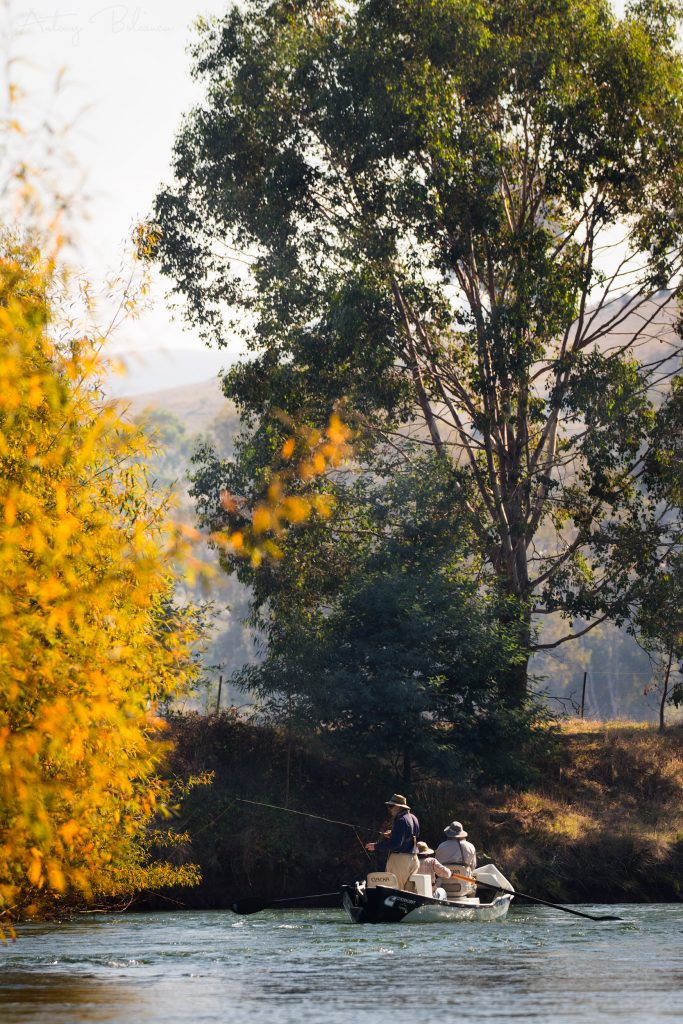
The Goulburn This Spring
Rivers Rarely Fish the Same Way Twice
If there is one lesson the Goulburn River teaches repeatedly, it is that no two seasons are ever truly alike.
Rivers remember floods.
They remember drought.
They remember snowmelt, heatwaves and long dry summers.
And anglers who spend enough years around them eventually learn that trying to compare one spring too closely to the last is usually a mistake.
Last season, the overwhelming memory was water.
Too much of it.
The Goulburn and many of its tributaries spent extended periods swollen and difficult to access following widespread flooding across the catchment. Favourite runs disappeared beneath heavy current. Boat ramps vanished underwater. Access tracks became boggy messes and entire sections of river changed shape almost overnight.
It was one of those seasons where nature firmly reasserted control.
This year feels very different already.
As we move into spring 2023, the river is once again changing character, but now in the opposite direction. Conditions across much of Victoria have trended warmer and drier far earlier than many anglers expected. Water clarity has remained excellent and the entire river system feels several weeks ahead of what many long-term Goulburn anglers would traditionally associate with early September.
The signs are everywhere if you spend enough time outdoors.
Trees along the river are flowering early.
Terrestrial insects are appearing sooner.
Caddis activity has already increased noticeably.
Even the overall feel of the season seems advanced.
That matters more than many people realise.
Because rivers are not isolated systems. Everything is connected:
water temperature,
insect life,
vegetation,
light,
flow,
oxygen,
fish behaviour.
When one piece shifts, the entire river gradually responds around it.
The Goulburn is Running Remarkably Clear
One of the more striking features of the river at present is just how clear it remains despite Lake Eildon sitting extremely high for this time of year.
Normally, anglers become nervous when hearing about elevated storage levels and environmental releases. Last season’s flooding remains fresh enough in people’s minds that any mention of water releases immediately triggers concern.
But so far, conditions have remained surprisingly stable.
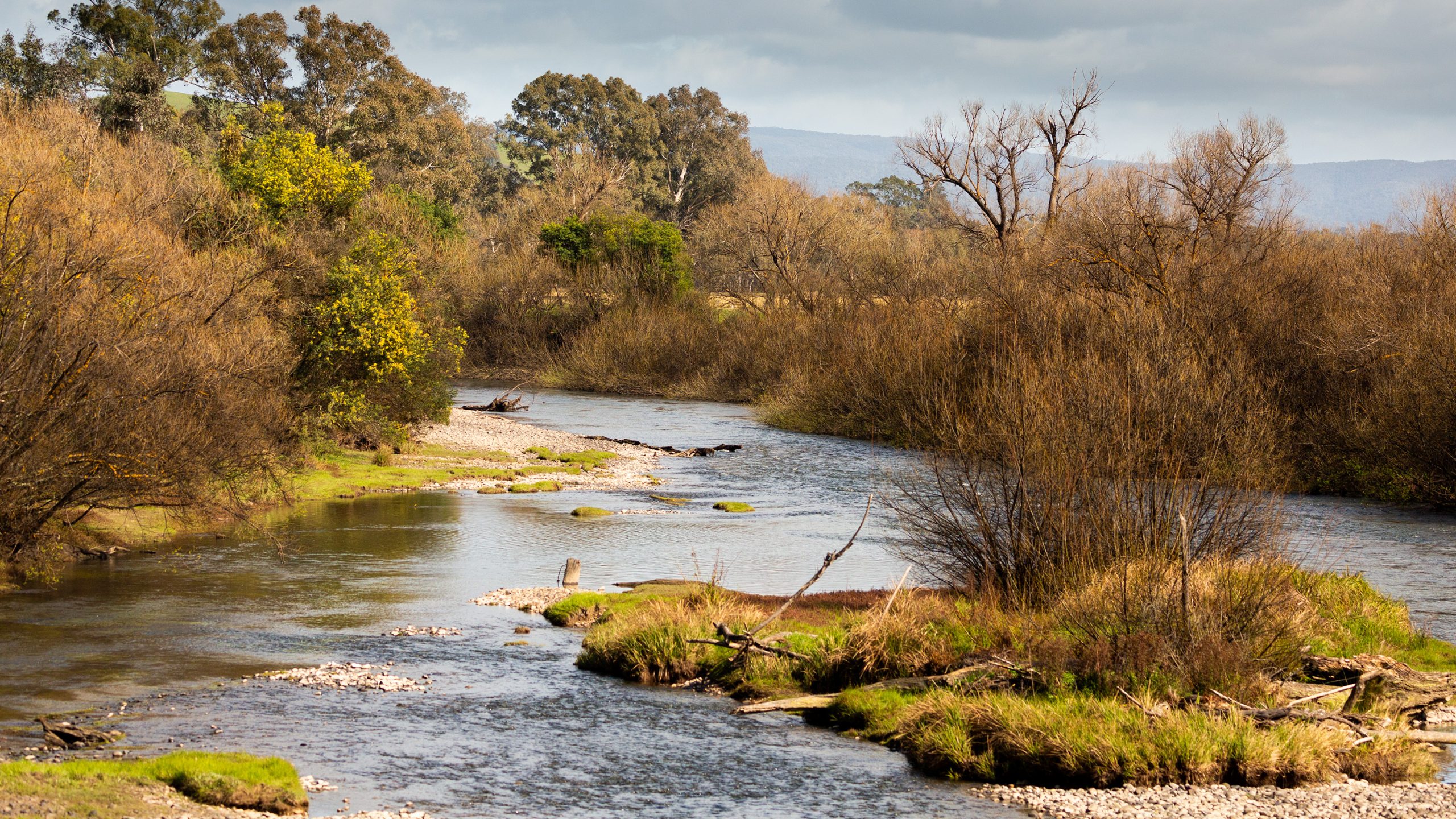
The river currently has that beautiful soft green clarity that the Goulburn is capable of producing during good springs. Visibility is excellent. Weed growth is beginning. Insect life is building steadily. On calm afternoons you can already see trout shifting confidently into softer feeding lies.
That clarity changes everything.
It means fish become more visible.
Presentation becomes more important.
Dry fly opportunities increase significantly.
And importantly, it creates conditions where anglers can properly observe trout behaviour again rather than simply fishing blind through dirty water.
Already we are seeing increasing numbers of mayflies and caddis. If these warmer conditions continue, I suspect some of the better spring dry fly fishing may occur noticeably earlier than many people expect this year.
That possibility alone should excite anglers.
Tailwaters are Dynamic Systems
One of the biggest misconceptions newer anglers have about tailwaters is assuming they remain stable simply because dams regulate them.
In reality, rivers like the Goulburn are constantly changing.
Every release alters current seams slightly.
Every rise shifts feeding lies.
Every drop exposes structure differently.
Big trout respond quickly to these changes.
One week a fish may hold tightly beneath a cut bank.
The next week, after a slight reduction in flow, it shifts several metres into softer current nearby. The river is always reorganising itself quietly beneath the surface.
This is part of what makes tailwater fly fishing endlessly interesting.
You are never truly fishing the exact same river twice.

The Crowding Problem
Unfortunately, the Goulburn’s growing popularity continues creating challenges too.
The river now sits in a difficult position:
successful enough to attract enormous attention,
yet still intimate enough that excessive pressure changes the experience quickly.
Last season saw extraordinary numbers of visiting anglers descend on certain stretches following widespread publicity around escaped trout from inundated fish farms and heavy stocking activity. Social media amplified the situation rapidly and some sections of river became unrecognisable during peak periods.
Opening weekend in particular felt chaotic at times.
Boat ramps crowded.
Access points overflowing.
Rubbish appearing where previously there had been none.
Most anglers are respectful, of course. But it only takes a relatively small number of careless people to alter the atmosphere significantly.
This spring will likely see similar pressure around well-known access points and heavily publicised sections of river. Places like Thornton Bridge, Breakaway Bridge and Alexandra Bridge will almost certainly attract heavy traffic again, particularly early in the season.
For anglers seeking quieter experiences, flexibility becomes important.
Fish later in the day.
Avoid peak times.
Explore lesser-known water.
Walk further.
Or simply wait until the opening rush subsides.
The Goulburn is still capable of offering wonderful solitude if approached thoughtfully.
The Tributaries Matter Too
While much of the attention always falls on the main river, the tributaries remain incredibly important pieces of the broader system.
The Rubicon, Acheron and Stevenson all fish differently and respond differently to changing weather patterns. Smaller streams often warm earlier, clear faster and produce surprisingly good dry fly fishing well before most anglers begin seriously considering it.

At the moment, several of these smaller systems already feel alive.
The sort of alive that makes you start thinking about stimulators, beetles and attractor dries far earlier than the calendar normally suggests.
I suspect there will be afternoons over coming weeks where simply walking small streams with a dry fly and a light rod could prove remarkably enjoyable.
Those sessions often become the ones people remember longest anyway.
Fishing with Perspective
There is a tendency in modern fishing culture to become overly obsessed with outcomes.
Fish counts.
Photos.
Social media reports.
“Hot bites.”
But rivers operate on longer timelines than internet excitement cycles.
Some seasons are generous.
Others are difficult.
Certain years produce extraordinary hatches.
Others become lessons in patience.
Part of becoming a better angler involves learning to appreciate these seasonal shifts rather than constantly fighting them.
This spring feels early.
Potentially warm.
Potentially technical later if low flows continue.
But it also feels promising.
The river looks healthy.
The insect life is building.
The fish appear in good condition.
And after the disruptions of previous seasons, simply seeing the Goulburn flowing clear again feels reassuring.
For now, that is enough reason to be optimistic.
Final Thoughts
The Goulburn has always rewarded anglers willing to pay attention carefully.
Watch the insects.
Watch the light.
Watch how trout reposition themselves as flows change.
And perhaps most importantly:
remain adaptable.
Because rivers rarely conform neatly to expectations for very long.
That uncertainty is not a flaw in fly fishing.
It is one of the reasons we keep returning.
After all these years, the possibility that something interesting might happen around the next bend still feels reason enough to keep launching the boat each spring.