
Small Flies, Clear Water and Slowing Seasons
Late autumn on the Goulburn has a very different feel to spring.
The river quietens.
The crowds thin.
The light lowers.
Mornings become colder and the urgency of summer fades slowly from the valley.
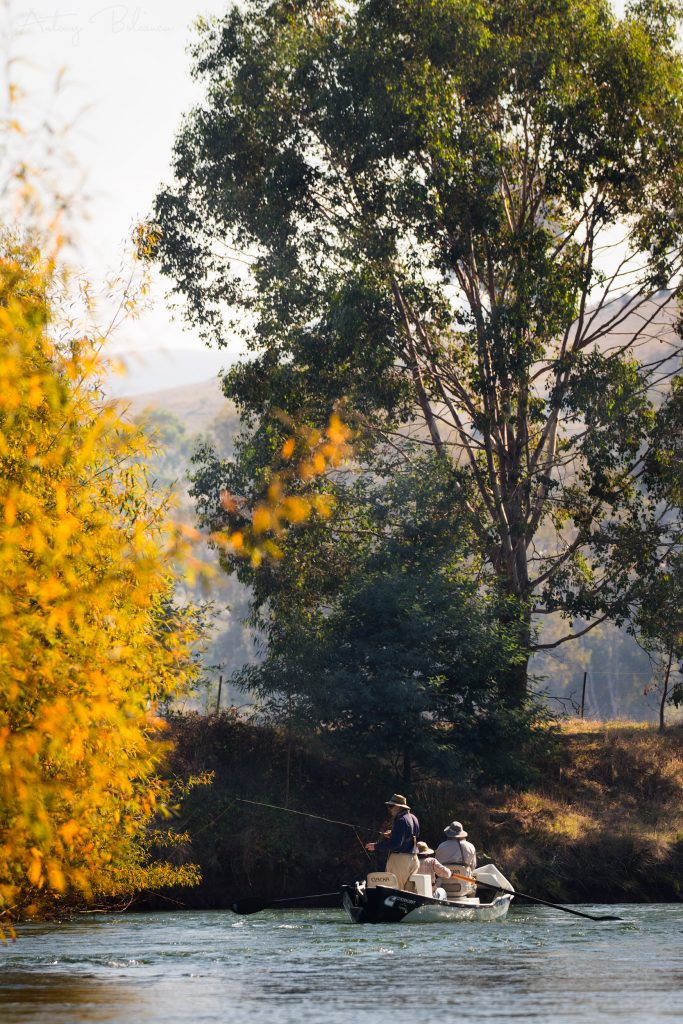
For many anglers, it can be a frustrating time of year. Water levels are often low and exceptionally clear. Fish become cautious after months of pressure and the easy, aggressive feeding behaviour of warmer months begins tapering away. Conditions grow more technical almost week by week.
But late season fishing has always held a certain appeal for those willing to slow down with it.
There is a subtlety to autumn fishing that rewards patience and observation far more than aggression.
The trout are still there.
In many cases they are feeding consistently.
They simply demand a more thoughtful approach.
As flows reduce, fish become increasingly concentrated in the better holding water. Long glides, softer seams and deeper runs begin carrying greater importance while shallow summer lies gradually lose oxygen and current speed. Large trout in particular become very selective about where they position themselves.
This concentration can work in the angler’s favour.
The fish are often easier to locate visually.
The difficulty lies in approaching them properly.
Low clear water magnifies everything:
footsteps,
false casts,
drag,
poor angles,
heavy leaders,
careless movement.
Many late-season fish are lost before the fly even lands simply because the trout became aware of the angler too early.
This is the time of year where slowing down becomes critical.
Walk carefully.
Approach from further away.
Use the light thoughtfully.
Spend more time observing before casting.
Good autumn fishing often feels less like searching and more like quiet stalking.
The insect life changes too.
Gone are many of the larger summer terrestrials and splashier dry fly eats that dominate warmer months. Instead, autumn on the Goulburn increasingly revolves around smaller mayflies, midge activity and subtle emergences that occur during the warmer parts of the day.
These hatches rarely announce themselves dramatically.
You might notice only the occasional rise initially.
A single fish feeding quietly beneath overhanging branches.
A few tiny duns drifting in softer current.
Then gradually the river comes alive for an hour before settling back down again.
Those windows matter enormously.
And this is where understanding entomology genuinely helps anglers. Not in an overly scientific sense, but in simply recognising what the trout are actually feeding on and adjusting accordingly.
Late-season trout can become remarkably specific.
Longer leaders.
Finer tippet.
More accurate drifts.
Smaller flies.
All begin mattering more.
There are days in autumn where changing from a slightly overdressed dry fly to a sparse emerger suddenly transforms refusal after refusal into confident takes. Similarly, trout feeding just beneath the film may completely ignore high-floating dries while happily eating subtle soft hackles or lightly weighted nymphs suspended only inches below the surface.
The fish are still feeding.
You simply need to pay closer attention to how they are feeding.
Timing also becomes increasingly important during late autumn.
Cold mornings often fish slowly until the sun reaches the water properly and insect activity begins building. Generally speaking, the better fishing windows tend to occur from late morning through mid-afternoon once water temperatures rise slightly and the river settles into the day.
That slower rhythm is part of autumn’s appeal.
There is less pressure to race onto the river before daylight. The days become more measured. You can stand quietly beside a run drinking coffee while waiting for the first genuine signs of activity rather than charging around trying to force something to happen.
And occasionally, when conditions align properly, autumn can produce some of the most satisfying dry fly fishing of the entire season.
Not because the numbers are enormous.
But because everything feels more technical and earned.
Good fish in low clear autumn water rarely come easily.
They demand careful positioning.
Good presentation.
Patience.
Restraint.
The river exposes sloppy fishing quickly at this time of year.
Still, for anglers willing to adapt, late season fishing can be deeply rewarding. The valley is quieter. The weather softer. The atmosphere calmer. Even the trout seem somehow more connected to the slowing pace of the season itself.
Eventually winter arrives properly and the river begins closing down.
But before that happens, there is often a final stretch of beautiful technical fishing available to those prepared to fish carefully enough to appreciate it.