No Two Springs Are Ever the Same
If there’s one thing thirty years on the Goulburn has taught me, it’s that no two springs are ever quite alike.
Every year anglers arrive hoping to compare the coming season with the last one. We all do it. We remember a particular hatch, a memorable opening weekend, or a run of exceptional dry-fly fishing and assume the river will somehow pick up where it left off.
It rarely works that way.
Rivers have long memories.
They carry the influence of floods, droughts, bushfires, snowmelt and heatwaves long after most people have forgotten about them. A flood from two years ago can still influence where fish hold today. A dry summer can shape insect activity months later. Everything is connected, even when the links aren’t immediately obvious.
The longer you spend around a river, the more you realise that every season is really part of a much longer story.
Many anglers understandably focus on what happened over the past few weeks. Was there a hatch? Did the river rise? Have fish been caught recently? All perfectly reasonable questions. But rivers operate on much longer timelines than most of us do.
The Goulburn we fish today is partly a product of decisions, weather events and environmental conditions that occurred years ago. Floods move gravel and reshape runs. Droughts alter weed growth and insect populations. High summer temperatures can influence trout survival. Even a strong spawning season in one year may influence the quality of fishing several seasons later.
That is one of the reasons predictions can be so difficult. Rivers are not machines. They are living systems. What we see on the surface today is often the result of processes that have been unfolding quietly for months, and sometimes years.
Last season, the dominant story was water.
The Goulburn and many of its tributaries spent extended periods swollen and difficult to access following widespread flooding throughout the catchment. Favourite runs disappeared beneath heavy current. Access tracks became muddy quagmires. Boat ramps vanished underwater. Entire sections of river changed shape almost overnight.
It was one of those seasons that reminded everyone who is really in charge.
This year already feels very different.
Conditions across much of Victoria have trended warmer and drier much earlier than many anglers expected. Spend enough time outdoors and the signs are hard to miss. Trees along the river are flowering earlier. Terrestrial insects are appearing sooner. Caddis activity has increased noticeably. Even the overall feel of the season seems slightly ahead of schedule.
That matters more than many people realise.
Rivers aren’t isolated systems. Change the water temperature, the flow, the insect life or the available food and the entire river begins adjusting around it. Trout respond. Insects respond. Vegetation responds. The river is constantly reorganising itself.
One of the more striking features of the Goulburn at present is its clarity.
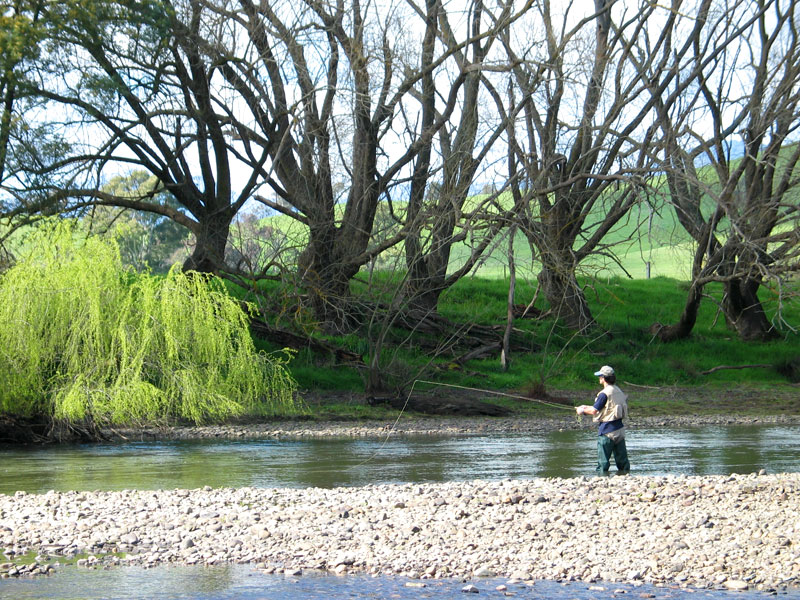
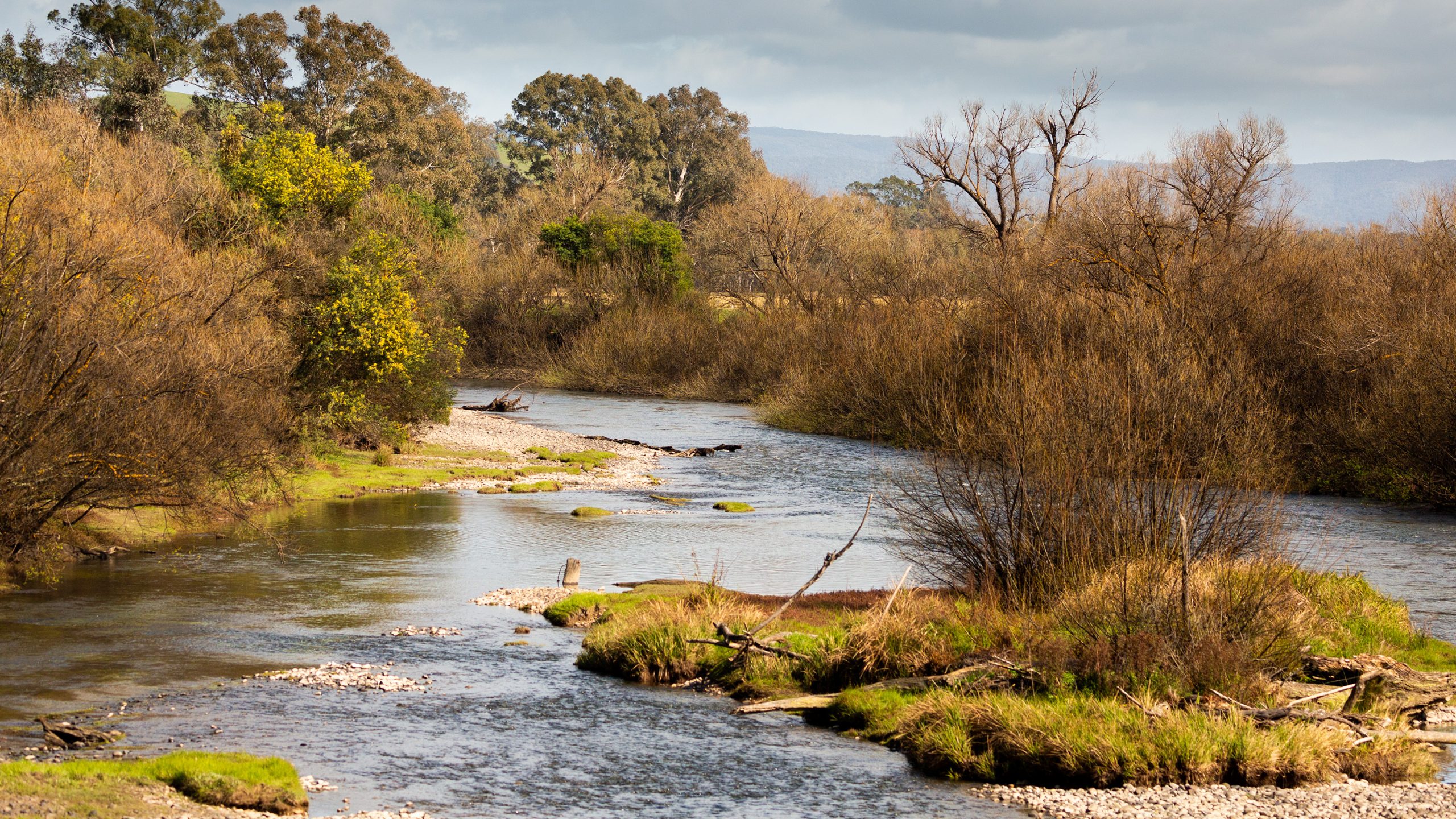
Given Lake Eildon’s storage levels, many anglers expected the river to carry more colour than it has. Instead, it has remained remarkably stable. The river currently possesses that soft green clarity that the Goulburn is capable of producing during its better springs. Weed growth is beginning to establish itself. Insect life is steadily increasing. On calm afternoons it’s already possible to observe trout moving confidently into feeding lies.
Clear water changes everything.
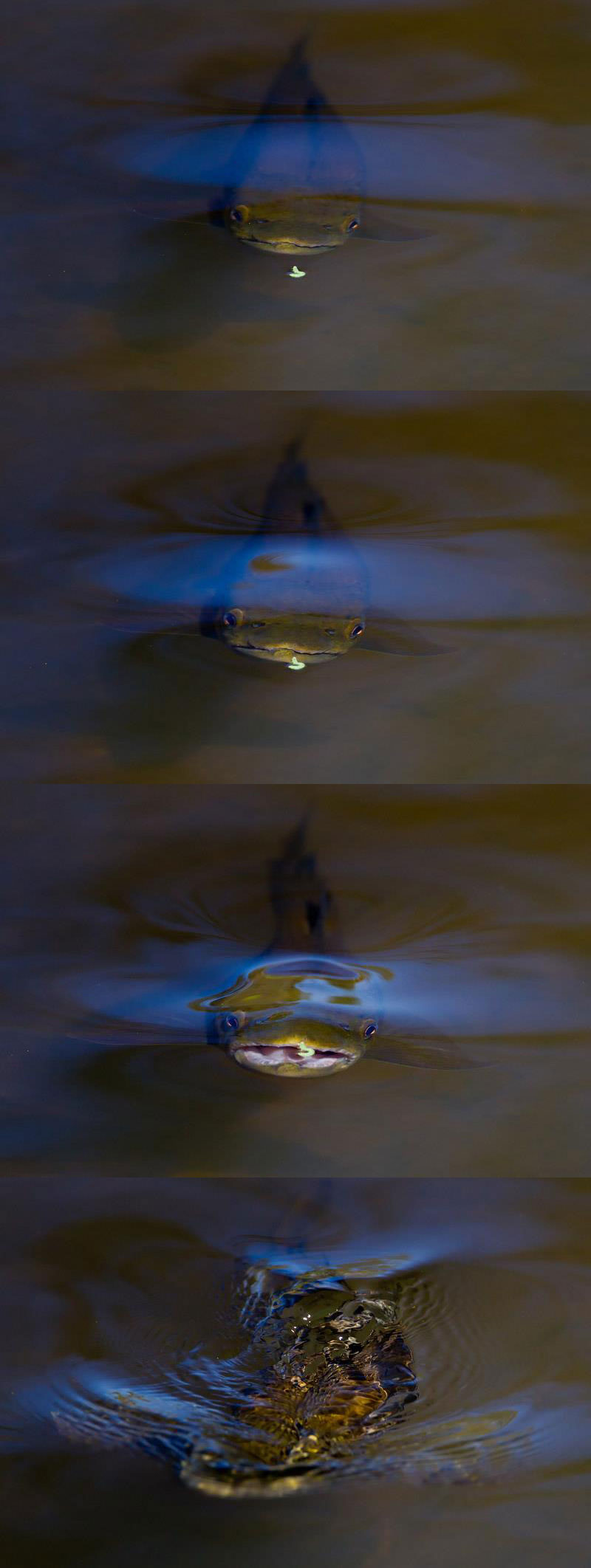
Fish become more visible. Presentation becomes more important. Dry-fly opportunities increase. Anglers are once again able to watch trout behaviour rather than simply casting through coloured water and hoping for the best.

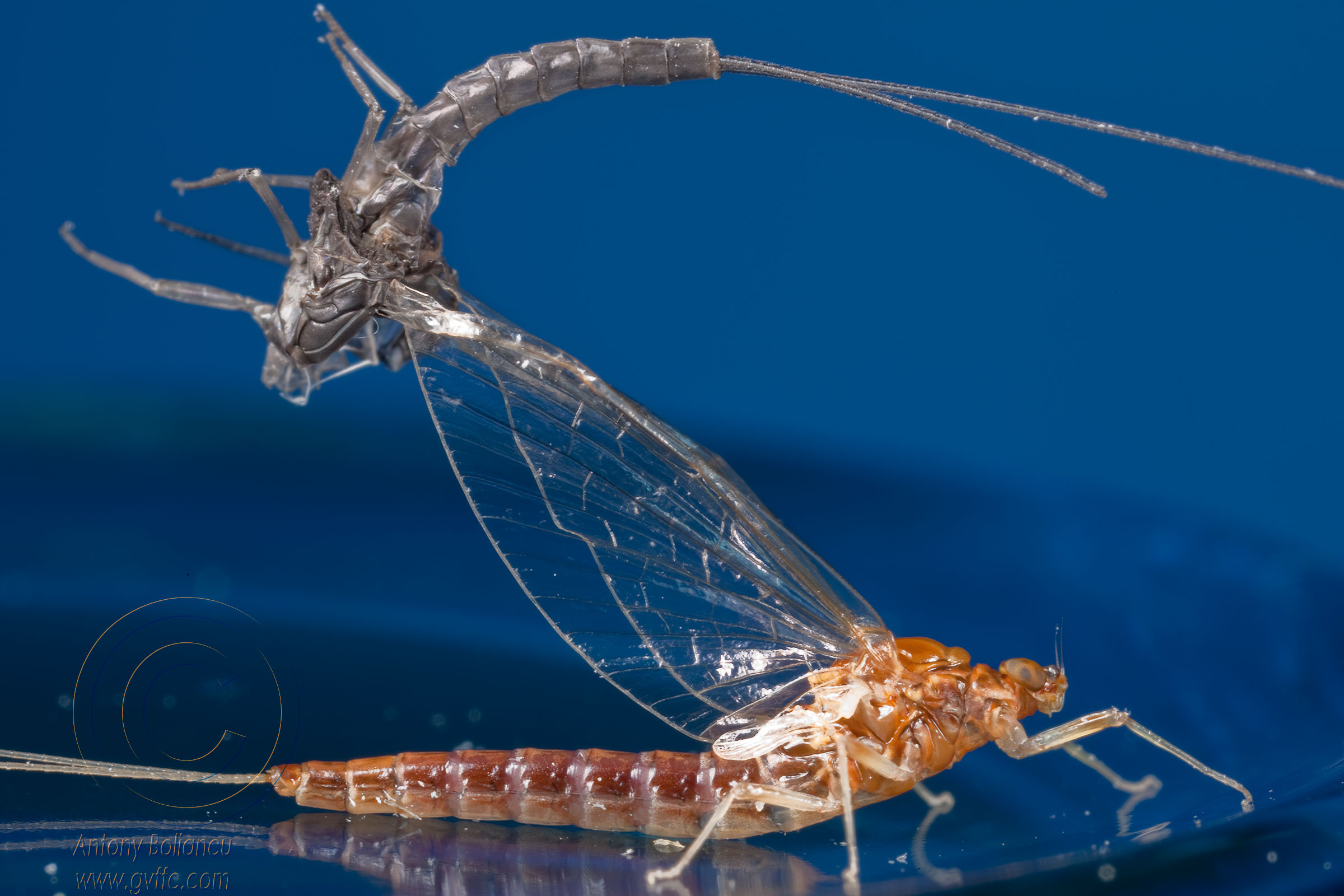
Already we’re seeing increasing numbers of mayflies and caddis. If the warmer conditions continue, I suspect some of the better spring dry-fly fishing may occur earlier than many anglers expect. That possibility alone should be enough to generate a little excitement.
One of the first things I watch each spring is not actually the trout.
It’s the weed.
That might sound strange to newer anglers, but healthy weed growth is often one of the earliest signs that a river is moving in the right direction. Weed provides stability. It creates habitat for countless aquatic insects. It produces food and shelter throughout the system. In many respects, good weed growth forms part of the foundation upon which good trout fishing is built.
Over the years I’ve become increasingly convinced that anglers sometimes focus too heavily on the fish themselves and not enough on the broader health of the river. Trout are often the final piece of a much larger puzzle. If the insects are thriving, the weed is healthy, the water quality remains high and flows are reasonably stable, the trout usually respond accordingly.
At the moment there are encouraging signs in several of those areas.
One misconception newer anglers often have about tailwaters is assuming that because dams regulate them, they somehow remain stable.
In reality, rivers like the Goulburn are constantly changing.
A slight increase in flow can alter feeding lies. A reduction in water may expose structure that has been hidden for months. Fish shift. Current seams move. What worked perfectly last week may need adjusting this week.
This is part of what makes tailwater fishing so endlessly fascinating.
You’re never truly fishing the same river twice.
The river’s popularity presents both opportunities and challenges as well.
When we first began drift boating the Goulburn in the mid-1990s, it wasn’t unusual to spend an entire day on the river without seeing another angler.
That sounds almost unbelievable now.
The river was respected locally but remained largely unknown outside a relatively small circle of dedicated fly fishers. Information travelled slowly. There were no fishing influencers, no Facebook groups and certainly no social media reports spreading across the country within hours.
Today the situation is very different.
The Goulburn is widely recognised as one of Australia’s premier trout fisheries. In many ways that recognition is deserved. The river offers year-round access, beautiful scenery and a style of fishing that appeals to a broad range of anglers.
Success, however, brings its own challenges.
Opening weekends can become crowded. Well-known access points fill quickly. Certain stretches receive more attention than they probably deserve.
For anglers seeking quieter experiences, flexibility remains one of the most valuable skills they can develop. Fish later in the day. Walk a little further. Explore less obvious water. Wait for the initial rush to pass.
The Goulburn is still capable of providing wonderful solitude for those prepared to look for it.
The tributaries remain important too.
The Rubicon, Acheron, Stevenson, Delatite and several smaller streams often tell a slightly different story from the main river. Smaller waters warm more quickly, respond differently to weather patterns and can produce surprisingly good dry-fly fishing long before many anglers begin paying attention to them.
At the moment, several already feel alive.
The sort of alive that makes you start thinking about attractor dries, beetles and stimulators earlier than the calendar would normally suggest.
Those simple afternoons wandering a small stream with a light rod often become the memories people carry longest anyway.
Modern fishing culture sometimes encourages us to become obsessed with outcomes.
Fish counts. Photos. Reports. Social media updates.
Rivers operate on a different timetable.
Some seasons are generous. Others are difficult. Some years produce extraordinary hatches. Others become lessons in patience. Part of becoming a better angler is learning to appreciate those variations rather than constantly fighting them.

This spring feels early.
Potentially warm.
Potentially technical if lower flows continue.
But it also feels promising.
The river looks healthy. Insect life is building steadily. The trout appear in good condition. And after the disruptions of recent seasons, there is something reassuring about seeing the Goulburn flowing clear and stable again.
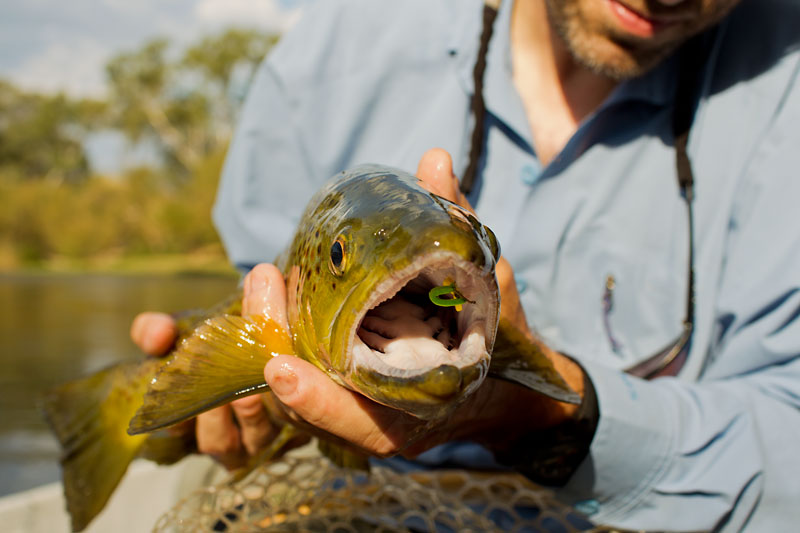
I’ve learned to be cautious about predicting seasons. Rivers have a habit of making fools of experts. But if I had to make an early assessment, I’d say this spring feels encouraging. The water is clear. The insects are building. The fish look healthy. That’s enough to make me optimistic.
Perhaps that’s why so many of us remain fascinated by rivers long after we’ve learned the basic mechanics of catching fish.
Certainty is rare on the water.
Every season brings new questions. Every flood alters something. Every spring arrives with its own character. Just when you think you understand a river completely, it changes again and reminds you there is still more to learn.
Thirty years on the Goulburn has taught me many things, but perhaps the most important is this: rivers reward curiosity. The anglers who continue learning, observing and adapting are usually the ones who enjoy them most.
This spring will be different from the one before it.
Thankfully, that’s exactly as it should be.
Ant