Category: Reflections

Essays exploring fishing, nature, travel and the changing world around us.

Late May on the Goulburn, and Why the Quiet Weeks Still Matter

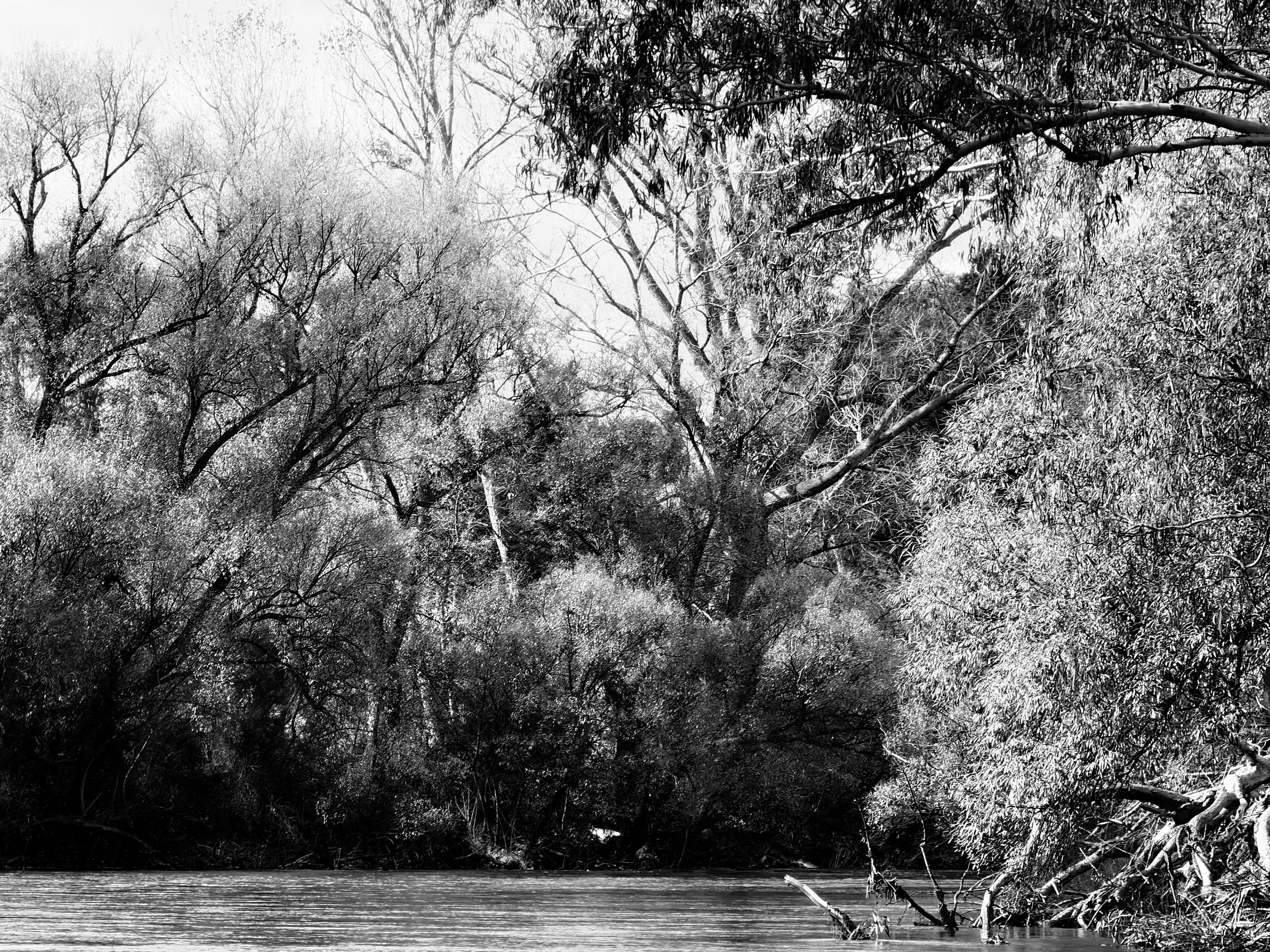
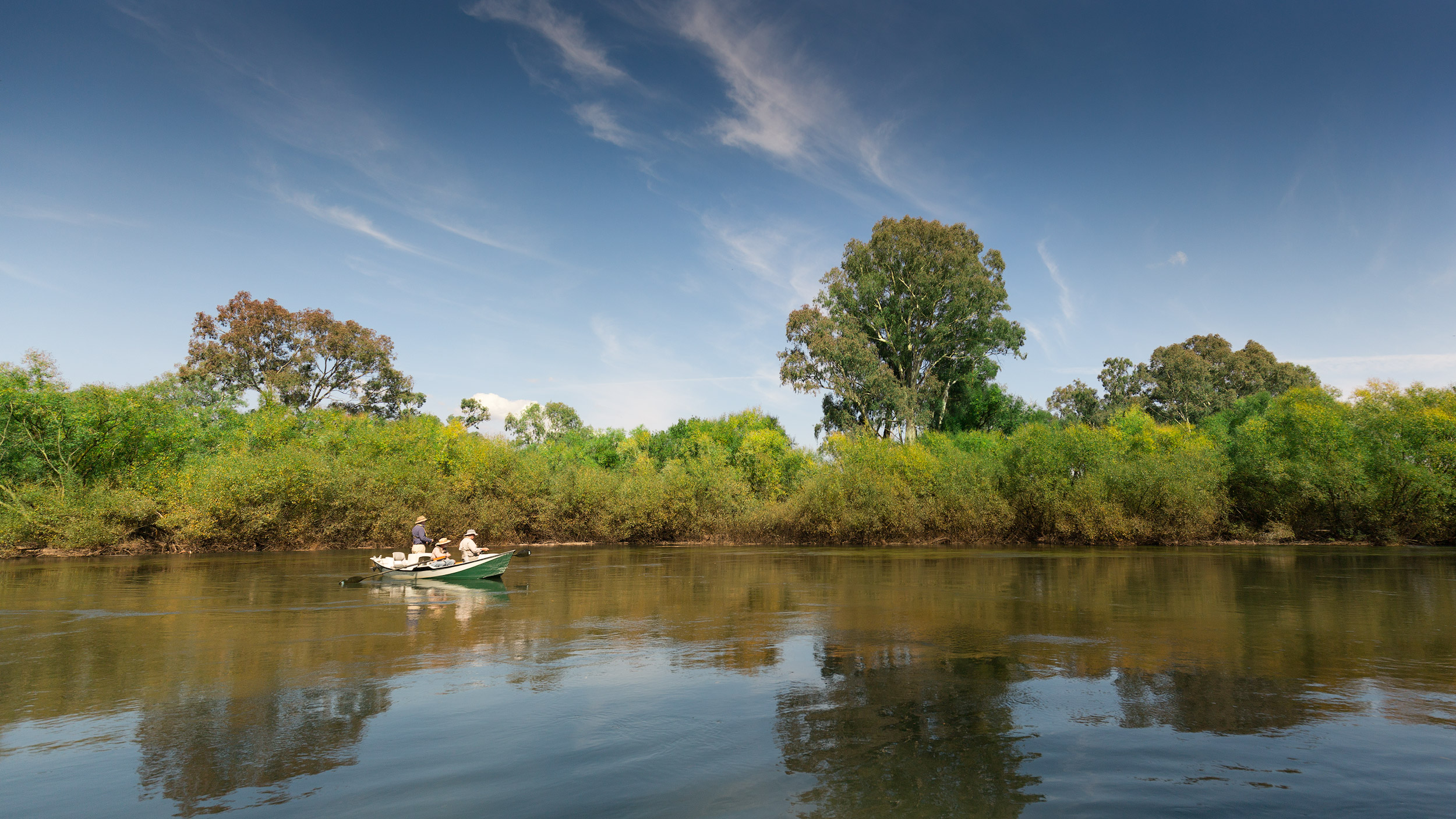
By the third week of May, the Goulburn begins to feel as though it is speaking more quietly.

The river is still open. The trout are still there. In many cases they are feeding beautifully. But the tone changes. The bright urgency of spring and summer fades into something more measured. The mornings arrive colder. The shadows stretch further across the water. The anglers who remain are usually the ones who genuinely want to be there.

For many people, the season feels all but over by now. Football has returned. Frost settles across the paddocks at daylight. The forecast no longer carries the promise of warm evenings and careless rises. Yet late autumn often produces some of the most satisfying fishing of the entire season.

Not because it is easy.

Because it asks something different of you.

The river itself changes first. Aquatic weed that grew thick through summer begins to thin. Long slicks of clean walking-speed water reappear. The current takes on definition again. Seams sharpen. Bubble lines become easier to read. Fish that spent much of summer spread through fast oxygenated water begin holding in slower, softer lies.

The insects change too.

The big summer terrestrials are mostly gone now. Just a few crickets and beetles remain. Late autumn on the Goulburn becomes a smaller, quieter game. Tiny Baetis mayflies appear through the middle of the day. Midges gather in the softer edges during calm conditions. Some afternoons still produce surprisingly steady dry fly fishing, but rarely with the recklessness of early season. These fish feed with far more caution now.

You find yourself fishing longer leaders, finer tippets and smaller flies.

And strangely, many experienced anglers enjoy this more.

There is less noise around the river in May. Less racing from run to run searching for obvious surface activity. The fishing slows down in the best possible sense. Anglers begin watching more carefully again.

A trout rising steadily in late May often feels more significant than twenty careless summer fish.

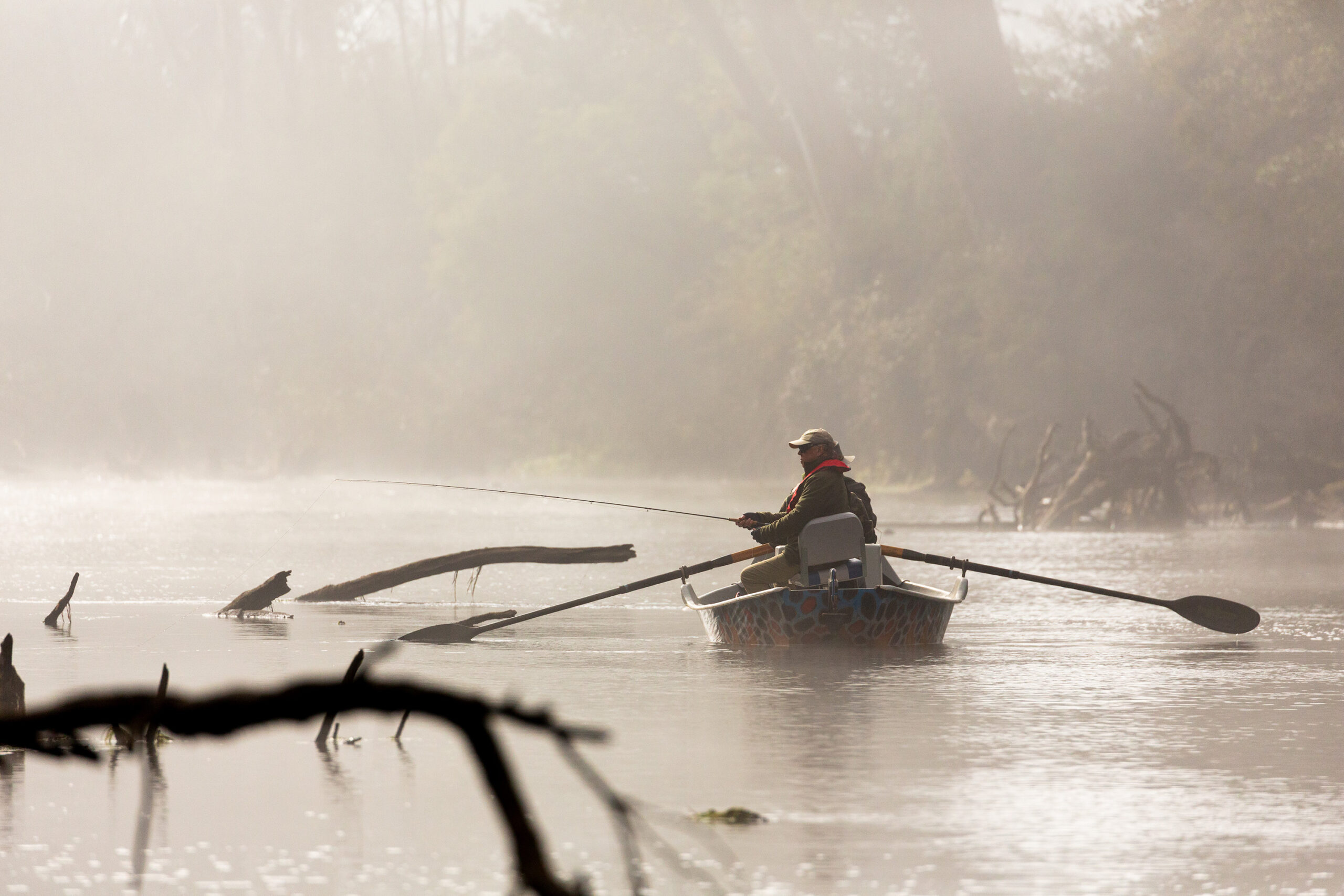
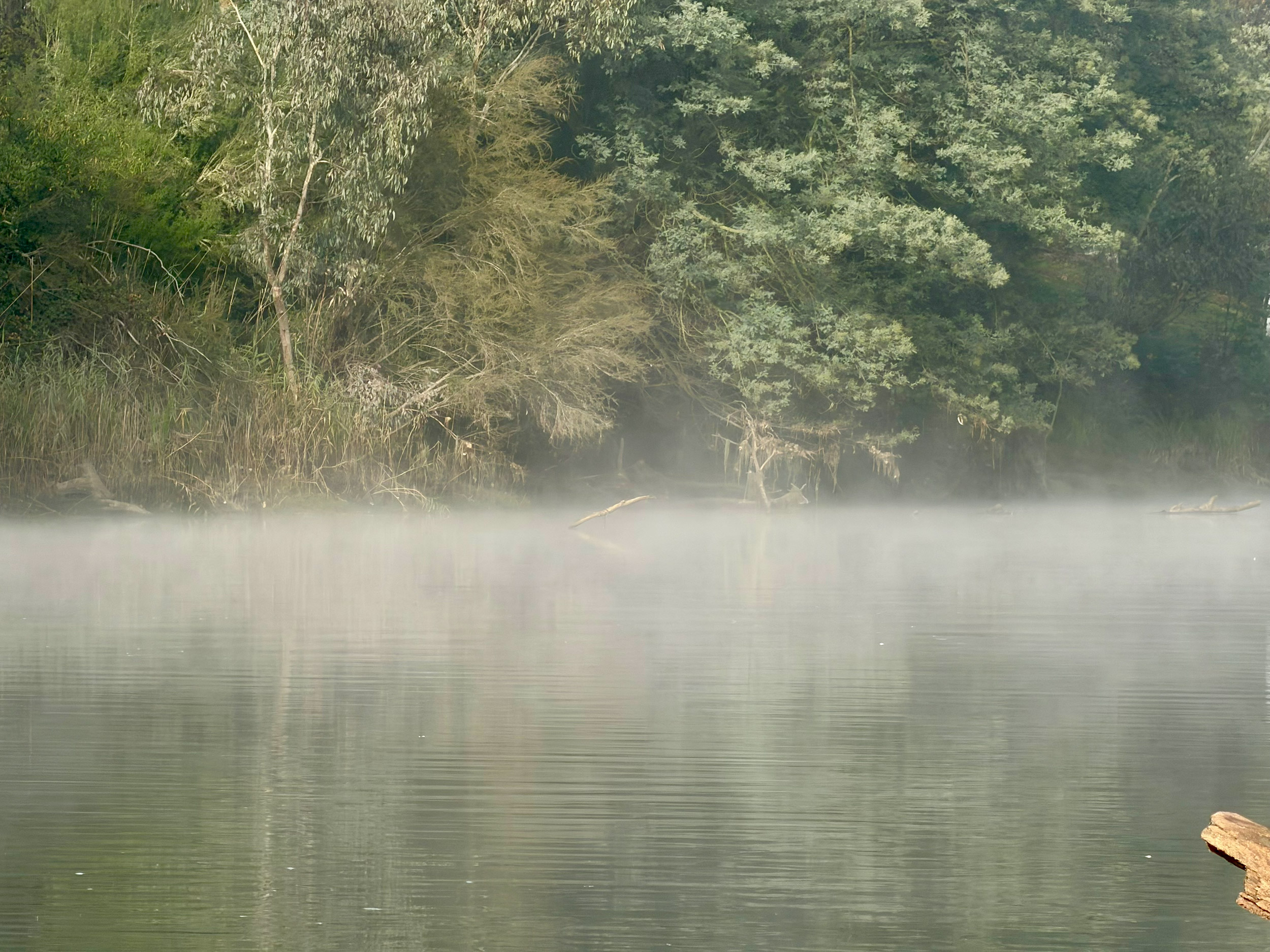
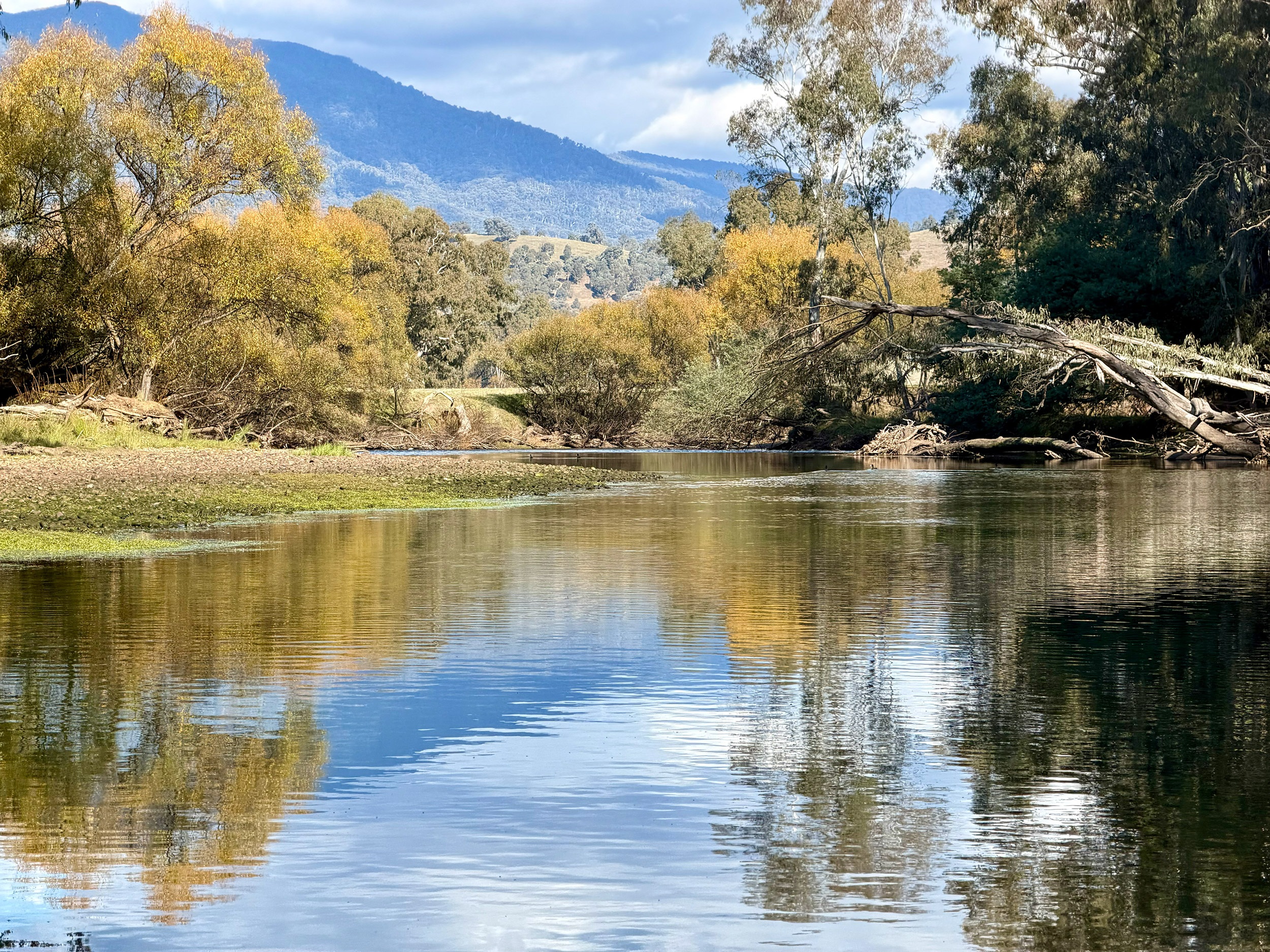
There is also something deeply Australian about these final weeks before the close. The willows begin shedding heavier leaves into the current. Mist hangs low over the flats early in the morning before lifting into pale blue skies. Black cattle stand motionless in frosted paddocks beside the river. Wedge-tailed eagles drift overhead in the middle of the day.

The landscape starts preparing itself for winter.

So do the trout.

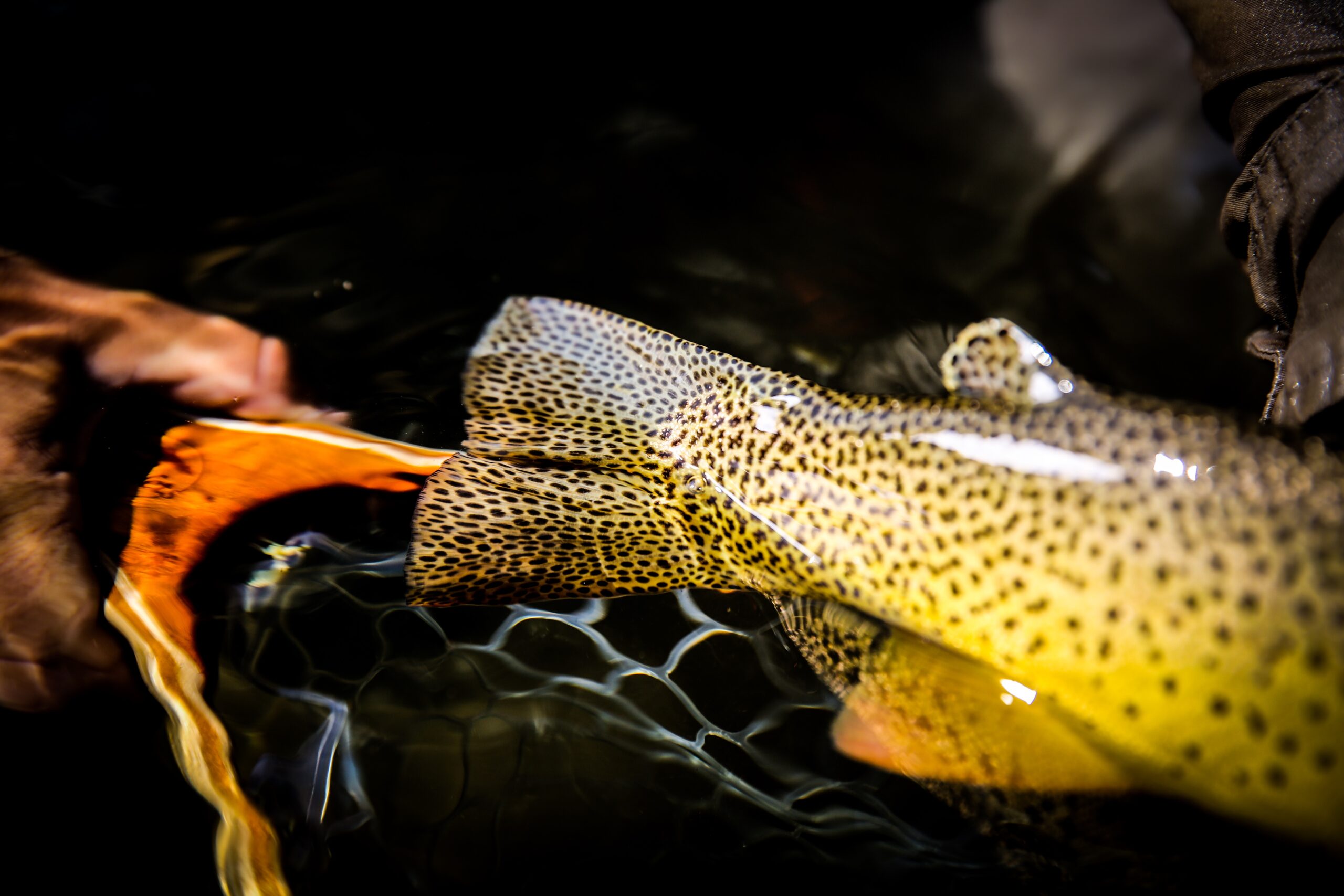
By now many fish are beginning to colour slightly ahead of spawning. Larger browns in particular can become increasingly territorial. It is important during this period that anglers fish responsibly and understand what the close season is intended to protect.

The annual winter closure exists for a reason. Wild trout need the opportunity to spawn with minimal pressure and disturbance. Healthy fisheries depend on restraint as much as opportunity. One of the privileges of living beside a river like the Goulburn is understanding that we are only temporary participants in something much older and more important than ourselves.

Good anglers eventually learn that not every season is supposed to be endless.

There is value in things stopping for a while.

In truth, many guides quietly welcome the close season too, even if we rarely admit it publicly. After months spent rowing boats, studying weather forecasts, preparing lunches, untangling knots and living by the rhythms of clients and river conditions, winter offers something increasingly rare in modern life.

Stillness.

Not complete stillness, of course. There are always fly lines to clean, boats to repair, bookings to organise and next season to prepare for. Winter workshops begin shortly after the rivers close and for many anglers this becomes one of the most productive learning periods of the year. Without the distraction of actively chasing fish, people often improve far more quickly.

The quieter months are also when future adventures begin taking shape.

New Zealand season planning is already underway for next summer. Montana preparations continue in the background as another American season slowly approaches. Maps are studied. Flights watched. Gear sorted. Conversations begin again around campfires, airport lounges and kitchen tables.

For many anglers, anticipation is half the enjoyment.

And perhaps that is part of why the final weeks of the local season carry a certain feeling to them. Not sadness exactly. More an awareness that another chapter is closing and another is already quietly forming somewhere beyond it.

A good guide notices these transitions after enough years.

The angle of the light changes. The birdlife changes. The pace of conversations in the boat changes. Even clients fish differently by late May. There is often less urgency and more appreciation. People linger longer at the take-out ramps. They stand quietly beside the river before driving home.

Some seasons pass almost unnoticed. Others leave an imprint behind.

This one certainly felt like the latter.

The Goulburn has again produced some remarkable fishing at times this year. Vignettes rather than sustained glory.

There have been difficult periods too, as there always are. Yet the river continues to remind us why tailwater fisheries remain so compelling. No two drifts are ever truly identical. Conditions evolve daily. One afternoon can humble you completely while the next restores every ounce of confidence you thought you had lost.

That uncertainty is part of the attraction.

It always will be.

As we move toward winter, we will continue sharing a mixture of technical pieces, seasonal observations and stories from further afield here on the blog. There is also another long-term project slowly nearing completion in the background, one that has occupied many quiet evenings over recent years.

More on that in due course.

For now though, there are still a few weeks left.

A few final drifts.
A few cold mornings.
A few trout still rising carefully in soft autumn light.

And for anglers willing to slow down enough to notice, late May may still hold some of the finest fishing of the season.


Late May on the Goulburn, and Why the Quiet Weeks Still Matter

By the third week of May, the Goulburn begins to feel as though it is speaking more quietly.

The river is still open. The trout are still there. In many cases they are feeding beautifully. But the tone changes. The bright urgency of spring and summer fades into something more measured. The mornings arrive colder. The shadows stretch further across the water. The anglers who remain are usually the ones who genuinely want to be there.

For many people, the season feels all but over by now. Football has returned. Frost settles across the paddocks at daylight. The forecast no longer carries the promise of warm evenings and careless rises. Yet late autumn often produces some of the most satisfying fishing of the entire season.

Not because it is easy.

Because it asks something different of you.

The river itself changes first. Aquatic weed that grew thick through summer begins to thin. Long slicks of clean walking-speed water reappear. The current takes on definition again. Seams sharpen. Bubble lines become easier to read. Fish that spent much of summer spread through fast oxygenated water begin holding in slower, softer lies.

The insects change too.

The big summer terrestrials are mostly gone now. Just a few crickets and beetles remain. Late autumn on the Goulburn becomes a smaller, quieter game. Tiny Baetis mayflies appear through the middle of the day. Midges gather in the softer edges during calm conditions. Some afternoons still produce surprisingly steady dry fly fishing, but rarely with the recklessness of early season. These fish feed with far more caution now.

You find yourself fishing longer leaders, finer tippets and smaller flies.

And strangely, many experienced anglers enjoy this more.

There is less noise around the river in May. Less racing from run to run searching for obvious surface activity. The fishing slows down in the best possible sense. Anglers begin watching more carefully again.

A trout rising steadily in late May often feels more significant than twenty careless summer fish.

There is also something deeply Australian about these final weeks before the close. The willows begin shedding heavier leaves into the current. Mist hangs low over the flats early in the morning before lifting into pale blue skies. Black cattle stand motionless in frosted paddocks beside the river. Wedge-tailed eagles drift overhead in the middle of the day.

The landscape starts preparing itself for winter.

So do the trout.

By now many fish are beginning to colour slightly ahead of spawning. Larger browns in particular can become increasingly territorial. It is important during this period that anglers fish responsibly and understand what the close season is intended to protect.

The annual winter closure exists for a reason. Wild trout need the opportunity to spawn with minimal pressure and disturbance. Healthy fisheries depend on restraint as much as opportunity. One of the privileges of living beside a river like the Goulburn is understanding that we are only temporary participants in something much older and more important than ourselves.

Good anglers eventually learn that not every season is supposed to be endless.

There is value in things stopping for a while.

In truth, many guides quietly welcome the close season too, even if we rarely admit it publicly. After months spent rowing boats, studying weather forecasts, preparing lunches, untangling knots and living by the rhythms of clients and river conditions, winter offers something increasingly rare in modern life.

Stillness.

Not complete stillness, of course. There are always fly lines to clean, boats to repair, bookings to organise and next season to prepare for. Winter workshops begin shortly after the rivers close and for many anglers this becomes one of the most productive learning periods of the year. Without the distraction of actively chasing fish, people often improve far more quickly.

The quieter months are also when future adventures begin taking shape.

New Zealand season planning is already underway for next summer. Montana preparations continue in the background as another American season slowly approaches. Maps are studied. Flights watched. Gear sorted. Conversations begin again around campfires, airport lounges and kitchen tables.

For many anglers, anticipation is half the enjoyment.

And perhaps that is part of why the final weeks of the local season carry a certain feeling to them. Not sadness exactly. More an awareness that another chapter is closing and another is already quietly forming somewhere beyond it.

A good guide notices these transitions after enough years.

The angle of the light changes. The birdlife changes. The pace of conversations in the boat changes. Even clients fish differently by late May. There is often less urgency and more appreciation. People linger longer at the take-out ramps. They stand quietly beside the river before driving home.

Some seasons pass almost unnoticed. Others leave an imprint behind.

This one certainly felt like the latter.

The Goulburn has again produced some remarkable fishing at times this year. Vignettes rather than sustained glory.

There have been difficult periods too, as there always are. Yet the river continues to remind us why tailwater fisheries remain so compelling. No two drifts are ever truly identical. Conditions evolve daily. One afternoon can humble you completely while the next restores every ounce of confidence you thought you had lost.

That uncertainty is part of the attraction.

It always will be.

As we move toward winter, we will continue sharing a mixture of technical pieces, seasonal observations and stories from further afield here on the blog. There is also another long-term project slowly nearing completion in the background, one that has occupied many quiet evenings over recent years.

More on that in due course.

For now though, there are still a few weeks left.

A few final drifts.
A few cold mornings.
A few trout still rising carefully in soft autumn light.

And for anglers willing to slow down enough to notice, late May may still hold some of the finest fishing of the season.


30 Years on the Goulburn…  and What the River Still Teaches

There’s a moment most experienced anglers eventually recognise.

It usually arrives quietly.

Not with a trophy fish or a perfect cast, but somewhere in the middle of an ordinary day on the water. The sort of day where the light changes unexpectedly, the wind swings upstream, the hatch never really develops, and the fish stop behaving the way they were “supposed” to.

That’s when experience begins to reveal itself.

Not as ego.
Not as bravado.
Not as stories about the past.

But as judgement.

Over the last three decades, I’ve spent thousands of days on rivers; most of them from the oars of a drift boat on the Goulburn. Long enough to watch floods reshape entire bends. Long enough to remember pools before they filled with gravel, and willow lines before they collapsed into the current. Long enough to guide fathers, then years later guide their sons.

And somewhere along the way, I realised that the real value of experience has very little to do with knowing where fish sit.

Most competent anglers eventually learn that.

The deeper lessons are slower.

They involve timing.
Pacing.
Observation.
Restraint.

Knowing when to push on and when to stop early.
Knowing when a client needs technical advice — and when they simply need confidence.
Knowing that a river can look perfect and fish terribly, while another that appears lifeless might suddenly come alive in the final hour of daylight.

The river teaches patience to those willing to stay long enough.

Modern fly fishing moves quickly now. Images travel instantly. A single good season can create the appearance of long familiarity. Social media compresses time in strange ways.

But rivers still resist shortcuts.

A tailwater in perfect condition may fish beautifully for a week. Learning how it behaves across droughts, floods, heatwaves, irrigation changes, insect cycles, angling pressure and shifting seasons takes years. Sometimes decades.

The same applies to guiding people.

After enough seasons, you begin to understand that every angler arrives carrying something different onto the river. Some are there to learn. Some to escape pressure at work. Some are quietly grieving. Some simply want one good day outdoors before age or health begins closing doors.

The fishing matters enormously.
But it’s rarely the only thing happening.

That understanding changes the way you guide.

In my younger years I probably measured success too narrowly. Fish numbers. Big days. Happy photos at the boat ramp. Over time, the work became more about creating an experience that felt calm, generous and memorable — even when conditions were difficult.

Some of the best days I can remember involved surprisingly few fish.

A mayfly hatch drifting through evening light.
A father watching his son row a drift boat for the first time.
A quiet lunch beside a river after rain.
An eagle lifting from a red gum downstream.
The shared silence that sometimes settles over a boat late in the afternoon when everybody realises they’re exactly where they want to be.

Those moments are harder to market than bent rods and grip-and-grin photographs.
Yet they’re often the memories people carry longest.

The drift boat itself has shaped much of how I see rivers.

From the oars, you learn to think ahead constantly. To read currents before you reach them. To notice subtle seams and pressure lines. To anticipate where problems may emerge before they become visible to others. Over years, that habit extends beyond rowing. It changes the way you observe water, weather and people alike.

Experience, in that sense, becomes less about accumulated information and more about accumulated perspective.

And perhaps that’s why many anglers seem to change as they grow older.

The obsession with proving oneself gradually softens.
The need to catch the most fish fades slightly.
The appreciation for atmosphere deepens.

You begin noticing things that younger anglers often rush past:
the smell of rain on river grass,
the sound of oars against current,
steam lifting from cold water at dawn,
the strange comfort of returning to familiar rivers year after year.

These days I find myself increasingly grateful for continuity.

For old clients who still call every season.
For rivers that continue to surprise me despite decades spent on them.
For the privilege of making a life outdoors.
And for the understanding that fly fishing, at its best, has always been about far more than trout.

Rivers change.
People do too.

The older I get, the less this work feels about proving expertise and the more it feels about helping others experience these places properly; perhaps for the first time, perhaps for the last.

Experience, in the end, is not simply about years spent on the water.

It is about learning to notice what matters.

Ant


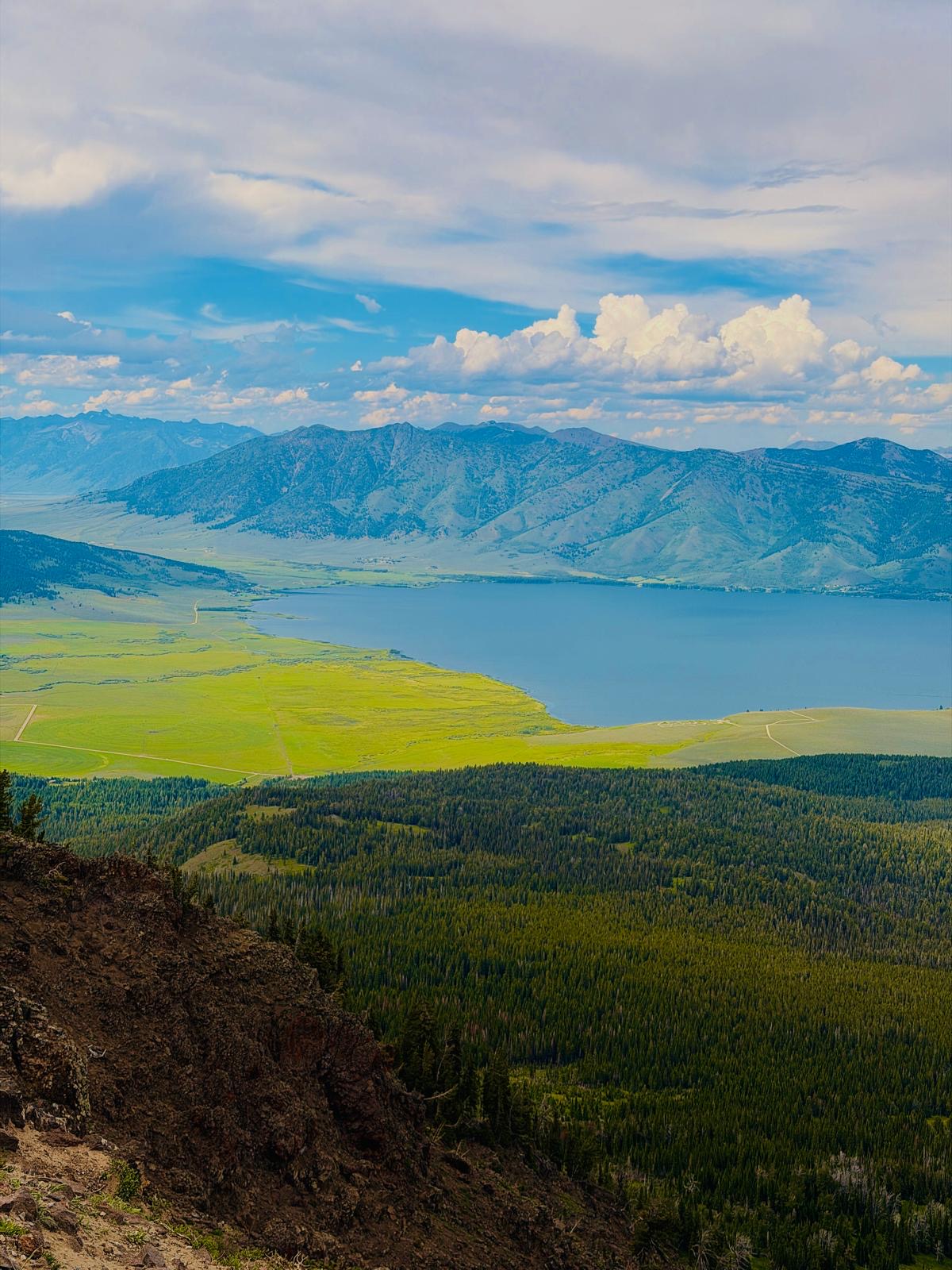
I’m writing this from the porch of a cabin in Montana.

The sun has long since dropped behind the hills. A few swallows are still working the evening air. Somewhere downstream, somebody is probably tying on one last fly before dark. The river keeps moving through the valley the same way it did yesterday and the same way it will tomorrow.

It’s a scene I’ve been fortunate enough to witness many times.

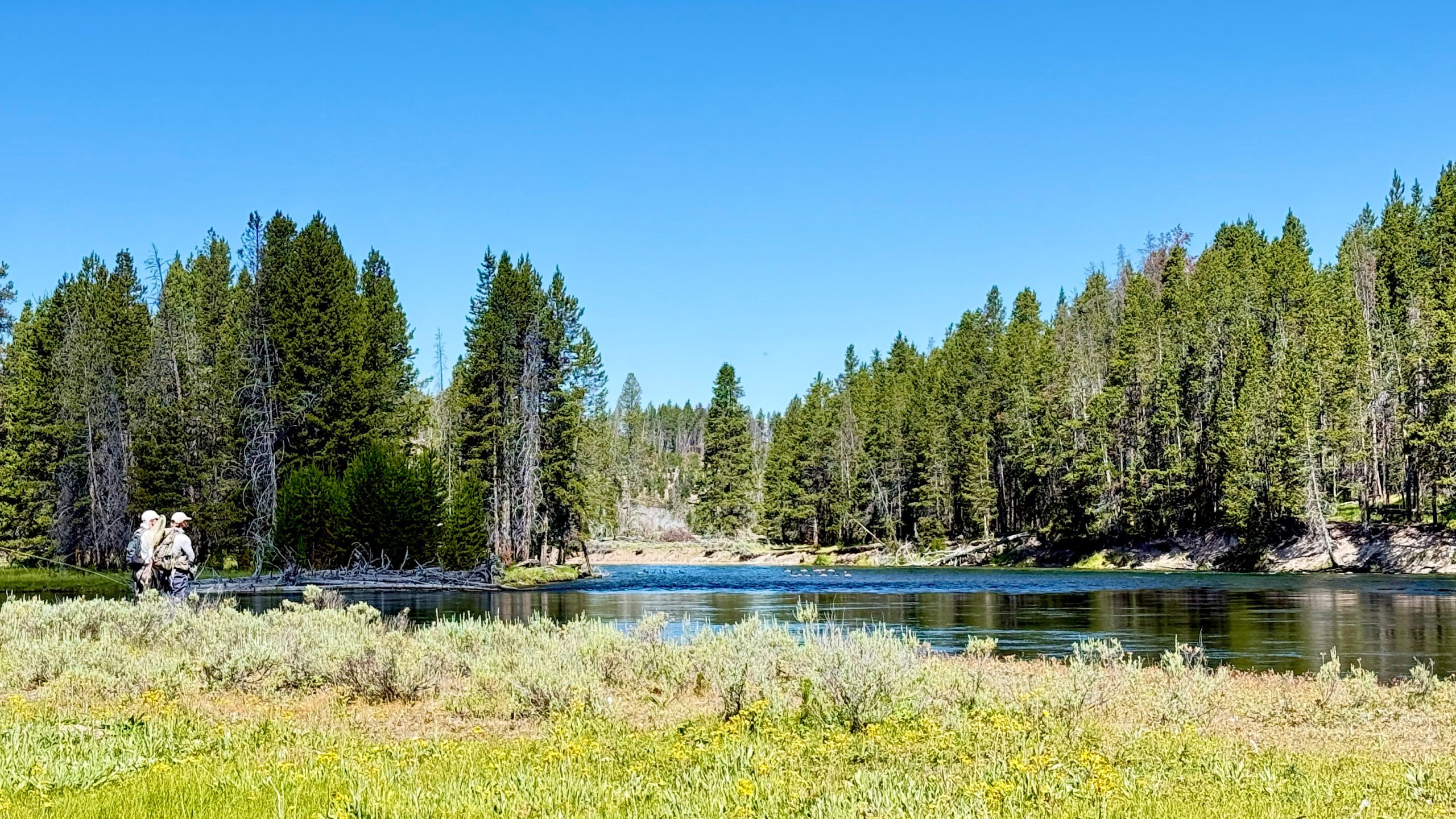
For nearly a month we’ve been travelling across Montana’s trout country, fishing the Missouri, the Madison, the Yellowstone and a handful of smaller waters in between. The days develop their own rhythm. Coffee before daylight. Long drifts. Late lunches. Stories over dinner. Then the familiar conversation each evening about where to fish tomorrow.

I’ve been making this journey for years. Not as a guide. The local guides here do an outstanding job of that, and besides, I’d rather avoid testing American immigration law. I simply organise the logistics and share the experience with a small group of anglers who return year after year. Over time many have become friends.

What began as a fishing trip has evolved into something else entirely; a seasonal pilgrimage of sorts. An Australian winter exchanged for an American summer. A chance to spend time on remarkable rivers with good people. And, strangely enough, a chance to think more clearly about home.

I’ve noticed this before. The further I travel from Australia, the more I seem to think about it. Perhaps distance sharpens perspective. Perhaps it simply slows life down enough to notice things that are easy to miss when you’re busy paying bills, answering emails and rushing from one commitment to the next. Whatever the reason, Montana often leaves me reflecting on Australia.

Not in the loud political sense that dominates television panels and social media arguments. Something quieter than that. Something closer to affection.

I grew up in an Australia that felt different from today’s version. Not perfect — no sensible person would claim that — but there was a certain confidence to it. A sense that most people were broadly pulling in the same direction. Communities felt more connected. Institutions seemed more trusted. The future felt less uncertain.

Maybe every generation eventually says something similar. Maybe that’s simply what ageing looks like. But over the past few years I’ve found myself having the same conversation repeatedly with people from very different backgrounds. Doctors. Tradesmen. Farmers. Teachers. Business owners. Retirees.

The details vary. The underlying feeling rarely does.

Something feels different.

Not necessarily worse in every respect. Just different. And perhaps that uncertainty is what so many people struggle to articulate.

Rivers teach an interesting lesson about change. Most rivers don’t transform overnight. A bank collapses here. A gravel bar forms there. One flood moves a little more timber downstream. Year by year the alterations appear minor. Yet return after a decade and the river may be almost unrecognisable.

Countries can feel the same.

The changes arrive gradually enough that we barely notice them while they’re occurring. Then one day, often from a distance, we find ourselves looking back and wondering exactly when things began to feel different.

The older I get, the less interested I become in pretending to have answers. Guiding has cured me of that. Spend enough time on rivers and you develop a healthy respect for complexity. Conditions change. Fish behave unexpectedly. Predictions fail. Certainty becomes harder to maintain.

What remains useful is observation.

Paying attention.

Listening carefully.

Trying to understand what you’re seeing before rushing to conclusions.

Perhaps that’s one of the reasons I started this blog. Not to tell people what to think. Not to win arguments. Certainly not to lecture anyone. Simply to create a small space for reflection.

Some posts will be about fishing. Some will be about travel. Some will be about rivers, history, books, people and places. And occasionally they may wander into larger questions about the country we live in and the society we’re creating together.

After thirty years spent guiding, I’ve come to believe that thoughtful conversations still matter. So does curiosity. So does the willingness to listen to people whose experiences differ from our own.

The river has taught me that as well.

For now, the light has almost disappeared from the valley. Tomorrow we’ll launch the boats again before sunrise. The trout won’t care about politics, economics or the direction of modern society. They never do.

The river will simply continue flowing downstream as it always has.

And somewhere between here and home, I’ll probably keep thinking about Australia.

Ant


Author Bio

Anthony Boliancu is the owner of Goulburn Valley Fly Fishing Centre and one of Australia’s most experienced Drift Boat Guides. He has spent more than three decades guiding anglers across Victoria, New Zealand and North America. Through Between Casts, he explores fly fishing, travel, history, philosophy and the larger currents shaping the world around us.


There is a moment I’ve watched countless times over the years, usually sometime after the first hour beside a river.

A child arrives full of movement and noise. They rush ahead along the bank. They throw sticks into the water. They ask how many fish they’re going to catch before the rod is even assembled. Their attention flickers constantly from one thing to another, shaped by a world that increasingly rewards speed, stimulation and immediate results.

Then, gradually, something changes.

The river begins slowing them down.

Swap Screens for Streams

It rarely happens all at once. Sometimes it’s while untangling fly line for the third time. Sometimes it’s after spotting their first trout holding quietly beneath an undercut bank. Sometimes it’s while watching a mayfly drift naturally through a current seam. Occasionally it arrives much later, sitting around a campfire with tired legs, damp boots and the faint smell of river mud still clinging to their clothes.

But eventually, if they stay long enough, the pace changes. Their eyes sharpen. Their movements soften. They begin paying attention properly. And in a world increasingly built around distraction, that feels more important than ever.

Over the last thirty years I’ve taught fly fishing to hundreds of children. Some arrived already obsessed with fishing. Others had clearly been dragged along reluctantly by well-meaning parents hoping to get them outdoors for a few hours. Many began the day impatient, uncertain or slightly overwhelmed. Yet rivers have a peculiar way of drawing people in. Not through entertainment. Not through force. But through attention.

I’ve seen it happen so many times that I’ve almost come to expect it. The child who can’t stop talking becomes absorbed in watching a trout rise. The teenager who would rather be somewhere else suddenly starts asking questions about insects. The boy who spends half an hour complaining about casting refuses to leave the river once fish begin feeding. The process is rarely dramatic. It simply unfolds one observation at a time, one cast at a time, one small discovery at a time.

Perhaps that’s because rivers offer something increasingly rare: participation in the real world.

Not scrolling. Not consuming. Not watching somebody else’s experience unfold on a screen.

Participation.

Cold water around your legs. Wind changing direction unexpectedly. A trout refusing a perfectly good fly. Rain arriving sooner than forecast. The satisfaction of finally getting something right after several failed attempts. None of these experiences can be rushed.

And perhaps that is why rivers teach so effectively.

Not through lectures.

Through consequence.

A rushed cast tangles. A careless step sends fish fleeing. Impatience rarely improves outcomes. Eventually most children begin adapting naturally because the river quietly requires it.

One of the unexpected privileges of doing the same job for thirty years is occasionally watching time complete a full circle. Every now and then a former junior client returns with children of their own. I still remember some of them arriving as teenagers, learning to cast on the lawns outside the lodge or stumbling their way through their first attempts at reading water. Years later they return as parents, standing beside the same river, teaching the next generation.

Those moments remind me that fly fishing has never really been about fish. At least not entirely. The fish provide the reason to go. The river provides something deeper.

Modern childhood isn’t easy. Children today inherit a world filled with constant stimulation. Phones, notifications, streaming services, social media and algorithms compete relentlessly for attention. None of that makes young people weaker than previous generations. Every generation inherits the world it is born into. But I do think many children are quietly hungry for experiences that feel real.

Rivers provide exactly that.

Outdoors, things do not revolve around convenience. Fish refuse flies. Wind knots appear. Wading becomes difficult. Weather changes unexpectedly. Sometimes nothing happens for long periods at all. Oddly enough, those frustrations often become part of the value because somewhere along the way children begin learning patience without being directly taught patience.

That distinction matters.

The best outdoor experiences rarely feel educational while they’re happening. Yet years later, the lessons remain.

Confidence develops this way too. Not the loud, performative confidence that dominates much of modern culture, but the quieter kind that emerges through small earned successes. Learning to tie a knot independently. Spotting a fish without assistance. Making a difficult cast properly for the first time. Crossing a section of river safely. Landing a trout after several failed attempts.

I’ve watched shy children become noticeably more confident over the course of a single day. Not because someone gave them a motivational speech, but because they solved problems themselves. Confidence arrives differently outdoors. It has to be earned.

Fly fishing also introduces children to a different relationship with time. Most modern activities are built around urgency, quick results and constant stimulation. Rivers operate differently. They ask people to slow their thinking, to observe before acting, and to understand that worthwhile things often require patience and repetition.

Very few children arrive naturally patient. Very few adults do either.

But after enough hours beside moving water, the pace of thought itself often changes.

I’ve seen it repeatedly on family trips, beginner workshops and countless afternoons on the Goulburn. Early excitement gives way to concentration. Then concentration gives way to stillness. Eventually children start noticing things beyond the fish entirely: the smell of rain approaching through river gums, dragonflies hovering above slow water, mist lifting from the river at dawn, and the sound of current against the side of a drift boat.

These details matter because they create memory.

Long after individual fish are forgotten, people remember atmosphere. They remember the first trout they saw rise properly. They remember soup beside a river on a cold day. They remember a father helping untangle fly line. They remember drifting quietly downstream while somebody they trusted sat on the oars behind them.

Those moments become part of family history.

Looking through old photographs now, many of them show exactly the same thing. Twelve-year-old boys standing knee-deep in the Goulburn, rods in hand, concentrating completely on the water in front of them. One of those boys happens to be my son. Others belong to families I’ve known for years.

Swap Screens for Streams

What strikes me isn’t the fish they caught.

It’s the look on their faces.

They’re present. Completely present. No notifications. No distractions. No hurry. Just a river, a fly rod and a world that suddenly feels large and interesting again.

As I get older, I increasingly believe children need places where the modern world loosens its grip for a while. Rivers still offer that. Not because they reject modern life entirely, but because they reconnect people with older rhythms: weather, light, water, movement, attention and silence.

The beauty of fly fishing is that children do not need to become expert anglers for any of this to matter. Sometimes a few hours beside moving water is enough.

Years later they may not remember the exact fly pattern they used or the technical details of casting. But they may remember walking through mist before sunrise. They may remember their first glimpse of a trout in clear water. They may remember the smell of wet grass after rain, or the feeling of drifting quietly downstream on a river that seemed impossibly large at the time.

Those memories stay surprisingly deep.

And perhaps that is why so many adults eventually find themselves returning to rivers later in life. Not simply to catch fish, but to reconnect with a slower, quieter and more attentive part of themselves that they first encountered outdoors many years earlier.

Rivers give children many things: patience, perspective, confidence, attention and connection to the natural world.

But perhaps most importantly, they give them experiences that feel genuinely real in an increasingly artificial age.

And that may matter now more than ever.

Ant


By the time we crossed the Tasman again, New Zealand had started to feel almost mythical.

Not because the rivers had changed, or because the mountains had somehow become grander during the years we were locked away, but because absence has a way of sharpening memory. The last full season we completed before the world closed down was 2019–2020. Back then, news reports played quietly in the background while we guided. Every few days another border tightened somewhere. Another flight route vanished. Another country introduced restrictions that seemed unimaginable only weeks earlier.

The no-name creeks in New Zealand are out of this world - New Zealand Season Review

We finished that season with the uneasy feeling that something larger was approaching.

Then suddenly the world stopped moving.

Like most people, we assumed normality would return far sooner than it did. Instead, seasons passed. Summers disappeared. Rivers we had walked for decades became inaccessible. Clients postponed trips repeatedly, unsure whether international travel would ever truly feel straightforward again. For many anglers, New Zealand slowly drifted from being a destination on next year’s calendar into something that felt more like a memory.

When the opportunity finally arrived to return for the 2022–2023 season, it felt significant in ways that had very little to do with fishing alone.

Back home, much of Victoria was dealing with floods. Familiar stretches of the Goulburn sat beneath heavy discoloured water. Roads were closed. Riverbanks had disappeared. Uncertainty lingered over much of the region. At the same time, reports filtering across from Southland spoke of stable weather, clear rivers and an unusually warm start to summer.

Eventually the decision became obvious.

We loaded the gear, pointed ourselves toward New Zealand and left.

Officially it was a fishing trip before the main hosted season began. Unofficially, I suspect most of us understood it was something else as well.

A reset.

A chance to breathe again.

There is something psychologically restorative about arriving in New Zealand after a long absence. The scale of the country immediately alters your thinking. The valleys seem wider. The rivers colder. The distances between places somehow larger. Even the quality of the light feels different.

For the first few days we based ourselves in Te Anau while our usual accommodation at Dunrobin continued undergoing renovations. It hardly mattered. We were simply happy to be back. The Eglinton, Waiau and Whitestone greeted us with excellent conditions. Dry flies drifted through clear currents once again. Brown trout slid from undercut banks to inspect presentations. Familiar routines, dormant for years, returned almost immediately.

That was perhaps the strangest part of all.

How quickly it came back.

The feel of cold water pressing against your legs. The crunch of gravel beneath wading boots. The instinctive scanning of seams and current lines. The quiet concentration required to stalk visible trout properly. After years dominated by restrictions, uncertainty and cancelled plans, standing in clear New Zealand water again felt deeply restorative.

Not triumphant.

Just quietly right.

One afternoon in the Eglinton Valley we encountered a wounded deer attempting to cross the river. Its pelvis appeared badly broken and we assumed the current would sweep it away almost immediately. Instead, against all logic, it fought through the flow and somehow reached the far bank.

I still remember all of us standing there silently watching it disappear into the grass.

Out there, moments like that tend to linger longer than fish.

Eventually we returned south toward Dunrobin, the farm that has become our seasonal home in New Zealand over so many years. There is always a particular feeling driving back into that valley after time away. Familiar fences. Familiar hills. The Aparima winding quietly through the flats below the house. Some places slowly become woven into your life whether you realise it at the time or not.

I first began guiding in New Zealand more than two decades ago. Over the years we’ve watched clients become friends, friends become regulars, and regulars become part of the extended family that forms around any long-running operation. The fishing remains important, of course, but after enough seasons the rivers become connected to something larger than trout.

They become connected to people.

The fishing itself reflected the conditions of the year. Southland was dry. Water levels dropped steadily as summer progressed and by late season many rivers had become exceptionally clear and technical. On famous systems such as the Mataura and Oreti, angling pressure concentrated around the sections still producing consistently.

That is the nature of modern New Zealand.

Information travels quickly. Social media accelerates everything. Rivers once considered remote no longer remain hidden for long.

Yet Southland still rewards anglers willing to move differently.

Again and again during that season, it was the smaller rivers and anonymous creeks that produced the most memorable fishing. Narrow streams winding quietly through farmland. Water too insignificant-looking for most travelling anglers to notice while driving past. Those rivers suited the season perfectly.

The fish were spaced carefully through long shallow glides, often occupying only the best pieces of structure in miles of water. Success demanded patience. Presentation mattered enormously. Rushing achieved very little. By late summer many trout required near-perfect drifts before moving confidently to a fly.

That challenge remains one of the great attractions of New Zealand fishing.

At its best, New Zealand rewards thoughtfulness. Observation. Restraint. The fish are not difficult because they are unusually intelligent. They are difficult because the environment is so honest. Clear water exposes every careless movement and every rushed decision. There is nowhere to hide from poor presentation in Southland.

Some evenings we fished the Waiau until darkness beneath heavy caddis and mayfly hatches. Those sessions became a highlight for many clients. Early dinners in Te Anau followed by twilight fishing beneath fading light while trout rose steadily through long slick currents. Not everybody chose those late evenings. Some preferred a whisky beside the fire back at the farmhouse, which is understandable too. But those who stayed often spoke about those sessions long after individual fish had blurred together.

That is something I have noticed repeatedly over the years.

People rarely remember trips purely because of fish.

They remember atmosphere.

They remember fatigue.

They remember weather, conversation, shared meals and unexpected moments.

Looking back now, what stays with me most strongly about that season is not any individual trout or river.

It is the feeling of movement returning.

Vehicles loaded before daylight. Clients arriving excited at Queenstown Airport. Guides discussing weather and river levels over breakfast. Wet waders hanging outside the farmhouse at dusk. The simple rhythm of travelling, fishing and sharing rivers together after several years when none of it seemed guaranteed.

Perhaps that is why the season carried such emotional weight.

The pandemic reminded us that experiences we assume permanent can disappear remarkably quickly. Travel. Friendship. Gathering together. Standing beside rivers in distant countries. None of it should be taken entirely for granted.

As the final weeks approached, autumn began edging slowly into the valleys. The season had come full circle.

And once again, the South Island reminded us why we continue returning year after year.

Not simply because the fishing remains exceptional, though it certainly does.

But because certain places eventually become intertwined with memory, friendship and identity itself.

After enough seasons, New Zealand stops feeling like somewhere you visit.

It starts feeling like somewhere that quietly becomes part of your life.

Ant