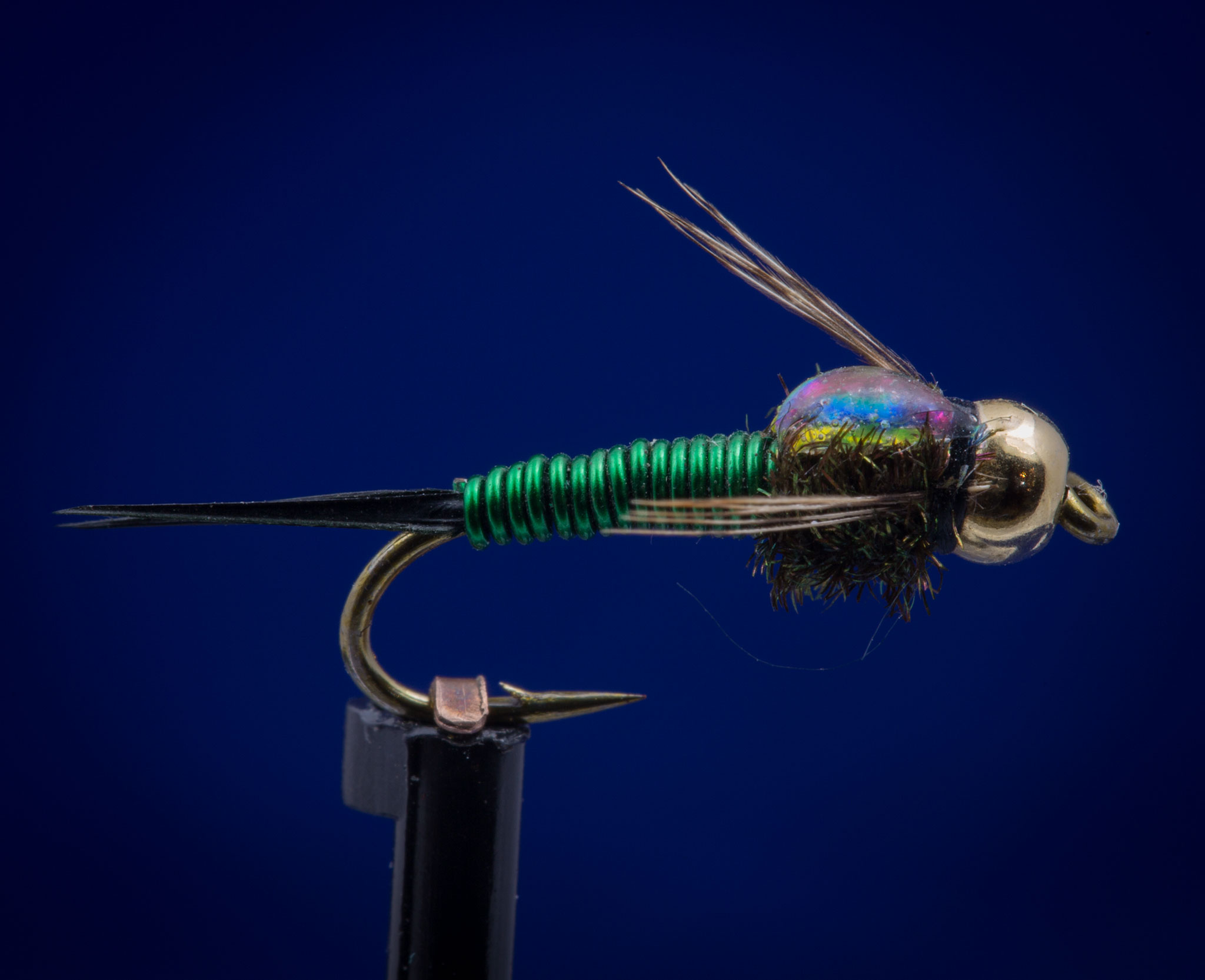
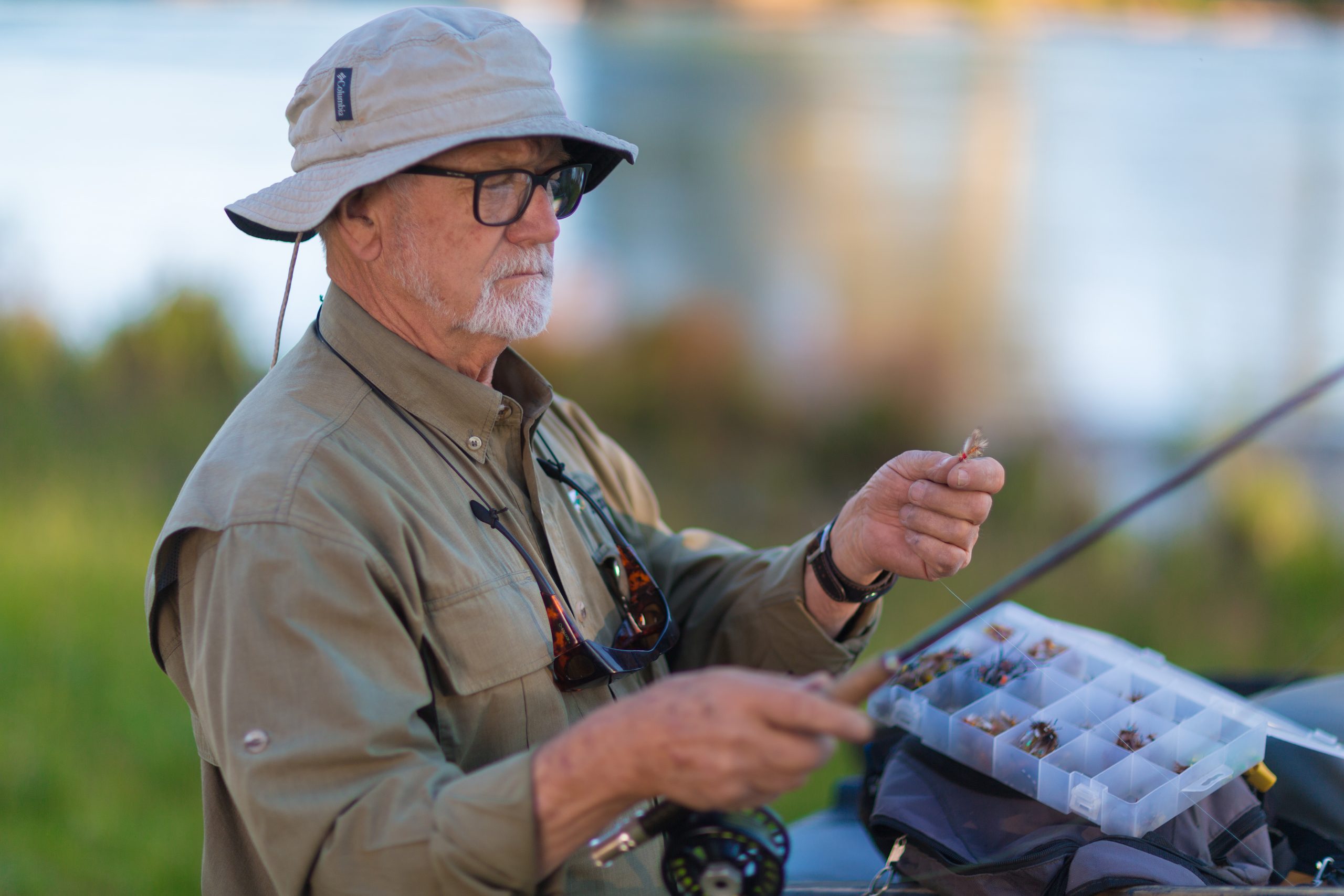
Tag: Trout Fishing

Before we left Australia, I wrote that for most of my adult life the rivers had dictated the journey.

They decided where I stayed, when I travelled, which roads I followed and how long I remained in any one place. Towns became useful because they sat beside water. Lodgings were judged by their proximity to boat ramps. Weather mattered because of what it might do to a hatch. Much of the American West entered my life through rivers first and everything else second.

This trip was different.

For the first time in sixteen years, my wife travelled with me. Our children came too. There were still rods in the vehicle and familiar stretches of water waiting to be revisited, but the rivers were no longer responsible for every decision. We began on the California coast, crossed the deserts of Nevada and Utah and gradually worked towards Idaho, Wyoming and Montana.

What surprised me, though, was how little I minded the days when we did not fish.

Without the usual urgency of clients, guides and trout, I had time to notice the places between the rivers. The diner where the coffee arrived before we had properly sat down. The service station attendant who wanted to know why four Australians were driving north through his town. The grain elevator standing above a Main Street that had outlived several versions of America. The old motel signs, the faded shopfronts and the roads that seemed to continue long after there was any obvious reason for them to do so.

These were not the destinations around which the journey had been planned. They were the spaces between them. Yet, looking back, they became much of what I remember most.

Manhattan Beach, before the road turned inland.


The first part of the trip belonged to the coast and the desert. After two nights in Santa Monica, the landscape began to open. Los Angeles receded into freeway, heat and distance, and the country changed in stages. The Pacific disappeared behind us. Palms gave way to scrub. The horizon widened. By the time we reached Nevada, the distances and dimensions of the West had started to reveal themselves again.

One of the first things the family noticed was the vehicle.

My wife had expressed some doubts before we left about the need for something quite so enormous. She had never done one of these long American road trips with me before, and from Australia the insistence on a Suburban or Denali-sized vehicle probably seemed excessive. I was equally insistent that anything smaller would be a mistake.

Within the first few hours, the argument was settled.

Everyone had their own large, deeply comfortable seat, their own air-conditioning and enough space around them to avoid feeling as though four people were living on top of one another for several weeks. The seats were closer to the sofas and recliners we have at home than anything most Australians would associate with a car. Bags, suitcases, food, jackets, fishing gear and the assorted debris of family travel disappeared into the back without compromising anyone’s comfort.

The sheer size of the vehicle suited the landscape. You sat higher above the road and felt more secure, but also more a part of the American road trip itself. A small vehicle might have been easier to park, but it would have felt entirely wrong on those long western highways.

It was also considerably cheaper to run than expected. Fuel was an eye-watering $5.50 a gallon in California, but by the time we reached Utah and continued north it had dropped towards four dollars, then closer to $3.50 in Montana. The Denali we ended up with was more fuel-efficient than my Ford Ranger at home, despite having twice the space, three times the power and an abundance of comfort. After several thousand kilometres, none of us wanted anything smaller.

Las Vegas is often described as a city in the desert, but that hardly captures the strangeness of it. It feels less like a city than a concentrated act of defiance. Glass, neon, air-conditioning, fountains and spectacle push up against a landscape that does not appear particularly interested in supporting any of it.

For three days we moved through that contradiction.

The children saw it with the kind of enthusiasm adults sometimes lose. The sheer scale of the hotels, the absurdity of the themed buildings, the crowds, the noise, the constant invitation to look at something else. It was a long way from home and a long way from the rivers that usually explain my presence in America.

From there, Utah arrived. The colour of the country changed first. Then its shape.

Crossing from Nevada into southern Utah.


The walls of Zion rose around us with an authority that photographs never quite manage to convey. The roads narrowed. The rock closed in. Light moved slowly across the canyon walls and every change in angle produced another version of the same place. Even after years of travelling through the West, it was difficult not to feel overwhelmed by it.

In Springdale, we hired electric bikes and rode all the way into the canyon to the end of the road. The weather was slightly overcast, holding the temperature somewhere in the high twenties or low thirties, rather than the oppressive heat we had expected. It turned what might have been an endurance exercise into one of the great days of the journey.

There were moments while riding when I looked up and the canyon walls appeared to rise hundreds, perhaps thousands, of feet directly above us. In places they seemed vertical. In others they appeared to lean beyond vertical and hang over the road. The scale was difficult to process from the seat of a bicycle. Deer scattered from the roadside as we passed, the air moved through the canyon and the walls changed colour whenever the light shifted or the road altered our angle of view.

Of everything we did, that ride through Zion may have been the highlight of the trip for me. There was no windscreen between us and the landscape, no searching for a parking space and no pressure to hurry. We simply rode beneath those walls and allowed the canyon to reveal itself gradually.

Riding the canyon road into Zion from Springdale.

Further east, the landscape opened again around Moab. Red cliffs, arches, distant mesas and heat that seemed to settle over everything. There were days when the temperature climbed well beyond forty degrees and the only sensible response was to retreat to a swimming pool and wait for the evening. The wildlife appeared only when the light faded and the day began to lose its sting.

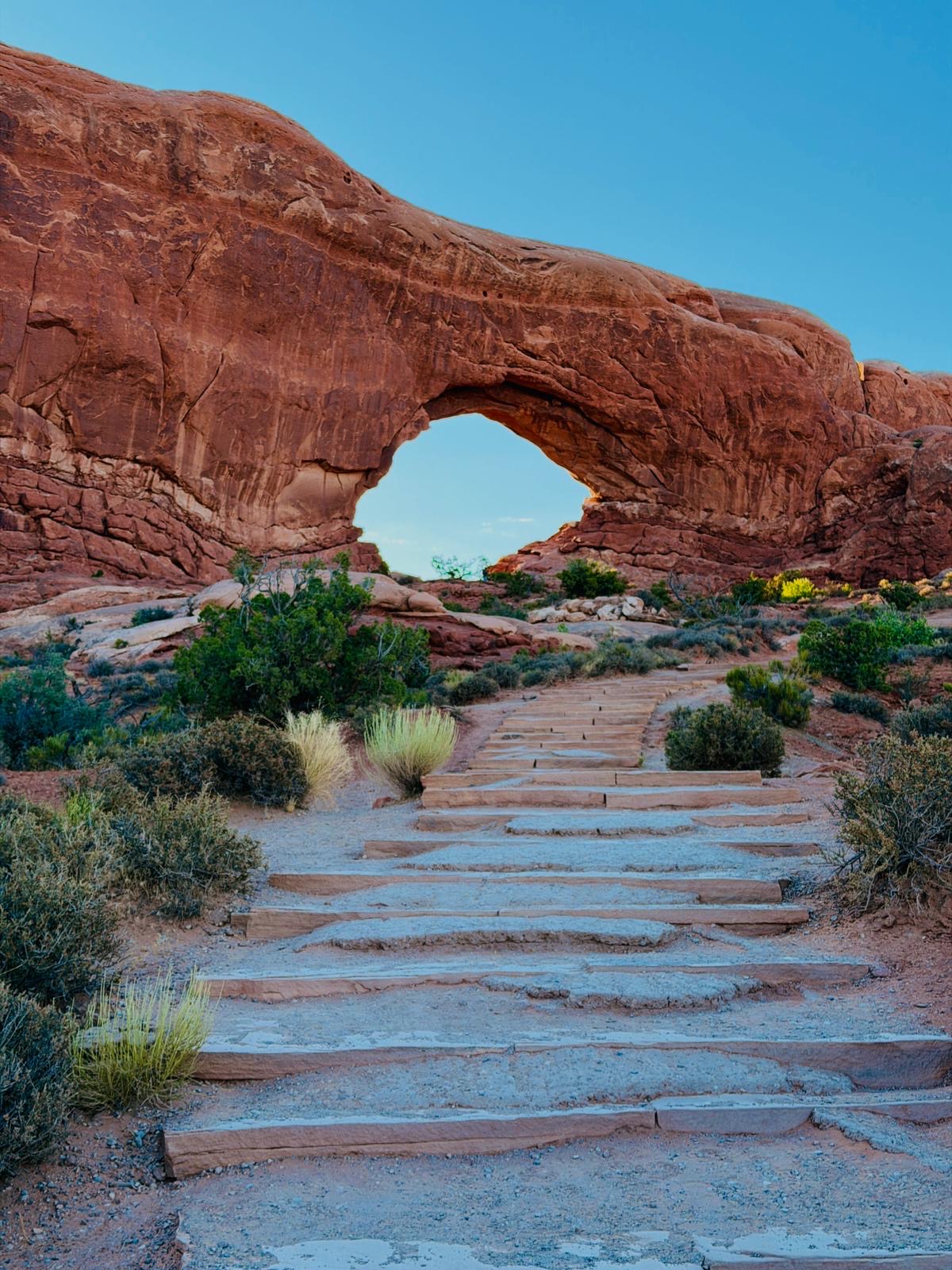
Moab itself and much of the immediate surrounding country can appear surprisingly drab beside the landscapes people have travelled there to see. Once you climb onto the plateau and enter Arches National Park, however, the country changes completely. The view as you crest that final rise is worth the price of admission alone.

The park is relatively compact, but every section seems to offer a different arrangement of stone. Arches, fins, balanced rocks and formations that appear too improbable to have survived rise from the plateau. As the hours pass, the light moves across them and the same landscape takes on an entirely different character. A formation that appears flat and colourless at midday can glow red and orange by evening, while another almost disappears into shadow.

Early light across Arches National Park.


The desert around Moab also offers a different kind of exploration. We took a float trip down the Colorado River, moving through a landscape that felt more remote from the water than it had from the road. Cliffs rose from the river, the heat settled across the canyon and the immensity of the country became apparent in a way it had not from the overlooks.

It was not trout country, but it was flowing water, and the pools, seams and eddies carried a language I understood.

The desert teaches a totally different form of patience. Rivers encourage movement. You walk, cast, drift, mend, adjust and search. The desert asks you to stand still. It works on a larger scale and over a slower timeframe. Nothing appears hurried, yet everything is changing. Wind reshapes sand just as water cuts stone. Shadows redraw the same wall over the course of an afternoon.

It is difficult to move through that country without becoming aware of your own smallness. That may be part of its appeal.

Most of us spend our lives surrounded by objects built to human proportions. Houses, roads, offices, cars, shops. In canyon country, scale becomes less reassuring. The land is older, larger and entirely indifferent to the fact that you have arrived with a camera and an itinerary. You feel that indifference the moment you step away from the roadway and into the landscape.

There were moments when the kids were bored. Moments when they were tired. Moments when the heat had stripped the novelty from the day. Then we would turn a corner, walk out onto another overlook or catch the last light on a distant cliff and everything would reset.

Travel often works that way. It is not one uninterrupted sequence of wonder. It is heat, traffic, wrong turns, hunger, fatigue and argument, interrupted by moments so complete they justify everything around them.

From Utah we headed north.

The country began to soften gradually. The red rock thinned. The air cooled. Trees returned in greater numbers. Somewhere beyond Salt Lake City, water began to appear more frequently beside the road.

That transition has always mattered to me and is a large part of why I tend to fly into Salt Lake City rather than taking the easier route directly into Bozeman. You can feel when you are entering trout country before you see the first river. The valleys change shape. Cottonwoods gather along drainage lines. Meadows become greener. Bridges begin to suggest water worth stopping for.

The South Fork of the Snake. The Henry’s Fork. The Teton. The Green. Names that have occupied my imagination for much of my adult life. Normally I would have begun organising the trip around them immediately. There would have been calls to friends, weather checks, hatch reports, river levels and quiet attempts to extract another day from the schedule.

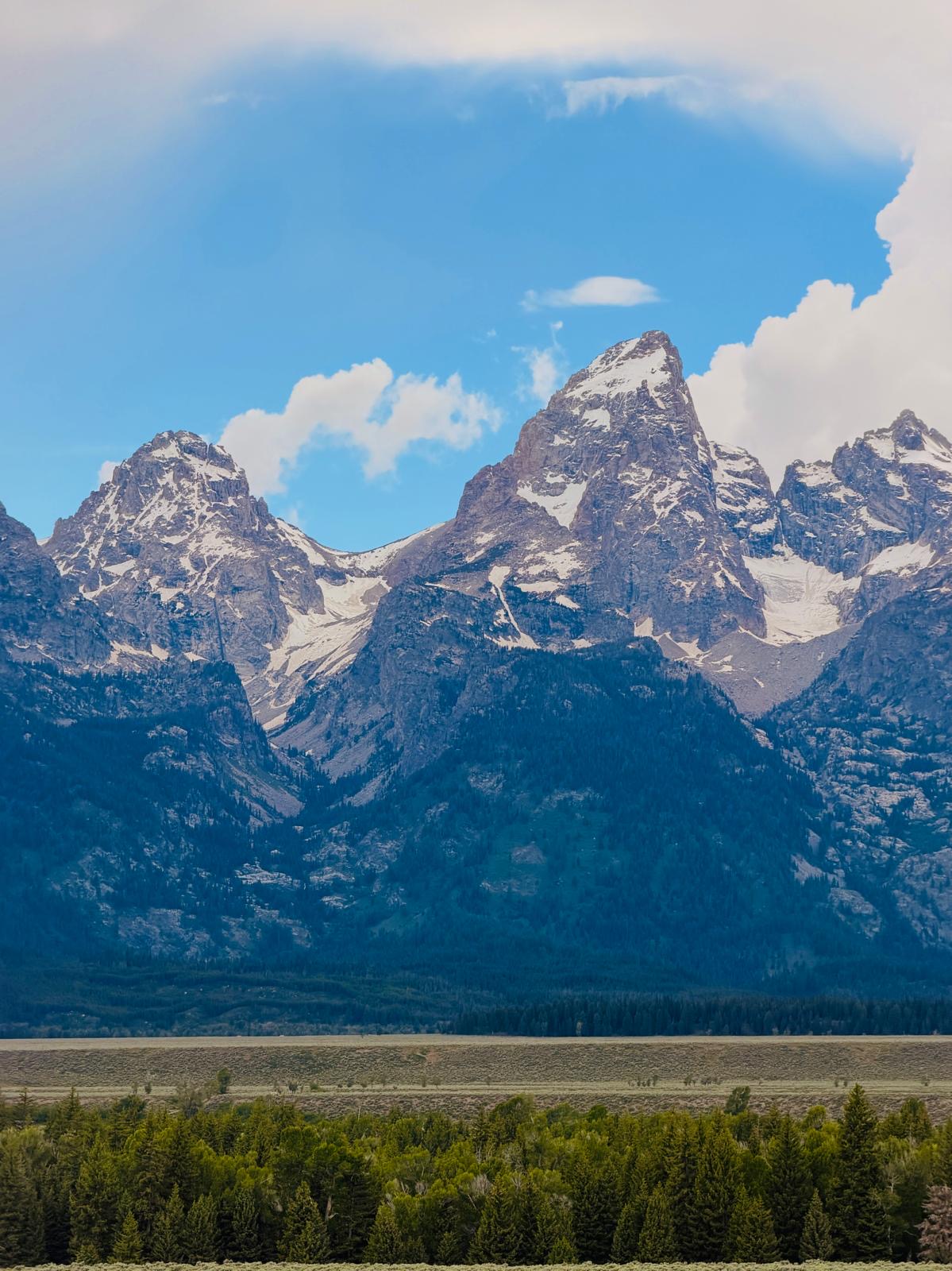
This time I found myself looking elsewhere. At the Tetons from the Wyoming side. At the long roads between small towns. At Jackson with its wooden boardwalks, antler arches and summer crowds. At the children trying to understand why certain places mattered more to us than others.

Sixteen years earlier, Maree and I had stood beneath the Tetons and been married with four witnesses, rising trout and a grizzly bear that had chosen the wrong morning for a walk. Returning with our children changed the meaning of the place.

Returning to the Tetons sixteen years after we were married beneath them.

The mountains were the same. The roads were familiar. The view from Schwabacher Landing had lost none of its power. Yet the experience was no longer anchored only to memory. It had become something shared.

That was the quiet change running through the entire trip.

For years, I had returned to the American West as a guide, host, angler or photographer. This time I was seeing familiar places reflected back through three other people. Their interests were not always mine. One child wanted shops, music and wildlife. The other wanted World Cup matches, activities and anything involving speed. My wife wanted us to slow down, walk the trails and make the most of whatever each day offered.

All of that altered the rhythm.

Island Park became our base for exploring Yellowstone and the surrounding country. It was also where we hired UTVs and travelled along mountain tracks through the forest towards Mesa Falls.

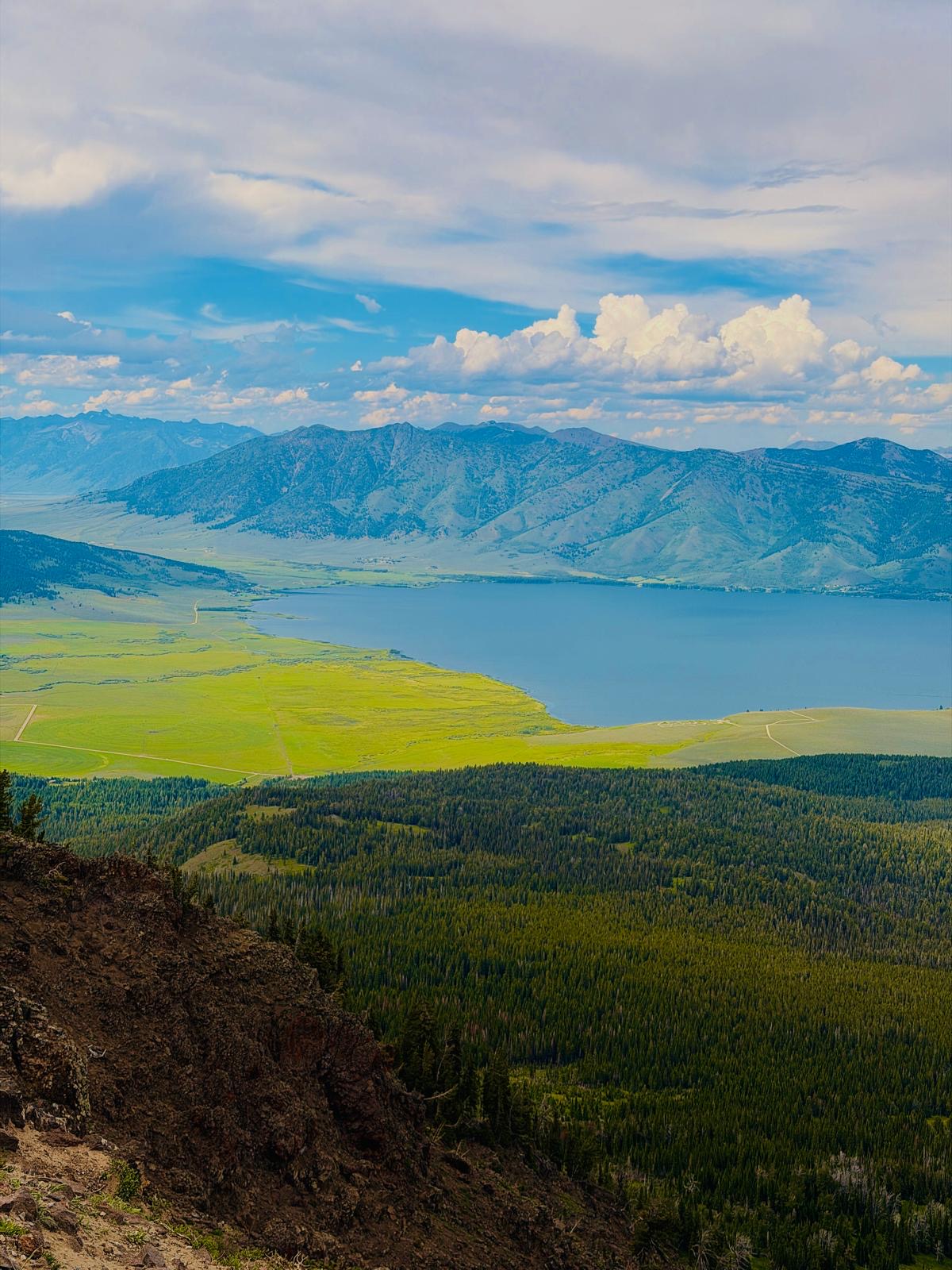
We drove to the top of Sawtelle Peak on a road that became narrower and steeper with every turn. By the time we reached the upper sections, I caught myself wondering whether I would be able to drive the UTV back down. The track clung to the mountain, the drop beside us became increasingly difficult to ignore and the summit seemed to move further away each time the road doubled back.

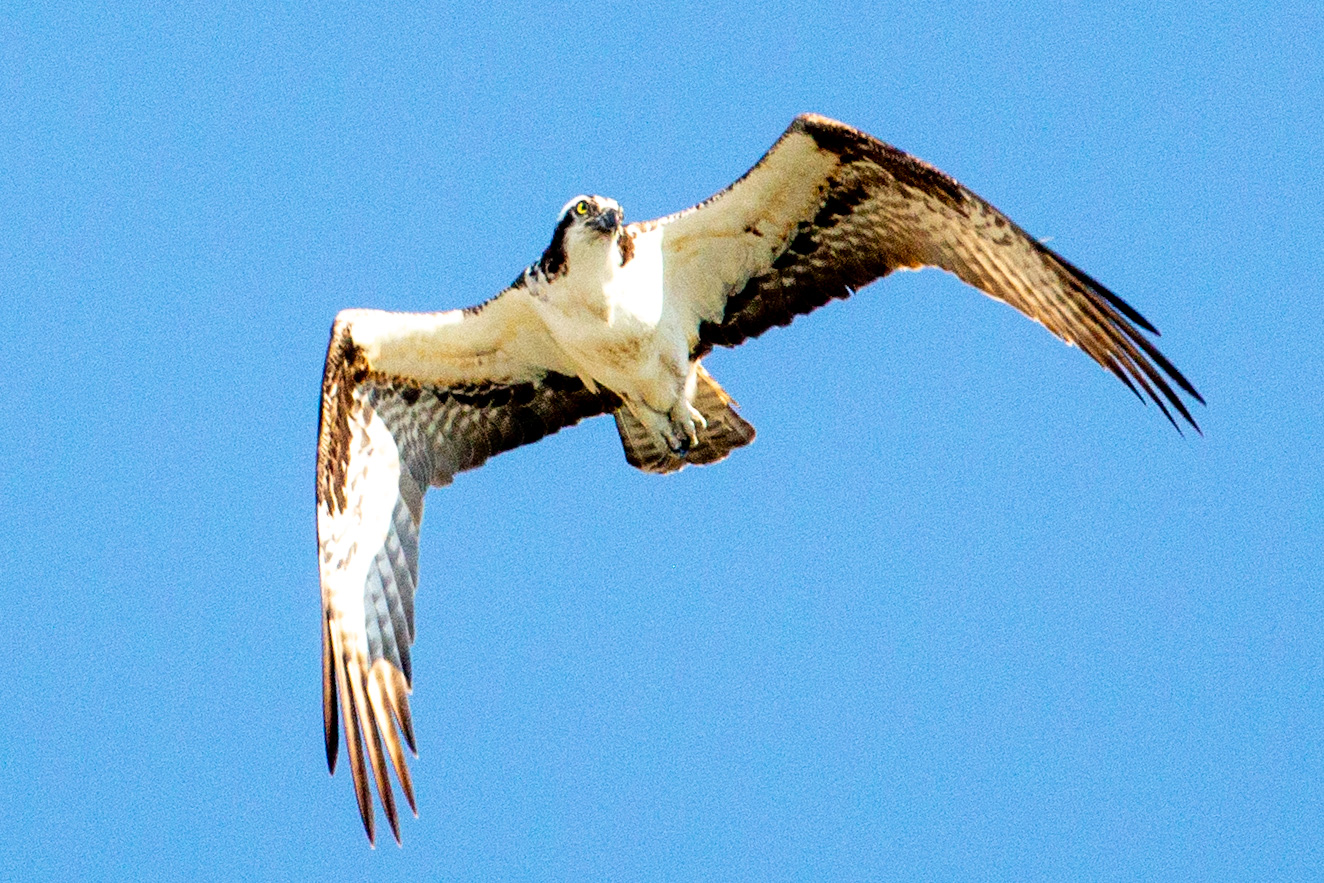
The view from the top justified the climb. Mountains, forests and distant valleys spread out in every direction. On the tracks below, we spooked moose and deer from the timber, although no bears appeared. Depending on which member of the family you asked, this was either a disappointment or a considerable relief.

There was less fishing. There was also more noticing. Yellowstone made that impossible to avoid.

No matter how many times you visit, the park resists familiarity. Steam rises from the ground. Bison stop traffic as though roads are a temporary inconvenience. Elk stand in meadows with the ease of animals that understand the landscape belongs to them. A moose steps into a river and suddenly an entire group of strangers becomes silent.

It is easy to become cynical about famous places. Crowds, queues, traffic and cameras can make even extraordinary landscapes feel processed. Yellowstone survives that pressure because something unexpected is always waiting beyond the next bend.

It might be a herd of bison crossing a valley. Or a wolf disappearing into timber. It could be a thermal basin half-hidden beneath the morning vapour. Or a moose feeding in water so calm that the reflection appears almost too perfect.


The park restores perspective in much the same way the desert does, but by different means. The desert does it through emptiness. Yellowstone does it through abundance, with wildlife, water, weather, geology and distance all competing for attention at once.

The children responded immediately. Not always with quiet reverence. Sometimes with shouting, arguing over binoculars or trying to take photographs through a moving window. But the excitement was real.

I think that matters. Adults often pretend the natural world is best appreciated silently. Children are less restrained. They react before deciding how they are supposed to react. There is an honesty in that, one that allows us to be less serious and to enjoy the moment before deciding what it is supposed to mean. Through them, I was seeing again with fresh eyes an experience I had repeated through many Australian winters.

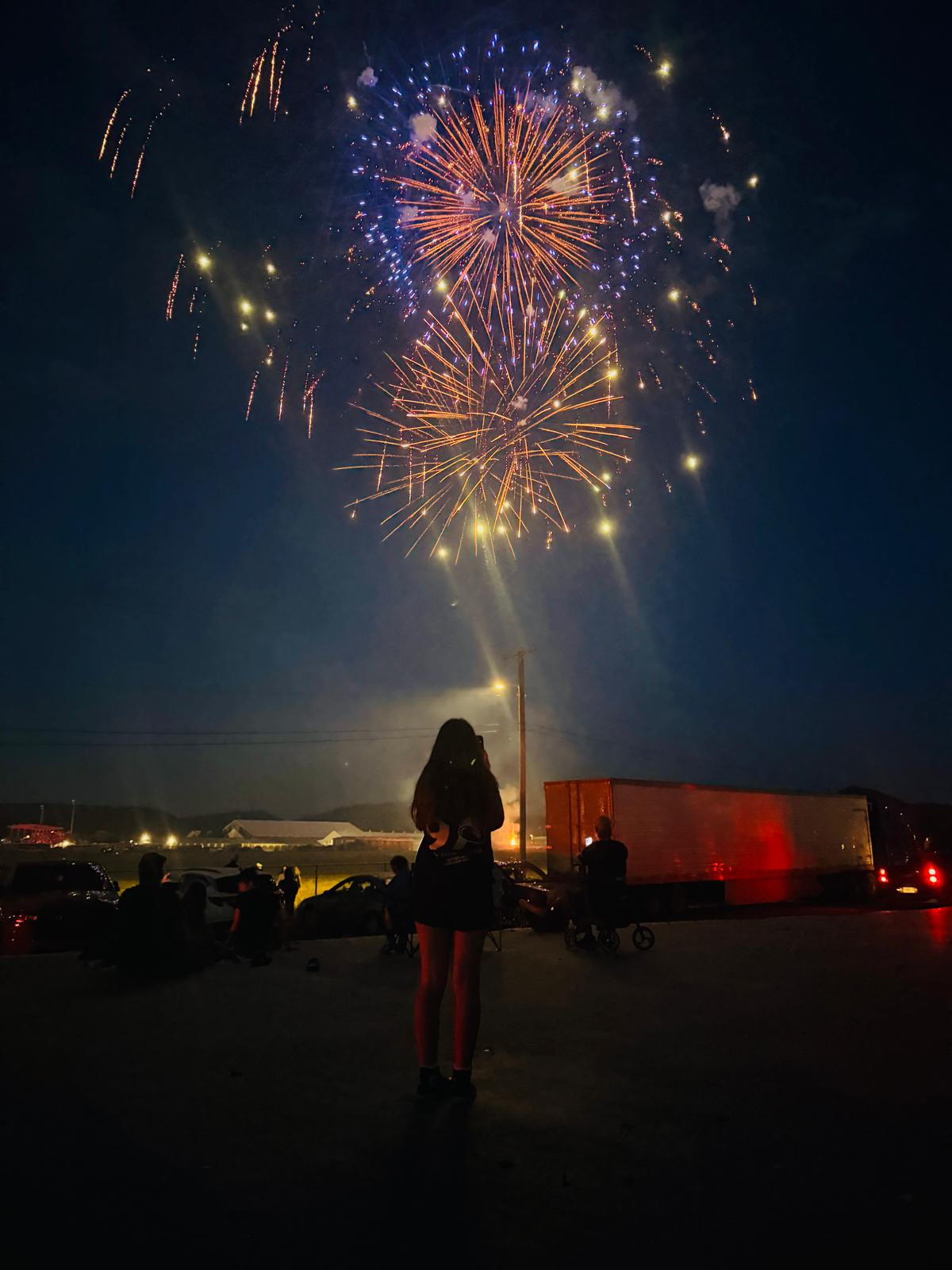
The Fourth of July introduced another kind of spectacle. Australians tend to be suspicious of too much public enthusiasm. We are trained early to keep emotion within acceptable limits and to mock anything that appears overly earnest. Americans do not always share that instinct.

Small towns celebrate themselves with remarkable confidence. Flags appear everywhere. Streets close. Horses, old vehicles, tractors, marching bands and homemade floats move through town while entire families line the footpaths.

There is no embarrassment in it. No apology. No effort to appear detached.

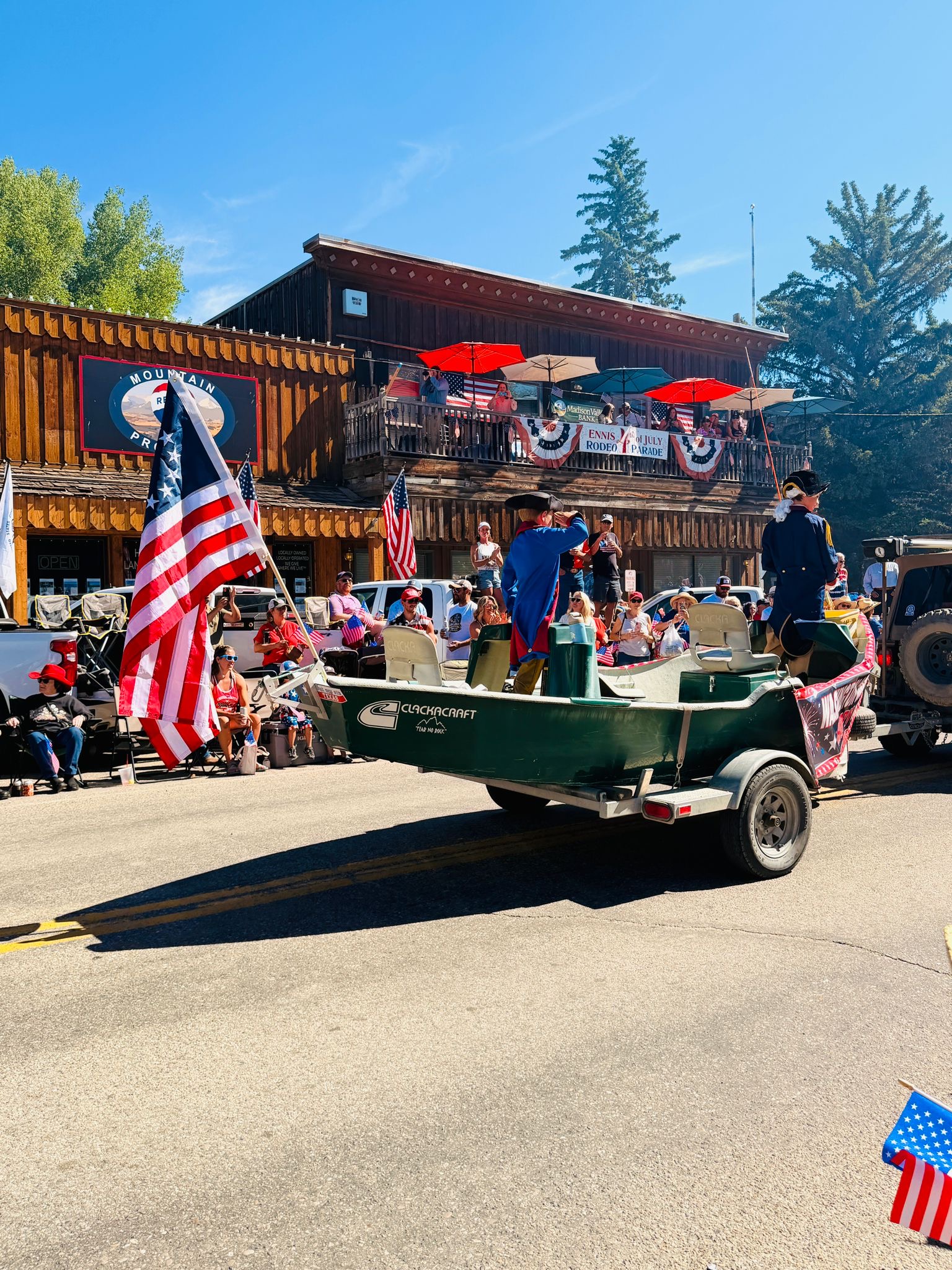
Washington Crossing the Madison. Somewhere between history, parody and fly fishing. Only in Ennis could one of America’s most iconic images be reimagined on a Clackacraft drift boat and make perfect sense. It was clever, completely tongue-in-cheek, and one of those wonderfully local moments that reminded me why I enjoy small-town Montana so much.

The parade we watched was loud, colourful, occasionally absurd and completely sincere. People dressed in red, white and blue from head to toe. Children collected sweets thrown from passing floats. Veterans moved slowly along the parade route. Families occupied the same patch of footpath they had probably used for years. Some brought lawn chairs and settled onto the verge. Others watched from the backs of pickup trucks, tailgates down and coolers filled with ice-cold drinks.

It would be easy to reduce the Fourth of July to politics or patriotism, but in small towns it often feels more personal than that. It is partly about memory. Partly about community. Partly about the right to make noise in public and assume everyone else will join in. For visitors, it offers a glimpse of America at its least self-conscious.

That became another recurring feature of the trip: the willingness to participate.

In Australia, people often watch first and decide later whether an experience deserves enthusiasm. In America, particularly in smaller towns, people are more likely to step forward, wave, shout, clap, ask where you are from and offer an opinion before you have had time to introduce yourself.

That openness can be exhausting. But it can also be generous in a way not easily found here at home.

Some of the conversations I remember most happened in places where we had not intended to stop. At a fuel station. In a diner. Outside a general store. Beside a road sign while trying to decide whether to keep driving further before the darkness crept back in.

While the famous destinations gave the journey structure, it was the incidental encounters that gave it texture. By the time we reached Montana, we had entered another version of the West entirely, and even the children could feel the difference.

The working landscape of Ashton, Idaho.

The towns grew smaller. Grain elevators and storage towers rose above the plains, marking settlements long before the streets themselves came into view. Old bars and shops sat beside roads carrying traffic towards somewhere else. Mountains rose and fell in the distance. Rivers moved through valleys with the confidence of water that has shaped the place for longer than anyone remembers.

Montana has always been easy to romanticise. The name itself does half the work. Big sky, long roads, trout rivers, mountain towns and the lingering mythology of the West. But the version I have come to value most is not the postcard version. It is the working landscape. The trucks parked outside a bar at midday. The rail sidings and storage sheds. The service stations. The taco buses parked in dusty lots beside the highway. The small stores that appear to sell groceries, fishing tackle, ammunition and local gossip from the same counter.

The towns where people live ordinary lives inside scenery that visitors have travelled thousands of kilometres to see.

That contrast interests me more each year. The extraordinary and the everyday occupying the same place.

For someone passing through, the mountains dominate everything. For someone who lives there, they are simply the view on the way to work.

Eventually the rivers reclaimed their place. They always do. We saw water through cottonwoods. Riffles appeared beside the road. Bridges invited closer inspection. Familiar names returned on signs and maps.

There is a deep familiarity in returning to places that, over the years, have become another kind of home.

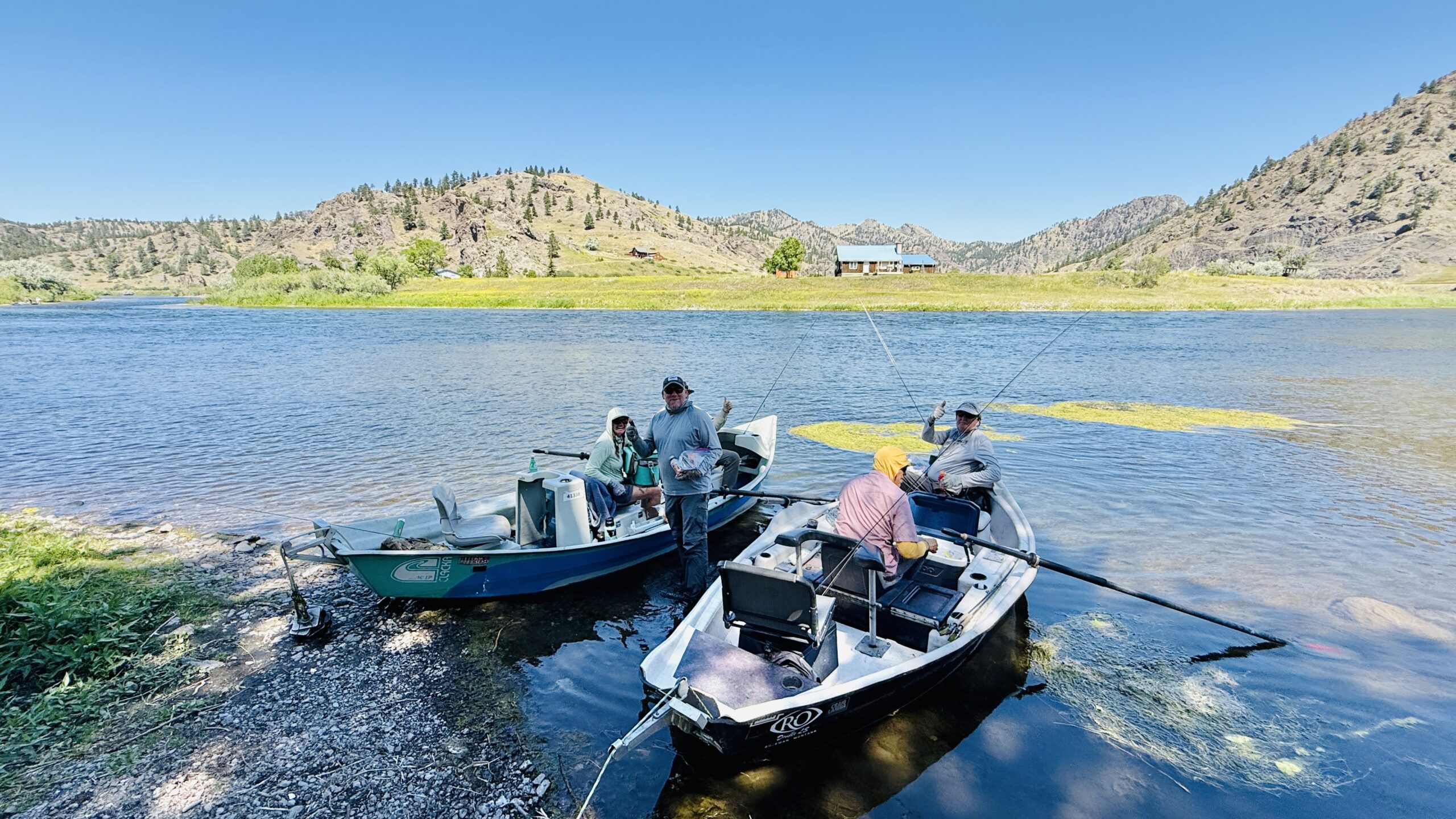
Of course, there were rods in the vehicle and even a few opportunities to fish.

On the South Fork of the Snake, a few large stoneflies were still around, but perhaps more importantly, the memory of those big insects remained fresh in the trout’s minds. Getting the fly tight to the bank and close to structure was absolutely imperative.

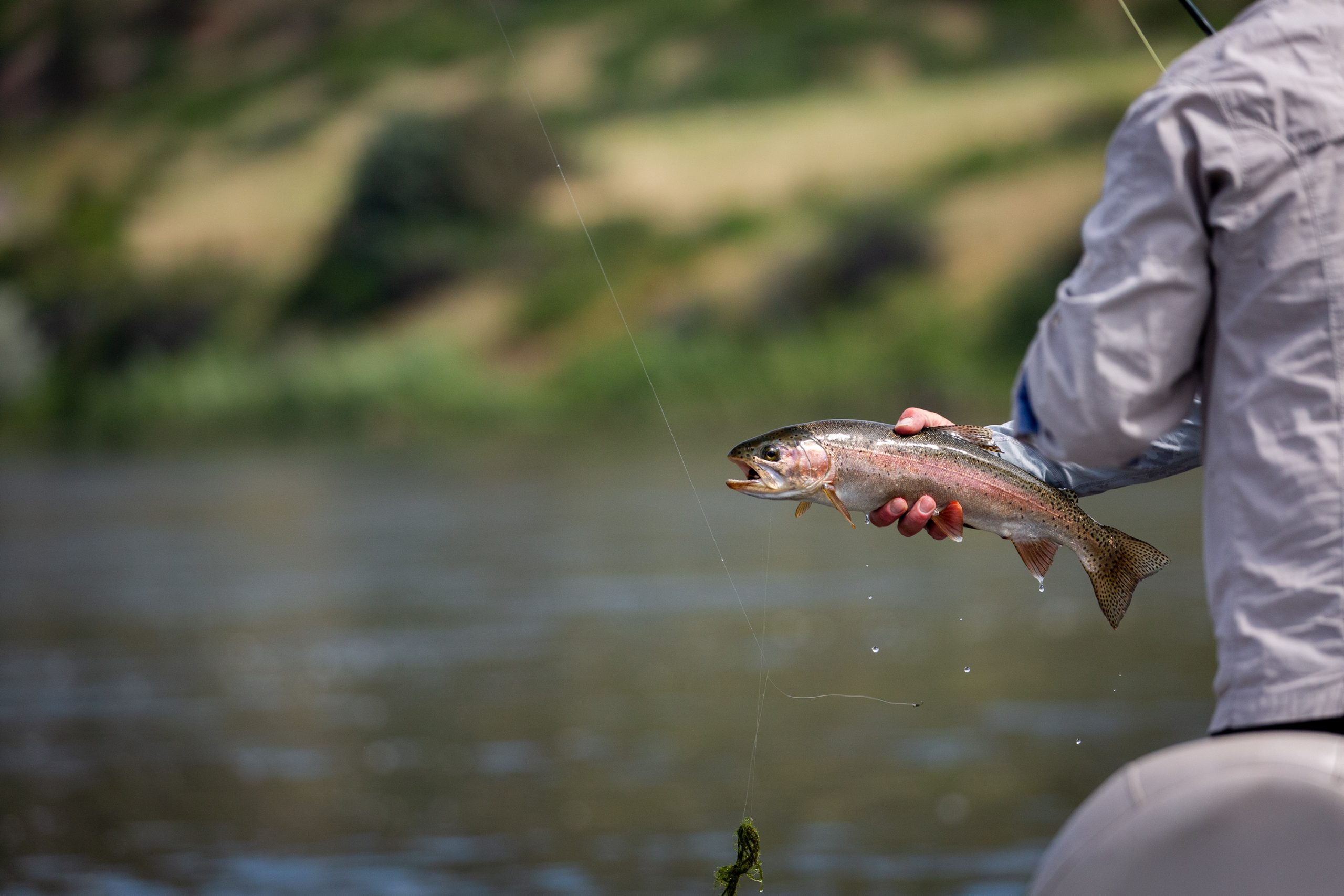
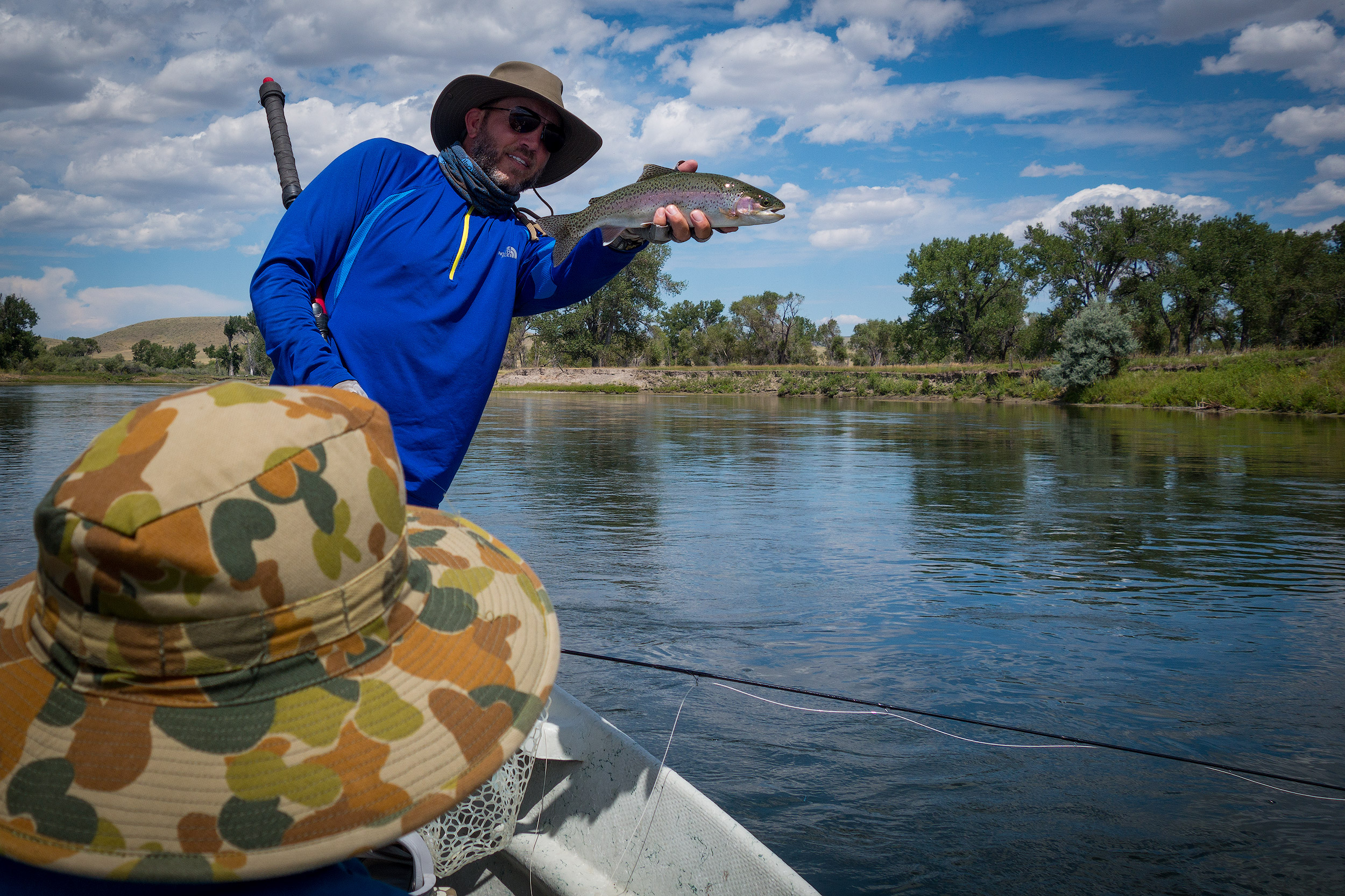
Large rubber-legged flies teased along the edges, or pulled slightly away from them, produced violent takes. Once the fly had travelled five or six feet from the bank, there was little point continuing the drift. You recast and placed it within an inch of the edge again. Some of the rises were spectacular, and some large trout were brought to the net.

The Teton River was far below its normal level, but the evening hatches remained strong. Caddis and mayflies appeared in enormous numbers, and as the light softened the river became dimpled with rising fish from one bank to the other.

The water was crystal clear. From the road bridges, fish could be seen holding in surprising numbers, and whenever we looked back into the low evening sun we saw dorsal fins, tails and snouts breaking the surface as trout mopped up the last of the insects from the hatch.

Around Island Park, we found spring creeks full of large rising fish. These trout demanded considerably more precision. Accuracy mattered. Fly selection mattered. Leader length and diameter mattered. The rewards, when everything came together, were worth the additional care.

Yet even then, the urgency was missing. I no longer felt compelled to turn every encounter with water into a session. Some rivers were enough to look at. Some were enough to remember. Some could wait. I borrowed a boat from friends when I felt like it. At other times, we wet-waded for a few hours and called it a day.

That may have been the most surprising change of all.

For years, my travel had been measured by what I managed to fit into it. Rivers fished. Images taken. Places reached. Opportunities used. This time the journey felt complete without being maximised.

Perhaps that is one of the quieter lessons of age. Or perhaps I am selectively remembering the journey to suit a narrative I have already begun to believe. Most likely it is a little of both. Wherever the truth lies, I do not think ambition disappears. Selection simply becomes more important. You learn that doing everything is impossible and that trying often diminishes what is already in front of you.

A day spent moving slowly through Yellowstone does not need to end with fishing. A road through Montana does not need to be justified by where it leads. A town does not need to be famous to be worth stopping in.

The places between rivers are not empty spaces. They are part of the journey.

That breathing room, and the freedom from feeling that every fish had to be wrung from every day, also changed the way I thought about the Montana trips we will host again next year. It allowed me to notice far more of what lies between the fishing locations, particularly on the travel days. I came home with a much clearer sense of how that time can become part of the experience rather than simply the distance that has to be covered. There are towns, landscapes, short detours and places worth stopping that will give the journey more shape without taking anything away from the fishing.

Back home, with winter settled over Victoria and the familiar work of another season waiting, I find myself thinking less about the places we reached than about the way we moved between them. The distance was never simply empty road. It gave us time to talk, to look, to change our minds and to stop when something unexpected caught our attention. In a journey measured across thousands of kilometres, those pauses became as important as the destinations themselves.

Looking back through the photographs, the pattern is obvious. There are rivers, mountains and wildlife, but also roadside signs, diners, old buildings, parades, shopfronts, service stations and people standing in landscapes they are seeing for the first time.

There are fewer fish than usual. And I don’t mind that. Not one little bit.

For most of my adult life, the rivers have dictated the journey. This time they were simply part of it. They waited while we crossed deserts, stopped in small towns, watched bison block roads and stood beneath mountains that had already witnessed one important moment in our lives.

The rivers were still there when we arrived. The hatches continued without us. The trout rose whether we were watching or not. What changed was the attention we gave to everything around them.

Perhaps that is what the trip ultimately became. Not a journey away from rivers, but a reminder that they do not exist apart from the country through which they flow, or the lives that unfold beside them. Next year, when I return with another group of anglers, the rivers will still give the journey its shape. But I suspect we will travel a little more slowly between them.

There will still be hatches to chase, boats to launch and fish worth staying late for. There will also be towns worth entering, roads worth following and reasons to stop that have nothing to do with trout.

The places between rivers are not simply what we pass through on the way to somewhere else.

They are part of what brings us back.


Fly anglers love discussing flies.

Open any old fly box and there is usually a story attached to half the patterns inside it. Certain flies become connected to rivers, seasons, people and moments in ways that are difficult to explain to non-anglers. Some patterns arrive with great fanfare before disappearing quietly a year later. Others somehow survive decades of changing fashions and continue catching trout long after newer creations have come and gone.

When I was younger, my fly boxes were packed with experimentation.

Every new magazine article seemed to promise a breakthrough. Every overseas catalogue contained flies I was convinced I needed. Every visiting angler appeared to have discovered some secret pattern capable of transforming an ordinary day into an extraordinary one.

There is nothing wrong with experimentation. In many ways it is part of the fun. New ideas drive fly fishing forward and occasionally genuine innovations emerge.

But after thirty years guiding on rivers across Victoria, New Zealand and beyond, my approach has become much simpler.

I still enjoy new flies. I still tie them. I still test them.

Yet increasingly I find myself reaching for the same handful of patterns that have repeatedly proven themselves across different rivers, seasons and conditions.

Experience has made my fly boxes smaller rather than larger.

One lesson keeps resurfacing. Anglers often spend enormous amounts of energy debating fly patterns, colours and materials, while trout continue feeding happily on the same sensible, well-presented flies they have always eaten. Confidence, presentation and understanding current generally matter far more than possessing the latest “must-have” pattern from the internet.

That said, certain flies genuinely earn permanent places in a guide’s fly box.

Not because they are fashionable.

Because they consistently work.

The flies below are not necessarily the only patterns worth carrying, nor are they arranged in strict order of importance. They are simply flies that, over many years across Australia and New Zealand, have repeatedly proven themselves in real conditions.

Some are subtle. Some are attractors. Some imitate insects closely. Others merely suggest life convincingly enough to trigger a response.

But all of them have earned their place honestly.

The Royal Wulff

The Royal Wulff - makes our list of top 50 trout flies.

There are more technically realistic dry flies available these days.

Many of them are excellent.

Yet the Royal Wulff continues catching trout with remarkable consistency, particularly in rougher water where visibility and floatation matter more than precise imitation.

It is an old-fashioned fly in the best possible sense.

The white wings remain easy to track through broken current and the fly floats stubbornly even after prolonged punishment. In fast pocket water, high-country streams or heavier riffled runs, it still performs beautifully.

I have watched clients overcomplicate fly choice countless times while some slightly chewed-up Royal Wulff quietly continues producing fish in the background.

That says something.

The Royal Wulff is especially useful as a searching pattern when no obvious hatch is occurring. Fish it confidently. Let it drift naturally. Or suspend a small nymph beneath it when deeper fish are involved.

It remains one of those flies every experienced guide seems to carry, even if they occasionally pretend otherwise.

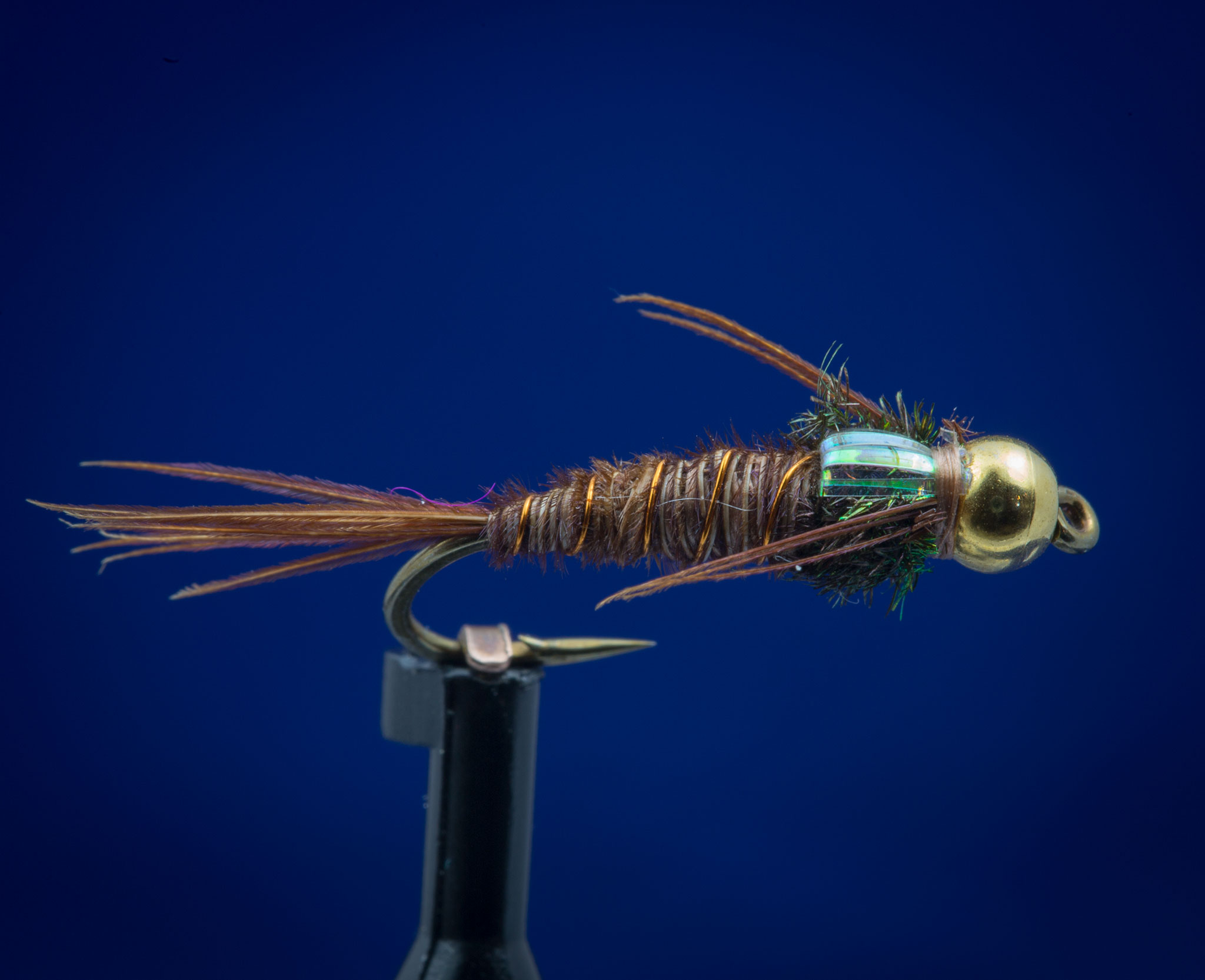
Beadhead Flashback Pheasant Tail

If somebody forced me to reduce all nymph fishing to a single pattern, this would come very close.The Beadhead Flashback Pheasant Tail - makes our list of top 50 trout flies.

Simple. Versatile. Effective.

The pheasant tail imitates an enormous range of mayfly nymphs while the bead and flashback help attract attention without becoming excessively gaudy. It sinks quickly, fishes naturally and works across an enormous range of rivers.

There is nothing particularly glamorous about the pattern, which is perhaps part of its strength.

It simply catches fish.

Most importantly, it fishes well under indicators, tightline presentations, dry-dropper rigs or dead-drifted beneath larger attractor dries.

Some flies become confidence flies because of marketing. Others earn confidence gradually through repeated reliability.

The beadhead flashback pheasant tail belongs firmly in the second category.

Chernobyl Ant

No fly causes more confusion among beginners.

“It doesn’t really look like anything.”

Exactly.The Chernobyl Ant - makes our list of top 50 trout flies.

The Chernobyl Ant succeeds because trout are opportunistic creatures. Particularly in summer, large terrestrial patterns crashing onto the surface often trigger reactions far more aggressive than delicate imitations.

This fly excels in places where realism becomes secondary to impact.

Undercut banks. Tight structure. Foam lines. Windy afternoons. Fast bankside water beneath overhanging vegetation.

It is also one of the great teaching flies because clients can see it clearly and fish tend to eat it decisively.

Some of my favourite guiding memories involve throwing large foam patterns into ugly-looking structure where clients are convinced nothing could possibly live.

Then the river erupts.

The Chernobyl Ant may not be elegant, but elegance was never its purpose.

Parachute Adams

If there is a universal dry fly, this is probably it.

Few patterns adapt themselves so effectively across so many situations.The Parachute Adams - makes our list of top 50 trout flies.

At various sizes, the Parachute Adams can suggest midges, mayflies and countless small unidentified insects drifting naturally in the film. More importantly, it lands correctly, remains visible and fishes naturally in a wide variety of conditions.

Its simplicity is deceptive.

Good parachute patterns sit beautifully in the surface film, which is often where trout expect vulnerable insects to appear. That subtle low-riding posture frequently matters more than exact imitation.

Guides quietly rely on flies like this constantly.

Not because they are exciting.

Because they continue working when many trendier patterns do not.

Bubbleback Pupa

Rene Harrop understood trout and insects at an extraordinarily deep level.

The Bubbleback Pupa reflects that understanding beautifully.The Bubbleback Pupa - makes our list of top 50 trout flies.

At first glance it appears relatively understated, but underwater the pattern possesses remarkable realism. The reflective bubbleback imitates the trapped gases forming around emerging caddis pupae as they ascend toward the surface.

Trout often feed heavily on these ascending insects.

Particularly selective trout.

Fished correctly beneath the surface during caddis activity, this fly can produce some extraordinarily technical fish. Its strength lies less in aggression and more in quiet persuasion.

Like much of the best fishing, it rewards patience.

Copper John

Some flies are designed primarily around elegance.

The Copper John was not.The Beadhead Copper John - makes our list of top 50 trout flies.

John Barr designed a practical fish-catching tool built to sink rapidly and attract attention. In fast rivers, deep runs and heavier current seams, that practicality becomes enormously useful.

Its copper body gets the fly down quickly while still maintaining a slim enough profile to resemble natural nymphs convincingly.

More importantly, it catches fish in difficult conditions.

Cold water. Fast current. Deep slots. Heavy pocket water.

It is one of those patterns guides often reach for when clients simply need to begin feeling fish again after a difficult session.

There is comfort in dependable flies.

Klinkhammer

The Klinkhammer changed modern dry-fly fishing because it solved an important problem.

Trout often feed on insects trapped during emergence rather than fully formedThe Klinkhammer - makes our list of top 50 trout flies. adults floating cleanly on the surface.

That vulnerable transition stage matters enormously.

The curved hook and partially submerged body imitate exactly that moment when an insect struggles between water and air.

Once anglers begin understanding emerger fishing properly, they usually start viewing rises differently as well.

Not all rises are true dry-fly eats.

Many fish are feeding just beneath the surface.

The Klinkhammer bridges that gap beautifully.

Royal Stimulator

The Royal Stimulator sits somewhere between attractor pattern, stonefly imitation and pure optimism.

It is large. Visible. Buoyant. And wonderfully effective.The Royal Stimulator- makes our list of top 50 trout flies.

I particularly like it in fast freestone water or smaller mountain streams where fish have less time to inspect flies critically.

Its greatest strength may actually be as the top fly in a dry-dropper rig. The buoyancy supports heavier nymphs while remaining highly visible in turbulent current.

And occasionally, despite the nymph hanging beneath it, the dry itself gets eaten violently by a fish charging several feet through broken water.

Those moments never really become boring.

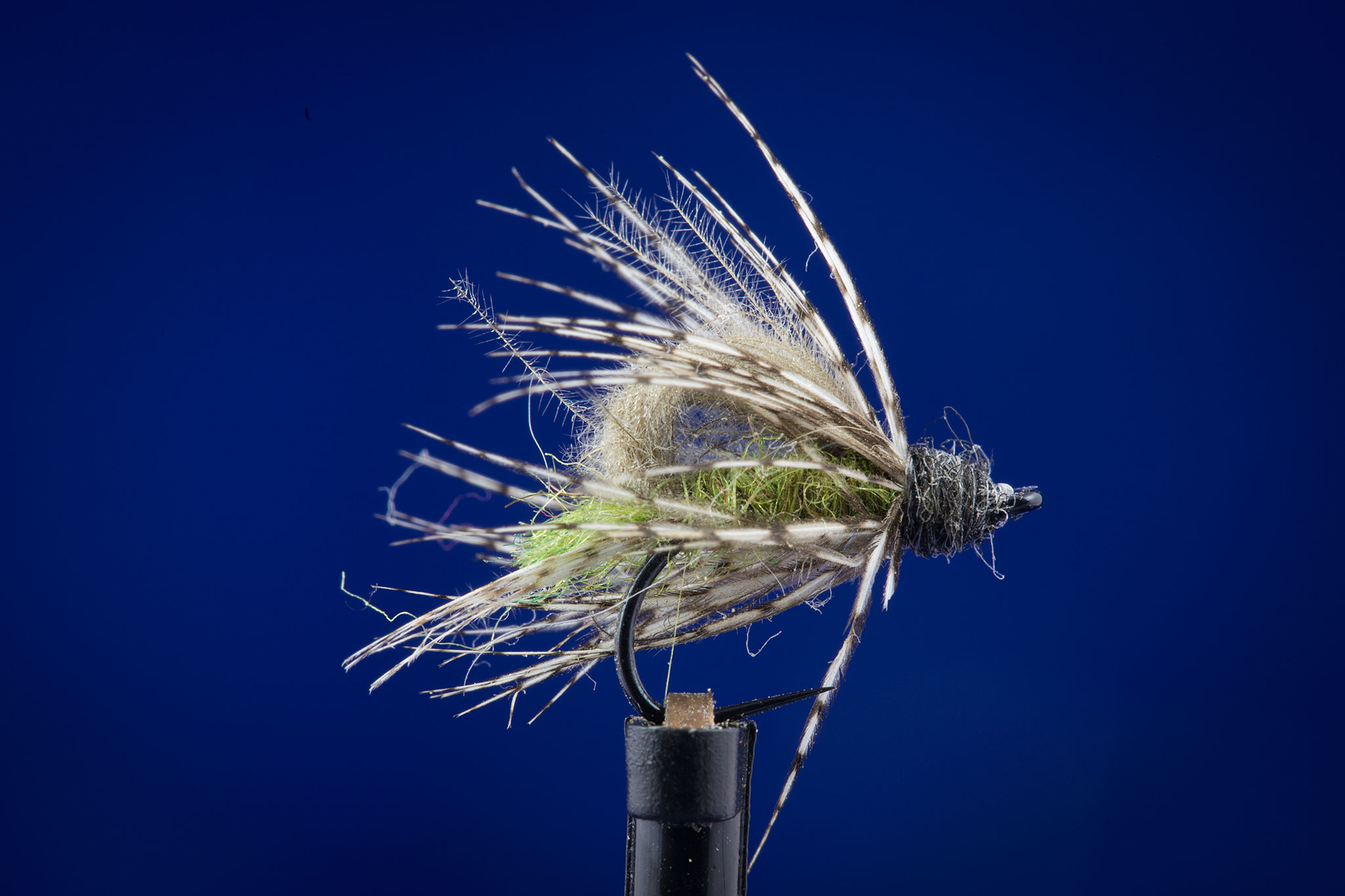
Bushy’s Emerger

Kaj Busch understood difficult trout exceptionally well.The Busjy's Emerger - makes our list of top 50 trout flies.

Bushy’s Emerger reflects a very Australian understanding of selective fish feeding calmly in clear water.

Unlike highly visible attractor dries, this fly relies on subtlety. Muted tones. Soft silhouette. Natural posture.

In difficult mayfly hatches, particularly under overcast skies, Bushy’s Emerger often outfishes brighter or more heavily hackled patterns because it simply looks alive in the film.

This is not a fly for impatient anglers.

It rewards careful presentation, fine leaders and restraint.

But when conditions align properly, it can become one of the most effective dry flies on the river.

Final Thoughts

As anglers gain experience, many gradually simplify their fly boxes.

Not because they stop enjoying flies, but because certain patterns repeatedly prove themselves over enough seasons that confidence naturally settles around them.

That confidence matters more than many people realise.

A well-presented fly fished with belief generally performs better than constant anxious changing. Rivers reward calm observation more than panic.

There will always be new patterns arriving. New materials. New trends. New debates. Some will genuinely advance fly design. Others will disappear almost immediately.

The flies that truly endure usually share similar qualities. Simplicity. Function. Versatility. The ability to suggest life convincingly without unnecessary complication.

Those are the flies guides continue carrying long after fashion has moved elsewhere.

Not because they are nostalgic.

Because they still work.

Ant

Most anglers spend remarkably little time simply watching trout.

Not casting to them.
Not moving toward them.
Not trying to catch them.

Just watching.

Yet some of the most valuable lessons rivers offer emerge during those quieter moments when you slow down enough to properly observe how large fish behave in current.

The trout featured in this short unedited footage had been holding in the same section of the Goulburn for some time. Big fish in tailwaters often become deeply connected to particular lies, especially those offering the ideal balance between security, oxygen, current speed and food delivery.

To somebody unfamiliar with rivers, the fish appears almost motionless.

In reality, it is constantly making tiny adjustments.

A slight tilt of the body.
A subtle movement sideways through the seam.
A gentle rise in the water column to intercept a drifting insect before sliding back into exactly the same current line again.

Large trout rarely waste energy unnecessarily.

That is one of the first things years on rivers begin teaching you.

Everything about a mature fish revolves around efficiency.

The best lies in a river are not random. They are positions where a trout can maximise reward while minimising effort and exposure. A fish holding properly should be able to access oxygen-rich current, drifting food and nearby protection without constantly fighting the river.

The larger the trout becomes, the more carefully it tends to position itself.

That is especially true in rivers like the Goulburn where fluctuating water levels constantly reshape current seams and feeding lanes. Unlike stable spring creeks, tailwaters are dynamic systems. Water rises. Water drops. Gravel shifts. Current pushes differently through bends from one week to the next.

And every significant change in flow alters the hierarchy of the river.

Prime lies emerge.
Others disappear.

Fish that once held comfortably beneath a bank suddenly become exposed. New seams form. Current pressure changes. Feeding lanes improve or collapse almost overnight.

Then the quiet reshuffling begins.

Smaller trout are displaced first. Larger, more experienced fish generally adapt quickest, slipping back into the newly formed prime water with remarkable speed. Years spent surviving in moving water seem to sharpen their instinct for positioning. They understand current in ways difficult to fully appreciate until you spend enough time watching them closely.

This is one of the reasons experienced anglers become slightly obsessed with observation.

The more time you spend watching trout rather than simply fishing for them, the more patterns begin revealing themselves. You notice how fish behave differently depending on light levels, water height, insect activity and pressure. You begin recognising the subtle distinction between fish that are actively feeding and fish merely holding in comfort water.

You also realise how much of trout fishing revolves around understanding current itself.

Current is everything.

Food delivery.
Security.
Oxygen.
Energy expenditure.

The river determines all of it.

A trout holding comfortably behind a submerged rock may only need to move several inches to intercept food drifting downstream. Another fish positioned poorly in heavy current may burn enormous energy simply trying to maintain its place in the river. Over time, these differences matter. Large trout do not survive many seasons by making poor energy decisions repeatedly.

That economy of movement becomes fascinating once you start noticing it.

Watch a truly dominant fish long enough and it begins to feel less like randomness and more like quiet calculation. Not intelligence in the human sense, of course, but instinct refined through survival. Every movement is measured against current speed and opportunity.

Sometimes the fish barely moves at all for several minutes.
Then suddenly:
tilt,
rise,
eat,
return.

The simplicity of it is strangely compelling.

Tailwaters like the Goulburn make this type of observation particularly interesting because the fish are often visible for extended periods. Long slicks, gentle seams and controlled flows allow anglers opportunities to study trout behaviour in remarkable detail if they resist the urge to immediately cast.

That patience is difficult for many anglers initially.

Modern fishing culture often encourages constant movement. Cast here. Change flies. Cover more water. Chase outcomes. Yet some of the most important understanding develops while standing quietly on a bank doing almost nothing at all.

Just watching.

Over decades guiding on the Goulburn, I’ve probably learnt as much observing trout as I have catching them. Certain fish teach you things. Certain lies reveal patterns that repeat throughout rivers everywhere. Eventually you stop merely seeing “a fish” and begin recognising structure, current relationships and feeding opportunities almost instinctively.

The river starts making more sense.

You begin understanding why one seam consistently produces better fish than another seemingly identical run nearby. You notice how changing light alters trout confidence. You recognise how subtle increases in flow reposition fish through entire stretches of river.

These are not dramatic revelations.

Most occur gradually over years.

And perhaps that is one of the reasons fly fishing remains so endlessly interesting. Rivers refuse to fully surrender their patterns all at once. They reveal themselves slowly to those willing to keep paying attention.

The trout in this footage will likely shift position many times over coming seasons as the river changes around it. Floods may reshape the run entirely. Lower flows may expose the lie completely. Another larger fish may eventually displace it.

Nothing in rivers remains static for very long.

That constant change is part of their appeal.

Still, for this brief moment captured on camera, the fish sits exactly where experience has taught it to be: balanced perfectly between effort, opportunity and survival.

A good lie in a river is a valuable thing.

The trout understand that well.


Most guided fly fishing trips go very smoothly.

Clients arrive excited, the coffee is still hot, the river looks good and by mid-morning everybody has settled into the natural rhythm that good fishing days tend to find eventually.

But after thirty years in drift boats and on rivers across Australia, New Zealand and Montana, guides do begin noticing certain recurring patterns.

None of these things are particularly serious. In fact, many are quietly amusing once you’ve spent enough years around anglers. Still, there are a few small observations that can make a guided trip noticeably more enjoyable for both client and guide alike.

So in the interests of preserving morale, fly boxes and mutual sanity, here are a few gentle observations from the front seat of the drift boat.


Arriving Late

Most guides are awake long before clients arrive.

Boats have already been launched or prepared. Lunches packed. Gear organised. Weather checked repeatedly. Coffee consumed in industrial quantities.

Turning up thirty minutes late without warning usually means missing the best part of the morning hatch while beginning the day slightly flustered.

If you are running behind, simply send a message. Your guide will probably forgive you instantly, particularly if it gives them time for another coffee.


Trust the Guide

One successful afternoon fishing hoppers in 2009 does not necessarily override twenty years of local river experience.

Guides spend enormous amounts of time observing current conditions. Water levels, insect activity, temperature changes, fish positioning and weather all influence daily decisions. Sometimes clients understandably arrive with confidence in a favourite fly or technique, but part of the value in hiring a guide lies in trusting somebody who has likely spent the previous hundred days on that same river.

Occasionally the guide may still be wrong of course.

But statistically, they’re probably your best bet.


“I Know”

This is one guides hear often.

“Yep, I know.”

Usually moments before the exact same mistake happens again.

Good guides are not trying to lecture people. Most genuinely want clients to improve and enjoy themselves more. Small adjustments in casting angle, line control or presentation often make enormous differences.

If a guide repeats something several times during the day, there is generally a reason.


The Quiet Economy of Flies

Every guide eventually develops a slightly haunted look after watching clients donate half a fly box to submerged timber.

Good flies take time to source, organise or tie. Some patterns become difficult to replace entirely. Others represent years of small refinements and experimentation.

Losing flies occasionally is simply part of fishing. Repeatedly throwing the same rig directly into obvious overhanging branches begins drifting into another category altogether.

At a certain point, even the trout start feeling embarrassed.


Other Guides

Talking constantly about another guide while floating downriver with your current one is a little like discussing your ex-partner on a first date.

Most guides know each other.
Some are close friends.
Some are fierce rivals.
Some actively avoid each other at boat ramps.

You may not necessarily know which category your stories fall into.

A little awareness goes a long way.


Politics

There are few places left in modern life that still feel genuinely quiet.

Rivers are one of them.

Most people come fishing to escape noise, pressure and argument for a while. The fish do not care about elections, tax reform or social media outrage, and truthfully, the river is usually improved by following their example.

There is nothing wrong with thoughtful discussion outdoors. Some of the best conversations I’ve ever had happened in drift boats. But endless aggressive political debate tends to drain the atmosphere remarkably quickly.

Particularly before lunch.


GPS Pins and “Secret Spots”

Every experienced guide eventually develops a sixth sense for clients quietly reaching into pockets near productive water.

Guides understand the temptation. Beautiful water invites curiosity. But good river sections are often the product of decades spent exploring, learning flows, understanding access and gradually piecing together patterns over many years.

Dropping GPS pins on somebody else’s hard-earned water without permission is generally considered poor form in fishing culture almost everywhere on earth.

Besides, most truly good rivers change constantly anyway. Learning why fish hold somewhere matters far more than simply marking a coordinate.


Phones

One loud ringtone cutting through a quiet river valley can undo twenty minutes of carefully rebuilt serenity.

Enough said.


Significant Others Who “Might Enjoy the Drift”

This one occasionally requires delicate handling.

A drift boat looks peaceful from the outside. And often it is. But eight hours exposed to weather, casting, tangles, sun, cold, repetitive drifting and long periods without shade can feel surprisingly long for somebody with absolutely no interest in fishing.

If your partner genuinely enjoys rivers and the outdoors, wonderful.

If they merely “might like coming along,” proceed carefully.


Criticism

Good guides correct people constantly.

Not because they enjoy criticising clients, but because small adjustments matter enormously in fly fishing. A slightly altered drift angle or timing change may completely transform results.

Most experienced anglers eventually realise something important:
the best guides are rarely the ones endlessly telling you how well you’re doing.

They are the ones quietly helping you improve.

Even when it bruises the ego slightly.


Weather

Guides control many things.

Weather is not one of them.

Guide not God is a common phrase and bumper sticker in Montana. Most fly Fishing guide peeves relate to a breakdown in client common sense.

Neither are floods, cold fronts, bushfires, hydro releases, thunderstorms or unexpected wind changes.

Despite this, guides across the world continue receiving apologetic looks from clients whenever conditions deteriorate, as though they personally arranged the low-pressure system several days earlier.

Sometimes difficult conditions produce the best fishing anyway.

And sometimes rivers simply humble everybody equally.

That too is part of the sport.


The Handshake

One final observation.

Most drift boat guides have hands resembling old cricket gloves by the end of the season. Years of rowing, anchors, ropes and cold water tend to do that.

There is no need to test your full grip strength upon introduction.

Your guide still needs those hands functional enough to untangle your leader later in the day.


The truth is, most clients are excellent.

They are thoughtful, enthusiastic and genuinely appreciative of the experience. Many become long-term friends. Some return year after year until certain stretches of river become part of a shared history between guide and angler.

And really, that is one of the more rewarding parts of this profession.

Because at its best, guided fly fishing has never simply been about catching trout.

It is about shared days outdoors.
Conversation.
Weather.
Learning.
Patience.
Stories retold over dinner afterwards.
And occasionally laughing at the small absurdities that naturally emerge whenever human beings spend long enough together in moving water.

The river usually sorts the rest out eventually.

Tight lines.

Choosing a fly fishing guide is a little different from choosing most other services.

If you’re spending a full day in a drift boat, or travelling overseas on an extended hosted trip, you’re not simply hiring technical knowledge. You’re placing yourself in close company with another person for long hours, often in changing weather, unfamiliar water, difficult conditions and situations that require patience, communication and trust. That relationship matters more than many people initially realise.

Over the last thirty years I’ve guided thousands of days on rivers, most of them from the oars of a drift boat on the Goulburn. During that time I’ve met anglers from almost every imaginable background. Surgeons. Farmers. Builders. Lawyers. Retired couples. Fathers and sons. Complete beginners who had never held a fly rod, and experienced anglers who had travelled the world chasing trout.

One thing becomes very clear after enough seasons: people rarely remember only the fish. They remember how the day felt. They remember the atmosphere in the boat, the conversation, the patience, the encouragement, the lunch beside the river, the calmness of the guide when conditions became difficult, and the feeling of being looked after properly.

When I first started guiding in the 1990s, I probably measured success too narrowly. Like most younger guides, I wanted every client to have the best fishing day of their life. Bigger fish. More fish. Better numbers. Experience gradually taught me otherwise. The fishing remains enormously important, of course. Nobody hires a guide hoping for a poor day on the water. But after enough years you begin to realise that memorable guiding runs much deeper than simply rowing clients toward rising trout.

A guide’s role is far more layered than many anglers initially understand. At different moments throughout the day, a guide may become a teacher, coach, boatman, weather observer, local historian, storyteller or simply quiet company. The best guides understand when each role matters, and that judgement develops slowly.

Modern fly fishing can sometimes create the impression that guiding is primarily about dramatic photographs and social media highlights. After enough seasons on rivers, however, you begin to understand that the real work often happens in quieter moments. It happens when a guide recognises a client is becoming frustrated and subtly changes the pace of the day. It happens when deteriorating weather demands a different section of river. It happens when somebody who has struggled with casting suddenly lands a difficult drift correctly for the first time. It happens when an older angler quietly admits they may not have too many more seasons left travelling to places they’ve always dreamed about.

The best guides learn to read people almost as carefully as they read water.

That human side of guiding becomes even more important on extended trips. When people join us in New Zealand or Montana, they are often travelling a long way from home, investing significant time and money, and placing considerable trust in the people hosting the experience. In many cases they are also stepping temporarily outside their normal lives and responsibilities.

A guide or host who creates unnecessary tension, ego or pressure can profoundly affect a trip. Likewise, a calm and thoughtful guide can elevate even difficult fishing conditions into a deeply enjoyable experience.

Some of the most successful days I’ve experienced as a guide involved remarkably few fish. A mayfly hatch that never quite developed. A difficult wind. Changing weather. And yet clients still left smiling because the broader experience remained rich and memorable.

Perhaps that is one of the biggest misconceptions about guided fly fishing: that success can be measured purely by numbers.

Of course we all love good fishing. We pursue trout because the challenge remains endlessly fascinating. But the longer I spend around rivers, the more convinced I become that most anglers are searching for something slightly deeper than fish alone. Space. Perspective. Connection. Relief from pressure. Time outdoors with people they enjoy. The river simply becomes the setting where those things occur.

That understanding changes the way experienced guides approach their work. Clients do not necessarily need perfection. They need confidence, honesty, patience and somebody who remains composed when conditions become difficult. They need somebody capable of adapting without drama.

That calmness is not accidental. It emerges from accumulated seasons on the water. A river behaves differently across droughts, floods, heatwaves, cold fronts, irrigation changes, insect cycles, bushfire years, high angling pressure and changing seasonal flows. A guide who has lived through enough of those cycles gradually develops perspective that simply cannot be rushed.

The same applies to safety.

Any experienced guide understands that safety on rivers involves far more than life jackets and first-aid kits, though those things are obviously essential. Good guides constantly think ahead. They monitor changing conditions, weather, river flows, client fatigue and countless small variables throughout the day.

The drift boat teaches this particularly well. When rowing technical water, you’re always observing currents before you reach them. You learn to read subtle seams and pressure lines instinctively. You begin anticipating problems before they fully develop. Over time, that habit extends beyond rowing itself. It influences how you guide people, structure days and manage difficult situations.

Interestingly, many of the qualities that make somebody enjoyable company on a river are difficult to advertise online. Patience rarely photographs dramatically. Neither does judgement. Or humility. Or emotional steadiness. Yet those qualities often define the difference between a merely competent guide and a truly memorable one.

Personality matters enormously as well. If you’re spending eight or ten hours in a drift boat with somebody, or travelling together for a week through Montana or New Zealand, basic human chemistry becomes important. Some guides naturally create relaxed atmospheres. Others operate with more intensity. Neither is necessarily wrong, but different anglers are drawn to different personalities.

That is why I often encourage people to trust instinct as much as marketing. Speak with guides before booking. Pay attention to how they communicate. Do they sound patient? Do they seem genuinely interested in helping you? Do they answer questions thoughtfully? Do they make the experience feel welcoming?

A good guide should leave you feeling calmer and more confident before you’ve even stepped onto the river.

Enthusiasm matters greatly too. The best guides retain genuine curiosity despite years on the water. They still notice changing insect activity. They still become excited by subtle improvements in conditions. They still care deeply about rivers, fish and client experiences.

That enthusiasm tends to be contagious. Clients feel it.

Importantly, mature guides usually carry that enthusiasm quietly. After enough years, most experienced operators realise the river does not reward ego for very long. Fish have a way of humbling everybody eventually. Rivers change constantly. Conditions shift. Days that look perfect sometimes fish terribly. Difficult days occasionally become unforgettable.

That unpredictability is part of why fly fishing remains so endlessly compelling. And perhaps it is also why good guiding becomes more thoughtful over time.

These days I find the most rewarding part of guiding is often watching somebody settle into the rhythm of a river properly for the first time. The moment their casting slows down. The moment they stop rushing. The moment they begin noticing currents, birds, light, insects and weather rather than simply chasing fish.

That shift usually means they are beginning to understand fly fishing more deeply.

At its best, guided fly fishing is not about somebody showing off expertise or proving how much they know. It is about helping another person experience a river more fully and confidently than they could have alone.

The right guide does not simply help you catch fish. They help shape the memory of the day itself.

Years later, most anglers won’t remember every fish they caught. They’ll remember the fog lifting off the river at dawn. The conversation over lunch. The trout that refused at the last second. The guide who remained calm when conditions became difficult. The feeling of being completely immersed in a river for a day.

Good guides understand that.

They’re not simply helping people catch trout.

They’re helping create memories that often last far longer than the fish themselves.

Ant

Anthony, David, and Geoff Circa 2005


Most people assume fly fishing is about trout.

At first glance, that seems reasonable enough. Rods, flies, currents and rising fish are the visible parts of the sport. If somebody unfamiliar with fly fishing watches a drift boat slide quietly down a river at dusk, they naturally assume the entire exercise revolves around catching fish.

And of course, the fish matter enormously.

Even after thirty years on rivers, I still feel that small lift of anticipation before a cast into a difficult lie. There are mornings when the river seems alive with possibility and evenings when fading light, drifting insects and the quiet confidence of rising trout create moments that remain deeply satisfying no matter how many seasons pass. The challenge never completely disappears.

Yet the longer I spend around rivers, the more convinced I become that many anglers are searching for something slightly harder to describe. If catching fish alone were the entire story, most people would eventually move on to easier pursuits. There are certainly easier ways to catch fish. You can troll lakes, soak bait or cast lures. Modern electronics can reveal structure, depth and fish locations with astonishing precision. Yet countless people continue choosing a method that often involves standing in cold water, learning difficult skills and spending long periods observing insects and currents before making a single cast.

Something else is happening there.

That thought has stayed with me more and more as I’ve grown older.

I still remember the first trout I caught on fly quite clearly, though not because it was particularly large. What stayed with me was the feeling of entering a different world for the first time. The concentration required. The movement of current around my legs. The strange silence that settles over a river late in the day. The growing awareness that water is never truly still, even when it appears calm from a distance.

Looking back, I think that was the moment the river itself became important. The fish simply opened the door.

Fly fishing teaches observation slowly. At first, beginners understandably focus on mechanics. Casting. Knots. Fly selection. Line control. Like learning any new skill, there is a tendency to become consumed by technique. Over time, however, attention begins shifting outward. You start noticing weather patterns more carefully. The direction of wind. Tiny insects gathering beneath overhanging branches. Shadows moving across riffles. The subtle difference between water that merely looks good and water that actually holds fish.

Eventually the river begins teaching lessons that have very little to do with trout.

Patience, for one.

Modern life encourages speed, immediate outcomes and constant stimulation. Rivers tend to resist all of that. Some days they humble you completely. Conditions that appear perfect may fish terribly, while difficult days occasionally transform without warning during the final hour of light. There is no controlling that uncertainty. Only learning to work within it.

Perhaps that is one reason rivers remain so valuable. They remind us that not everything can be hurried.

Over the years I have watched countless people arrive at rivers carrying far more than fly rods and waders. Some are exhausted from work. Some are quietly grieving. Some are recently retired and trying to rediscover rhythm in their lives after decades of responsibility. Some are navigating illness. Some are processing family difficulties. Some simply need space away from phones, meetings, traffic and noise.

The river rarely solves any of those problems directly. But it changes the pace at which people think.

That matters.

One of the great misconceptions about fly fishing is that it is an elitist or overly technical pursuit. Certainly, there are technical aspects to the sport. Fly casting takes practice. Reading water takes time. Rivers reward accumulated experience. Yet at its heart, fly fishing remains surprisingly simple.

You stand in moving water and pay attention.

That is really where it begins.

Somewhere along the way, many anglers realise the river itself has become just as important as the fish living within it. The places start mattering deeply. Certain bends become tied to memory. Particular stretches of water become inseparable from people, seasons and moments in life.

I can still drift sections of the Goulburn and remember conversations from twenty years ago almost exactly where they occurred. An older client speaking quietly about retirement while rain moved across the hills upstream. A father watching his son row a drift boat for the first time. A mayfly hatch appearing unexpectedly during difficult conditions. The shared silence that sometimes settles over a boat late in the afternoon when everybody realises they are exactly where they want to be.

Those moments become part of the river too.

The river remembers in its own way. Or perhaps we simply leave small pieces of ourselves behind.

I have experienced the same feeling elsewhere. There are sections of the Waiau River in Southland where I can still picture clients from years ago stalking trout along particular banks. Certain bends on the Missouri River in Montana instantly bring back conversations, laughter and shared experiences from previous seasons. I can drive through Paradise Valley or cross the Henry’s Fork and immediately feel old memories resurfacing.

The fish are part of those memories.

But only part.

What stays longest are usually the people.

Perhaps that is why many anglers become increasingly reflective as they get older. The obsession with proving oneself softens slightly. Fish numbers matter a little less than they once did. Atmosphere matters more.

You begin noticing things younger anglers often rush past: steam lifting from cold water at dawn, the sound of current against the hull of a drift boat, the smell of eucalyptus after rain along the Goulburn, a wedge-tailed eagle circling above a valley, and light changing on distant hills during the final hour of the day.

These details quietly accumulate over years until they become inseparable from the fishing itself.

Travel deepens the feeling even further. Some of my strongest memories from Montana and New Zealand are not individual fish at all. They are moments between the fishing. Crossing Wyoming at sunrise beneath enormous skies. Coffee before daylight in a small Montana town. Snow appearing unexpectedly on distant mountains during summer. Watching clients see Yellowstone National Park for the first time. Wind moving through Paradise Valley late in the evening.

Those places carry emotional weight because they become connected to experience, memory and friendship.

And perhaps that is another reason people keep returning to rivers. Fly fishing rarely remains a solitary pursuit for very long. Over the decades I have watched lifelong friendships emerge through rivers. Complete strangers sharing a drift boat in New Zealand later travelling together overseas. Fathers bringing sons. Grandparents introducing grandchildren to fly rods. Clients who initially came to learn how to cast eventually returning year after year simply because they love the atmosphere surrounding the experience.

Fishing creates its own strange little communities. Not loud ones. Usually quiet ones. People connected by weather, water and accumulated time outdoors.

The older I get, the more grateful I become for that continuity. For familiar rivers. For old clients. For guides and friends scattered across different parts of the world. For the privilege of making a life outdoors. And for the understanding that fly fishing has always been about far more than trout alone.

The fish draw us in initially. But they are rarely the only reason we stay.

What keeps people returning to rivers, I suspect, is something much harder to market neatly. A search for stillness. Perspective. Meaning. Connection to landscape. Connection to memory. Connection to earlier versions of ourselves.

Or perhaps simply the growing realisation that time spent outdoors—properly outdoors, immersed in weather, current and changing light—remains one of the few experiences in modern life that still feels genuinely restorative.

Rivers ask very little from us in the end.

Mostly attention.

And perhaps that is why, despite all the changes in the world around us, people continue returning to them generation after generation.

Because somewhere beside moving water, many of us become slightly more aware of what actually matters.

Ant