
Notes from Thirty Years Watching a Tailwater Change
People often ask when the best time to fish the Goulburn is.
The truth is:
there isn’t really a single answer.
The river changes enormously across the course of a season. Water levels rise and fall with irrigation demand. Insect hatches build and collapse. Trout reposition themselves constantly as current speeds, temperatures and food sources evolve from spring through to winter.
In many ways, the Goulburn fishes like several completely different rivers across a single season.
That is part of what keeps it endlessly interesting.
After more than three decades guiding on the river, certain broad seasonal patterns do emerge though. Not rigid rules — rivers rarely obey those for long — but rhythms that tend to repeat often enough to shape how we fish throughout the year.
This is not intended as a technical manual.
More simply, it is an overview of how the river tends to evolve from opening day through to the close of the season.
SPRING
September
Low Water, Clear Flows and Careful Fishing
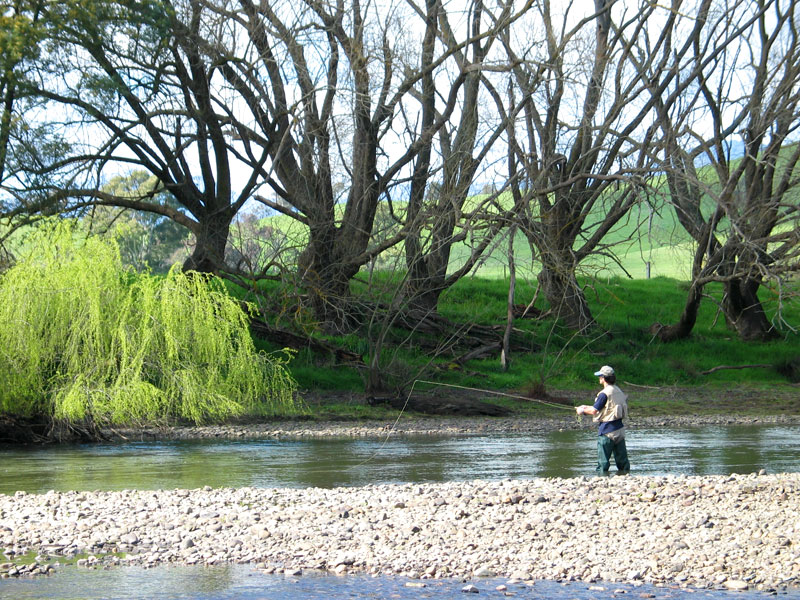
Opening week on the Goulburn often arrives with the river running low and exceptionally clear.
Unless Lake Eildon is near spilling, releases are usually reduced heavily throughout winter and early spring while water is captured for the irrigation season ahead. The result is a river that often sits around minimum flow levels with beautiful clarity and very wadable conditions.
At the same time, many surrounding freestone rivers remain cold, high or discoloured from winter rain and snowmelt.
That contrast is one of the reasons the Goulburn becomes so important early in the season. While many rivers remain difficult to fish, the Goulburn is often stable, accessible and already producing hatches.
The trout, however, can be extremely cautious.
Months of low clear water make fish nervous and highly aware of movement. Large browns frequently sit along inside bends or shallow gravel edges where they are easily spooked by careless approaches.
September is not generally a month for charging around the river.
It rewards patience.
Long leaders.
Careful positioning.
Good light.
And accurate presentation.
The fishing early in the month remains largely subsurface, though evening rises build steadily week by week. Midges dominate initially, along with small mayflies and scattered caddis activity. Yet even during opening week, larger pale duns often appear unexpectedly during mild evenings.
That first proper spring rise after winter remains one of the great pleasures of the season.
October
The River Wakes Properly
By October, the Goulburn begins feeling fully alive again.
Water temperatures rise noticeably and the insect life accelerates quickly. Depending on rainfall and irrigation demand, flows may remain relatively low or begin climbing steadily through the month, but either way the river generally fishes exceptionally well.
This is when the first truly significant hatches begin occurring consistently.
Caddis appear in heavy numbers through the day.
Mayflies build each evening.
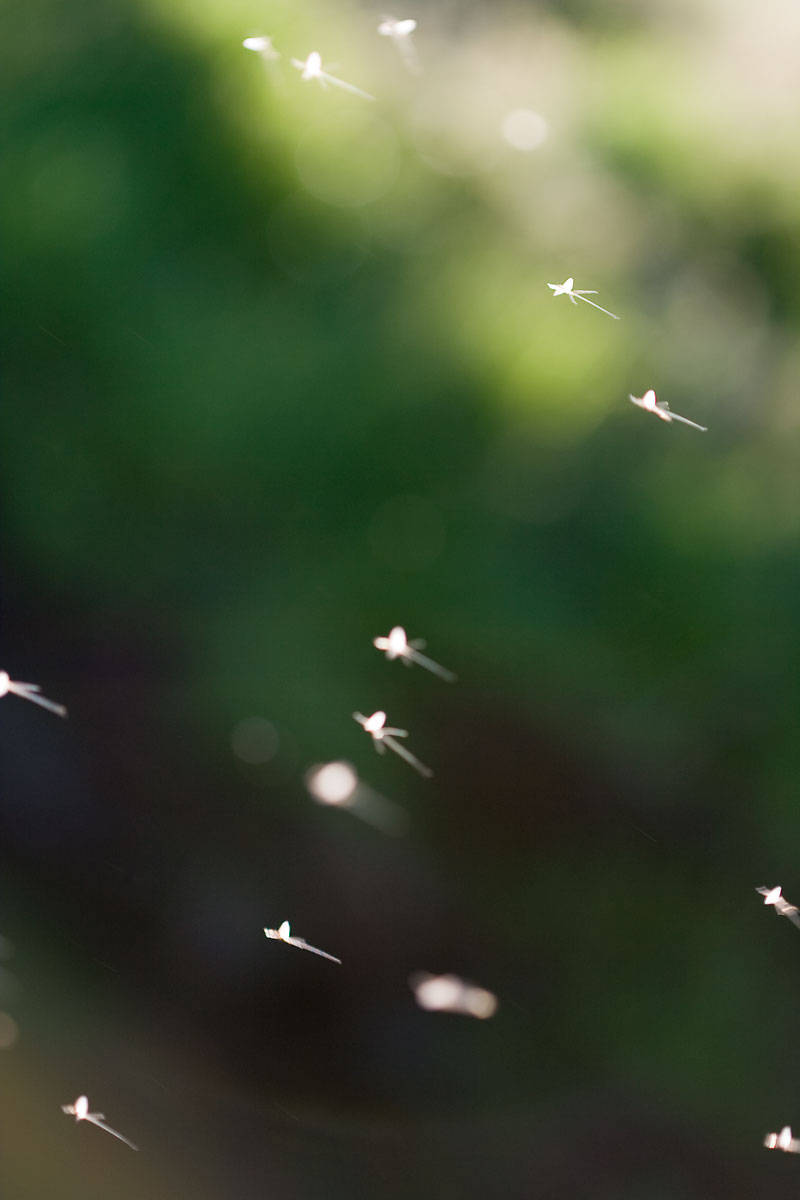
Caenids begin hatching in extraordinary densities on calm mornings.
Some years the river feels almost covered in insects.
And importantly:
the trout know it.
October dry fly fishing on the Goulburn can become remarkably technical. During heavy caenid activity especially, trout often feed rhythmically and selectively in flat slick water. Tiny flies, long leaders and drag-free presentation matter far more than heroic casting distance.
Many anglers overcomplicate imitation during these hatches.
Presentation usually matters more.
Getting the fly into the correct lane at the correct moment is everything.
There are mornings during peak caenid activity where the Goulburn rivals any dry fly fishery I have seen anywhere in the world.
November
Crescendo
If October is excellent, November often becomes ridiculous.
By now almost everything is hatching.
Caenids at first light.
Caddis throughout the day.
Large evening mayflies.
Spinners at dusk.
Stoneflies.
Flying ants.
Termites on humid afternoons.
The river enters a period of abundance where trout seem permanently tuned toward the surface.
This is one of the great dry fly months on the Goulburn.
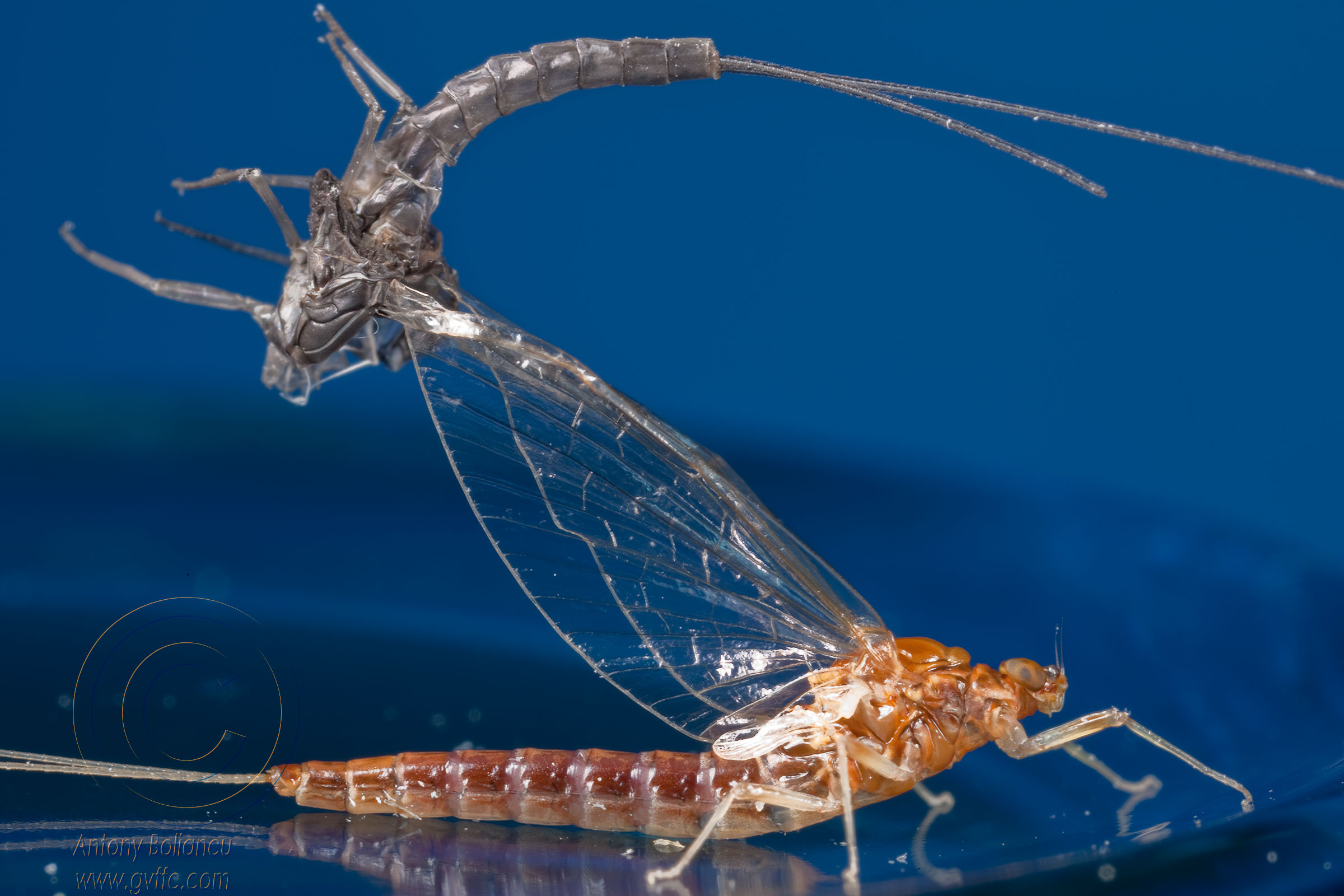
The famous Kossie Dun also begins making regular appearances around this time. These large mayflies emerge right on last light and can trigger explosive short-lived feeding windows from some of the river’s better fish.
There are evenings where trout ignore almost everything for hours, then suddenly begin feeding aggressively during the final twenty minutes of fading light.
You learn to stay late in November.
Many memorable fish are hooked after most sensible people have already begun walking back toward the car.
Termite falls can also produce astonishing fishing during humid weather. Fish become completely locked onto them and rise with extraordinary confidence. Having a good imitation during one of these falls can transform an ordinary afternoon into something unforgettable.
November is excess.
Abundance.
Energy.
The river feels almost overfed.
SUMMER
December
Terrestrials and Edge Fishing
By December, the river usually rises significantly with irrigation demand increasing downstream.
Higher flows change the entire shape of the fishing.
Fish move tighter to structure and softer edge water while the main currents become faster and less efficient feeding zones. Trout begin sitting astonishingly close to the banks beneath grass, willow roots and submerged structure where slower current delivers food consistently.
This is where drift boats become incredibly effective.
Much of the best fishing now occurs within a rod length of the bank.
Summer also marks the beginning of the great terrestrial period.
Cicadas appear.
Hoppers increase.
Beetles become important.
And then eventually:
the willow grubs begin falling.
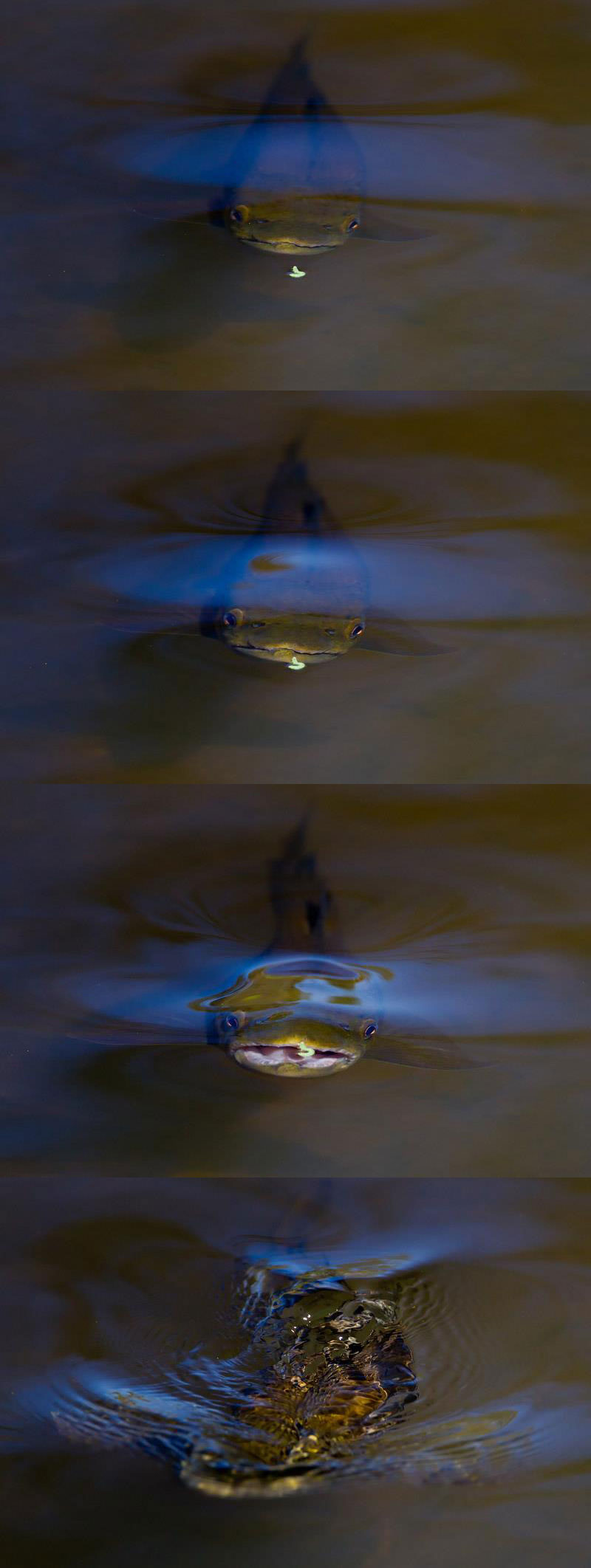 For many Goulburn anglers, willow grub fishing defines summer entirely.
Fish feed on them with astonishing commitment, often rising repeatedly beneath overhanging willows for hours at a time. The feeding can become so reliable that at times it barely resembles traditional dry fly fishing anymore.
Large trout simply patrol beneath the trees waiting for the next helpless grub to fall.
The river feels rich during December.
Fat.
Well-fed.
The trout certainly do.
January
High Summer
January often brings the highest irrigation flows of the season.
The Goulburn now behaves very differently to surrounding freestone rivers, many of which are low, warm and increasingly stressed by summer heat. The tailwater influence keeps the Goulburn comparatively cool and healthy even during extreme weather.
Backwaters, flooded edges and softer side channels become critical.
These areas hold extraordinary numbers of trout throughout summer, many of them large fish that spend months feeding quietly away from the heavier main current.
Willow grubs usually remain the dominant food source through January, though hoppers, cicadas and beetles are all highly important.
This is visual fishing at its best.
You often see the trout before casting.
Watch them feeding.
Position the boat carefully.
Then attempt to place the fly naturally into tight feeding lanes along the edges.
Some of the river’s biggest browns become surprisingly vulnerable during this period.
Provided you approach properly.
February
Heat and Backwaters
February reveals the Goulburn’s true strength as a tailwater fishery.
While surrounding rivers often struggle badly through heat, the Goulburn remains cold enough to sustain excellent trout fishing throughout much of summer.
Flows are generally high now and aquatic insect hatches diminish considerably compared with spring. The focus shifts almost entirely toward terrestrial fishing and flooded edge habitat.
The backwaters become fascinating places.
Large trout cruise slowly through submerged grass and quiet lagoons feeding on everything from beetles and hoppers through to spiders, wasps and drowned insects washed from the banks.
Big attractor patterns fish extremely well now.
Chernobyl ants.
Stimulators.
Large hoppers.
But paradoxically, downsizing can also become important when fish grow overly suspicious in very clear water.
Some days a size 10 hopper gets refused repeatedly before a tiny size 18 parachute suddenly gets eaten confidently by the same fish.
That contradiction is very Goulburn.
AUTUMN
March
Transition
March sits between seasons.
The heat still lingers.
The terrestrial fishing remains productive.
But the river slowly begins changing direction again.
Water levels often fall gradually and the first stronger aquatic hatches begin rebuilding after the heavy irrigation flows of high summer.
The trout remain fat and heavily conditioned from months of easy feeding.
Backwaters continue fishing well, though fish slowly redistribute back toward seams, runs and bubble lines as flows decrease and aquatic insects regain importance.
This is often the month where attractor patterns shine brightest because the fish are feeding opportunistically on such a wide mixture of food.
There are no strict rules in March.
And that uncertainty makes it wonderfully interesting.

April
One of the Best Months of the Year
If forced to choose a favourite month on the Goulburn, April would be very difficult to overlook.
The river often settles into beautiful medium flows.
The weather softens.
The crowds reduce.
The fish feed heavily ahead of winter.
And importantly:
both terrestrial and aquatic fishing remain excellent simultaneously.
You can still catch trout confidently on hoppers, beetles and ants while also encountering increasingly technical mayfly and caddis fishing.
Few months offer such variety.
Large rusty spinners, parachute duns and emergers all become important now, particularly during calm evenings and overcast afternoons.
And then there are the Kossies.
These large iconic mayflies continue hatching through autumn, often unexpectedly, bringing bigger trout confidently to the surface during fading evening light.
Some of the most memorable rises of the year occur in April.
May
Quiet Water and Precision
May is perhaps the most beautiful month on the Goulburn.
Cool mornings.
Still air.
Blue skies.
Low clear water.
And trout rising steadily through the middle of the day.
The river slows down now.
Midges and blue-winged olives dominate much of the fishing. Presentation becomes increasingly delicate and fish become highly aware of movement again after the heavier summer flows disappear.
Stealth matters enormously.
You begin stalking fish properly once more.
Careful wading.
Long leaders.
Tiny flies.
Soft approaches.
The rewards, however, are immense.
May trout are often in magnificent condition and the atmosphere along the river during stable autumn weather can feel almost perfect.
Eventually spawning activity begins later in the month and those fish should be left alone entirely. There are still plenty of actively feeding trout available without disturbing spawning fish unnecessarily.
And occasionally, almost absurdly, Kossie duns still appear right into late May and even June.
The river always retains the ability to surprise you.
WINTER
June to August
The River Rests
The trout season closes during winter so fish can spawn undisturbed.
For guides and anglers, winter becomes the season of tying flies, servicing gear, writing, planning and thinking ahead toward spring once again.
Or occasionally heading north to Montana and Idaho where another trout season is just beginning.
The cycle never really stops.
Only shifts hemispheres.
Final Thoughts
No overview can fully explain the Goulburn.
Too much changes from season to season.
Floods reshape runs.
Drought alters insect life.
Water management changes the entire character of summers.
And yet certain rhythms persist.
Spring optimism.
Summer abundance.
Autumn subtlety.
Over enough years, you begin recognising these seasonal moods almost instinctively.
That is part of the appeal of long familiarity with one river.
The Goulburn is not perfect.
No river is.
But it remains one of the most fascinating and dynamic trout fisheries in Australia for those willing to pay close enough attention to what each season is quietly trying to teach them.