
Late May on the Goulburn, and Why the Quiet Weeks Still Matter
By the third week of May, the Goulburn begins to feel as though it is speaking more quietly.
The river is still open. The trout are still there. In many cases they are feeding beautifully. But the tone changes. The bright urgency of spring and summer fades into something more measured. The mornings arrive colder. The shadows stretch further across the water. The anglers who remain are usually the ones who genuinely want to be there.
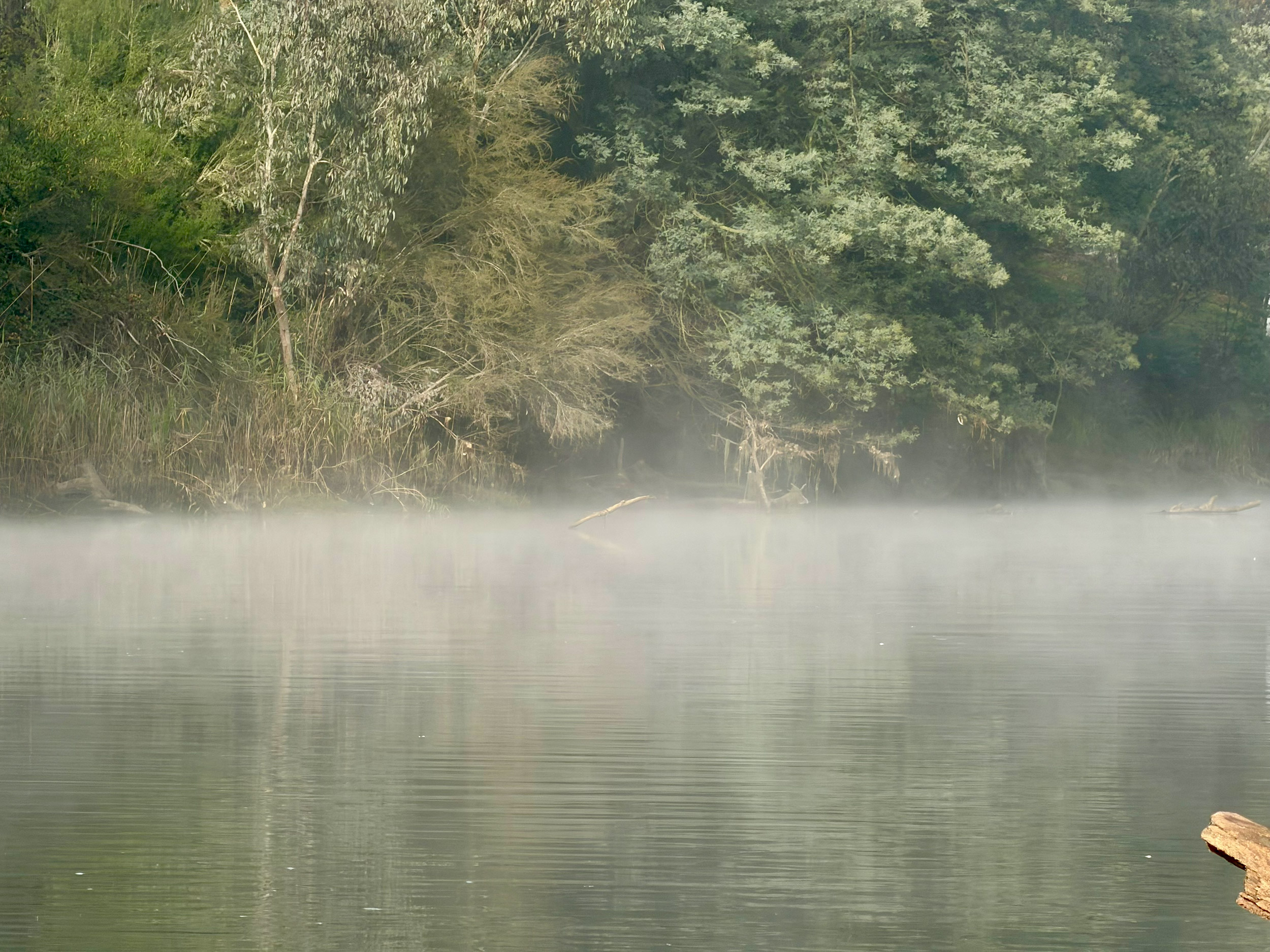
For many people, the season feels all but over by now. Football has returned. Frost settles across the paddocks at daylight. The forecast no longer carries the promise of warm evenings and careless rises. Yet late autumn often produces some of the most satisfying fishing of the entire season.
Not because it is easy.
Because it asks something different of you.
The river itself changes first. Aquatic weed that grew thick through summer begins to thin. Long slicks of clean walking-speed water reappear. The current takes on definition again. Seams sharpen. Bubble lines become easier to read. Fish that spent much of summer spread through fast oxygenated water begin holding in slower, softer lies.
The insects change too.
The big summer terrestrials are mostly gone now. Just a few crickets and beetles remain. Late autumn on the Goulburn becomes a smaller, quieter game. Tiny Baetis mayflies appear through the middle of the day. Midges gather in the softer edges during calm conditions. Some afternoons still produce surprisingly steady dry fly fishing, but rarely with the recklessness of early season. These fish feed with far more caution now.
You find yourself fishing longer leaders, finer tippets and smaller flies.
And strangely, many experienced anglers enjoy this more.
There is less noise around the river in May. Less racing from run to run searching for obvious surface activity. The fishing slows down in the best possible sense. Anglers begin watching more carefully again.
A trout rising steadily in late May often feels more significant than twenty careless summer fish.
There is also something deeply Australian about these final weeks before the close. The willows begin shedding heavier leaves into the current. Mist hangs low over the flats early in the morning before lifting into pale blue skies. Black cattle stand motionless in frosted paddocks beside the river. Wedge-tailed eagles drift overhead in the middle of the day.
The landscape starts preparing itself for winter.
So do the trout.
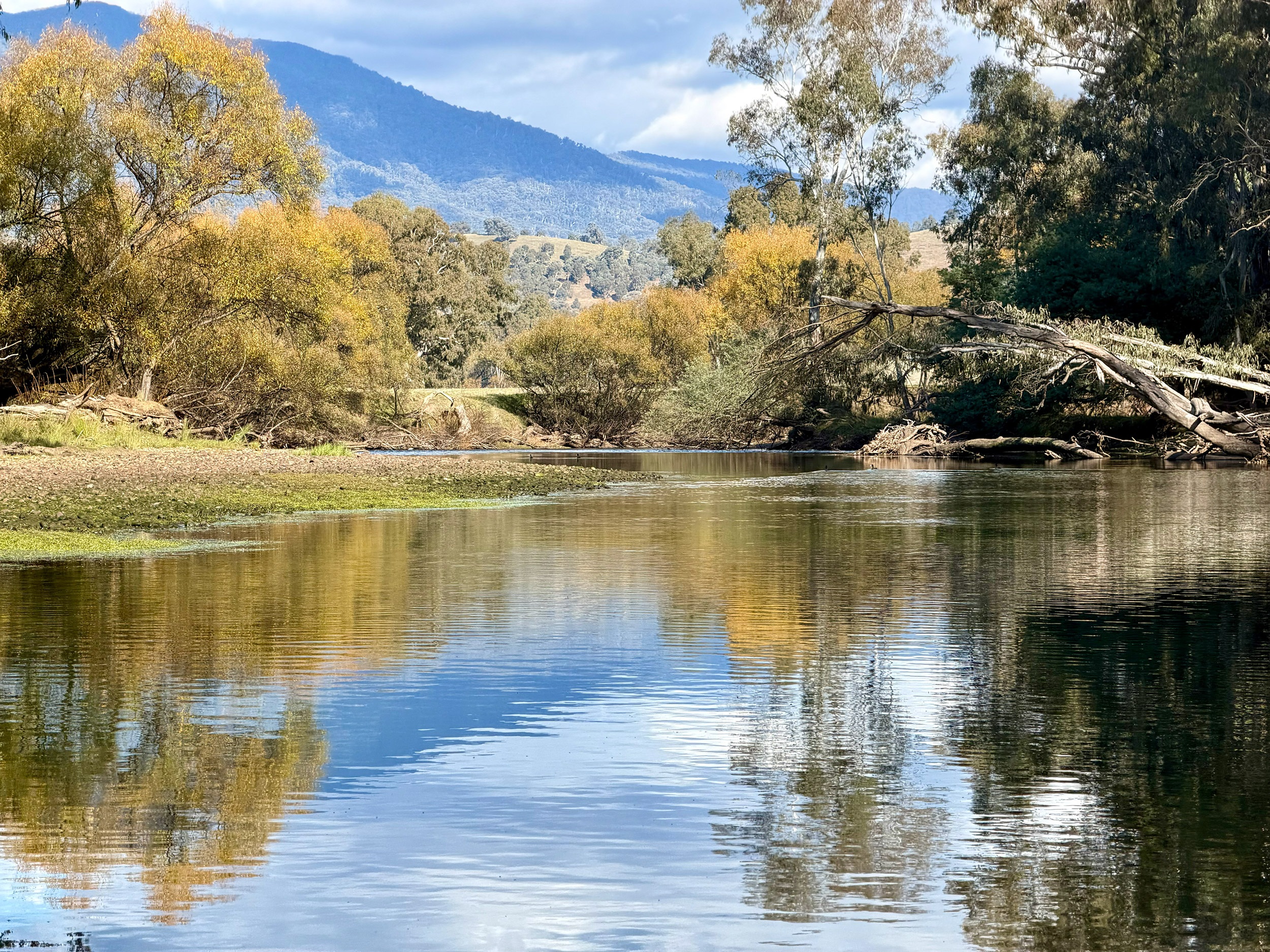
By now many fish are beginning to colour slightly ahead of spawning. Larger browns in particular can become increasingly territorial. It is important during this period that anglers fish responsibly and understand what the close season is intended to protect.
The annual winter closure exists for a reason. Wild trout need the opportunity to spawn with minimal pressure and disturbance. Healthy fisheries depend on restraint as much as opportunity. One of the privileges of living beside a river like the Goulburn is understanding that we are only temporary participants in something much older and more important than ourselves.
Good anglers eventually learn that not every season is supposed to be endless.
There is value in things stopping for a while.
In truth, many guides quietly welcome the close season too, even if we rarely admit it publicly. After months spent rowing boats, studying weather forecasts, preparing lunches, untangling knots and living by the rhythms of clients and river conditions, winter offers something increasingly rare in modern life.
Stillness.
Not complete stillness, of course. There are always fly lines to clean, boats to repair, bookings to organise and next season to prepare for. Winter workshops begin shortly after the rivers close and for many anglers this becomes one of the most productive learning periods of the year. Without the distraction of actively chasing fish, people often improve far more quickly.
The quieter months are also when future adventures begin taking shape.
New Zealand season planning is already underway for next summer. Montana preparations continue in the background as another American season slowly approaches. Maps are studied. Flights watched. Gear sorted. Conversations begin again around campfires, airport lounges and kitchen tables.
For many anglers, anticipation is half the enjoyment.
And perhaps that is part of why the final weeks of the local season carry a certain feeling to them. Not sadness exactly. More an awareness that another chapter is closing and another is already quietly forming somewhere beyond it.
A good guide notices these transitions after enough years.
The angle of the light changes. The birdlife changes. The pace of conversations in the boat changes. Even clients fish differently by late May. There is often less urgency and more appreciation. People linger longer at the take-out ramps. They stand quietly beside the river before driving home.
Some seasons pass almost unnoticed. Others leave an imprint behind.
This one certainly felt like the latter.
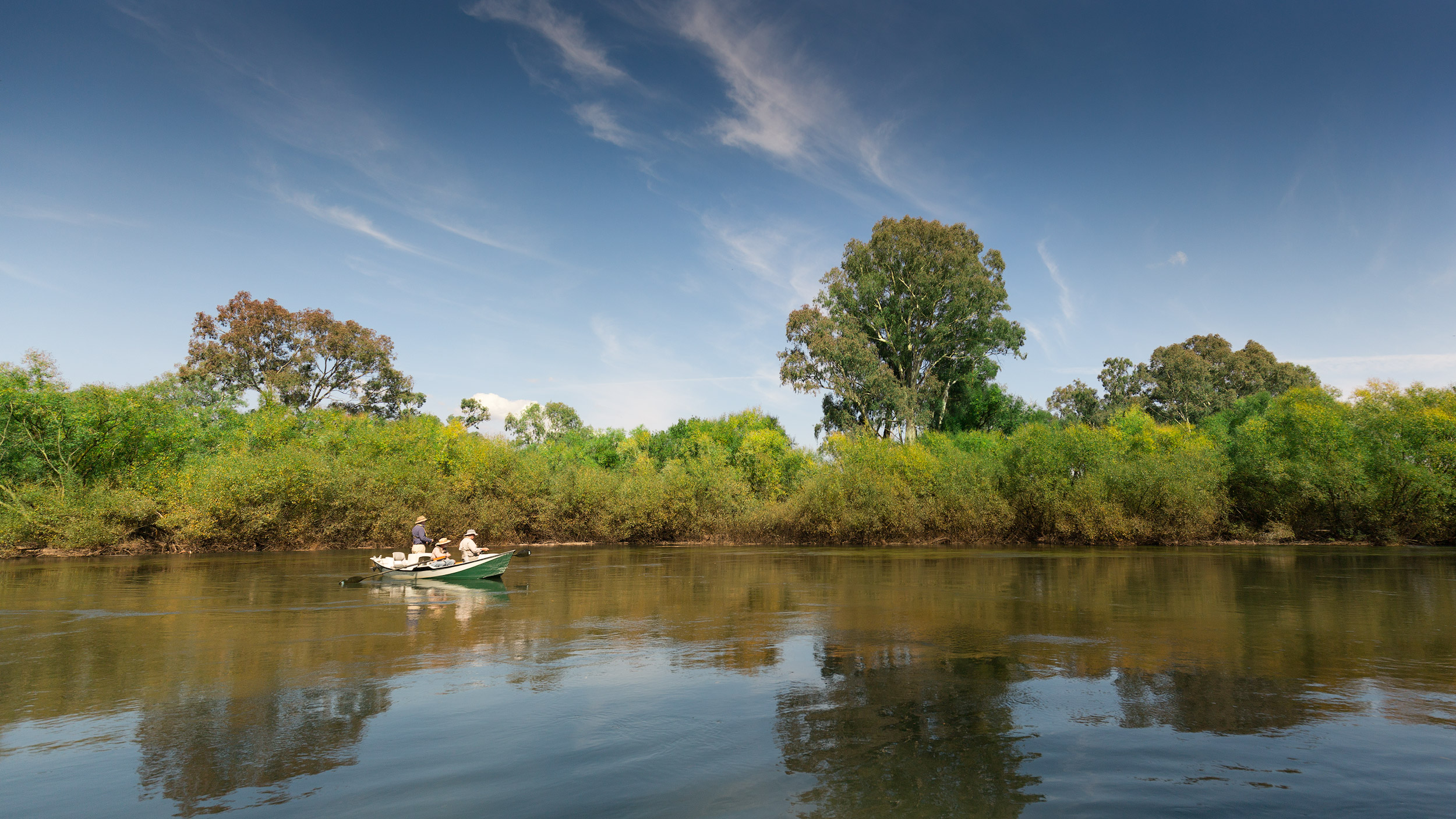
The Goulburn has again produced some remarkable fishing at times this year. Vignettes rather than sustained glory.
There have been difficult periods too, as there always are. Yet the river continues to remind us why tailwater fisheries remain so compelling. No two drifts are ever truly identical. Conditions evolve daily. One afternoon can humble you completely while the next restores every ounce of confidence you thought you had lost.
That uncertainty is part of the attraction.
It always will be.
As we move toward winter, we will continue sharing a mixture of technical pieces, seasonal observations and stories from further afield here on the blog. There is also another long-term project slowly nearing completion in the background, one that has occupied many quiet evenings over recent years.
More on that in due course.
For now though, there are still a few weeks left.
A few final drifts.
A few cold mornings.
A few trout still rising carefully in soft autumn light.
And for anglers willing to slow down enough to notice, late May may still hold some of the finest fishing of the season.