
Goulburn Valley fishing report: 22 September 2026
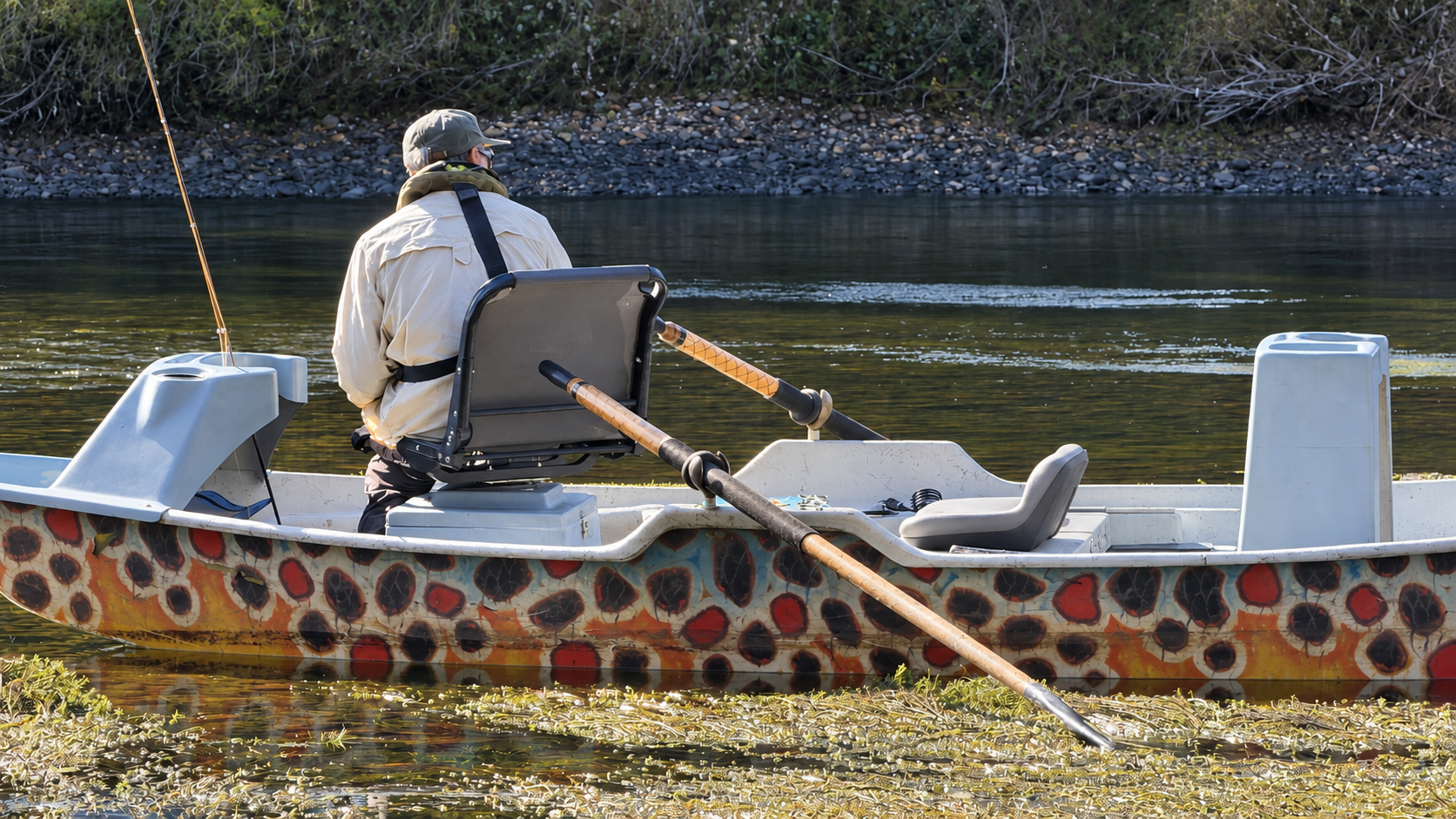
There were beetles landing on us while we fished yesterday. We’ve already seen a few weak spinner falls, caddis are starting to appear, and another run of warm weather is approaching. For the fourth week of September, there is quite a bit happening.
After today’s cooler conditions, Alexandra’s forecast climbs to 20°C on Wednesday, 23°C on Thursday and 25°C on Friday, with temperatures staying in the low twenties through the weekend. There is very little rain indicated before early next week. Combined with a gradual increase in river flows, that gives us something to look forward to.
The Goulburn is very clear. Releases from Eildon have been around 400 megalitres a day, but the forecast issued on 21 September sets out the following increases:
| Date | Forecast release |
|---|---|
| Tuesday 22 September | 600 ML/day |
| Wednesday 23 September | 800 ML/day |
| Thursday 24 September | 1,000 ML/day |
| Friday 25 September | 1,000 ML/day |
Beyond Friday, we’ll wait for the next update. These are planned releases from Eildon, and they can change; check the latest Goulburn–Murray Water forecast before heading out.
That extra water should make a useful difference. As the river rises, more of the gravel bars and their edges come into play, giving fish additional feeding water and a little more cover. We’ll be watching for trout moving into those areas as more food becomes available.
It also opens up our drift-boat options. Being able to work along a bank, cover successive runs and spend time out in the bubble lines where fish are feeding gives us more opportunities across a day. With the river clear and insect activity building, drift boating is becoming a much bigger part of our week again.
The fishing itself still requires care. The Goulburn has had a difficult couple of years, and the recent low, clear water has been demanding. We’ve brought a few fish to the fly this week, but our recent beginner sessions, including two boat days, have finished without a fish. The trout we are finding rising are asking for a good approach and an accurate, drag-free presentation.
That is worth knowing before you arrive. Give yourself time to watch a fish, work out its feeding rhythm and choose your position before making the first cast. A few well-considered presentations are often more useful than repeatedly covering the same trout.
We started the season doing more streamer fishing, but have increasingly moved towards dry-dropper rigs and straight dry-fly setups. From the boat, a nine-foot leader – and sometimes something shorter – with a stronger tippet can work well when we can position ourselves for a controlled drift. For stalking fish from the bank in the current clear water, I’d be starting with a 10–12-foot leader down to 5X.
Keep an eye on what is actually arriving on the water. The spinner falls have already given us reasons to stop and watch, caddis are becoming more noticeable, and yesterday’s beetles were a reminder to have a few terrestrial patterns handy. Flying ants are something I’ll be watching for next. If the warmth continues, it will be interesting to see how early the cicadas appear.
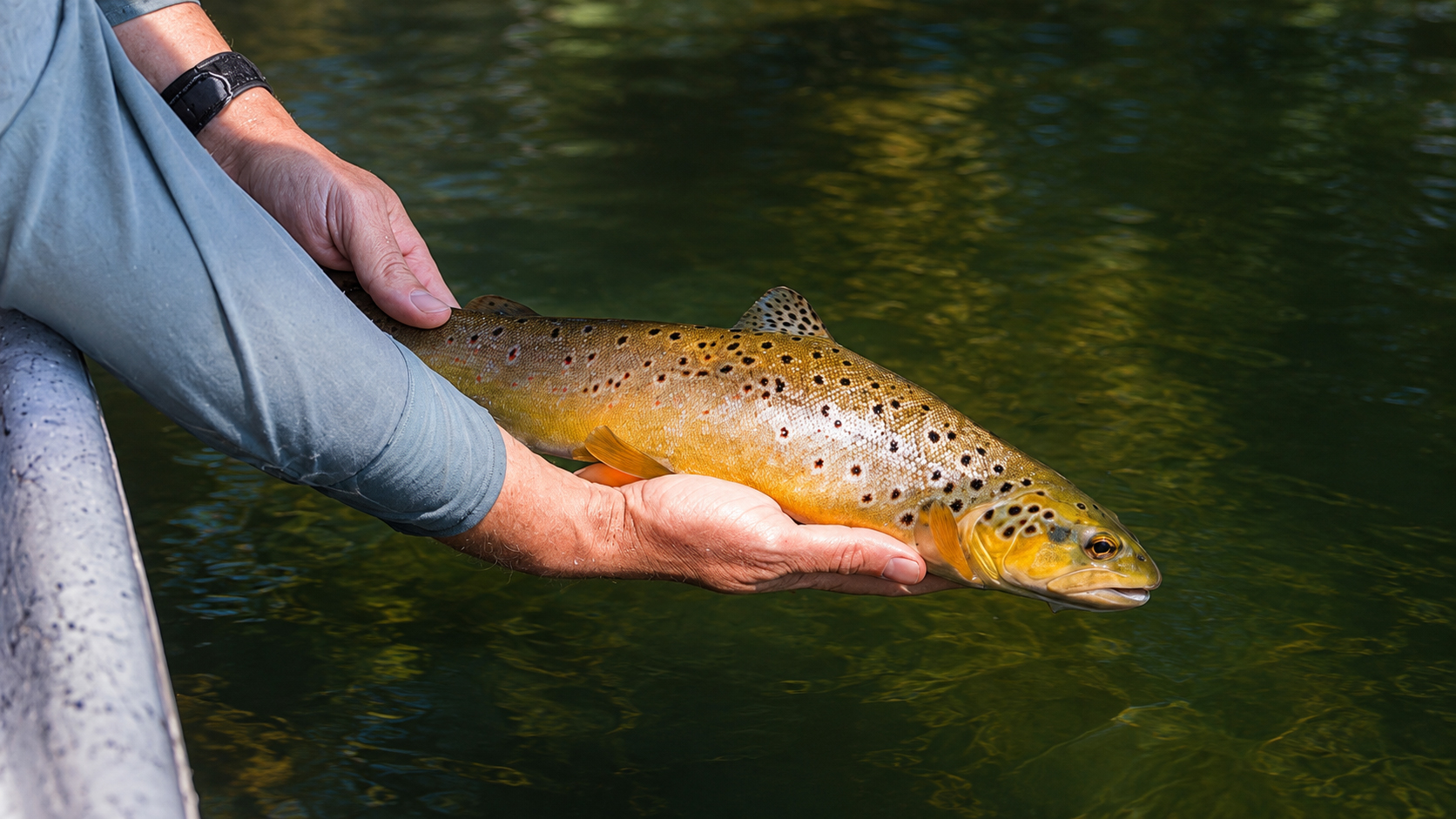
The smaller rivers deserve attention too. On the Rubicon, we often associate reliable dry-fly fishing with November. During some of the drought years, though, we were fishing dries from opening day, with the usual progression of insect activity seemingly brought forward by a month or more.
We may see some of that again. My advice is to start looking earlier than you ordinarily would. Visit a favourite stretch, spend a few minutes watching the quieter water and let what you see determine how you fish. There could be some very worthwhile small-stream fishing over the next couple of months.
Looking further ahead, the Bureau’s latest climate update confirms an established El Niño, while emphasising that its strength does not translate directly into the severity of local conditions. That’s spoken like a true politician. A warm, dry season is something we need to prepare for, but September cannot tell us exactly how every river will look in February.
Our recent Montana trip was a reminder of how much water choice matters in a difficult summer. It was among the hottest, driest visits I can remember. We found good fishing on the tailwaters while other waters were affected by heat, low flows and fishing restrictions. That experience has me thinking carefully about the coming season here.
If our smaller rivers become low and warm, their best fishing may come earlier, and there may be periods when we should leave them alone. The Goulburn’s cold releases from Eildon give us an important option, although we’ll still be watching temperatures and flows rather than assuming conditions will remain suitable everywhere.
For now, there is plenty to watch with interest: clear water, a measured rise in flows, insects appearing and warm days ahead. I have five consecutive days with experienced fly fishers coming starting tomorrow, which should give us a better picture of how the river responds.
We expect to have boats on the river most days from now on. Whether you’re thinking about a half-day drift, a full day on the water or a few days fishing and staying locally, get in touch. It’s always worth asking if an opportunity comes up at short notice.
We’ll keep you posted as the flows change and the fishing develops.
Tight lines,
Ant
0418 995 611