
Why People Return to Rivers
Most people assume fly fishing is about trout.
At first glance, that seems reasonable enough. Rods, flies, currents and rising fish are the visible parts of the sport. If somebody unfamiliar with fly fishing watches a drift boat slide quietly down a river at dusk, they naturally assume the entire exercise revolves around catching fish.
And of course, the fish matter enormously.
Even after thirty years on rivers, I still feel that small lift of anticipation before a cast into a difficult lie. There are mornings when the river seems alive with possibility and evenings when fading light, drifting insects and the quiet confidence of rising trout create moments that remain deeply satisfying no matter how many seasons pass. The challenge never completely disappears.
Yet the longer I spend around rivers, the more convinced I become that many anglers are searching for something slightly harder to describe. If catching fish alone were the entire story, most people would eventually move on to easier pursuits. There are certainly easier ways to catch fish. You can troll lakes, soak bait or cast lures. Modern electronics can reveal structure, depth and fish locations with astonishing precision. Yet countless people continue choosing a method that often involves standing in cold water, learning difficult skills and spending long periods observing insects and currents before making a single cast.
Something else is happening there.
That thought has stayed with me more and more as I’ve grown older.
I still remember the first trout I caught on fly quite clearly, though not because it was particularly large. What stayed with me was the feeling of entering a different world for the first time. The concentration required. The movement of current around my legs. The strange silence that settles over a river late in the day. The growing awareness that water is never truly still, even when it appears calm from a distance.
Looking back, I think that was the moment the river itself became important. The fish simply opened the door.
Fly fishing teaches observation slowly. At first, beginners understandably focus on mechanics. Casting. Knots. Fly selection. Line control. Like learning any new skill, there is a tendency to become consumed by technique. Over time, however, attention begins shifting outward. You start noticing weather patterns more carefully. The direction of wind. Tiny insects gathering beneath overhanging branches. Shadows moving across riffles. The subtle difference between water that merely looks good and water that actually holds fish.
Eventually the river begins teaching lessons that have very little to do with trout.
Patience, for one.
Modern life encourages speed, immediate outcomes and constant stimulation. Rivers tend to resist all of that. Some days they humble you completely. Conditions that appear perfect may fish terribly, while difficult days occasionally transform without warning during the final hour of light. There is no controlling that uncertainty. Only learning to work within it.
Perhaps that is one reason rivers remain so valuable. They remind us that not everything can be hurried.
Over the years I have watched countless people arrive at rivers carrying far more than fly rods and waders. Some are exhausted from work. Some are quietly grieving. Some are recently retired and trying to rediscover rhythm in their lives after decades of responsibility. Some are navigating illness. Some are processing family difficulties. Some simply need space away from phones, meetings, traffic and noise.
The river rarely solves any of those problems directly. But it changes the pace at which people think.
That matters.
One of the great misconceptions about fly fishing is that it is an elitist or overly technical pursuit. Certainly, there are technical aspects to the sport. Fly casting takes practice. Reading water takes time. Rivers reward accumulated experience. Yet at its heart, fly fishing remains surprisingly simple.
You stand in moving water and pay attention.
That is really where it begins.
Somewhere along the way, many anglers realise the river itself has become just as important as the fish living within it. The places start mattering deeply. Certain bends become tied to memory. Particular stretches of water become inseparable from people, seasons and moments in life.
I can still drift sections of the Goulburn and remember conversations from twenty years ago almost exactly where they occurred. An older client speaking quietly about retirement while rain moved across the hills upstream. A father watching his son row a drift boat for the first time. A mayfly hatch appearing unexpectedly during difficult conditions. The shared silence that sometimes settles over a boat late in the afternoon when everybody realises they are exactly where they want to be.
Those moments become part of the river too.
The river remembers in its own way. Or perhaps we simply leave small pieces of ourselves behind.
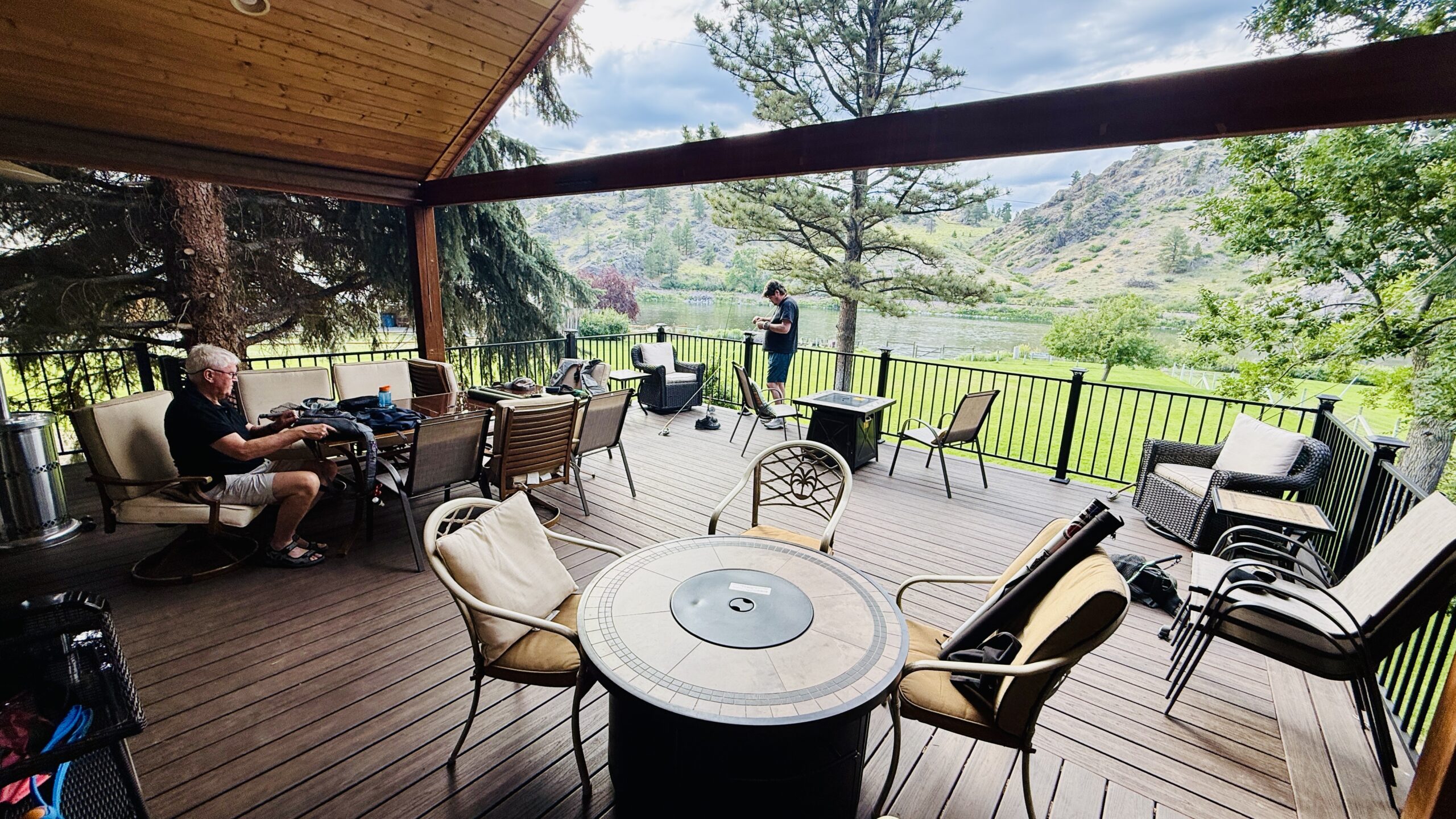
I have experienced the same feeling elsewhere. There are sections of the Waiau River in Southland where I can still picture clients from years ago stalking trout along particular banks. Certain bends on the Missouri River in Montana instantly bring back conversations, laughter and shared experiences from previous seasons. I can drive through Paradise Valley or cross the Henry’s Fork and immediately feel old memories resurfacing.
The fish are part of those memories.
But only part.
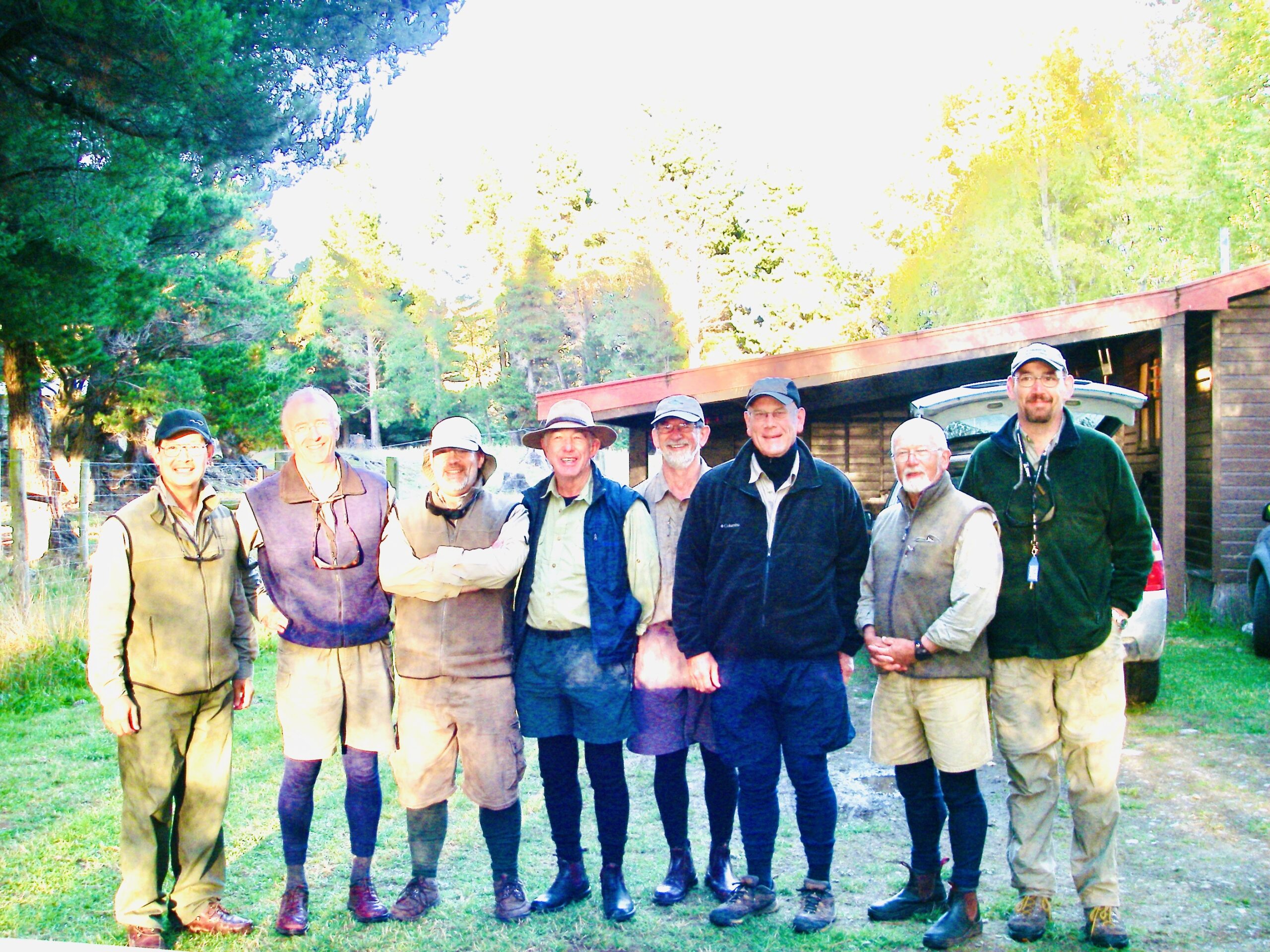
What stays longest are usually the people.
Perhaps that is why many anglers become increasingly reflective as they get older. The obsession with proving oneself softens slightly. Fish numbers matter a little less than they once did. Atmosphere matters more.
You begin noticing things younger anglers often rush past: steam lifting from cold water at dawn, the sound of current against the hull of a drift boat, the smell of eucalyptus after rain along the Goulburn, a wedge-tailed eagle circling above a valley, and light changing on distant hills during the final hour of the day.
These details quietly accumulate over years until they become inseparable from the fishing itself.
Travel deepens the feeling even further. Some of my strongest memories from Montana and New Zealand are not individual fish at all. They are moments between the fishing. Crossing Wyoming at sunrise beneath enormous skies. Coffee before daylight in a small Montana town. Snow appearing unexpectedly on distant mountains during summer. Watching clients see Yellowstone National Park for the first time. Wind moving through Paradise Valley late in the evening.
Those places carry emotional weight because they become connected to experience, memory and friendship.
And perhaps that is another reason people keep returning to rivers. Fly fishing rarely remains a solitary pursuit for very long. Over the decades I have watched lifelong friendships emerge through rivers. Complete strangers sharing a drift boat in New Zealand later travelling together overseas. Fathers bringing sons. Grandparents introducing grandchildren to fly rods. Clients who initially came to learn how to cast eventually returning year after year simply because they love the atmosphere surrounding the experience.
Fishing creates its own strange little communities. Not loud ones. Usually quiet ones. People connected by weather, water and accumulated time outdoors.
The older I get, the more grateful I become for that continuity. For familiar rivers. For old clients. For guides and friends scattered across different parts of the world. For the privilege of making a life outdoors. And for the understanding that fly fishing has always been about far more than trout alone.
The fish draw us in initially. But they are rarely the only reason we stay.
What keeps people returning to rivers, I suspect, is something much harder to market neatly. A search for stillness. Perspective. Meaning. Connection to landscape. Connection to memory. Connection to earlier versions of ourselves.
Or perhaps simply the growing realisation that time spent outdoors—properly outdoors, immersed in weather, current and changing light—remains one of the few experiences in modern life that still feels genuinely restorative.
Rivers ask very little from us in the end.
Mostly attention.
And perhaps that is why, despite all the changes in the world around us, people continue returning to them generation after generation.
Because somewhere beside moving water, many of us become slightly more aware of what actually matters.
Ant