
Goulburn Valley Fishing Report
Friday 23 October 2026
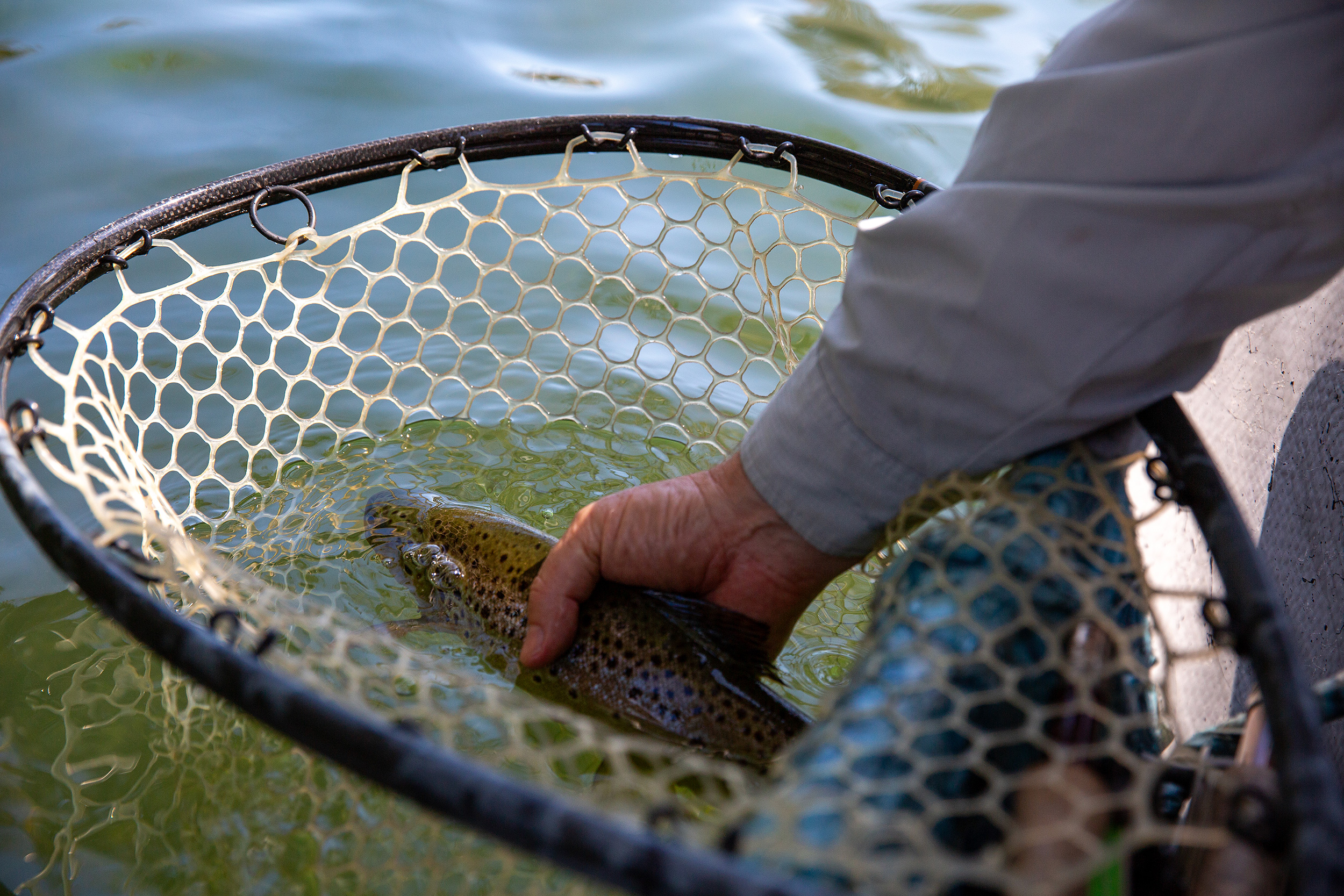
Welcome to the Goulburn River fishing report for the week ending Friday 23/10. It has been another very busy week on the Goulburn, with guides on the water every day and Tony and Chad helping us work through a full calendar. The river has presented plenty of challenges, but the encouraging news is that the fishing has improved over the past couple of days and we are beginning to get a much clearer picture of where the trout are holding and how best to approach them.
Lake Eildon is currently sitting at approximately 61.2% of capacity, with combined inflows of around 1,500 ML/day and releases reducing from approximately 4,500 ML/day towards 4,000 ML/day. Water temperature is around 11.7°C, with dissolved oxygen at approximately 10.2 ppm. The latest release schedule points to a continuing reduction over the next few days, stepping down through approximately 4,000, 3,600, 3,200 and eventually 2,800 ML/day if the forecast remains unchanged. As always, these are scheduled releases and can change without notice.
One of the more surprising things this week has been the colour in the river. In the previous report I expected the Goulburn to clear quickly as releases increased, because once we get into the 3,000 to 5,000 ML/day range without substantial dirty water entering from the tributaries, the sheer volume of water coming out of Eildon usually overwhelms those smaller inflows and progressively cleans the river up. That hasn’t happened as cleanly this time. Even immediately below the dam there has been a slight colour to the water. Visibility has still been quite good, perhaps six or seven feet in places, but it hasn’t had that classic gin-clear Eildon appearance. Farther downstream, particularly below the Acheron, Alexandra and towards Molesworth, the river became considerably more discoloured, so we moved most of our drift-boat fishing farther upstream over the past week to stay closer to the cleanest water.
The higher flows initially made finding trout difficult because the river changed quickly and fish were not always where we expected them to be. After several days on the water, however, we began to identify the edges, seams and bubble lines where trout had settled, and once that pattern became clearer the fishing improved noticeably. The past two days have been significantly better, with fish holding on station in places that can be targeted rather than simply encountered by chance. That is one of the major advantages of having boats on the water every day: we can follow those changes as they happen, build a picture of where the fish have moved and apply that information to the next trip rather than starting from scratch each morning.
Yesterday was particularly interesting because the river was forecast to begin falling, yet through the afternoon it appeared to rise slightly and we saw quite a lot of timber moving downstream. That was the opposite of what I expected to see from a river supposedly on a downward trajectory. Today it appears to have resumed its fall and is behaving more in line with the release forecast, but it is another reminder that actual river conditions do not always move neatly in step with the published numbers.
The weather over the past four or five days has gradually become warmer and more humid, and the insect activity is beginning to reflect that. Caddis are still around, although we have not been seeing large numbers of mayfly duns through the main part of the day. Most of the better dun activity has been concentrated around last light, while spinner falls have been more noticeable from mid-afternoon until the sun leaves the water. There are also still grannoms about and increasing numbers of terrestrial insects are starting to appear. We are probably not far away from some of the larger terrestrial food becoming significant, and if the warmer weather continues I would expect that change over roughly the next week to ten days. That should give more trout a reason to move towards the edges and spend more time looking upwards.
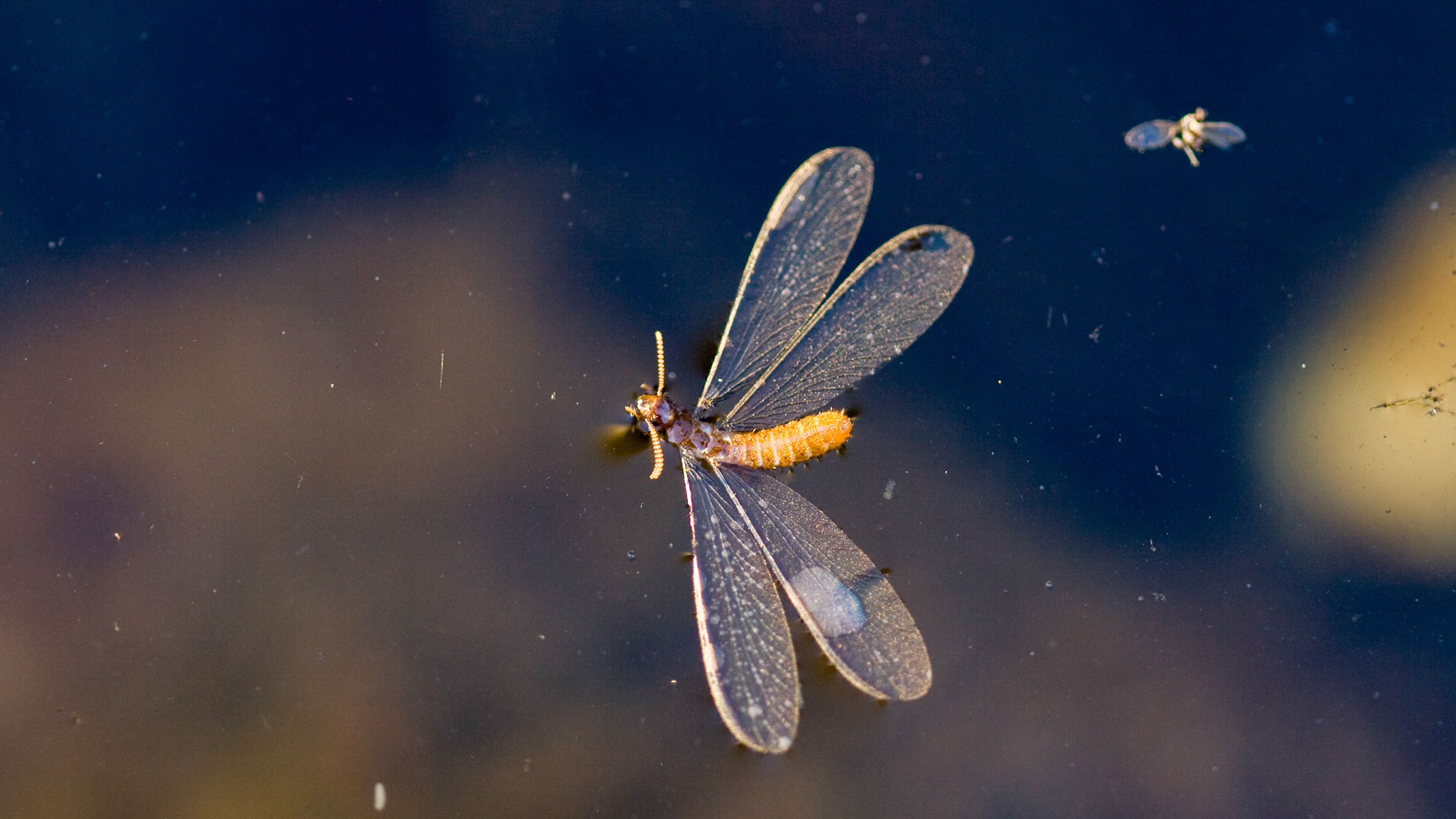
Encouragingly, we have also started catching more fish on dry flies over the past few days than we were at the end of last week and the beginning of this one. We are not yet into consistent summer-style dry-fly fishing, but things are clearly beginning to move in that direction. For now, the most effective approach is still to remain flexible: search water where necessary, but be prepared to change immediately when a fish begins feeding on top.
For anglers fishing from the bank, the Goulburn has remained a difficult proposition. The higher flows make access and presentation much harder, and several very experienced local anglers I know well have struggled to find consistent fishing during the week. There have also been a number of visiting groups and clubs in the district, which has concentrated quite a lot of pressure onto the smaller streams. We have been fortunate in the drift boats because we can cover far more water, access edges and runs that are impractical from the bank, and move quickly between sections once we establish where fish are holding. For someone fishing on foot, the main river is simply much harder at present.
The smaller streams are therefore attracting a lot of attention, and I won’t name individual waters here because several are already being fished quite heavily. Some of them are fishing very well, however, with good numbers of rising fish in places and flows that are noticeably lower than we would normally expect at this point in October. The warm, dry conditions have brought some of the dry-fly fishing forward, and in a normal year some of these opportunities might not become reliable until considerably later. That is good news in the short term, but it is also worth paying attention to why it is happening.
The inflows into Lake Eildon tell part of that broader story. Late October would ordinarily be a period when we expect strong spring inflows from across the catchment, yet combined inflows are currently only around 1,500 ML/day. That is a very modest figure for this time of year. I don’t think anyone can say with certainty exactly how the coming summer will unfold, but I also don’t think it helps anglers if we pretend the current conditions are entirely normal. The catchments are dry, many smaller streams are running ahead of schedule, and reliable cold water may become increasingly important as the season progresses.
That is something I am especially conscious of after spending time in Montana during the Australian winter. We saw firsthand what prolonged heat, low flows and elevated water temperatures can do to a fishery, with fishing-hour restrictions and closures becoming part of the landscape on a number of rivers as the hot summer wore on. That experience does not automatically predict what will happen here, but it has reinforced my view that this is a season to pay close attention to water temperature and to plan fishing around reliable cold-water sources whenever possible.
The Goulburn remains one of our strongest options for that reason. GVFFC was established here in 1994 partly because releases from the bottom of Lake Eildon give the river a cold-water buffer that many freestone streams simply do not have. The Mitta Mitta and other cold tailwaters can offer similar advantages. That does not mean those rivers are immune to difficult conditions or that every day will fish well, but if we do move into sustained hot and dry weather, cold water is likely to become one of the most important factors in deciding where to fish.
On the smaller streams, particularly later in summer, I would strongly encourage anglers to pay attention to water temperature rather than simply fishing because you’ve fished the river before and it was good. If the water becomes uncomfortably warm, especially later in the day, give the trout a rest and find somewhere colder. It may become one of the most important habits we can adopt this season.
The immediate weather forecast should at least interrupt the recent run of warmth. Alexandra is around 24°C today, with showers possible this arvo. Saturday is also forecast around 24°C, with approximately 5–10 mm of rain possible and the chance of thunderstorms. Sunday looks considerably cooler at around 19°C, again with 5–10 mm possible. From Monday into the middle of next week, daytime temperatures fall back into the mid-teens before beginning to recover later in the week. If that rain arrives through the tributary catchments, we may see another change in river colour and conditions, so flexibility will continue to be important.
If I were choosing where to fish over the next few days, the decision would be fairly straightforward. From a drift boat, the Goulburn remains the main option because we can cover enough water to locate fish and adjust sections as the river falls. From the bank, the Goulburn is still difficult and I would only approach it with fairly modest expectations unless you can locate a rising fish or a particularly accessible piece of water. For anglers fishing on foot, the smaller streams are probably the most interesting option at present, particularly where the dry conditions have brought forward some of the dry-fly activity. Just be conscious that many of those waters are receiving more pressure than usual, and give other anglers plenty of room.
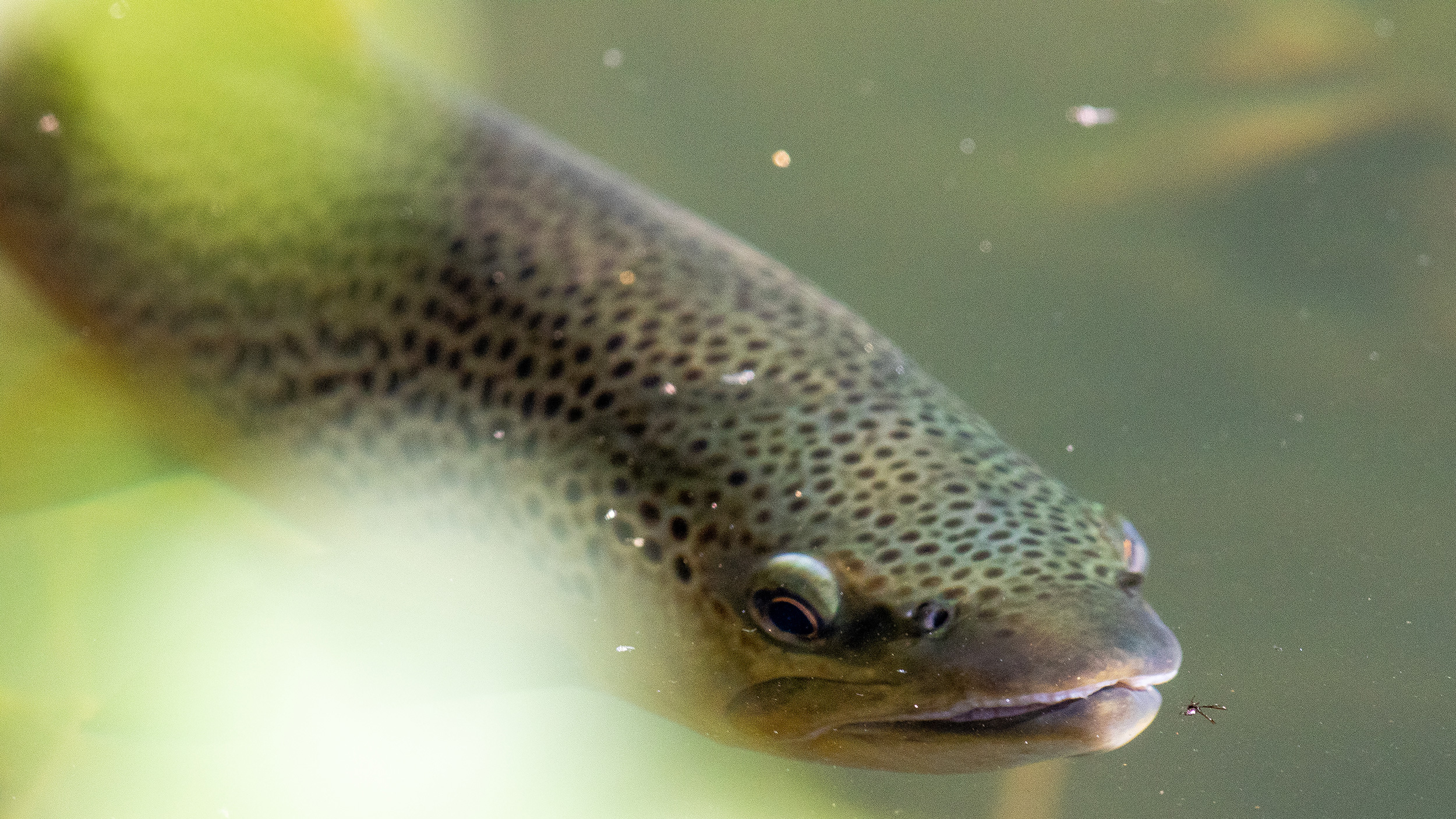
Despite the challenges, there are some genuinely encouraging signs. The fishing has improved over the past couple of days, more fish are beginning to respond to dry flies, spinner activity is increasing and we are getting very close to the period when terrestrial insects begin to influence the fishing in a much more meaningful way. The river is changing quickly, but overall I think we are moving in the right direction.
We are fully booked this weekend, but there is some availability next week and increasing guide capacity as we move into the main summer period. If you would like to fish with us, send me a message and I’ll give you an honest assessment of the conditions and where I think the best opportunities will be. You don’t need to be booking a trip to ask for advice either. If you are heading to the region and want an update on conditions, access or where I would consider fishing, get in touch. Providing genuine local information has always been part of what we do.
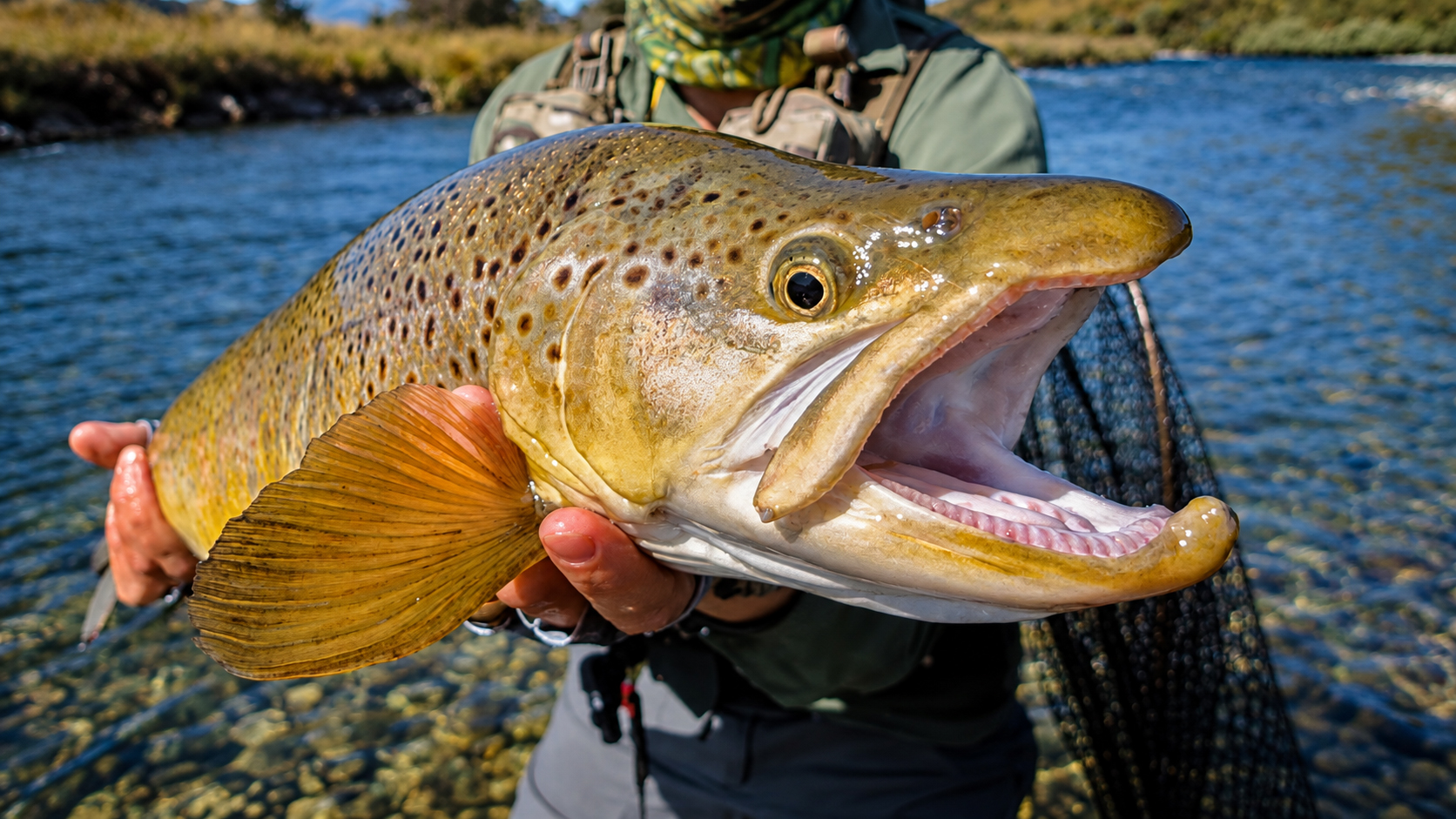
For those considering Southland this summer, the remaining places are now becoming limited. We currently have availability in the final week of January, two places remaining on one of our February departures, and a handful of positions through early to mid-March. There are still several weeks where we can accommodate a pair, and one departure where a group of four can take the entire week. If New Zealand has been on your radar, now is probably the time to talk to us rather than waiting until later in the season.
We have also just filled another of our Montana departures and are now running four separate hosted trips across roughly two months. Each has been designed around the rivers and conditions we expect during that particular part of the season, so while there is some overlap, the itineraries are deliberately not identical. Our later July program in particular shifts towards waters that remain productive as the western summer becomes hotter and some lower, warmer rivers become less reliable. I’ll be personally hosting the departures, so if you have travelled with us before and would like a different Montana experience, or you are considering joining us for the first time, get in touch and I can talk you through the different options.
For now, enjoy the weekend and keep an eye on the weather. The river is changing almost daily at the moment, and we’ll continue to follow it closely.
Tight lines,
Anthony
Goulburn Valley Fly Fishing Centre