
A Forecast That Never Arrived, a River Rising Fast and the First Flying Ants
Goulburn River Fishing Report: 13 October 2026
There are times in guiding when the responsible decision turns out to be the wrong one, at least as far as the weather is concerned.
A couple of clients from Perth were booked to fish with us for three days this week. Because they were flying across the country and had accommodation and flights to adjust, we needed to make a decision last week rather than waiting until the last moment. At that stage the forecast was remarkably consistent. We were being told to expect roughly an inch of rain on Monday, another inch on Tuesday and perhaps half an inch again on Wednesday.
Had that rain arrived across the catchments, the expectation was that the tributaries would rise and releases from Lake Eildon would be reduced to capture the incoming water and avoid unnecessarily adding regulated releases to natural flows downstream. The Goulburn gathers water from numerous tributaries below the dam, and river levels farther downstream can rise substantially even when releases from Eildon are modest. Goulburn-Murray Water also notes that releases can change in response to inflows, observed rainfall and updated weather forecasts. Goulburn-Murray Water.
Given the information available, cancelling was the only sensible call.
Naturally, the rain largely failed to arrive.
As I write this, conditions have been mostly mild and overcast, with very little rainfall. Instead of the river dropping, releases are now climbing rapidly. It is frustrating for the clients who changed their plans and frustrating for us, but this is the nature of working outdoors. Decisions have to be made using the forecast in front of you, not the weather that eventually arrives.
The river is coming up
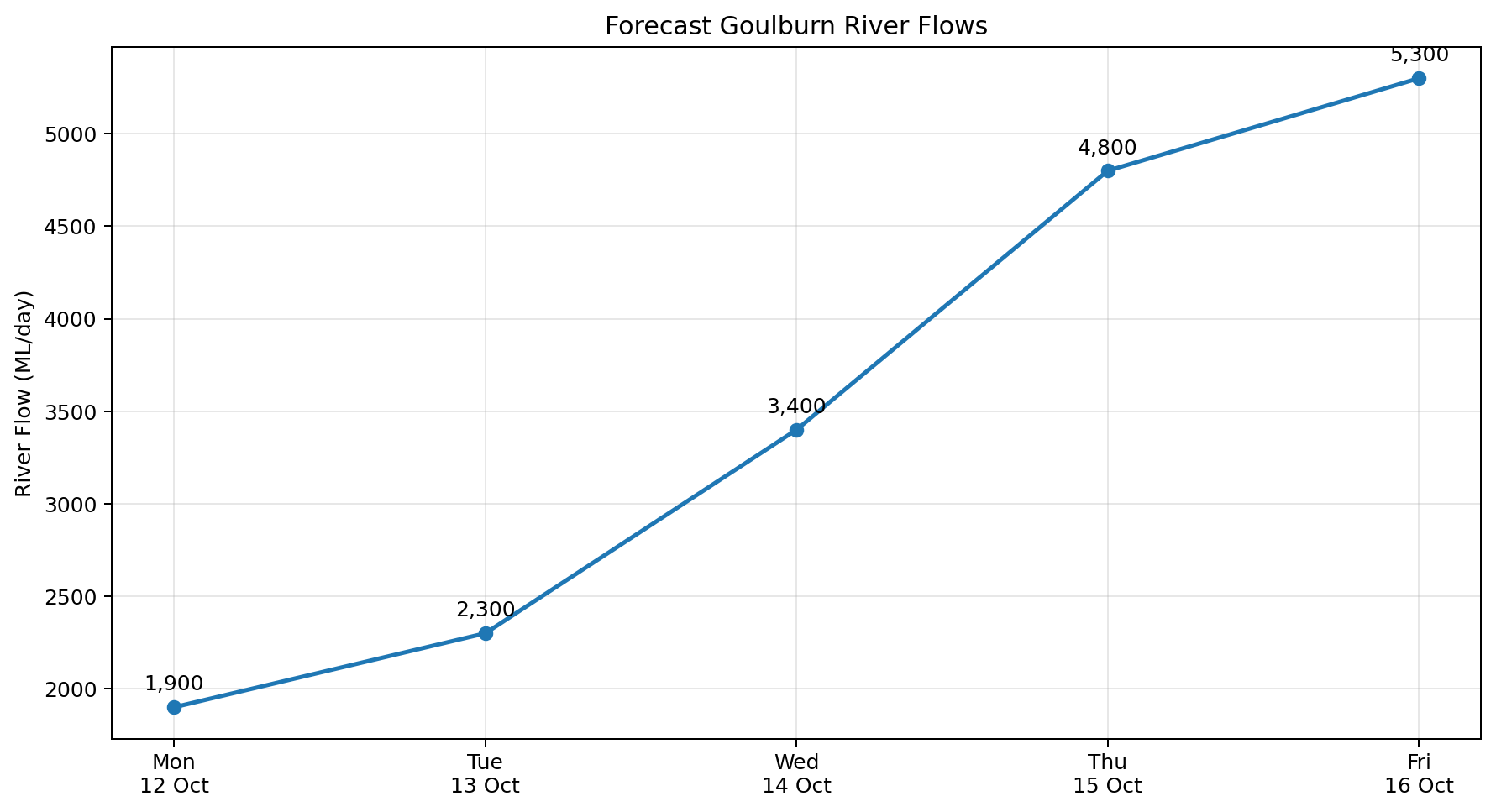
The most recent Goulburn-Murray Water schedule was issued at 10 am on Monday 12 October. It showed the Lake Eildon release at 1,900 ML/day, rising to 2,300 on Tuesday, 3,400 on Wednesday, 4,800 on Thursday and 5,300 ML/day on Friday. These are releases at Lake Eildon, and the changes will take time to work their way down the river. But today it is coming up with more rises scheduled.
| Date | Forecast release |
|---|---|
| 12 October | 1,900 ML/day |
| 13 October | 2,300 ML/day |
| 14 October | 3,400 ML/day |
| 15 October | 4,800 ML/day |
| 16 October | 5,300 ML/day |
|
|
Goulburn-Murray Water has 40 GL of inter-valley trade water planned for delivery from the Goulburn system to the Murray during October. The published information does not specify exactly how much of each daily increase is attributable to environmental water, customer demand or inter-valley trade, so we can’t label this simply as an irrigation rise. What matters from a fishing perspective is that the river is now moving towards something resembling its summer height.
That will change the fishing considerably.
Before the latest rise began, sections with a reasonable concentration of trout were fishing ok. Other stretches were exceptionally difficult. We have worked hard using streamers, nymphs, dry-dropper combinations and straight dry flies, and it has been eye-opening to see how little fish activity there has been in places that otherwise appeared close to ideal.
The river was below 1,500 ML/day for much of that period. Water temperatures were around 13°C and dissolved oxygen was above 10 parts per million. From a water-quality perspective, it does not get much better. There was a little colour left in the river after the previous week’s rain, but that has largely disappeared. As the higher release pushes through over the next few days, I expect the river to become extremely clear again and remain that way for the foreseeable future.
Good conditions does not automatically mean more fish, of course. That remains the underlying question in many of the sections we have been fishing over the past few weeks.
Rising water has unsettled the trout
Even comparatively small changes of 200 or 300 ML/day have been enough to unsettle fish during the early part of the season. As water begins covering additional gravel, edges and side channels, trout move into newly available water and once again must jostle for position and reestablish the pecking order. This takes time. Feeding lanes alter. Current speed changes. A comfortable lie one day may be less useful the next.
The latest increase in flows is much larger, and it will take the fish some time to settle into it.
The positive side is that once the river reaches these higher levels and remains reasonably stable, a great deal more habitat comes into play. Fish can move towards softer edges, flooded grass, backwaters, current breaks and bankside structure. These are the sorts of positions that make summer drift-boat fishing on the Goulburn so interesting.
The rise will also give us a much clearer opportunity to assess what is actually in the river. At low water, fish can remain concentrated around a handful of deeper runs, access points and stocked areas. At 4,000+ ML/day, there is enough water for trout to redistribute through much longer sections. It also opens the entire river up to drift boat access and scares off most of the wade fisherman who relocate to nearby smaller streams.
If the release remains reasonably stable for any length of time, we should begin seeing fish take up recognisable summer positions. We are also only a few weeks away from the larger terrestrial insects becoming genuinely important, which should encourage more trout towards the edges.
When you find a rising fish, stay with it
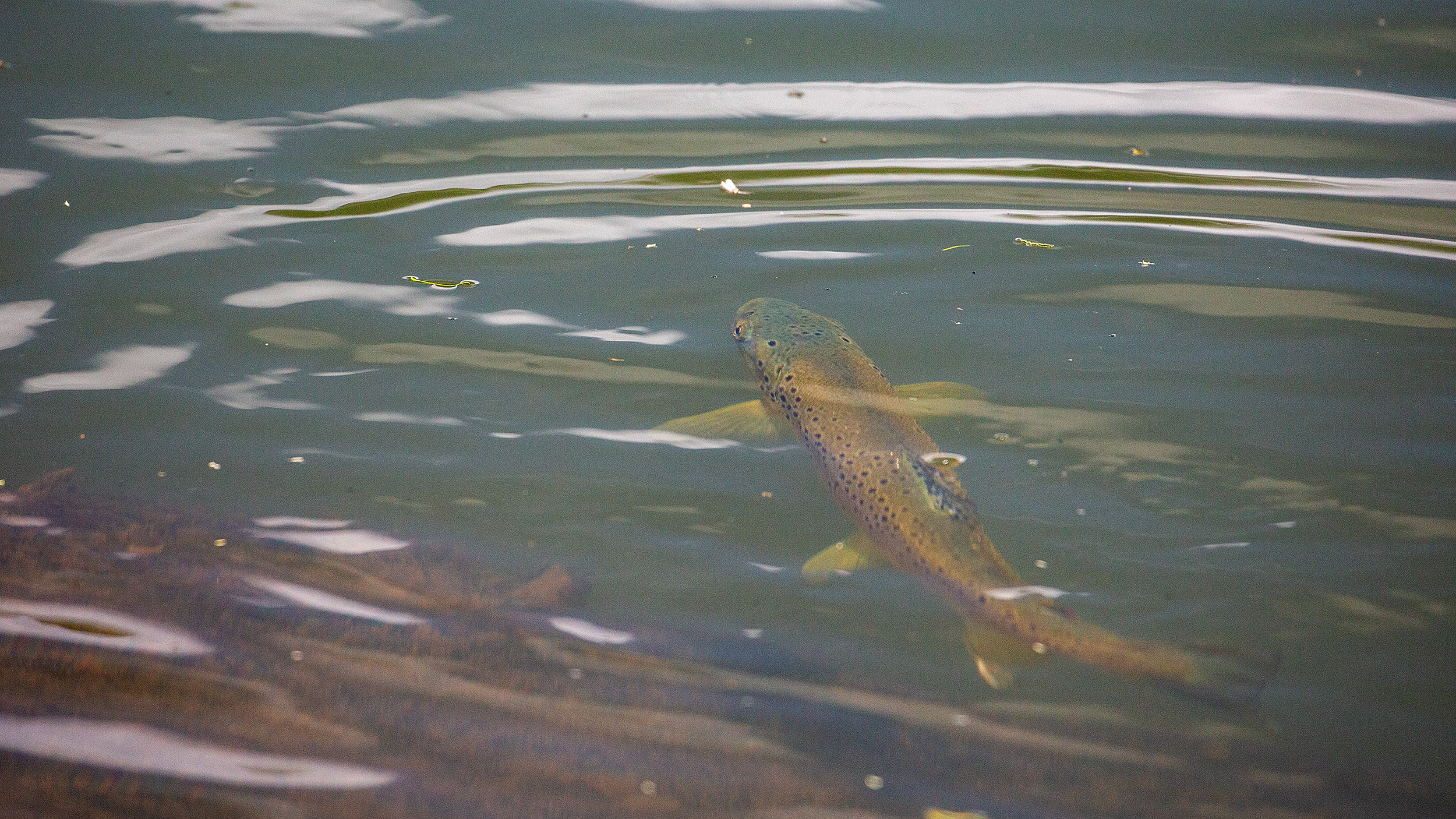
The main advice I would give anyone fishing the Goulburn at present is simple. When you find a worthwhile rising fish, take your time.
Do not rush the first cast. Do not make a poor presentation simply because the trout has risen twice and you are worried it may stop. Watch the fish, work out its rhythm, identify the best position and only cast when the opportunity is right.
We spent roughly an hour on one trout this week.
We anchored the boat nearby, altered the leader and tippet, selected the flies and watched. For perhaps forty minutes we simply tracked the fish through the seam and backwater with polarised glasses. It moved from one feeding line to another, occasionally slipping into a position where a cast was possible, then drifting back somewhere the presentation would have been compromised by drag almost immediately.
The clients may initially have wondered whether I had lost my mind by devoting so much time to one fish. At one point I was sure it was gone and stood on my rower’s seat for about 15 mins before finally sighting it again, which gave us the confidence to persevere with it.
We cast only when it moved into exactly the right place. Eventually, on one of the few occasions when it zigged rather than zagged, the fly arrived perfectly and the trout ate.
It was probably the largest trout the client had hooked in Australia, and understandably he became nervous during the fight. The fish was brought close to the boat too early while still very green. I broke one of my own rules and took a swipe at it with the net because I was concerned about the amount of pressure being applied and could sense the tension that it might be lost.
For a moment the fish was inside. Then, as I lifted at full stretch, it slid forward over the lip and back into the river. That produced another anxious five minutes before we finally got it into the net properly.
The landing was untidy, but that is not the important part of the story. The important part was everything that happened before the fish ate. We did not waste the opportunity. We watched, waited and made the cast only when the odds were as favourable as we could make them.
That matters at present because those opportunities can be a long way apart.
There are access points and bridges where recently stocked fish have remained in greater numbers than elsewhere. At the right time of day, particularly during an afternoon hatch or near evening, anglers may catch two or three good fish within a relatively short period. Away from those concentrations, the river has often required much more searching.
When you locate a quality wild fish feeding steadily, it deserves proper attention. Stay with it until you catch it, spook it or learn enough to know that continuing is no longer productive.
The hatches are still developing
Up until now the changing flows have unsettled the fish more than they have interrupted the insects.
We are still seeing spinner falls during the afternoon, which means mayflies are emerging somewhere through the system, perhaps close to last light or after dark. Caddis are becoming increasingly noticeable, along with grannoms, dragonflies and beetles. We have also seen the first flying ants.
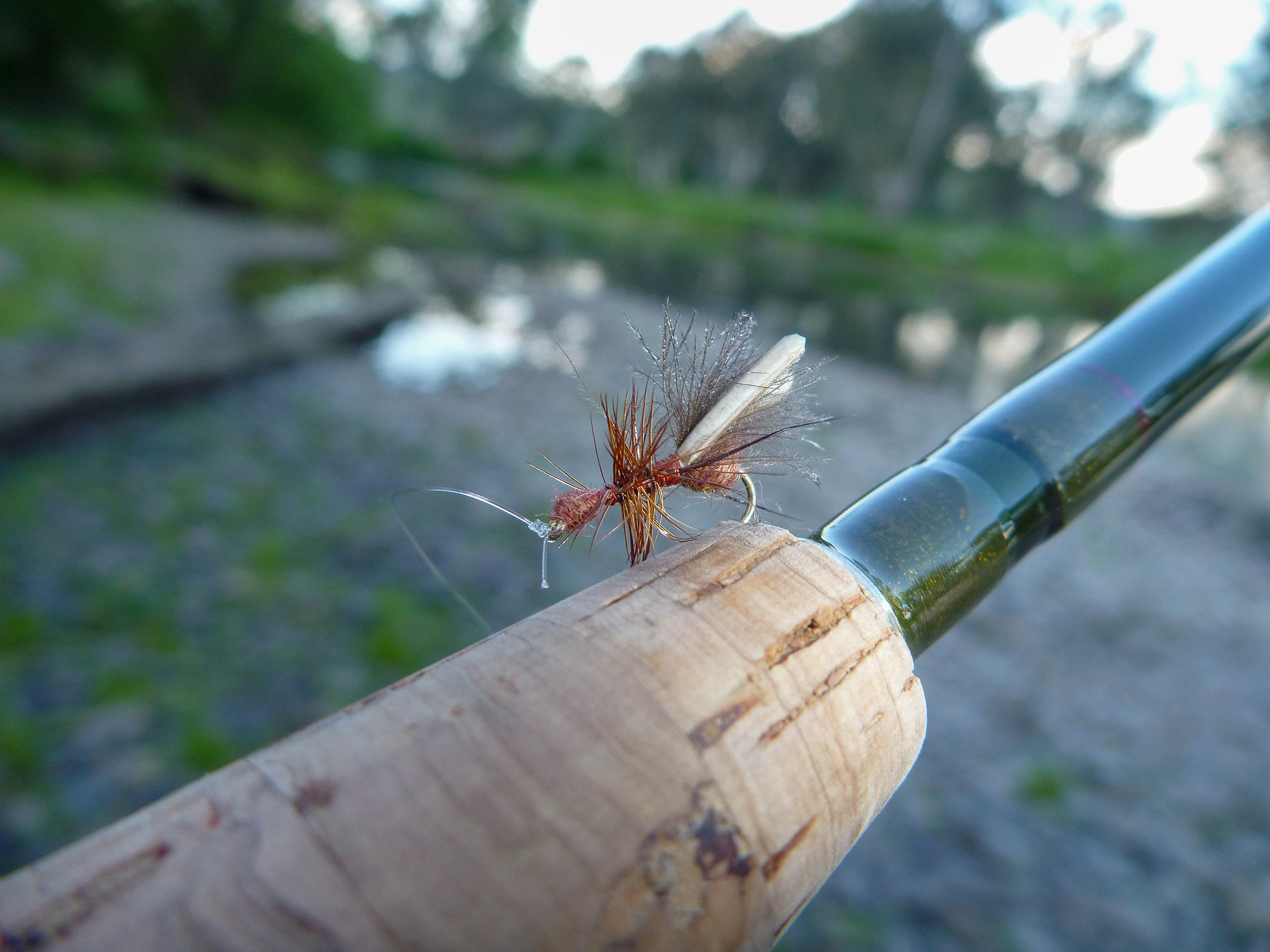
This ant activity is worth noting. Flying ants are one of the most anticipated events of every Spring. They can produce very selective surface feeding by large numbers of fish, and the feeling is that the next warm, humid evening may bring them properly into play. Carry a few termite imitations in the box at all times.
You’ve been warned.
There are few things more frustrating than finding trout rising confidently to insects you knew would eventually appear but neglected to carry.
As the weeks roll on, the caddis numbers will accumulate through a much larger section of the river than they currently appear in. There are more and more of them every day, but they aren’t in such enough numbers yet to properly excite the trout. It’s close. But it’s not quite here yet.
All of these bugs: the duns, spinners, caddis and terrestrial insects will begin arriving in new feeding lanes along the banks and across submerged gravel as the river continues to rise. It may take the trout a little time to find those slots, but the broader direction of travel is encouraging. More water. More bugs. More opportunities to find a good riser tucked in behind a line of willows or swinging to and fro in the bubble line.
More of the river is now available
At the lower flows, we deliberately limited ourselves to particular sections. Some gravel bars were extremely shallow, and there was little room to pass bank anglers without interfering with their fishing. At the forecast levels, almost every regular drift section comes back into consideration. The extra depth gives us room to pass anglers on foot without pushing through the water they are fishing.
In truth, I have seen remarkably few bank anglers during the past several weeks. On some long drifts, the river has felt almost empty.
As the water rises, the drift boat becomes increasingly useful. We can cover the quieter kilometres, search long banks, explore side water and stop when we find something worth working at. The boat also allows several rods to remain rigged for different situations, which is particularly valuable when moving between slow pools, gravel bars, boulder fields, rock walls and bubble lines.
Drift boating will be the most effective way to explore the Goulburn for the remainder of the season.
Small streams are providing another option
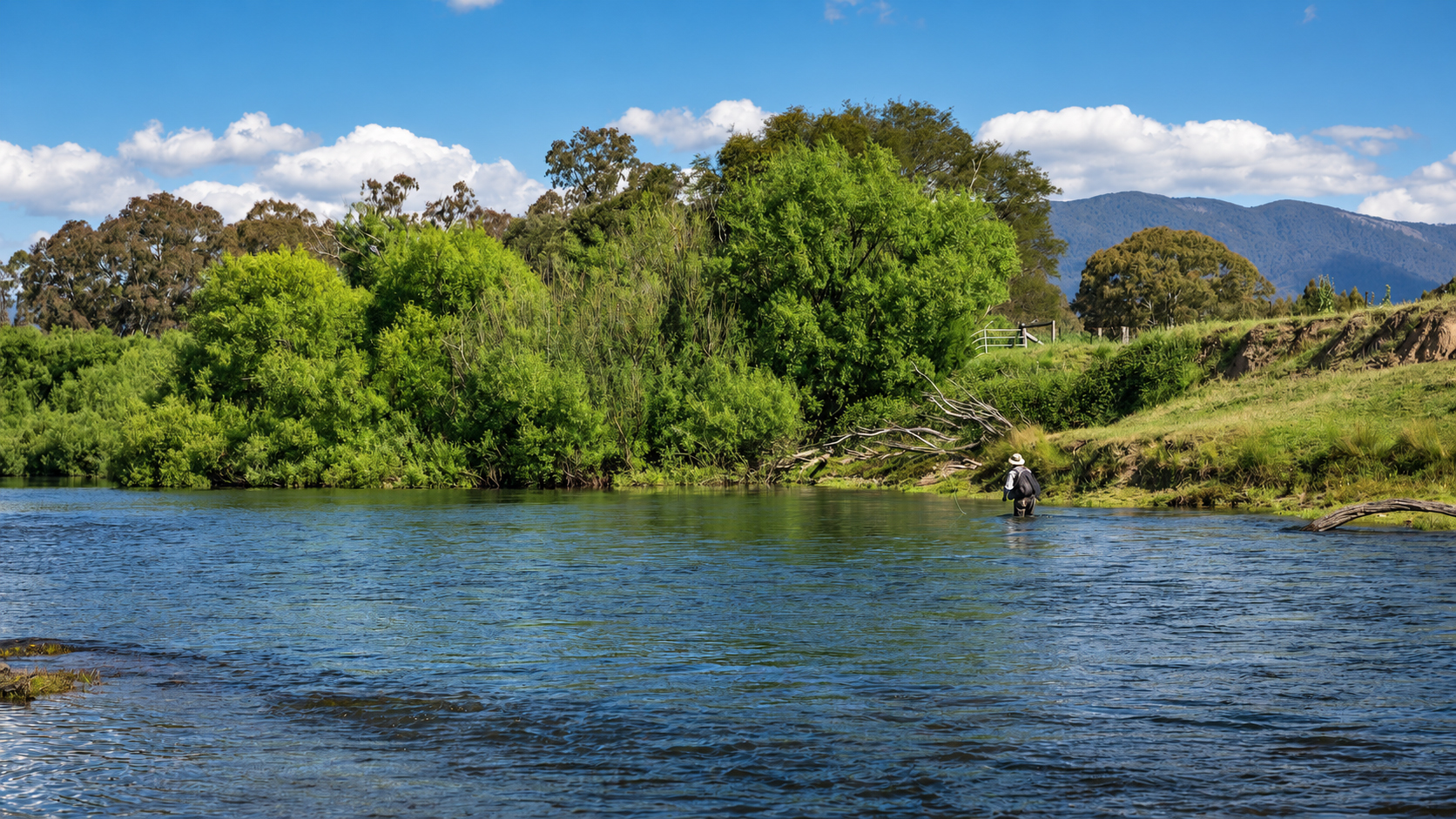
The smaller rivers are fishing reasonably well at present. I have received reports from several anglers, and some of our guides have been out over the past four days across streams between Alexandra and Marysville. Most have managed to locate fish.
That is a welcome addition to the local fishing options.
The small streams allow anglers to fish elsewhere through the quieter parts of the day, while the Goulburn can be targeted during its better afternoon or evening windows. The main consideration is finding a stretch without another angler already working it, though lately that has not been especially difficult. Only the rivers closest to Marysville have been particularly busy.
The smaller water is also a good place to watch the season develop. Beetles, ants, caddis and mayflies often become more obvious to the fish on these waters before they do on the larger river. A short walk along a small stream can tell you a great deal about what is beginning to happen across the district. You can stand in a tail out and clearly see everything that is ending up on the water as the rivers drains past your legs from one pool to the next.
Beginners on the water
We had another beginner workshop running over the weekend, along with several private lessons on the Goulburn and smaller streams. A few trout were landed, but perhaps more importantly, everyone saw fish.
There is nothing quite like watching a live trout feed. You can explain reading water, presentation and drag on a lawn or through diagrams, but the learning curve changes completely once a beginner watches a fish move within a current.
They see the body language. The small adjustments. The way the trout shifts sideways to inspect one presentation and ignores another. They begin understanding that the fish is not sitting motionless waiting to be caught. It is continuously making decisions and using the current to its advantage.
Watching that happen is one of the quickest ways to improve, and it is also one of the best ways to get somebody genuinely interested in fly fishing.
The outlook for the coming week
After the forecast that failed to arrive, I would treat any longer-range prediction with a little humility.
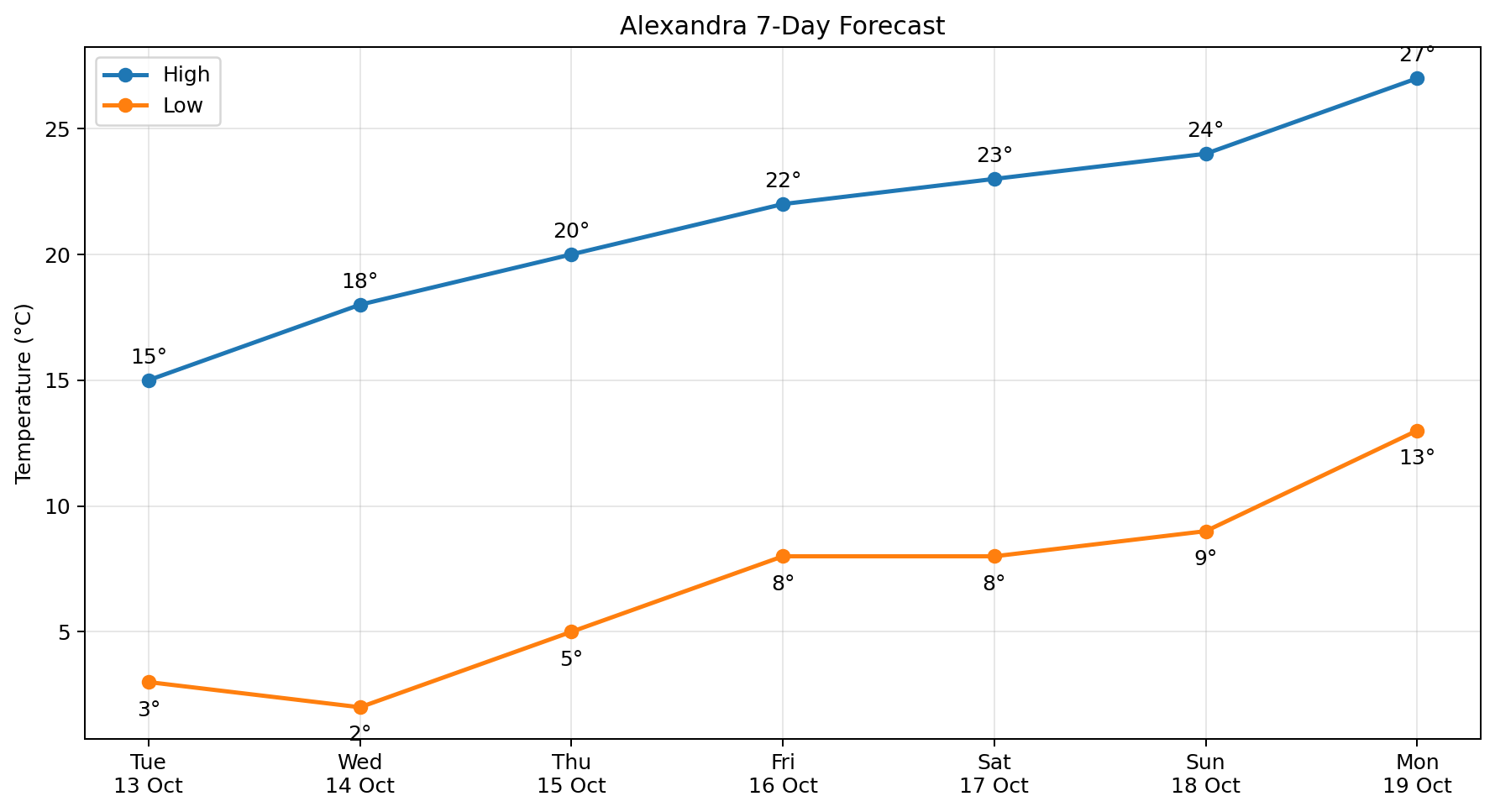
The current outlook is for cooler, cloudy conditions early in the week, followed by a mostly dry and warming run. Wednesday is presently expected to reach around 18°C, Thursday 20°C and Friday 22°C, with some possible rain or drizzle early on Friday. The weekend then looks warmer, with approximately 23°C on Saturday and 24°C on Sunday, followed by a possible 27°C on Monday with the chance of afternoon showers.
That sequence could provide for some great opportunities across the region.
The initial rise in river level will probably make the fishing unsettled. Once the bulk of the increase has passed through and the river begins stabilising, the warmer weekend should see more bugs on the water and help trout establish themselves in the new water.
I would not expect the fishing to switch on everywhere immediately. The next few days are likely to be about exploration. We will be checking edges, side channels, slower water and new feeding lanes, while also revisiting the sections that have held fish during the lower flows.
By the weekend we should have a much clearer picture.
Drift boats and group bookings
We have drift boats available through the coming weeks and once again have enough guide capacity to run proper multi-boat days.
For groups of up to six anglers, we can generally organise several boats without too much difficulty. With sufficient notice and subject to existing bookings, we can sometimes accommodate groups of eight.
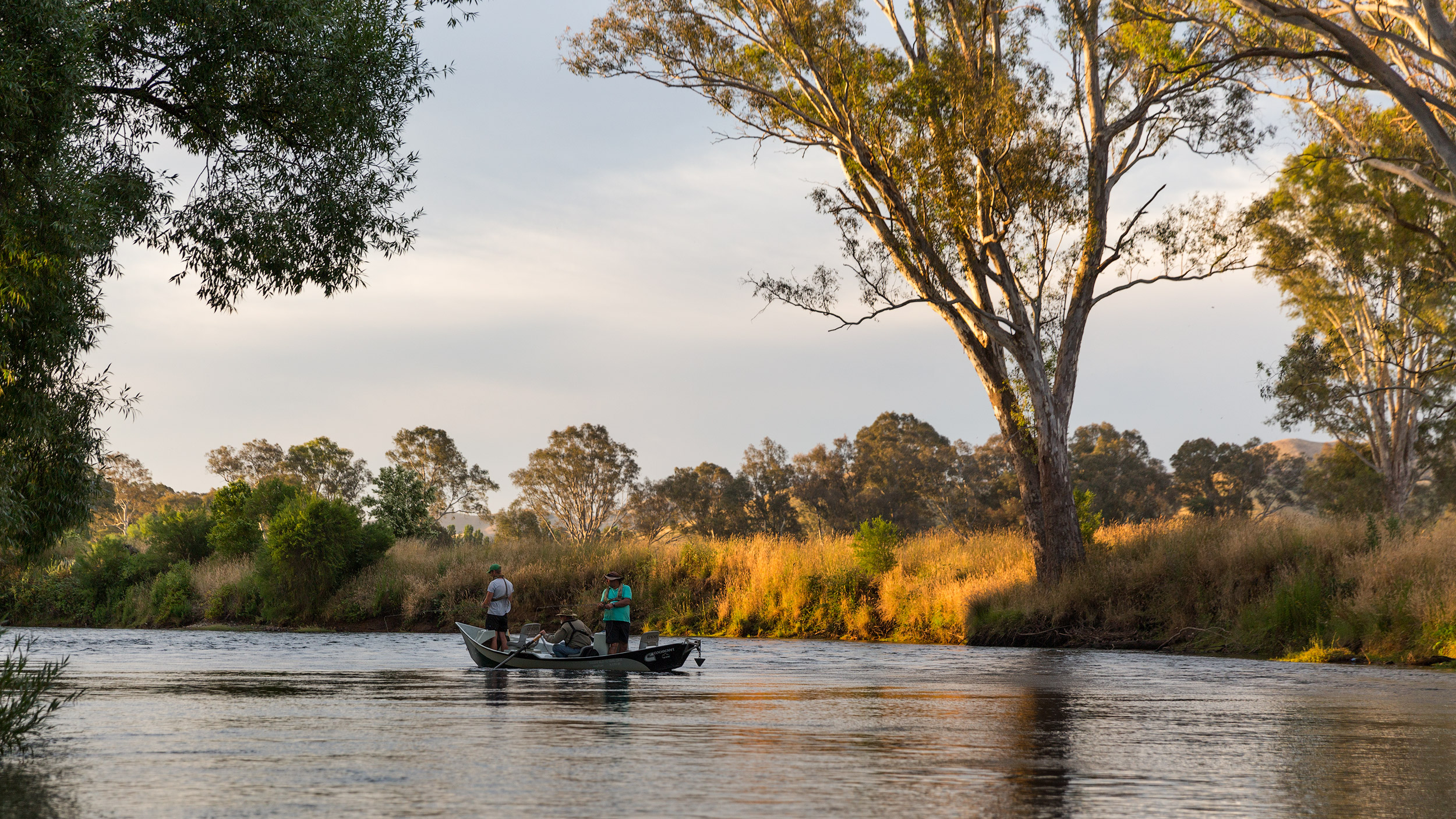
That opens up the possibility of fishing several river sections simultaneously, or running a longer progression down the Goulburn over multiple days. It is particularly useful for groups of friends who want to fish together.
Call us with your preferred dates and we will give you an honest account of the conditions and guide availability.
New Zealand and Montana
We have been concentrating heavily on New Zealand during the past couple of weeks. In that time more than 130 information packs have gone out to people who have enquired about the coming Southland season, and bookings are now moving quickly.
Anyone seriously considering joining us this summer should get in touch so we can look at the remaining weeks and find suitable dates.
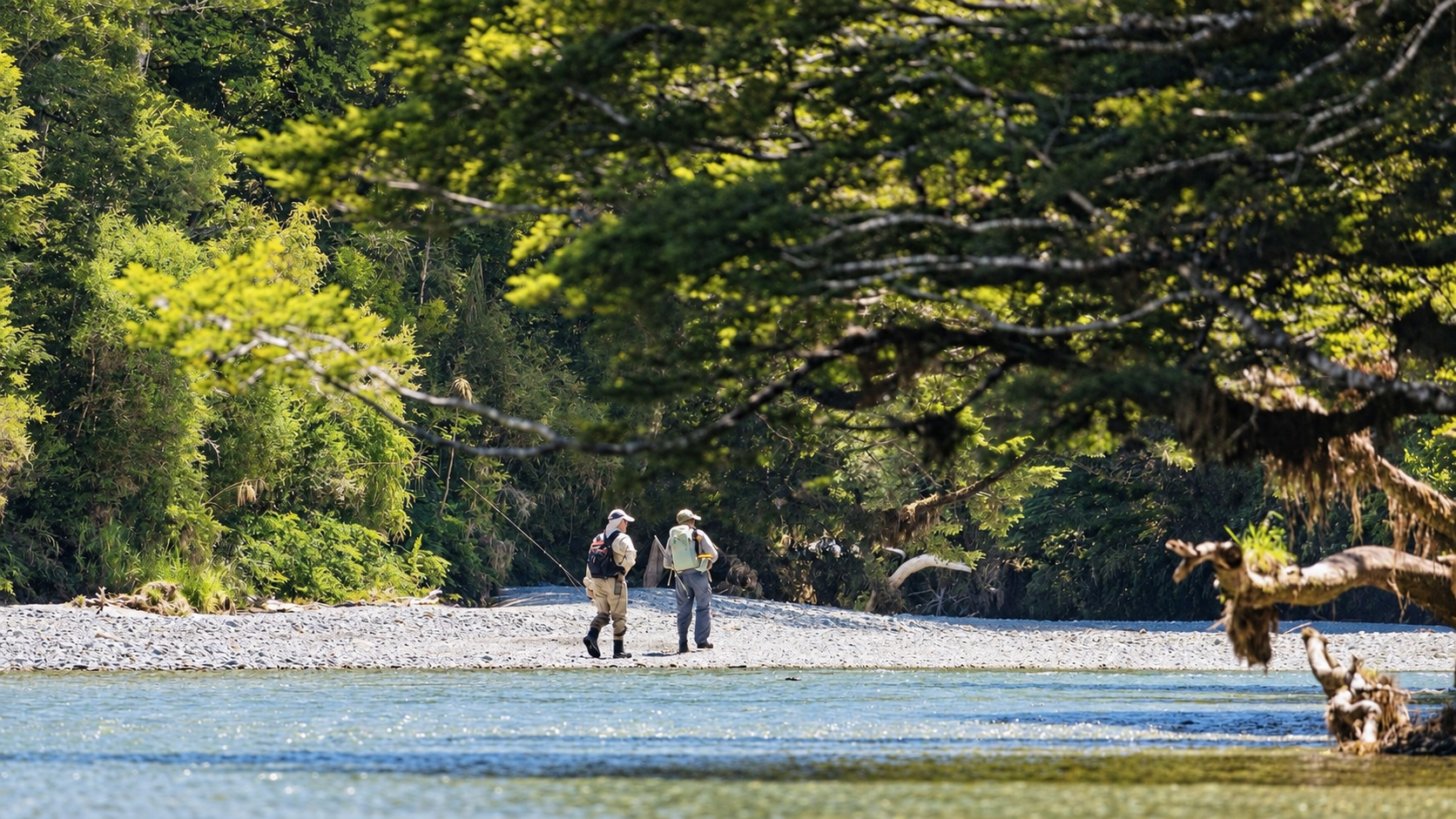
Southland will provide a valuable alternative for anglers wanting to escape what may become a warm, difficult summer across parts of Victoria, New South Wales and Tasmania. Cool rivers, long daylight hours and the flexibility to move between different catchments give us options that can be difficult to find at home during prolonged heat.
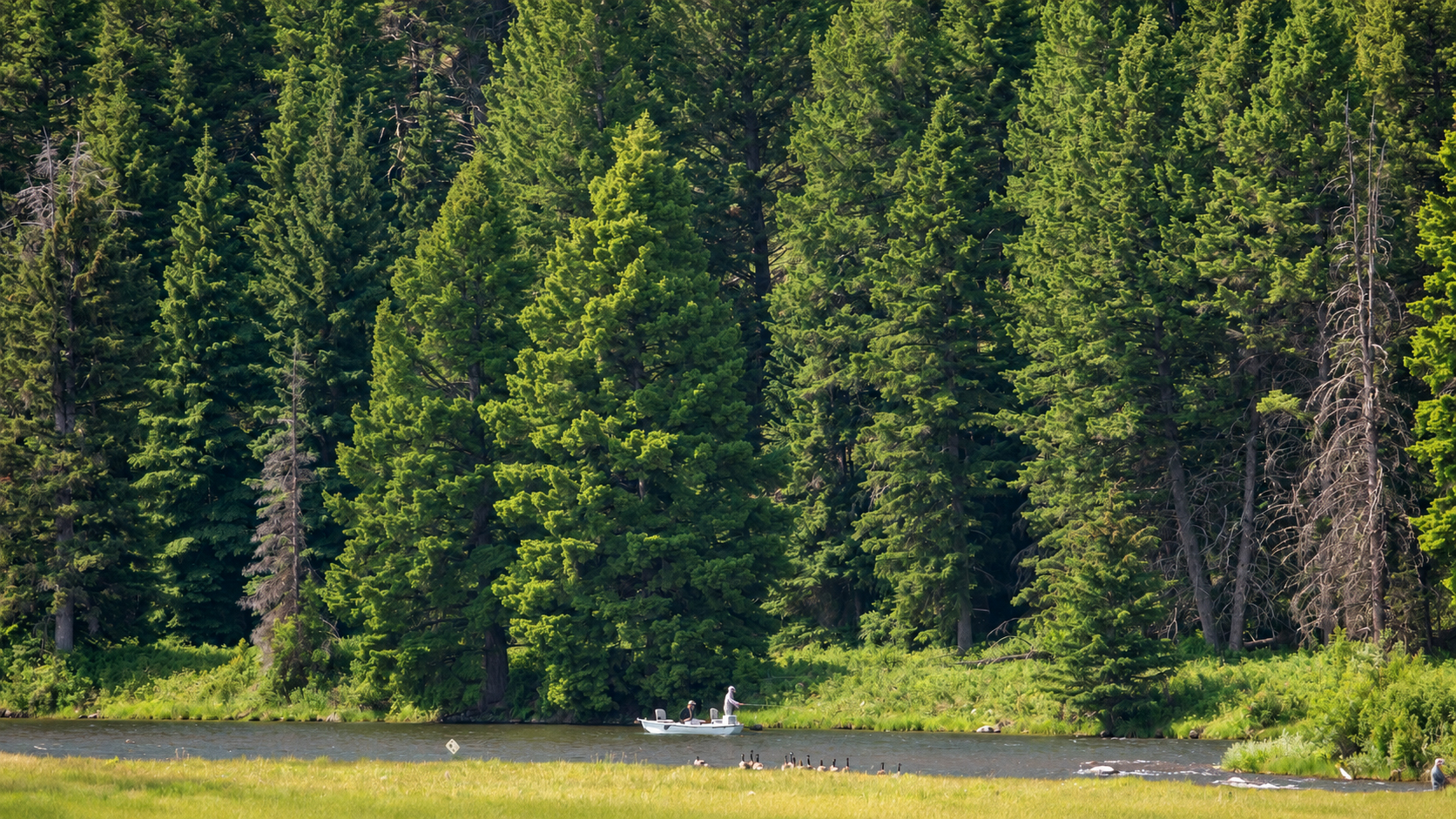
Montana bookings have also begun moving, including a couple of larger groups and a number of individual anglers.
We are offering four departures across two months. Each trip runs for 13 days and 12 nights and includes three distinct fishing regions, with four nights based in each. That is important. We do not remain at one lodge and hope the local river happens to be fishing well. The journey is designed around variety, allowing us to fish different rivers, experience different hatches and make the most of the conditions as the trip develops.
Each hosted group is kept to a maximum of four anglers. On selected departure dates we can run two separate groups simultaneously, using different hosts, accommodation, vehicles and guide teams. Anglers are welcome to join individually, and groups of four or more can also speak with us about arranging a private departure.
For now
The river is changing quickly.
By the end of this week, the Goulburn may be running at almost three times the level it carried only a short time ago. That will create disruption before it creates opportunity, but it also brings much more of the river back into play.
Expect a few unsettled days. Watch the edges as the water rises. Carry ants and termites. If you locate a rising fish, slow down and make the opportunity count.
We will have boats on the river through the week and should develop a much better understanding of the higher water opportunities. Anyone coming to the district is welcome to call for an up-to-the-minute report.
You can phone, text or send a WhatsApp message to 0418 995 611. When I am guiding, calls will go to voicemail, but I will return them at the first opportunity. Usually when we stop for a coffee. In any case, I am usually off the river by around 8 pm.
I hope this helps with your planning, and I hope you manage some time beside the river soon.
Tight lines,
Anthony
Goulburn Valley Fly Fishing Centre
0418 995 611