Closing Time on the Goulburn
Reflections on the final week of trout season
There is something different about the final week of a trout season.
The river itself has not changed dramatically. The water still slips through the valley much as it did in September. Trout still rise when conditions align. Cormorants still patrol the shallows. The river gums still lean over the current as though they have been doing it forever. And yet everything feels different.
Perhaps it is because we know what is coming.
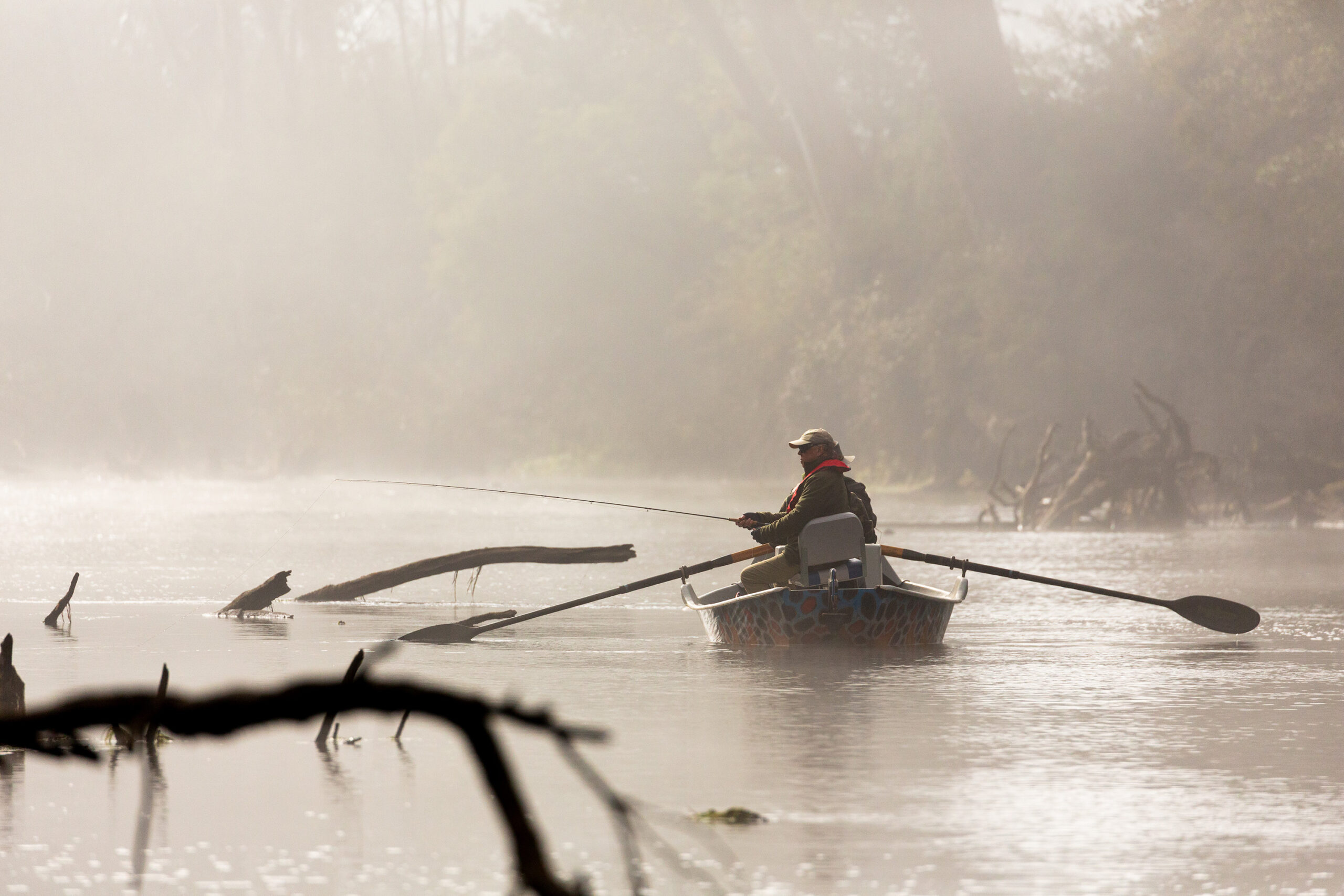
In a few days the season will close. Boats will be pulled from the water. Waders will be hung up to dry. Rods will be returned to racks in sheds and garages. The familiar rhythm that has carried many of us through another spring, summer and autumn will pause once again.
The river will remain.
We simply won’t be fishing it.
I’ve always found this final week carries a mood all its own. The urgency of opening day is long gone. The excitement of summer hatches has faded. What remains is something quieter and, in many ways, more meaningful. Reflection.
The boat ramps tell the story first. Back in September there is often an energy about them. Vehicles arrive before daylight. Anglers compare river levels and weather forecasts. New fly lines are stretched across lawns. Optimism hangs in the air. By late autumn most of that has disappeared. The mornings are colder now. Frost settles across paddocks. Breath hangs in front of faces. The valley takes longer to wake. Boat ramps that were busy a few months ago now sit empty until the wattles bloom again.
For those willing to brave the cold there is a certain beauty in that. The river feels larger somehow. Not physically larger, but quieter. More spacious. Less hurried.
Looking back over the season, one of the things that stands out most is how differently reality unfolded compared to expectations. Back in November I experienced one of the busiest mornings I can remember on the Goulburn. In the space of a couple of hours, four commercial rafts jumped ahead of me. At the time it felt as though every guide operation in Victoria had decided to launch on the same stretch of river. Yet after returning from New Zealand in March, I did not see another commercial boat for the remainder of the season.
Not one.
The same river. The same season. Completely different experiences.
That is one of the lessons rivers continue teaching. Conditions change. Pressure changes. Expectations rarely survive contact with reality.
The season surprised me in other ways too. After more than 150 days spent on the water, I saw remarkably few snakes. Three all season, and all of them swimming from one side of the river to the other. None at boat ramps. None while stepping out of the boat for a quick bathroom break. None in the places where I would normally expect to encounter them. Most years there are several memorable snake stories by the time autumn arrives. This year there were almost none.
It’s a small observation, perhaps, but after thirty years on rivers I have learned that the smallest details are often the ones that stay with you. Every season develops its own personality. This one certainly did.
Many of the most memorable moments had very little to do with trout.
One day we guided a father and his daughter who had recently finished high school. On the surface it was simply another family fishing trip. Yet as the day unfolded, it dawned on me that I had first met her father twenty-nine years earlier when he was travelling through Australia on his gap year. Nearly three decades had passed. Somewhere along the way he had built a career, raised a family and returned to the same river with his daughter sitting where he once sat himself.
Guiding occasionally provides moments like that. Little reminders that time moves faster than we realise.
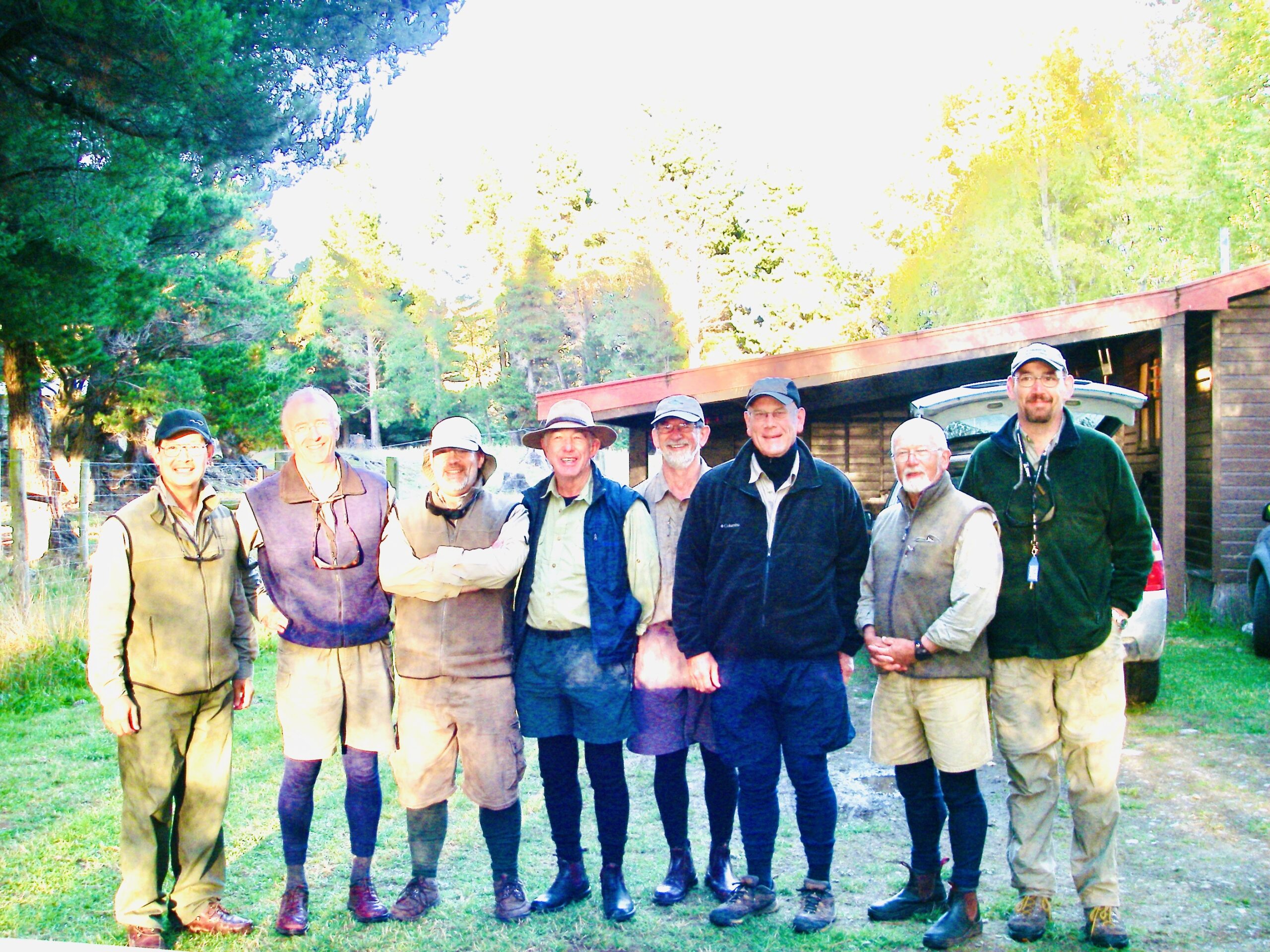
This season also brought the return of several familiar faces we had not seen for years. Some had travelled extensively with us through New Zealand, Montana and Patagonia before gradually disappearing after 2018. In business it is easy to assume that silence means someone has moved on forever. Yet life is rarely that simple. Careers change. Families grow. Priorities shift. Then one day the phone rings, an email arrives, or a familiar name appears on a booking form.
And suddenly they are back.
Their return reminded me that relationships built over years often remain intact even when there are long periods of silence between conversations. Sometimes people are not leaving at all. They are simply off exploring different chapters of their own lives before eventually finding their way back.
Perhaps that theme of returning sits at the heart of fly fishing itself. People return to rivers. They return to places. They return to friendships. And sometimes they return to earlier versions of themselves. The older I get, the more I notice that many of the things we value most seem to operate this way. We wander away for a while, distracted by work, family, travel or simply the demands of ordinary life. Then one day we find ourselves standing in familiar water again, surprised by how much we remember and how much the river remembers of us.
One of the most memorable fish of the season illustrated that beautifully. We were fishing willow grubs to a feeding trout when it all went awry. The fish ate, we hooked it, and almost immediately everything unravelled. Normally that would have been the end of the story. Instead, the trout immediately resumed feeding as though nothing had happened. We presented another fly, hooked the fish again, landed it, and recovered both flies in the process.
It was absurd.
It was improbable.
And it was exactly the sort of thing rivers occasionally do when they feel like reminding you that they still have a sense of humour.
The older I get, the more convinced I become that the fishing itself is only part of the attraction. People arrive carrying all sorts of things onto a river. Some are escaping pressure at work. Some are navigating retirement. Some are celebrating milestones. Some are quietly carrying burdens they rarely discuss anywhere else. Over the course of a day on the water, something often changes. Not dramatically. Rivers rarely operate that way. Instead, they slow people down just enough to notice things again.
A current seam.
An eagle overhead.
The smell of grass after rain.
The sound of oars moving through still water.
Modern life asks for constant attention. Rivers ask for something different. They ask us to observe. That may be one of their greatest gifts.
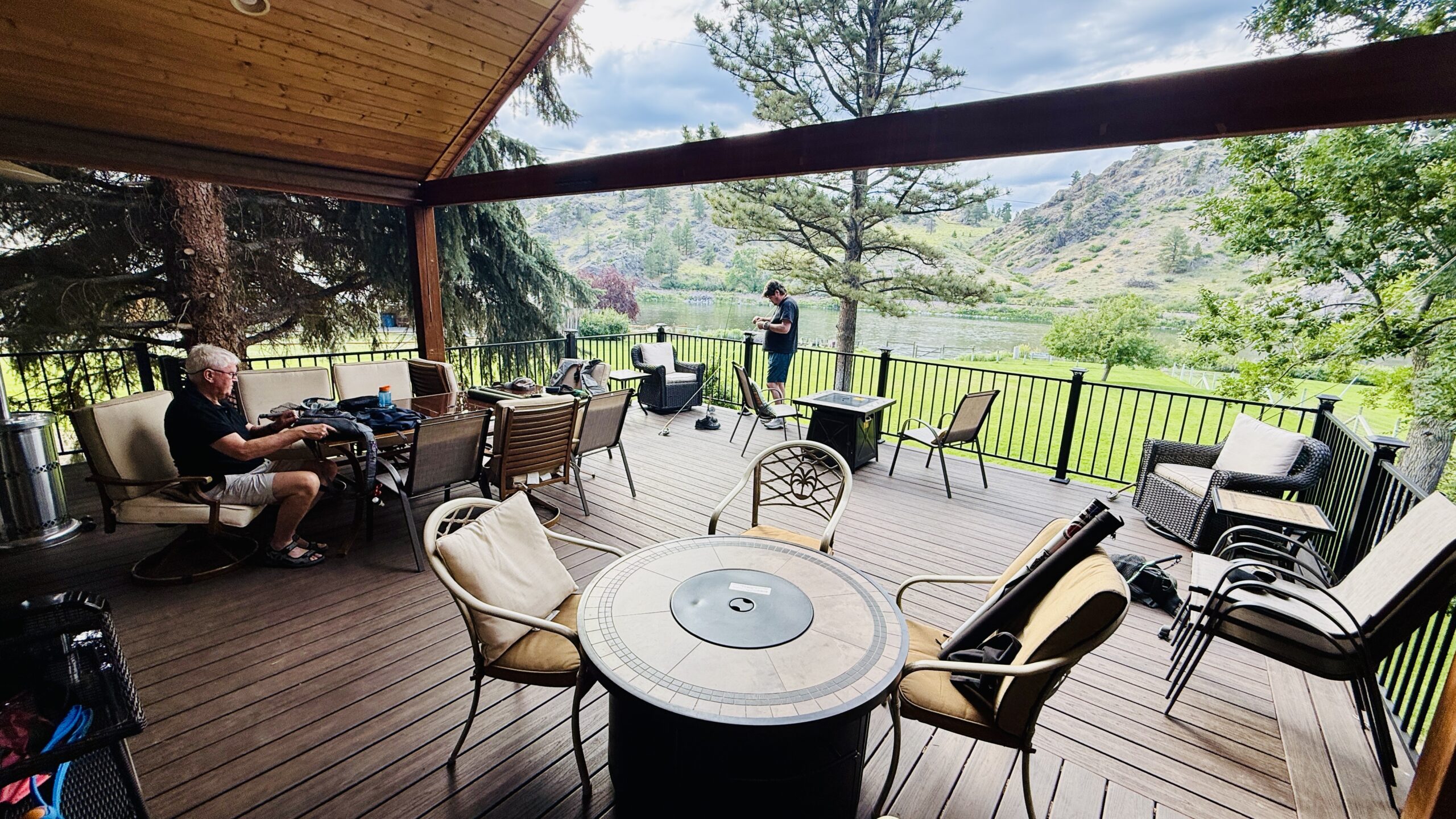
Looking beyond the Goulburn, my own most memorable day with a fly rod in hand this year did not occur in Australia at all. It happened on Montana’s Upper Madison, in the rough water below Quake Lake where the river tumbles through boulders left behind by the earthquake that changed the valley forever. I spent an entire day alone in the Slide section. Not another angler. Not another voice. Just the constant white roar of fast water and trout appearing beneath big dry flies wherever the current eased for even a fraction of a second.
The fish were wonderful.
The solitude was better.
That same trip also reinforced another lesson. After a difficult series of late withdrawals left me carrying more financial risk than I had anticipated, one particular group of clients quietly stepped forward and looked after me in ways they didn’t have to. Their generosity wasn’t loud or performative. They simply understood the situation and acted with kindness.
After thirty years in business, moments like that still humble me.
We often talk about rivers and trout as though they are the attraction. Increasingly, I think they are simply the mechanism through which good people find one another.
Looking back over the season, that may be what I feel most grateful for.
Not the fish.
Not the numbers.
Not even the rivers themselves.
The people.
The continuity of old friendships. The return of familiar faces. The conversations shared over lunches, campfires, boat ramps and long drives home.
Rivers change.
People change.
The friendships endure.
Of course, the close of one season also marks the beginning of another. Before long attention will shift elsewhere. New Zealand is already beginning to appear on the horizon. Maps will be studied. Flights confirmed. Gear checked and repacked. Montana preparations are quietly underway. At home, a family road trip we have talked about for years is finally approaching, while a manuscript that has occupied countless late evenings for almost a decade edges closer to becoming an actual book.
Life, like rivers, continues moving forward.
Yet for the moment, none of that feels especially urgent.
There are still a few days left. A few more cold mornings. A few more drifts. A few more opportunities to stand beside moving water and appreciate a fishery that has given so much to so many people over the years.
The anticipation of opening day has always been one of fly fishing’s great pleasures.
Strangely enough, so is the close.
The final week reminds us not to take any of it for granted. Not the trout. Not the river. Not the friendships. Not the seasons themselves.
Before long the boats will be parked away and winter will settle properly across the valley. Frost will return to the paddocks. The river gums will stand bare against grey skies. The Goulburn will continue its journey through the valley, carrying no awareness that another trout season has come and gone.
The river will rest.
And perhaps we should too.
Until spring.
Ant