Category: Between Casts

Most people assume fly fishing is about trout.

At first glance, that seems reasonable enough. Rods, flies, currents, rising fish. The visible parts of the sport are easy to explain. If somebody unfamiliar with fly fishing watches a drift boat slide down a river at dusk, they naturally assume the entire exercise revolves around catching fish.

And of course, the fish matter enormously.

The challenge of fooling a wild trout on a fly remains endlessly fascinating. Even a lifetime on rivers, I still feel the small lift of anticipation that comes before a good cast into a difficult lie. There are mornings when the river seems alive with possibility and evenings when the fading light, the drifting insects and the movement of trout against the current create moments that remain deeply satisfying no matter how many seasons pass.

Yet the longer I spend around rivers, the more convinced I become that many anglers are searching for something slightly harder to describe.

If catching fish alone were the entire story, most people would eventually move on to easier pursuits.

Instead, many of us keep returning.

Back to cold mornings.
Back to familiar bends in rivers.
Back to gravel roads before daylight.
Back to weather rolling through valleys.
Back to drift boats and campfires and old fly boxes worn smooth by years of use.

Something else is happening there.
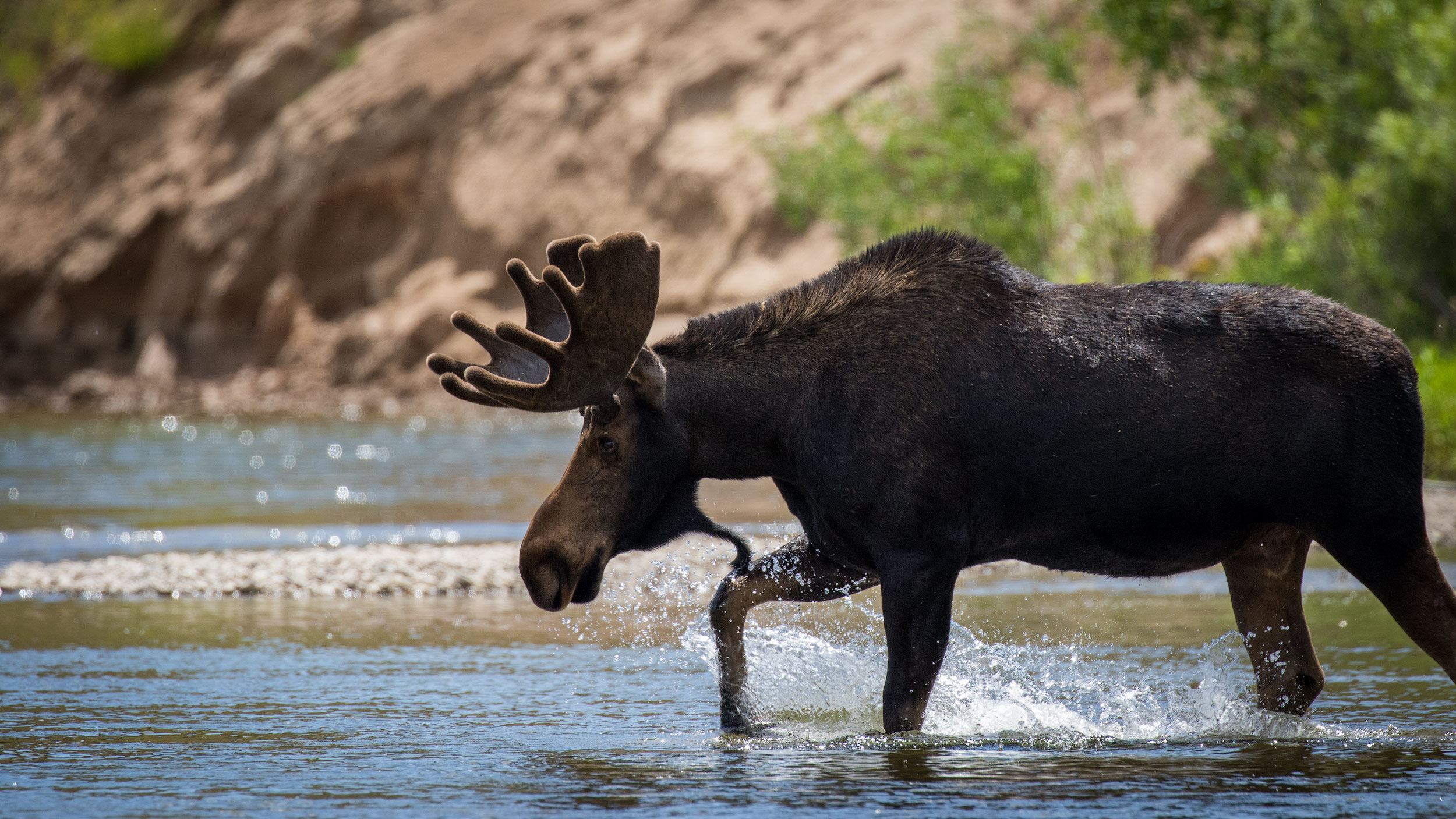
I still remember the first trout I caught on fly quite clearly, though not because it was particularly large. What stayed with me was the feeling of entering a different world for the first time. The concentration required. The movement of current around my legs. The strange silence that settles over a river at dusk. The growing awareness that water is never truly still, even when it appears calm from a distance.

Fly fishing teaches observation slowly.

At first, beginners understandably focus on mechanics. Casting. Knots. Fly selection. Line control. But over time, attention begins shifting outward. You start noticing weather patterns more carefully. The direction of wind. Tiny insects gathering beneath overhanging branches. Shadows moving across riffles. The subtle difference between water that merely looks good and water that actually holds fish.

Eventually the river begins teaching lessons that have very little to do with trout.

Patience, for one.

Modern life encourages speed. Immediate outcomes. Constant stimulation. Rivers tend to resist all of that. Some days they humble you completely. Conditions that appear perfect may fish terribly. Meanwhile, difficult days occasionally transform without warning in the final hour of light.

There is no controlling that uncertainty.

Only learning to work within it.

Over the years I’ve watched countless people arrive at rivers carrying far more than fly rods and waders. Some are exhausted from work. Some are quietly grieving. Some are recently retired and trying to rediscover rhythm in their lives after decades of pressure and responsibility. Some simply need space away from phones, meetings, traffic and noise.

The river rarely solves these things directly.

But it changes the pace at which people think.

That matters.

One of the great misconceptions about fly fishing is that it is an elitist or overly technical pursuit. Certainly, there are technical aspects to the sport. Fly casting takes practice. Reading water takes time. Rivers reward accumulated experience. Yet at its heart, fly fishing remains surprisingly simple.

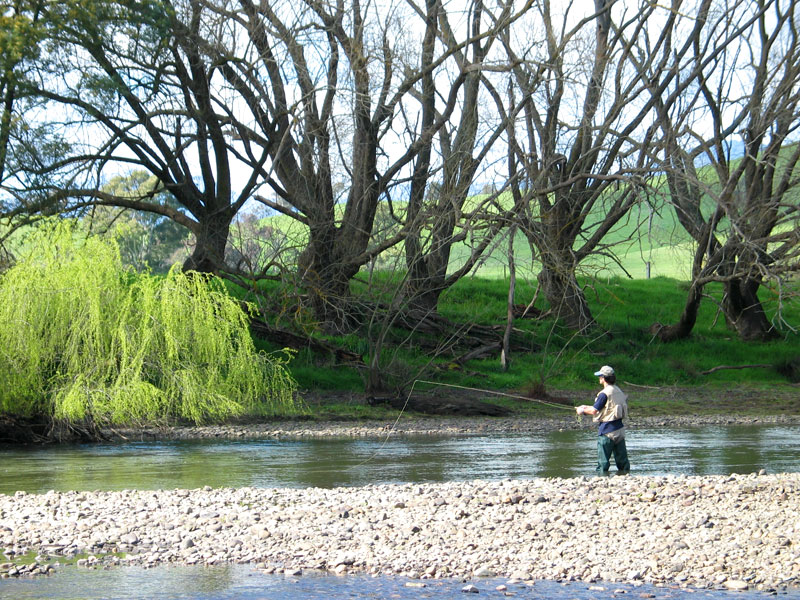
You stand in moving water and pay attention.

That is really where it begins.

Somewhere along the way, many anglers realise the river itself has become just as important as the fish living within it. The places start mattering deeply. Certain bends in rivers become tied to memory. Particular stretches of water become inseparable from people, seasons and moments in life.

I can still drift sections of the Goulburn River and remember conversations from twenty years ago almost exactly where they occurred.

An older client speaking quietly about retirement while rain moved across the hills upstream.
A father watching his son row a drift boat for the first time.
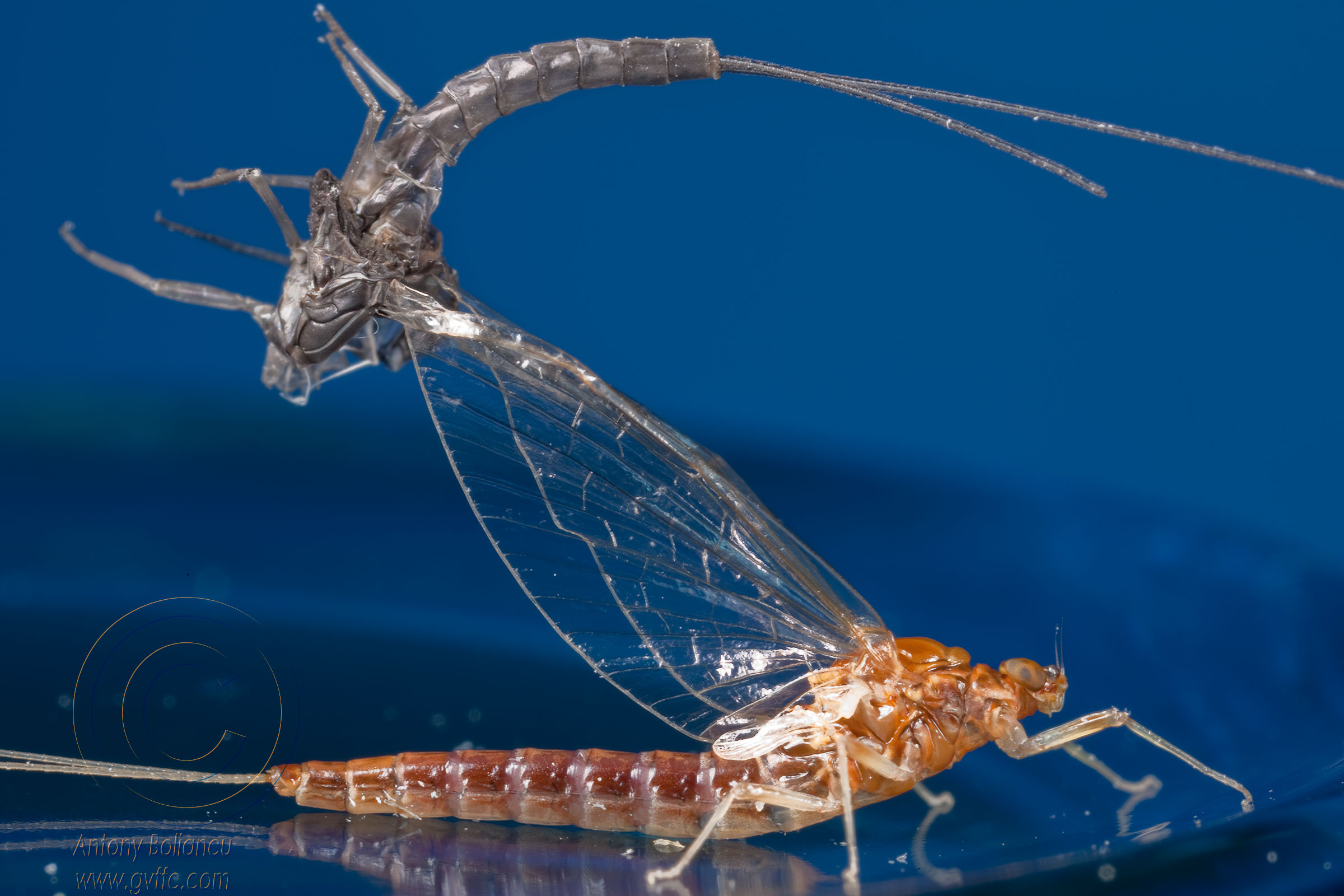
A mayfly hatch appearing unexpectedly during difficult conditions.
The shared silence that sometimes settles over a boat late in the afternoon when everybody realises they are exactly where they want to be.

Those moments become part of the river too.

Perhaps that is why many anglers grow increasingly reflective as they get older. The obsession with proving oneself softens slightly. Fish numbers matter a little less than they once did. Atmosphere matters more.

You begin noticing things younger anglers often rush past:
steam lifting from cold water at dawn,
the sound of current against the hull of a drift boat,
the smell of eucalyptus after rain,
an eagle circling above a valley,
light changing on distant hills late in the day.

These small details quietly accumulate over years until they become inseparable from the fishing itself.

Travel deepens this feeling even further.

Some of my strongest memories from Montana or New Zealand are not necessarily individual fish. They are moments between the fishing.

Crossing Wyoming at sunrise beneath enormous skies.
Coffee before daylight in a small Montana town.
Snow appearing unexpectedly on distant ranges during summer.
Watching clients absorb Yellowstone for the first time.
Wind moving through the Paradise Valley late in the evening.

Those places carry emotional weight because they become tied to experience, memory and friendship.

And perhaps that is another reason people keep returning to rivers: fly fishing rarely remains a solitary pursuit for very long.

Over decades I’ve seen lifelong friendships emerge through rivers. Complete strangers sharing drift boats in New Zealand later travelling together overseas. Fathers bringing sons. Grandparents introducing grandchildren to fly rods. Clients who initially came to learn how to cast eventually returning year after year simply because they love the atmosphere surrounding the experience.

Fishing creates its own strange little communities.

Not loud ones.
Usually quiet ones.

People connected by weather, water and accumulated time outdoors.

The older I get, the more grateful I become for that continuity.

For familiar rivers.
For old clients.
For guides and friends scattered across different parts of the world.
For the privilege of making a life outdoors.
And for the understanding that fly fishing has always been about far more than trout alone.

The fish draw us in initially.
But they are rarely the only reason we stay.

What keeps people returning to rivers, I suspect, is something much harder to market neatly.

A search for stillness perhaps.
Perspective.
Meaning.
Connection to landscape.
Connection to memory.
Connection to earlier versions of ourselves.

Or maybe simply the growing realisation that time spent outdoors — properly outdoors, immersed in weather and current and changing light — remains one of the few experiences in modern life that still feels genuinely restorative.

Rivers ask very little from us in the end.

Mostly attention.

And perhaps that is why, despite all the changes in the world around us, people continue returning to them generation after generation.

Because somewhere beside moving water, many of us become slightly more aware of what actually matters.
Notes from Thirty Years Watching a Tailwater Change

People often ask when the best time to fish the Goulburn is.

The truth is:
there isn’t really a single answer.

The river changes enormously across the course of a season. Water levels rise and fall with irrigation demand. Insect hatches build and collapse. Trout reposition themselves constantly as current speeds, temperatures and food sources evolve from spring through to winter.

In many ways, the Goulburn fishes like several completely different rivers across a single season.

That is part of what keeps it endlessly interesting.

After more than three decades guiding on the river, certain broad seasonal patterns do emerge though. Not rigid rules — rivers rarely obey those for long — but rhythms that tend to repeat often enough to shape how we fish throughout the year.

This is not intended as a technical manual.

More simply, it is an overview of how the river tends to evolve from opening day through to the close of the season.


SPRING

September

Low Water, Clear Flows and Careful Fishing

Low water conditions in September

Opening week on the Goulburn often arrives with the river running low and exceptionally clear.

Unless Lake Eildon is near spilling, releases are usually reduced heavily throughout winter and early spring while water is captured for the irrigation season ahead. The result is a river that often sits around minimum flow levels with beautiful clarity and very wadable conditions.

At the same time, many surrounding freestone rivers remain cold, high or discoloured from winter rain and snowmelt.

That contrast is one of the reasons the Goulburn becomes so important early in the season. While many rivers remain difficult to fish, the Goulburn is often stable, accessible and already producing hatches.

The trout, however, can be extremely cautious.

Months of low clear water make fish nervous and highly aware of movement. Large browns frequently sit along inside bends or shallow gravel edges where they are easily spooked by careless approaches.

September is not generally a month for charging around the river.

It rewards patience.
Long leaders.
Careful positioning.
Good light.
And accurate presentation.

The fishing early in the month remains largely subsurface, though evening rises build steadily week by week. Midges dominate initially, along with small mayflies and scattered caddis activity. Yet even during opening week, larger pale duns often appear unexpectedly during mild evenings.

That first proper spring rise after winter remains one of the great pleasures of the season.


October

The River Wakes Properly

By October, the Goulburn begins feeling fully alive again.

Water temperatures rise noticeably and the insect life accelerates quickly. Depending on rainfall and irrigation demand, flows may remain relatively low or begin climbing steadily through the month, but either way the river generally fishes exceptionally well.

This is when the first truly significant hatches begin occurring consistently.

Caddis appear in heavy numbers through the day.
Mayflies build each evening.
Caenids begin hatching in extraordinary densities on calm mornings.

Some years the river feels almost covered in insects.

And importantly:
the trout know it.

October dry fly fishing on the Goulburn can become remarkably technical. During heavy caenid activity especially, trout often feed rhythmically and selectively in flat slick water. Tiny flies, long leaders and drag-free presentation matter far more than heroic casting distance.

Many anglers overcomplicate imitation during these hatches.

Presentation usually matters more.

Getting the fly into the correct lane at the correct moment is everything.

There are mornings during peak caenid activity where the Goulburn rivals any dry fly fishery I have seen anywhere in the world.


November

Crescendo

If October is excellent, November often becomes ridiculous.

By now almost everything is hatching.

Caenids at first light.
Caddis throughout the day.
Large evening mayflies.
Spinners at dusk.
Stoneflies.
Flying ants.
Termites on humid afternoons.

The river enters a period of abundance where trout seem permanently tuned toward the surface.

This is one of the great dry fly months on the Goulburn.

bwo_02_L

The famous Kossie Dun also begins making regular appearances around this time. These large mayflies emerge right on last light and can trigger explosive short-lived feeding windows from some of the river’s better fish.

There are evenings where trout ignore almost everything for hours, then suddenly begin feeding aggressively during the final twenty minutes of fading light.

You learn to stay late in November.

Many memorable fish are hooked after most sensible people have already begun walking back toward the car.

Termite falls can also produce astonishing fishing during humid weather. Fish become completely locked onto them and rise with extraordinary confidence. Having a good imitation during one of these falls can transform an ordinary afternoon into something unforgettable.

November is excess.
Abundance.
Energy.

The river feels almost overfed.

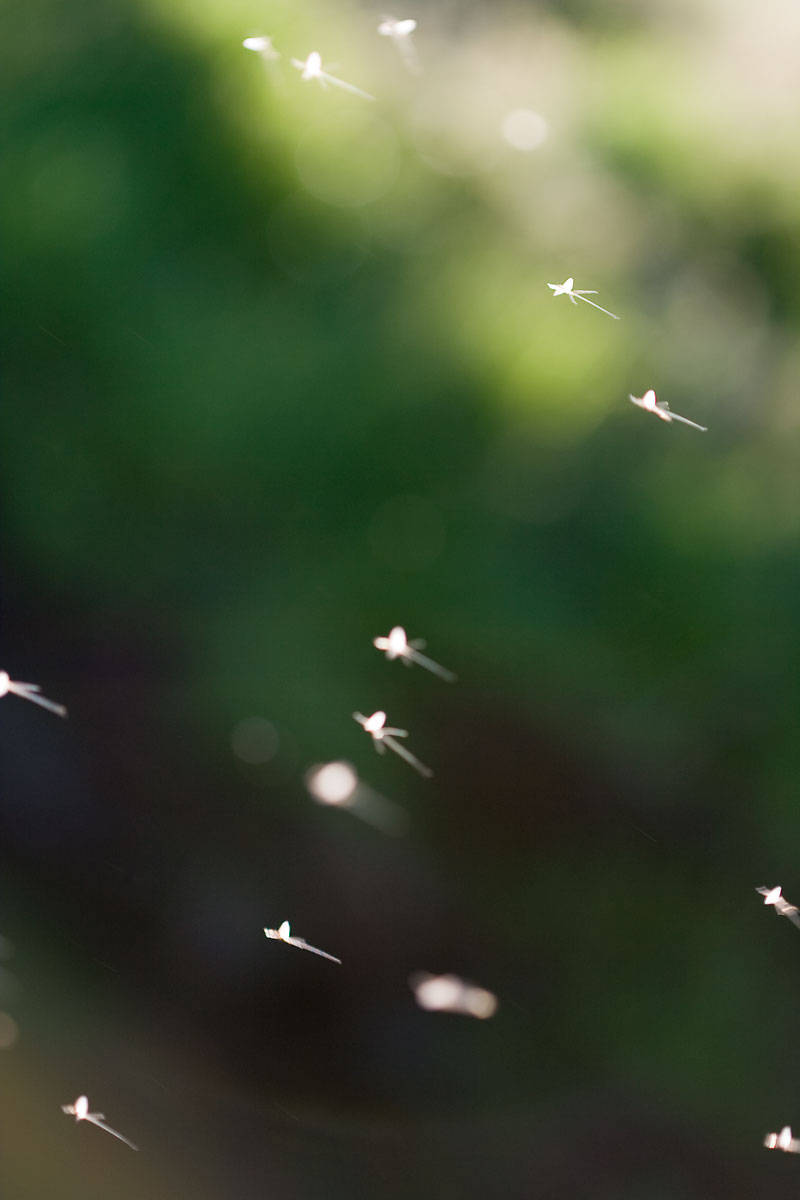
Caenids in flight. google trico hatches for more info on patterns and techniques


SUMMER

December

Terrestrials and Edge Fishing

By December, the river usually rises significantly with irrigation demand increasing downstream.

Higher flows change the entire shape of the fishing.

Fish move tighter to structure and softer edge water while the main currents become faster and less efficient feeding zones. Trout begin sitting astonishingly close to the banks beneath grass, willow roots and submerged structure where slower current delivers food consistently.

This is where drift boats become incredibly effective.

Much of the best fishing now occurs within a rod length of the bank.

Summer also marks the beginning of the great terrestrial period.

Cicadas appear.
Hoppers increase.
Beetles become important.

And then eventually:
the willow grubs begin falling.

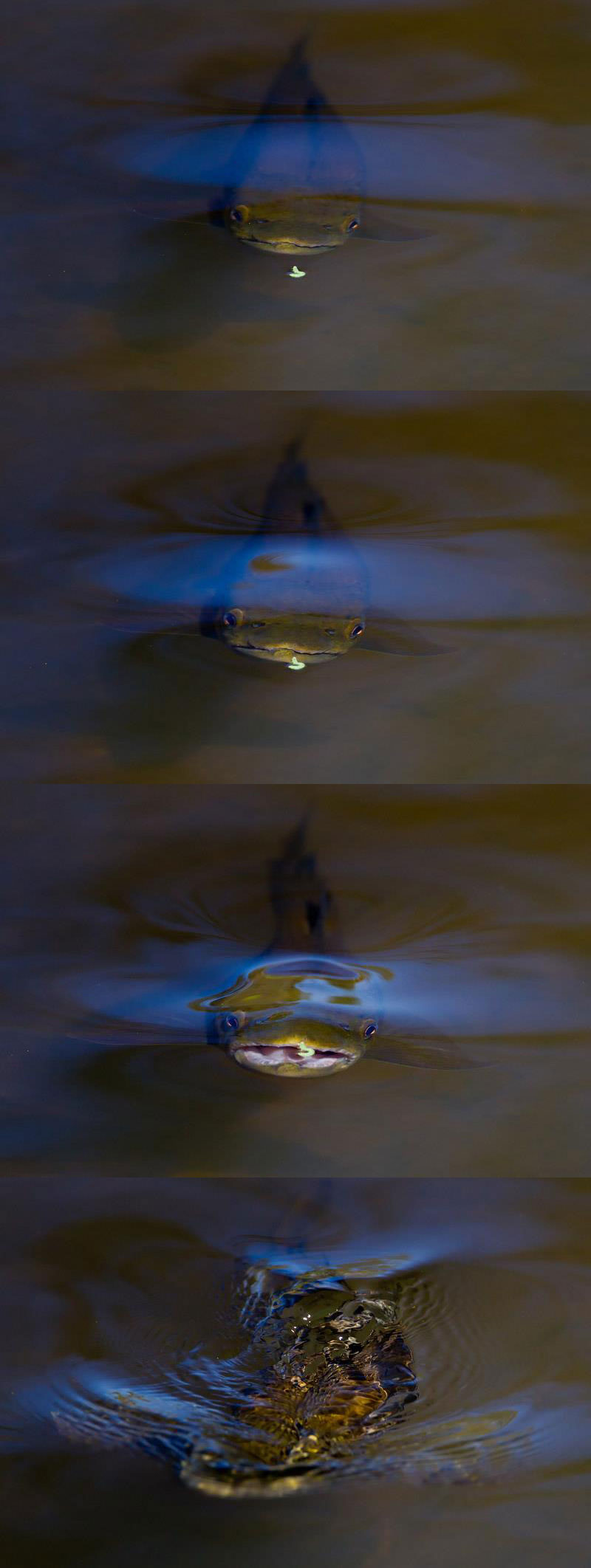
A sequence of a solid Goulburn brown eating willow grubs beneath the treesFor many Goulburn anglers, willow grub fishing defines summer entirely.

Fish feed on them with astonishing commitment, often rising repeatedly beneath overhanging willows for hours at a time. The feeding can become so reliable that at times it barely resembles traditional dry fly fishing anymore.

Large trout simply patrol beneath the trees waiting for the next helpless grub to fall.

The river feels rich during December.
Fat.
Well-fed.

The trout certainly do.

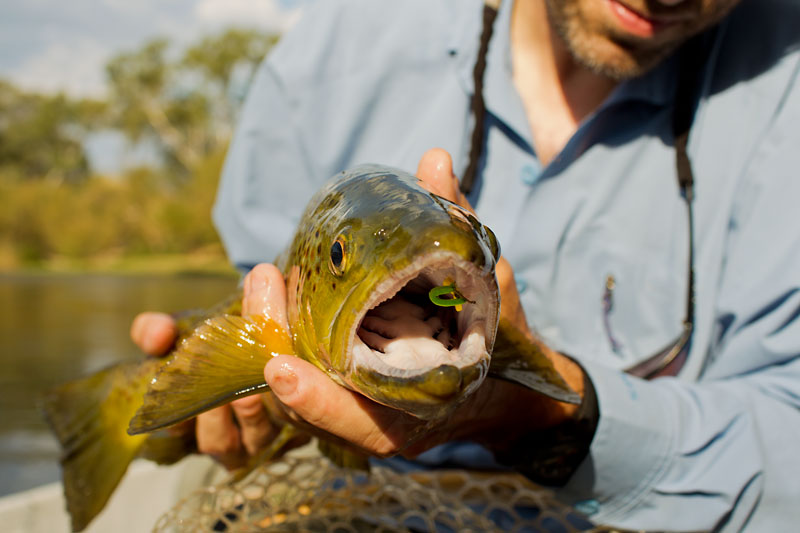
Willow grubbers are voracious and you often catch the same fish immediately after dropping it. The second fly in this one was from a break-off the previous day.


January

High Summer

January often brings the highest irrigation flows of the season.

The Goulburn now behaves very differently to surrounding freestone rivers, many of which are low, warm and increasingly stressed by summer heat. The tailwater influence keeps the Goulburn comparatively cool and healthy even during extreme weather.

Backwaters, flooded edges and softer side channels become critical.

These areas hold extraordinary numbers of trout throughout summer, many of them large fish that spend months feeding quietly away from the heavier main current.

Willow grubs usually remain the dominant food source through January, though hoppers, cicadas and beetles are all highly important.

This is visual fishing at its best.

You often see the trout before casting.
Watch them feeding.
Position the boat carefully.
Then attempt to place the fly naturally into tight feeding lanes along the edges.

Some of the river’s biggest browns become surprisingly vulnerable during this period.

Provided you approach properly.


February

Heat and Backwaters

February reveals the Goulburn’s true strength as a tailwater fishery.

While surrounding rivers often struggle badly through heat, the Goulburn remains cold enough to sustain excellent trout fishing throughout much of summer.

Flows are generally high now and aquatic insect hatches diminish considerably compared with spring. The focus shifts almost entirely toward terrestrial fishing and flooded edge habitat.

The backwaters become fascinating places.

Large trout cruise slowly through submerged grass and quiet lagoons feeding on everything from beetles and hoppers through to spiders, wasps and drowned insects washed from the banks.

Big attractor patterns fish extremely well now.

Chernobyl ants.
Stimulators.
Large hoppers.

But paradoxically, downsizing can also become important when fish grow overly suspicious in very clear water.

Some days a size 10 hopper gets refused repeatedly before a tiny size 18 parachute suddenly gets eaten confidently by the same fish.

That contradiction is very Goulburn.


AUTUMN

March

Transition

March sits between seasons.

The heat still lingers.
The terrestrial fishing remains productive.
But the river slowly begins changing direction again.

Water levels often fall gradually and the first stronger aquatic hatches begin rebuilding after the heavy irrigation flows of high summer.

The trout remain fat and heavily conditioned from months of easy feeding.

Backwaters continue fishing well, though fish slowly redistribute back toward seams, runs and bubble lines as flows decrease and aquatic insects regain importance.

This is often the month where attractor patterns shine brightest because the fish are feeding opportunistically on such a wide mixture of food.

There are no strict rules in March.

And that uncertainty makes it wonderfully interesting.

March is a month of slow transition


April

One of the Best Months of the Year

If forced to choose a favourite month on the Goulburn, April would be very difficult to overlook.

The river often settles into beautiful medium flows.
The weather softens.
The crowds reduce.
The fish feed heavily ahead of winter.

And importantly:
both terrestrial and aquatic fishing remain excellent simultaneously.

You can still catch trout confidently on hoppers, beetles and ants while also encountering increasingly technical mayfly and caddis fishing.

Few months offer such variety.

Large rusty spinners, parachute duns and emergers all become important now, particularly during calm evenings and overcast afternoons.

And then there are the Kossies.

These large iconic mayflies continue hatching through autumn, often unexpectedly, bringing bigger trout confidently to the surface during fading evening light.

Some of the most memorable rises of the year occur in April.


May

Quiet Water and Precision

May is perhaps the most beautiful month on the Goulburn.

Cool mornings.
Still air.
Blue skies.
Low clear water.
And trout rising steadily through the middle of the day.

The river slows down now.

Midges and blue-winged olives dominate much of the fishing. Presentation becomes increasingly delicate and fish become highly aware of movement again after the heavier summer flows disappear.

Stealth matters enormously.

You begin stalking fish properly once more.

Careful wading.
Long leaders.
Tiny flies.
Soft approaches.

The rewards, however, are immense.

May trout are often in magnificent condition and the atmosphere along the river during stable autumn weather can feel almost perfect.

Eventually spawning activity begins later in the month and those fish should be left alone entirely. There are still plenty of actively feeding trout available without disturbing spawning fish unnecessarily.

And occasionally, almost absurdly, Kossie duns still appear right into late May and even June.

The river always retains the ability to surprise you.


WINTER

June to August

The River Rests

The trout season closes during winter so fish can spawn undisturbed.

For guides and anglers, winter becomes the season of tying flies, servicing gear, writing, planning and thinking ahead toward spring once again.

Or occasionally heading north to Montana and Idaho where another trout season is just beginning.

The cycle never really stops.

Only shifts hemispheres.


Final Thoughts

No overview can fully explain the Goulburn.

Too much changes from season to season.
Floods reshape runs.
Drought alters insect life.
Water management changes the entire character of summers.

And yet certain rhythms persist.

Spring optimism.
Summer abundance.
Autumn subtlety.

Over enough years, you begin recognising these seasonal moods almost instinctively.

That is part of the appeal of long familiarity with one river.

The Goulburn is not perfect.
No river is.

But it remains one of the most fascinating and dynamic trout fisheries in Australia for those willing to pay close enough attention to what each season is quietly trying to teach them.


Small Flies, Clear Water and Slowing Seasons

Late autumn on the Goulburn has a very different feel to spring.

The river quietens.
The crowds thin.
The light lowers.
Mornings become colder and the urgency of summer fades slowly from the valley.

For many anglers, it can be a frustrating time of year. Water levels are often low and exceptionally clear. Fish become cautious after months of pressure and the easy, aggressive feeding behaviour of warmer months begins tapering away. Conditions grow more technical almost week by week.

But late season fishing has always held a certain appeal for those willing to slow down with it.

There is a subtlety to autumn fishing that rewards patience and observation far more than aggression.

The trout are still there.
In many cases they are feeding consistently.
They simply demand a more thoughtful approach.

As flows reduce, fish become increasingly concentrated in the better holding water. Long glides, softer seams and deeper runs begin carrying greater importance while shallow summer lies gradually lose oxygen and current speed. Large trout in particular become very selective about where they position themselves.

This concentration can work in the angler’s favour.

The fish are often easier to locate visually.
The difficulty lies in approaching them properly.

Low clear water magnifies everything:
footsteps,
false casts,
drag,
poor angles,
heavy leaders,
careless movement.

Many late-season fish are lost before the fly even lands simply because the trout became aware of the angler too early.

This is the time of year where slowing down becomes critical.

Walk carefully.
Approach from further away.
Use the light thoughtfully.
Spend more time observing before casting.

Good autumn fishing often feels less like searching and more like quiet stalking.

The insect life changes too.

Gone are many of the larger summer terrestrials and splashier dry fly eats that dominate warmer months. Instead, autumn on the Goulburn increasingly revolves around smaller mayflies, midge activity and subtle emergences that occur during the warmer parts of the day.

These hatches rarely announce themselves dramatically.

You might notice only the occasional rise initially.
A single fish feeding quietly beneath overhanging branches.
A few tiny duns drifting in softer current.
Then gradually the river comes alive for an hour before settling back down again.

Those windows matter enormously.

And this is where understanding entomology genuinely helps anglers. Not in an overly scientific sense, but in simply recognising what the trout are actually feeding on and adjusting accordingly.

Late-season trout can become remarkably specific.

Longer leaders.
Finer tippet.
More accurate drifts.
Smaller flies.

All begin mattering more.

There are days in autumn where changing from a slightly overdressed dry fly to a sparse emerger suddenly transforms refusal after refusal into confident takes. Similarly, trout feeding just beneath the film may completely ignore high-floating dries while happily eating subtle soft hackles or lightly weighted nymphs suspended only inches below the surface.

The fish are still feeding.

You simply need to pay closer attention to how they are feeding.

Timing also becomes increasingly important during late autumn.

Cold mornings often fish slowly until the sun reaches the water properly and insect activity begins building. Generally speaking, the better fishing windows tend to occur from late morning through mid-afternoon once water temperatures rise slightly and the river settles into the day.

That slower rhythm is part of autumn’s appeal.

There is less pressure to race onto the river before daylight. The days become more measured. You can stand quietly beside a run drinking coffee while waiting for the first genuine signs of activity rather than charging around trying to force something to happen.

And occasionally, when conditions align properly, autumn can produce some of the most satisfying dry fly fishing of the entire season.

Not because the numbers are enormous.
But because everything feels more technical and earned.

Good fish in low clear autumn water rarely come easily.

They demand careful positioning.
Good presentation.
Patience.
Restraint.

The river exposes sloppy fishing quickly at this time of year.

Still, for anglers willing to adapt, late season fishing can be deeply rewarding. The valley is quieter. The weather softer. The atmosphere calmer. Even the trout seem somehow more connected to the slowing pace of the season itself.

Eventually winter arrives properly and the river begins closing down.

But before that happens, there is often a final stretch of beautiful technical fishing available to those prepared to fish carefully enough to appreciate it.