Choosing a Fly Fishing Guide: What Really Matters
Choosing a fly fishing guide is a little different from choosing most other services.
If you’re spending a full day in a drift boat, or travelling overseas on an extended hosted trip, you’re not simply hiring technical knowledge. You’re placing yourself in close company with another person for long hours, often in changing weather, unfamiliar water, difficult conditions and situations that require patience, communication and trust. That relationship matters more than many people initially realise.
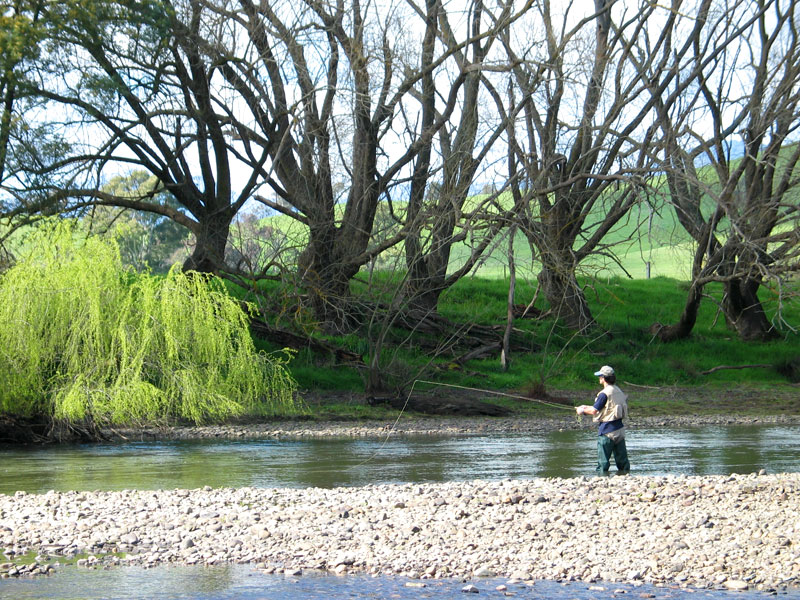
Over the last thirty years I’ve guided thousands of days on rivers, most of them from the oars of a drift boat on the Goulburn. During that time I’ve met anglers from almost every imaginable background. Surgeons. Farmers. Builders. Lawyers. Retired couples. Fathers and sons. Complete beginners who had never held a fly rod, and experienced anglers who had travelled the world chasing trout.
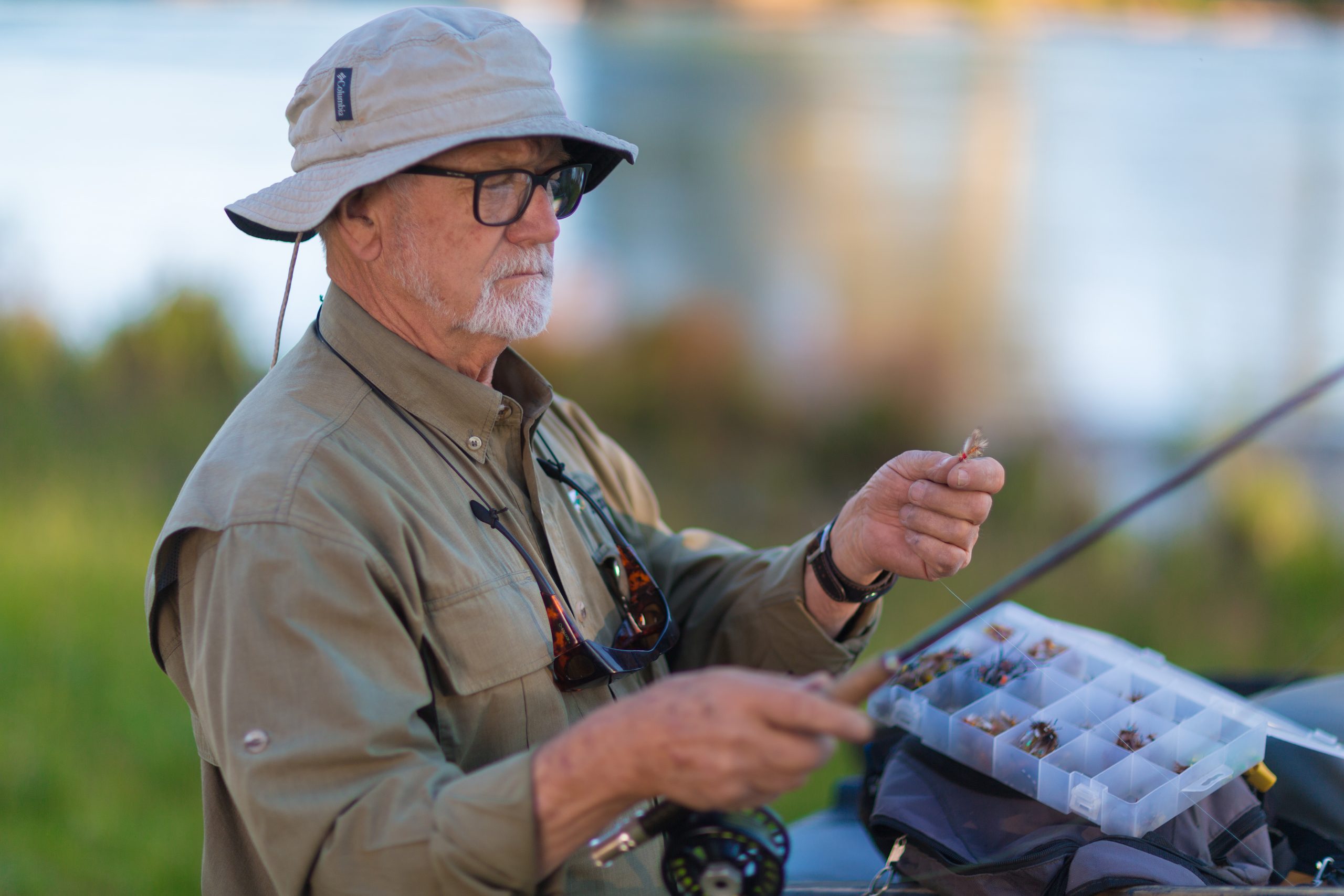
One thing becomes very clear after enough seasons: people rarely remember only the fish. They remember how the day felt. They remember the atmosphere in the boat, the conversation, the patience, the encouragement, the lunch beside the river, the calmness of the guide when conditions became difficult, and the feeling of being looked after properly.
When I first started guiding in the 1990s, I probably measured success too narrowly. Like most younger guides, I wanted every client to have the best fishing day of their life. Bigger fish. More fish. Better numbers. Experience gradually taught me otherwise. The fishing remains enormously important, of course. Nobody hires a guide hoping for a poor day on the water. But after enough years you begin to realise that memorable guiding runs much deeper than simply rowing clients toward rising trout.
A guide’s role is far more layered than many anglers initially understand. At different moments throughout the day, a guide may become a teacher, coach, boatman, weather observer, local historian, storyteller or simply quiet company. The best guides understand when each role matters, and that judgement develops slowly.
Modern fly fishing can sometimes create the impression that guiding is primarily about dramatic photographs and social media highlights. After enough seasons on rivers, however, you begin to understand that the real work often happens in quieter moments. It happens when a guide recognises a client is becoming frustrated and subtly changes the pace of the day. It happens when deteriorating weather demands a different section of river. It happens when somebody who has struggled with casting suddenly lands a difficult drift correctly for the first time. It happens when an older angler quietly admits they may not have too many more seasons left travelling to places they’ve always dreamed about.
The best guides learn to read people almost as carefully as they read water.
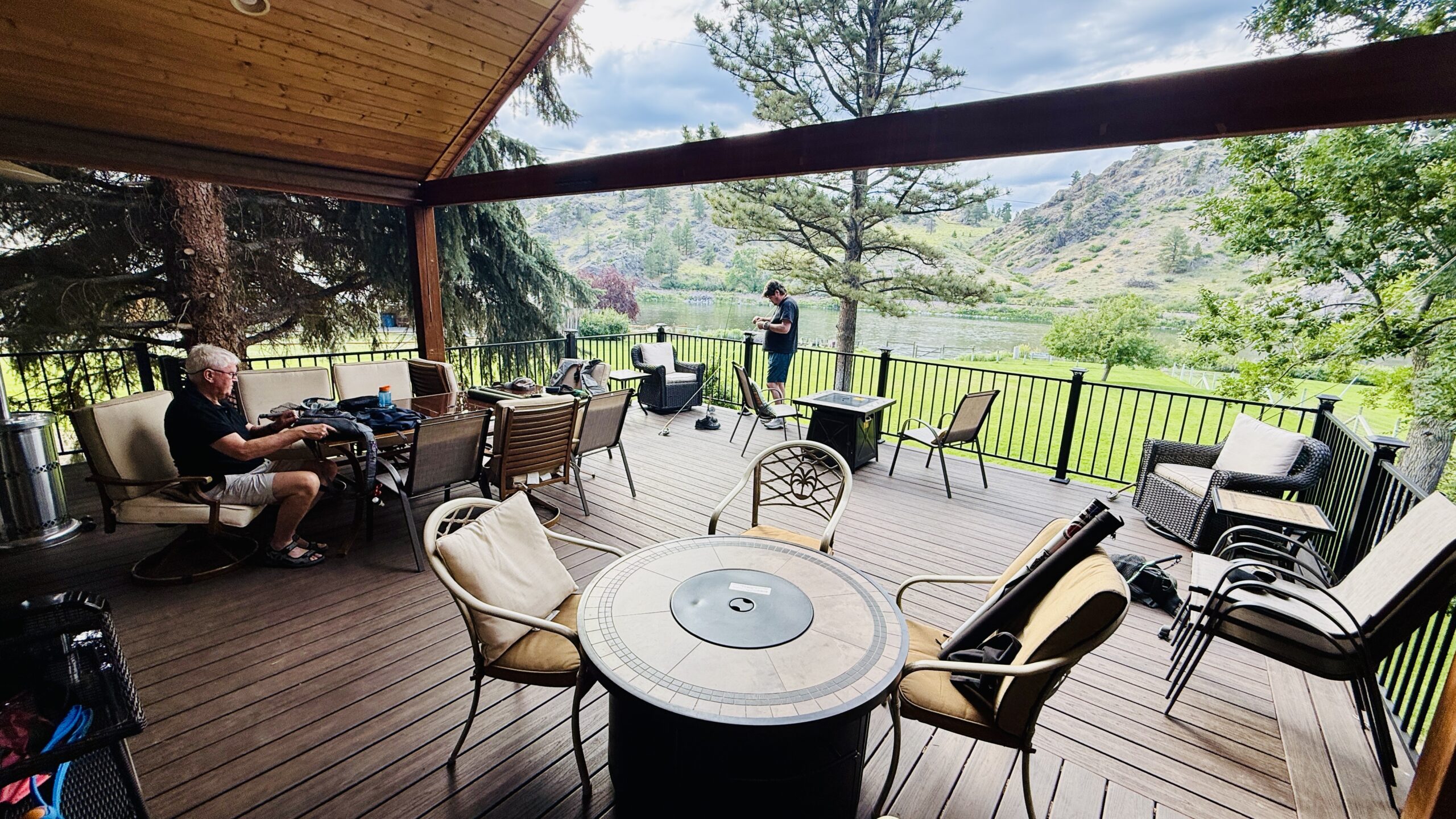
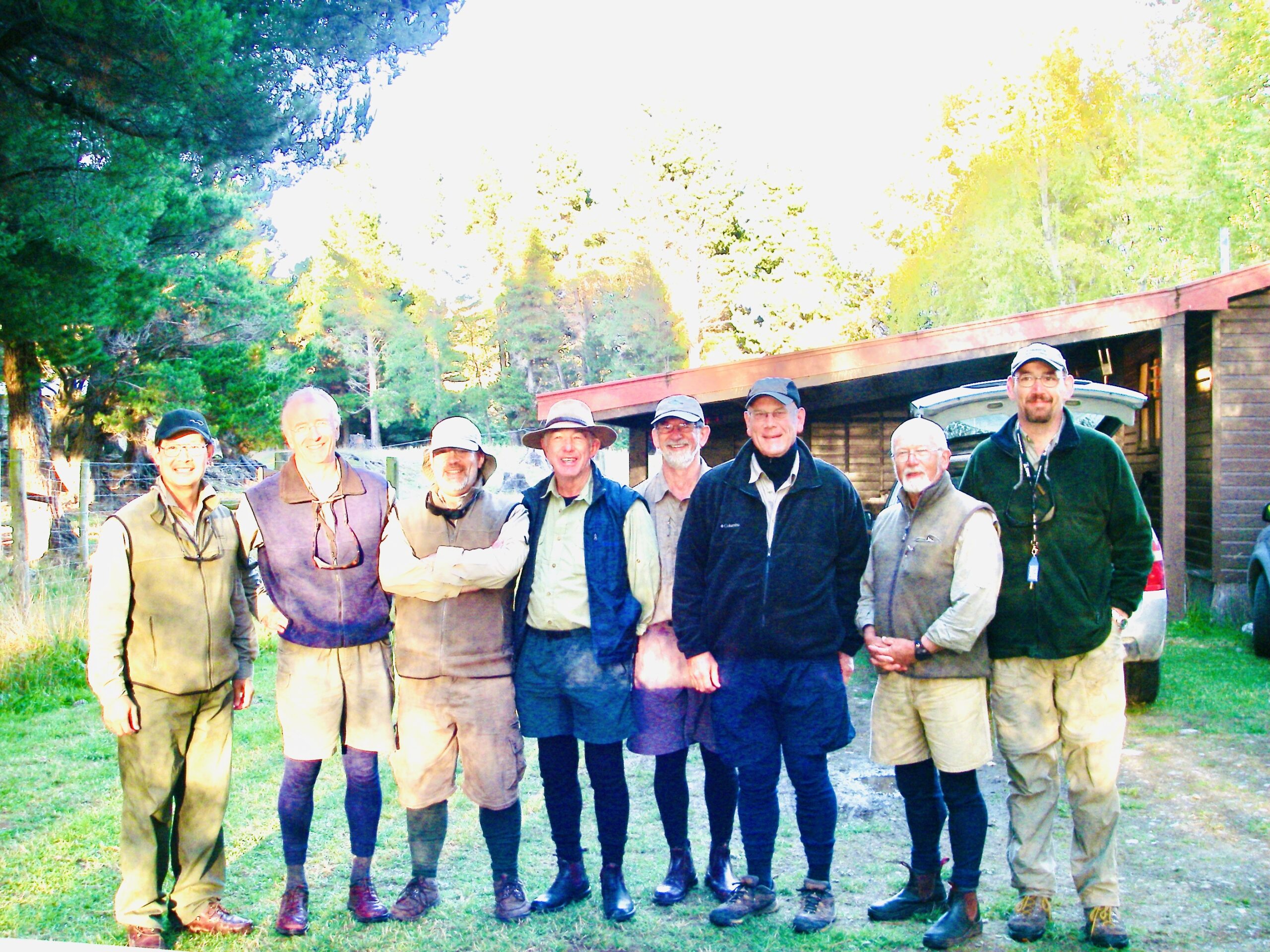
That human side of guiding becomes even more important on extended trips. When people join us in New Zealand or Montana, they are often travelling a long way from home, investing significant time and money, and placing considerable trust in the people hosting the experience. In many cases they are also stepping temporarily outside their normal lives and responsibilities.
A guide or host who creates unnecessary tension, ego or pressure can profoundly affect a trip. Likewise, a calm and thoughtful guide can elevate even difficult fishing conditions into a deeply enjoyable experience.
Some of the most successful days I’ve experienced as a guide involved remarkably few fish. A mayfly hatch that never quite developed. A difficult wind. Changing weather. And yet clients still left smiling because the broader experience remained rich and memorable.
Perhaps that is one of the biggest misconceptions about guided fly fishing: that success can be measured purely by numbers.
Of course we all love good fishing. We pursue trout because the challenge remains endlessly fascinating. But the longer I spend around rivers, the more convinced I become that most anglers are searching for something slightly deeper than fish alone. Space. Perspective. Connection. Relief from pressure. Time outdoors with people they enjoy. The river simply becomes the setting where those things occur.
That understanding changes the way experienced guides approach their work. Clients do not necessarily need perfection. They need confidence, honesty, patience and somebody who remains composed when conditions become difficult. They need somebody capable of adapting without drama.
That calmness is not accidental. It emerges from accumulated seasons on the water. A river behaves differently across droughts, floods, heatwaves, cold fronts, irrigation changes, insect cycles, bushfire years, high angling pressure and changing seasonal flows. A guide who has lived through enough of those cycles gradually develops perspective that simply cannot be rushed.
The same applies to safety.
Any experienced guide understands that safety on rivers involves far more than life jackets and first-aid kits, though those things are obviously essential. Good guides constantly think ahead. They monitor changing conditions, weather, river flows, client fatigue and countless small variables throughout the day.
The drift boat teaches this particularly well. When rowing technical water, you’re always observing currents before you reach them. You learn to read subtle seams and pressure lines instinctively. You begin anticipating problems before they fully develop. Over time, that habit extends beyond rowing itself. It influences how you guide people, structure days and manage difficult situations.
Interestingly, many of the qualities that make somebody enjoyable company on a river are difficult to advertise online. Patience rarely photographs dramatically. Neither does judgement. Or humility. Or emotional steadiness. Yet those qualities often define the difference between a merely competent guide and a truly memorable one.
Personality matters enormously as well. If you’re spending eight or ten hours in a drift boat with somebody, or travelling together for a week through Montana or New Zealand, basic human chemistry becomes important. Some guides naturally create relaxed atmospheres. Others operate with more intensity. Neither is necessarily wrong, but different anglers are drawn to different personalities.
That is why I often encourage people to trust instinct as much as marketing. Speak with guides before booking. Pay attention to how they communicate. Do they sound patient? Do they seem genuinely interested in helping you? Do they answer questions thoughtfully? Do they make the experience feel welcoming?
A good guide should leave you feeling calmer and more confident before you’ve even stepped onto the river.
Enthusiasm matters greatly too. The best guides retain genuine curiosity despite years on the water. They still notice changing insect activity. They still become excited by subtle improvements in conditions. They still care deeply about rivers, fish and client experiences.
That enthusiasm tends to be contagious. Clients feel it.
Importantly, mature guides usually carry that enthusiasm quietly. After enough years, most experienced operators realise the river does not reward ego for very long. Fish have a way of humbling everybody eventually. Rivers change constantly. Conditions shift. Days that look perfect sometimes fish terribly. Difficult days occasionally become unforgettable.
That unpredictability is part of why fly fishing remains so endlessly compelling. And perhaps it is also why good guiding becomes more thoughtful over time.
These days I find the most rewarding part of guiding is often watching somebody settle into the rhythm of a river properly for the first time. The moment their casting slows down. The moment they stop rushing. The moment they begin noticing currents, birds, light, insects and weather rather than simply chasing fish.
That shift usually means they are beginning to understand fly fishing more deeply.
At its best, guided fly fishing is not about somebody showing off expertise or proving how much they know. It is about helping another person experience a river more fully and confidently than they could have alone.
The right guide does not simply help you catch fish. They help shape the memory of the day itself.
Years later, most anglers won’t remember every fish they caught. They’ll remember the fog lifting off the river at dawn. The conversation over lunch. The trout that refused at the last second. The guide who remained calm when conditions became difficult. The feeling of being completely immersed in a river for a day.
Good guides understand that.
They’re not simply helping people catch trout.
They’re helping create memories that often last far longer than the fish themselves.
Ant