The Goulburn River Through the Seasons
People often ask me when the best time to fish the Goulburn is. After more than thirty years working on the river, I still find it a difficult question to answer, partly because the river changes so much throughout the year and partly because different anglers are looking for entirely different experiences. Someone who enjoys wading clear, shallow water and sight-fishing to individual trout may have little interest in the heavier summer flows. Another angler might happily wait until December, when the river rises and the banks become the centre of attention from a drift boat. For some, the arrival of the first substantial mayfly hatches is reason enough to plan a visit. Others prefer the quieter weeks of autumn, when the crowds have largely disappeared and the fishing becomes more deliberate.
I have my own preferences, although they have changed over the years. There were times when I would have chosen November without much hesitation, particularly during seasons when the insect life seemed almost limitless and trout were rising from early morning until dark. These days I am equally drawn to April, when the weather settles, the river begins losing some of its summer urgency and there is often a remarkable variety of fishing available. But ask me after an exceptional evening on the river in October and I may give you a different answer again.
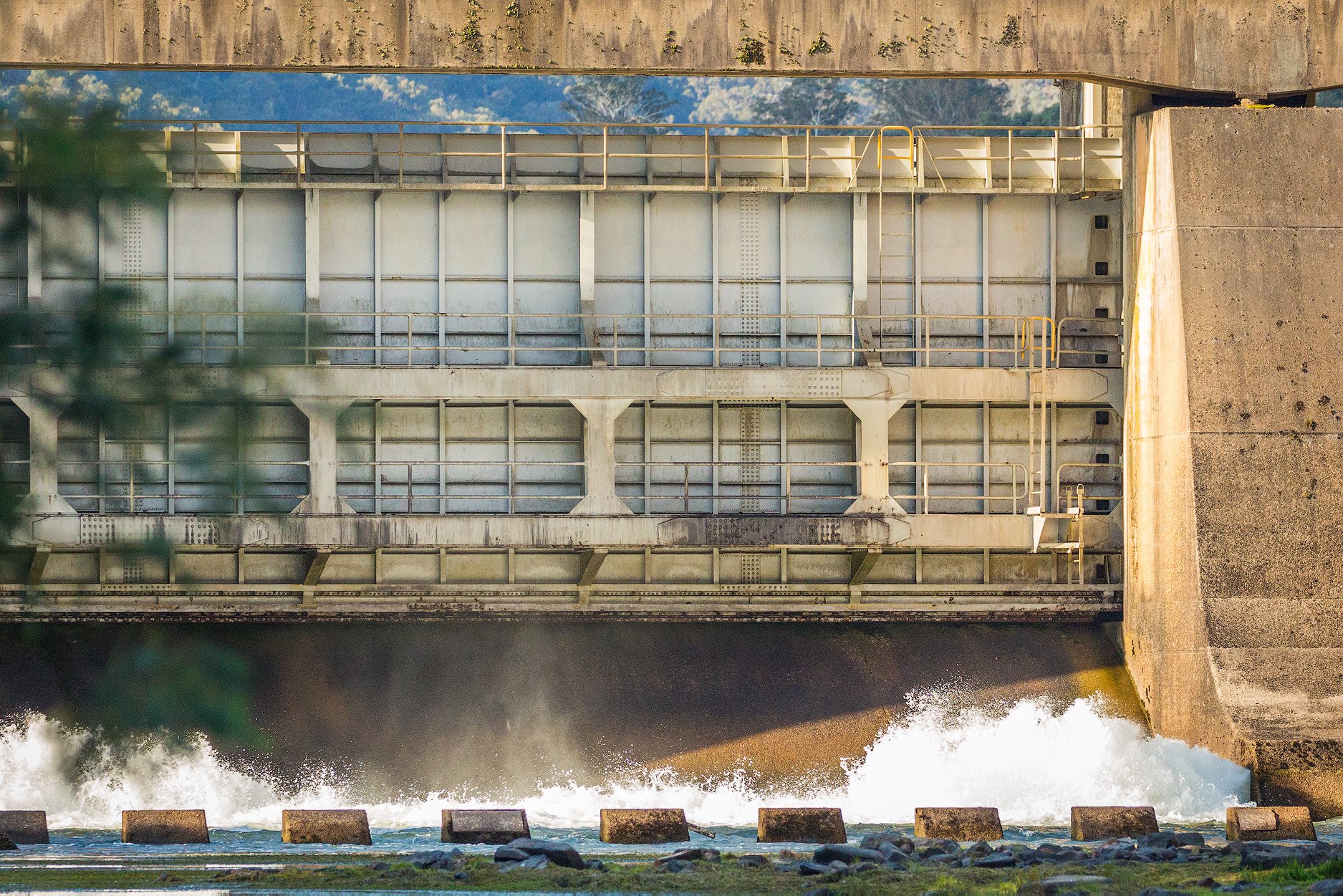
Much of what makes the Goulburn so interesting is the influence of Lake Eildon. Unlike the surrounding freestone rivers, where flows follow rainfall and seasonal runoff, the Goulburn below the dam is heavily regulated. Water is released to meet irrigation, environmental and other operating requirements, and the timing and volume of those releases can change the character of the river almost completely. A section that appears broad, shallow and easily waded in September may be carrying many times as much water by December. Gravel bars disappear, banks become inundated and current lines move towards the edges. Trout that were feeding in the middle of the river only weeks earlier may now be lying beneath grass or overhead willows, sometimes within a metre of the bank.
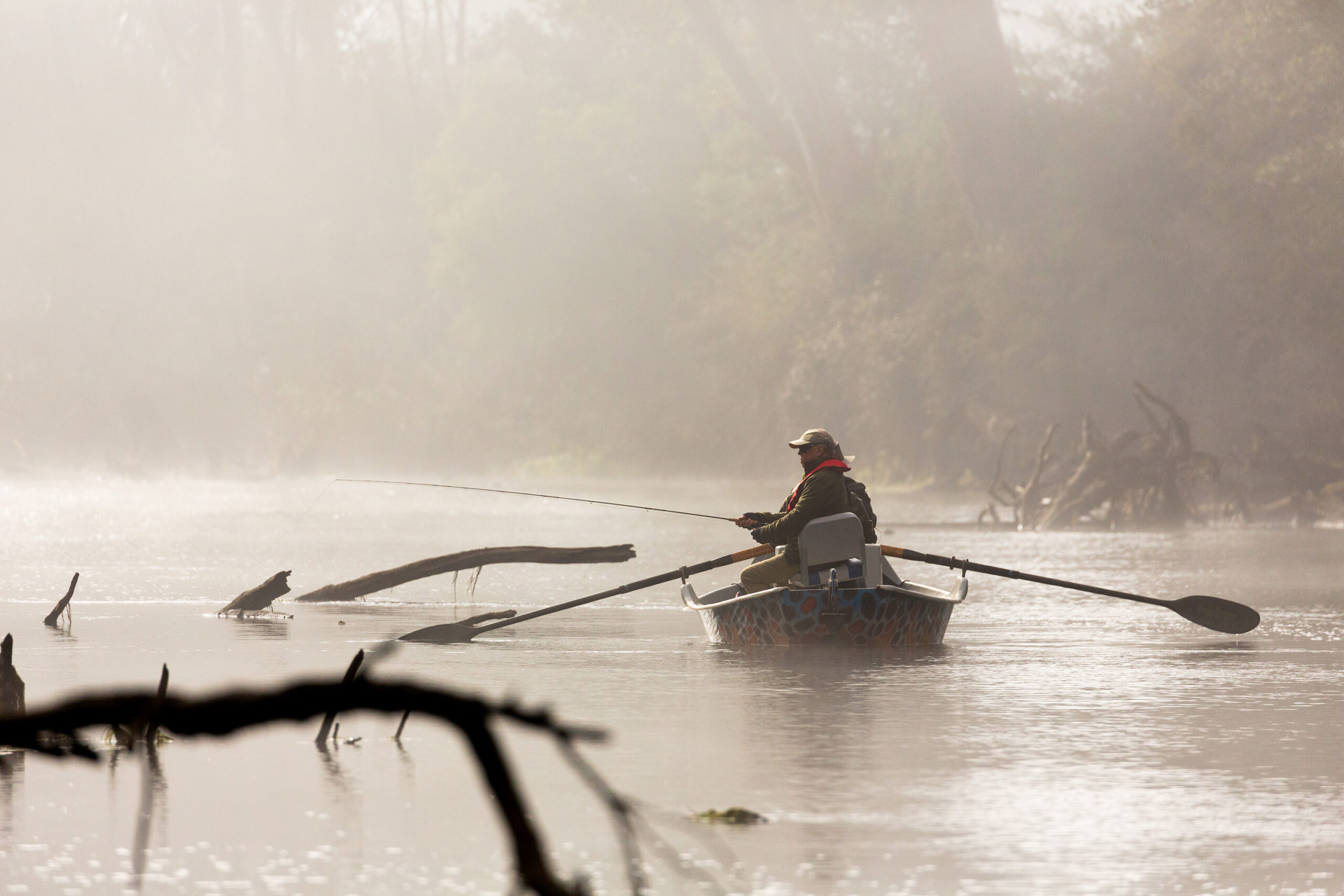
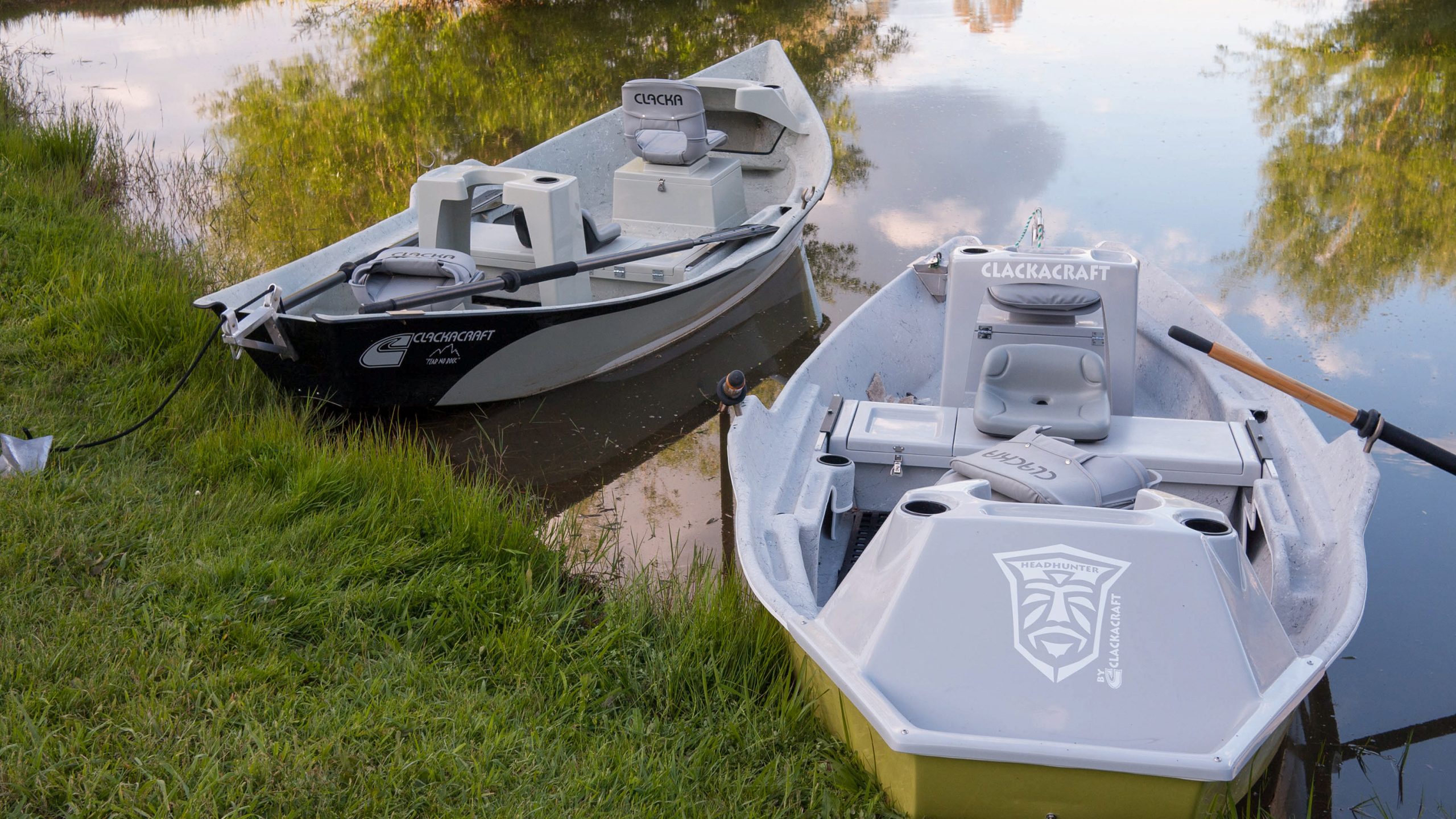
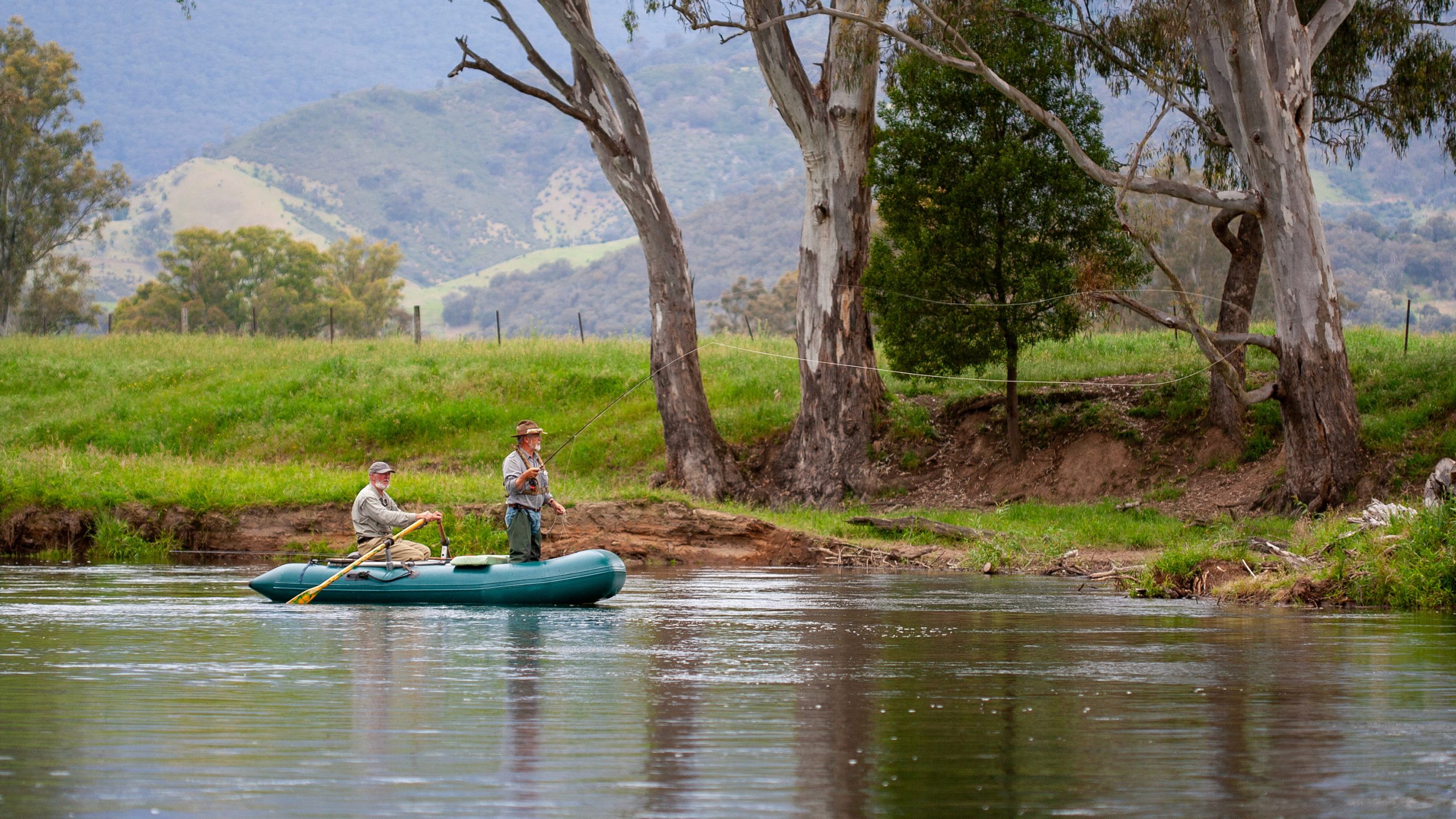
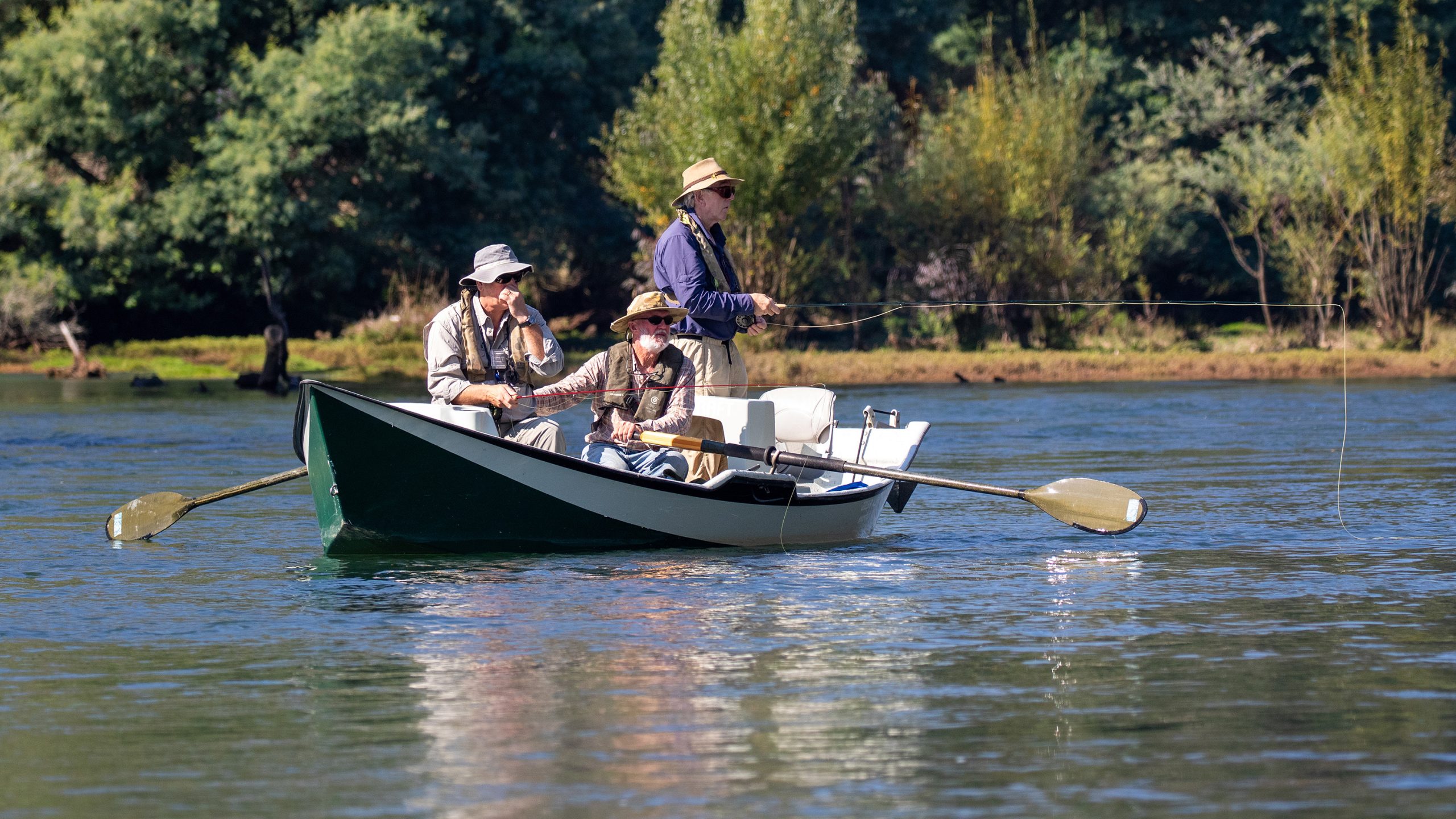
When we began drift boating the Goulburn in 1994, very few anglers approached the river that way. Most fishing was done on foot, and large sections of the river received comparatively little attention, particularly once irrigation releases made wading difficult. Drift boats allowed us to explore water that had previously been awkward or impossible to fish effectively. They also changed the way I looked at the river. Spending so much time moving downstream, often over the same sections in very different conditions, gave me an opportunity to watch the entire system change through the seasons rather than concentrating on the handful of pools and runs accessible from the bank.
Since then I have watched floods move gravel through long stretches, seen entire bends altered by erosion, endured drought years when the fishing deteriorated badly and witnessed hatches that would be extraordinary on any trout river in the world. I have also seen seasons when the conditions appeared almost perfect but the trout were difficult to find. Water temperature, clarity, insect populations and river flows can all be encouraging, yet none guarantees a strong fish population or a successful day. The longer you work on the same river, the more careful you become about drawing conclusions from any single set of conditions.
Even so, certain patterns return often enough to be useful. What follows is not intended as a rigid calendar. The weather does not organise itself around the months, and the timing of irrigation releases, insect hatches and seasonal changes varies considerably from one year to another. It is simply how I have come to recognise the Goulburn through the fishing year, beginning with the opening of the trout season in September and finishing when the river closes for winter.
Spring
September: Low Water, Clear Flows and Careful Fishing
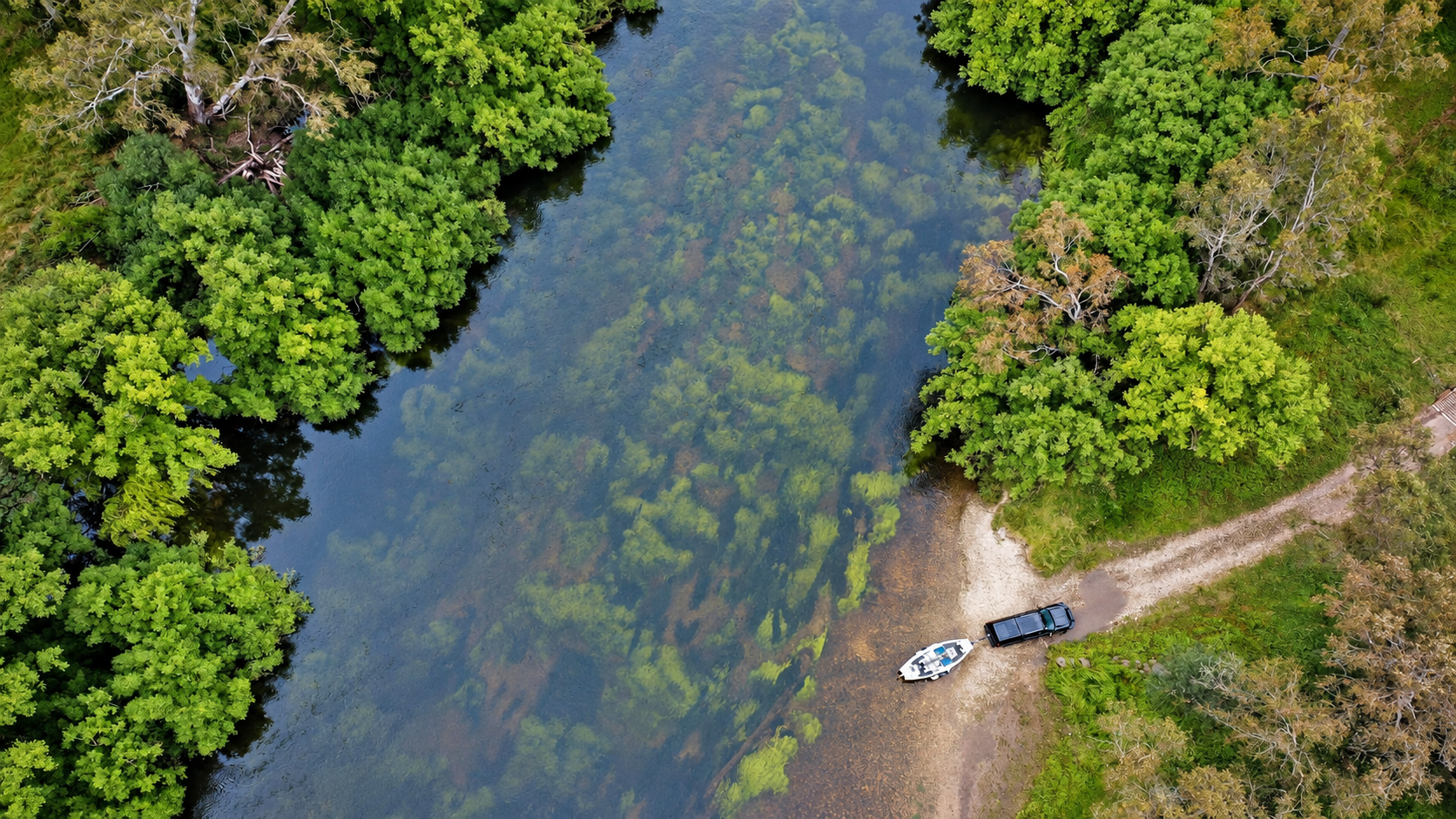
Opening week often finds the Goulburn running relatively low and exceptionally clear. Unless Lake Eildon is near spilling or other conditions require higher releases, much of the winter and early spring is spent with comparatively modest volumes of water entering the river. The larger gravel bars reappear, long shallow runs become accessible and there are opportunities to wade sections that would be difficult to reach during the irrigation season.
The contrast with the surrounding rivers can be remarkable. The Rubicon, Acheron, Steavenson and other freestone streams may still be carrying cold runoff or discoloured water from winter rain, while the Goulburn is flowing clear below the dam. For anglers keen to begin the season, that stability is particularly attractive. There is often a great deal of river available to explore, although the appearance of easy water can be misleading.
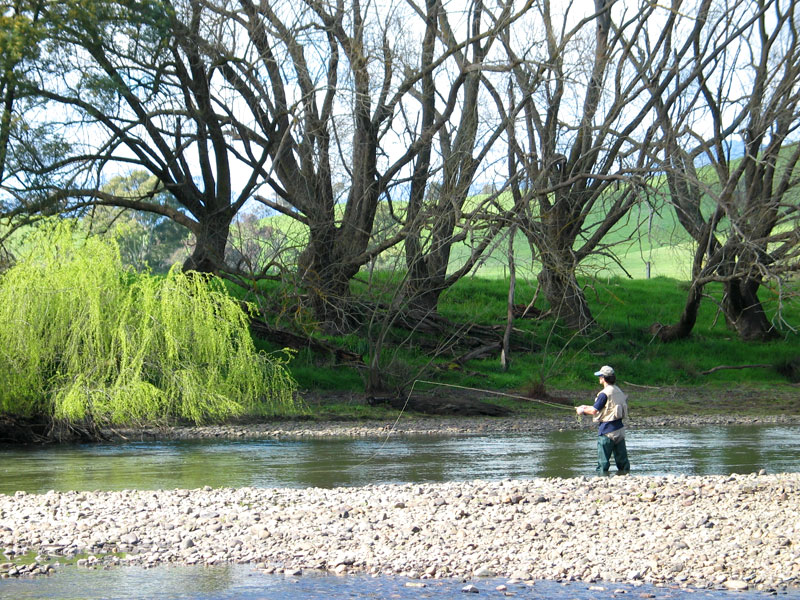
Trout that have spent months in low, clear conditions can be extremely cautious. They may occupy shallow feeding lanes beside gravel bars, softer seams along inside bends or positions close to submerged structure where they have a good view of anything approaching. A careless step, a shadow across the water or several unnecessary false casts can be enough to end an opportunity before the fly has landed. On the Goulburn, a fish does not always need to move far to avoid an angler. Sometimes it simply slips out of the feeding lane and becomes almost impossible to see again.
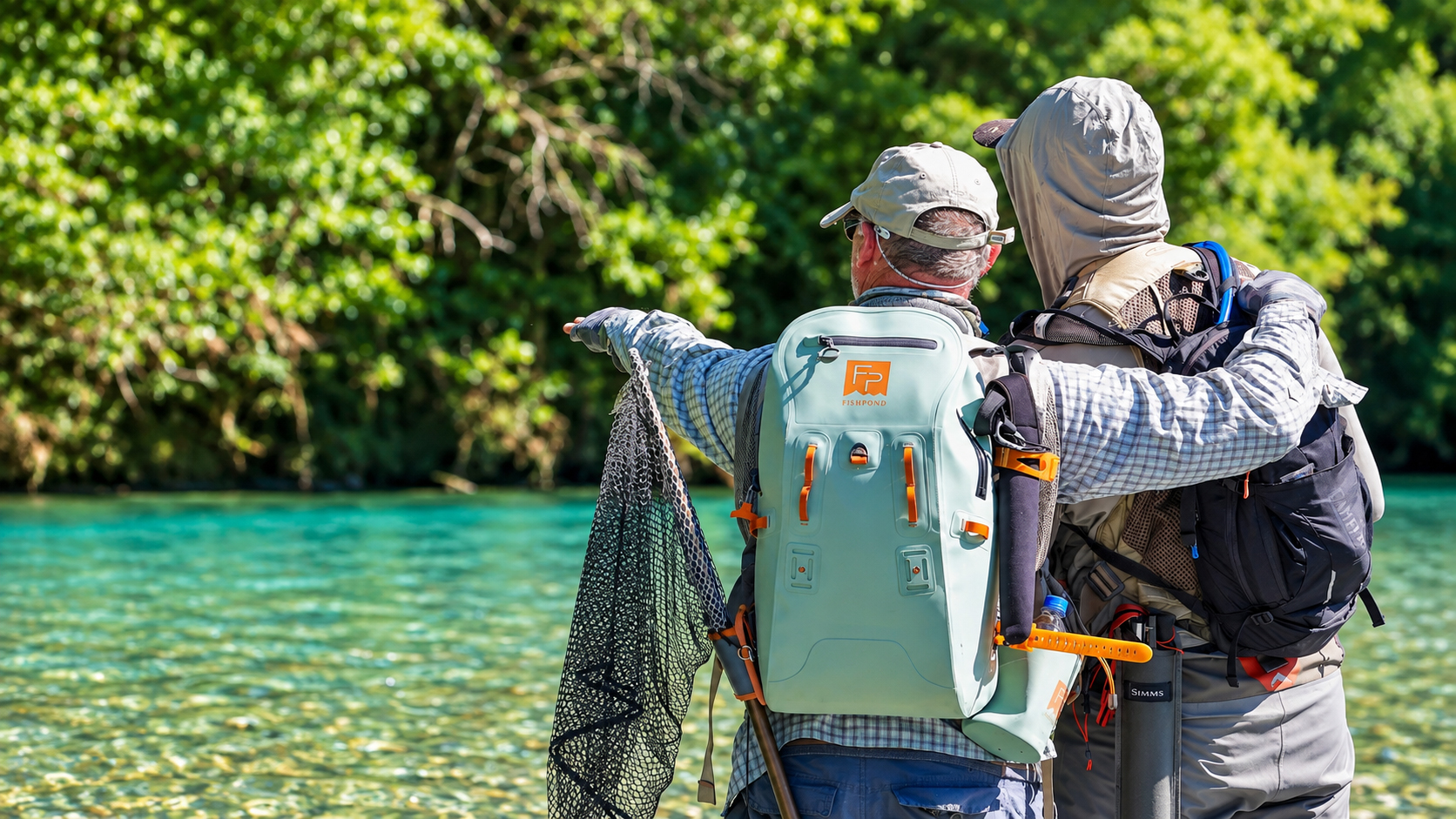
September rewards people prepared to approach slowly. I often encourage anglers to spend several minutes looking at a likely section before stepping into the water. Use the light, work out where the current is delivering food and try to establish whether anything is moving before deciding where to cast. Polarised glasses are invaluable, although even with good glasses there will be plenty of trout that are difficult to distinguish from the riverbed until they shift position.
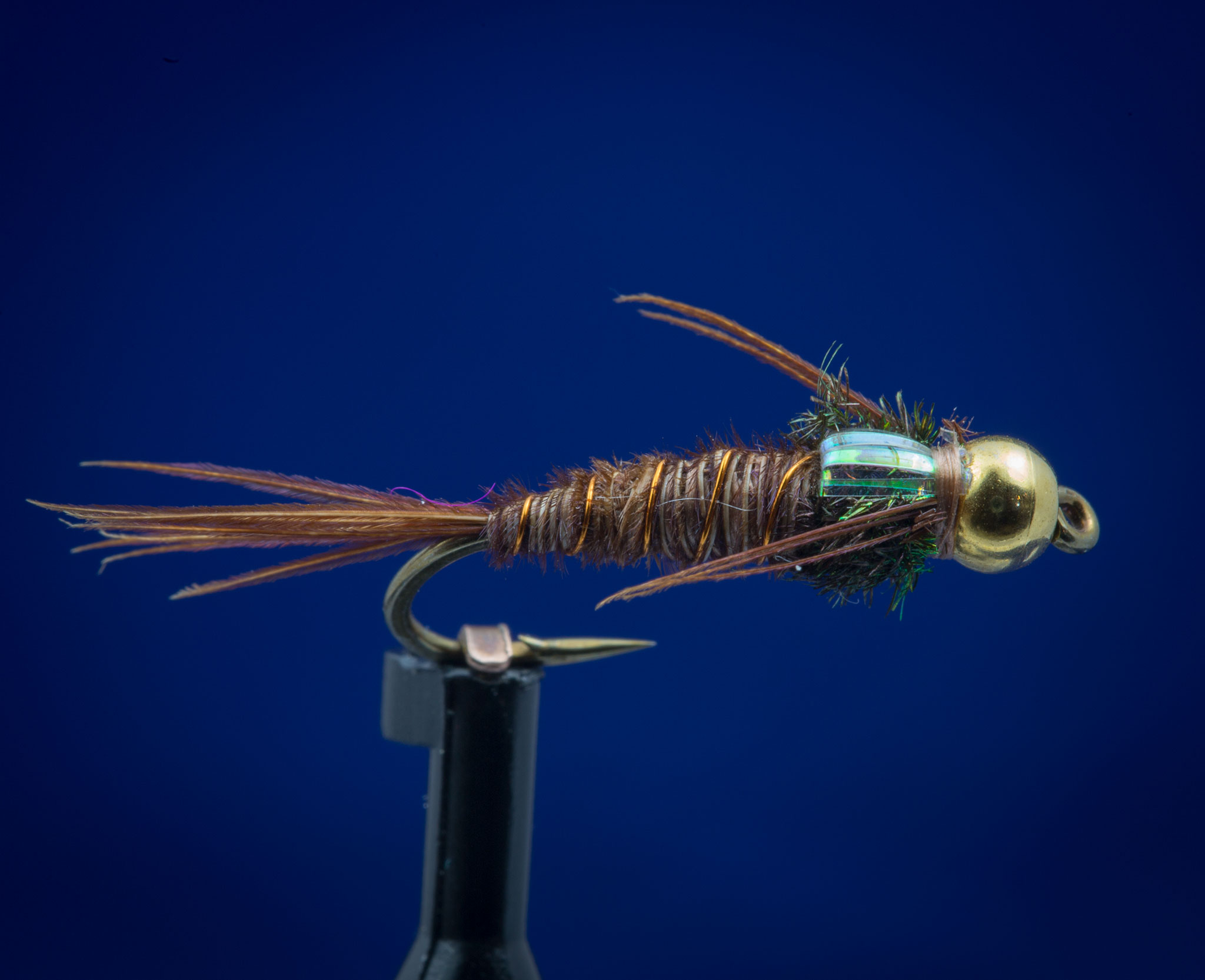
One mistake I see repeatedly is assuming that a lack of rising fish means the trout are not feeding. Early in the season, much of their activity may be taking place beneath the surface. Small nymphs, midge pupae and other aquatic insects provide food even when little is visibly happening above the water. A carefully presented nymph can be extremely effective, particularly through slower runs where fish are holding close to the bottom. The important distinction is between a river that is not showing much surface activity and one that is genuinely holding few feeding fish.
As the month progresses, insect activity generally becomes more noticeable. Midges are often present from the beginning, with small mayflies and increasing numbers of caddis appearing as the weather improves. On suitable evenings, larger pale duns sometimes emerge much earlier than expected. I have always enjoyed those first proper rises after winter, particularly when trout begin feeding in water that appeared completely lifeless an hour earlier. It is often a brief opportunity, and there are seasons when the better fishing occurs during the final half-hour of daylight.
September can be a wonderful month, but it is rarely one for anglers expecting the river to provide obvious opportunities from morning until evening. Much of the satisfaction comes from finding fish, approaching them properly and making relatively few casts count.
October: The First Substantial Hatches
October is usually when the river begins feeling more active. The days lengthen, water temperatures gradually increase and insect activity becomes more consistent. The timing depends heavily on weather and releases from Eildon. Some years the river remains low and clear well into the month. In others, increasing water demand or environmental releases bring a substantial rise, forcing fish to adjust to new current lines and feeding positions.
It is tempting to assume that rising water must improve the fishing immediately, but that has not always been my experience. Even relatively modest changes can unsettle trout for a period. A fish that was holding comfortably in a shallow seam may find that the current has strengthened or that a newly submerged edge now offers a more efficient feeding position. Until the river stabilises, the fishing can be surprisingly difficult. I have spent plenty of October days looking at clear water, good temperatures and considerable insect activity while wondering why so few trout seemed interested.
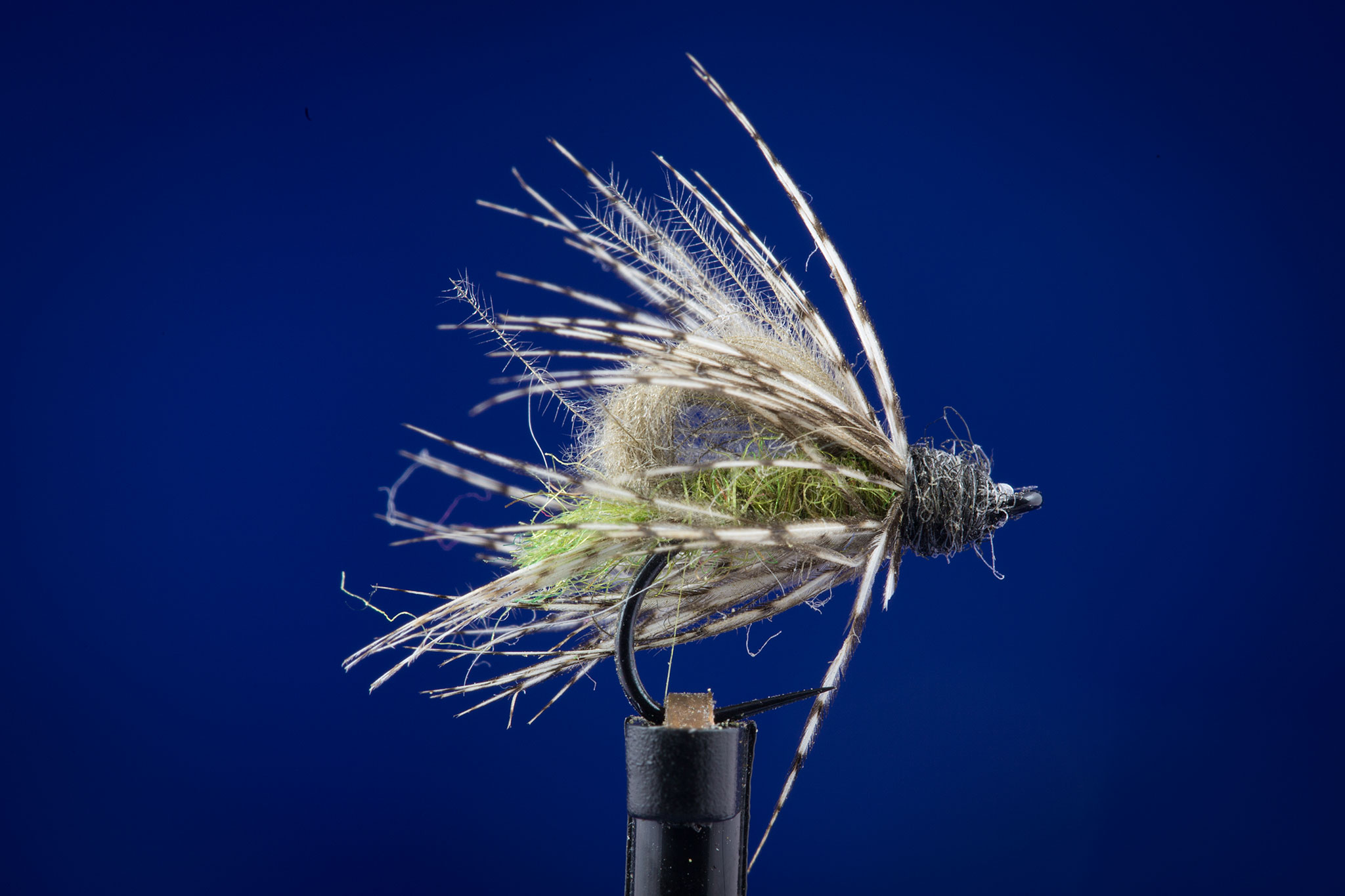
When conditions settle, however, October can produce some of the finest technical dry-fly fishing of the year. Caddis become increasingly important, mayfly activity builds and caenids can begin appearing in extraordinary numbers during suitable weather. These tiny mayflies are responsible for some of the most demanding fishing on the river. Trout feeding on them often establish themselves in slow, almost featureless water, where they rise repeatedly to insects that are difficult to see without getting close enough to examine the surface.
During a substantial caenid hatch, the problem is rarely finding a fly small enough to resemble the natural. It is getting that fly to arrive in the correct feeding lane without drag. A trout may be taking hundreds of insects drifting at almost exactly the same speed, and an imitation travelling slightly faster or slower can stand out immediately. Long leaders, fine tippet and careful positioning become far more useful than casting another ten metres. Sometimes a small adjustment to the boat or the angler’s position is worth more than changing flies.
The feeding behaviour is equally interesting. A trout may remain almost stationary, moving only a few centimetres to take each insect. Others travel slowly through a slick, rising in a sequence that becomes predictable once you have watched them for long enough. Learning where the fish begins its movement is often more important than casting at the last visible rise. The ring tells you where the trout took an insect, but not necessarily where it was holding before the take.
I have seen mornings on the Goulburn during which the number of rising trout would compare favourably with anything I have encountered on the celebrated dry-fly rivers of New Zealand or Montana. Those days are not guaranteed, and there have been plenty of disappointing Octobers as well. But when the river is carrying a heavy fall of small mayflies and the fish are feeding confidently, it can be extraordinary. A good angler might spend most of the morning working individual fish without moving far at all.
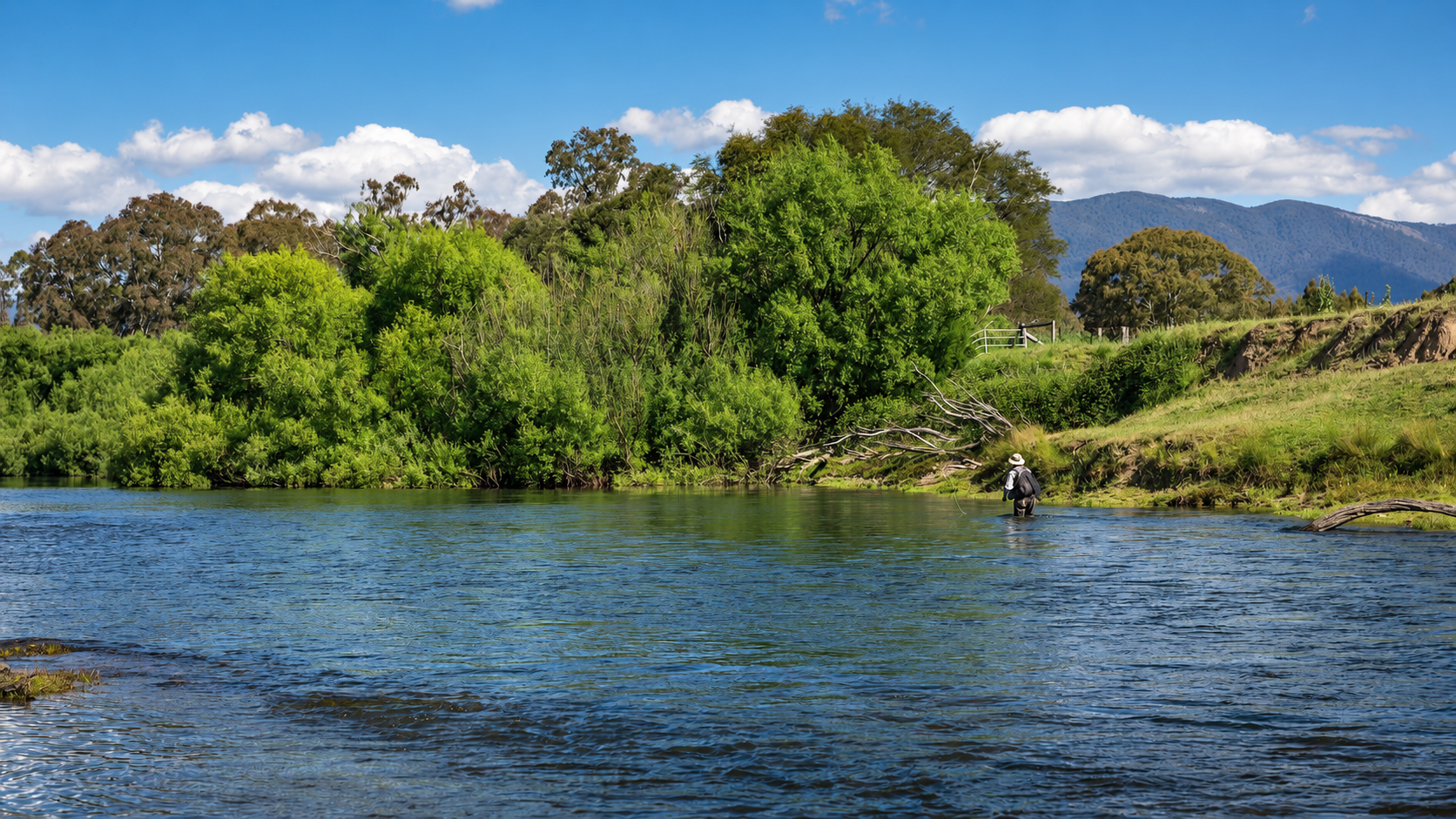
November: The River at Its Most Generous
November has traditionally been one of my favourite months because so many different insects can be present at the same time. Caenids may be bringing fish to the surface early in the morning, caddis can become increasingly noticeable through the day, and larger mayflies often appear as the light begins to fade. Spinners, beetles, flying ants, termites and occasional stonefly activity add further variety.
Some years the abundance is difficult to believe. A quiet pool may be carrying several species of mayfly simultaneously, while caddis gather along the willows and trout rise in different parts of the current to entirely different bugs. It is one of the reasons the fishing can remain technically demanding even when there are plenty of insects available. Finding rising trout is only the beginning. You still need to work out what they are taking.
Ciacadas are now far more likely to start appearing in the middle of November than. This is a marked shift from when I was a child and their emergence was generally a December event. The good news is this gets the fish eating big flies earlier in the season.
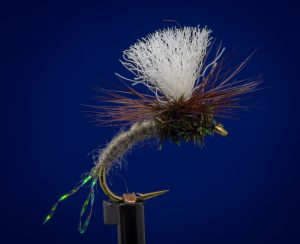
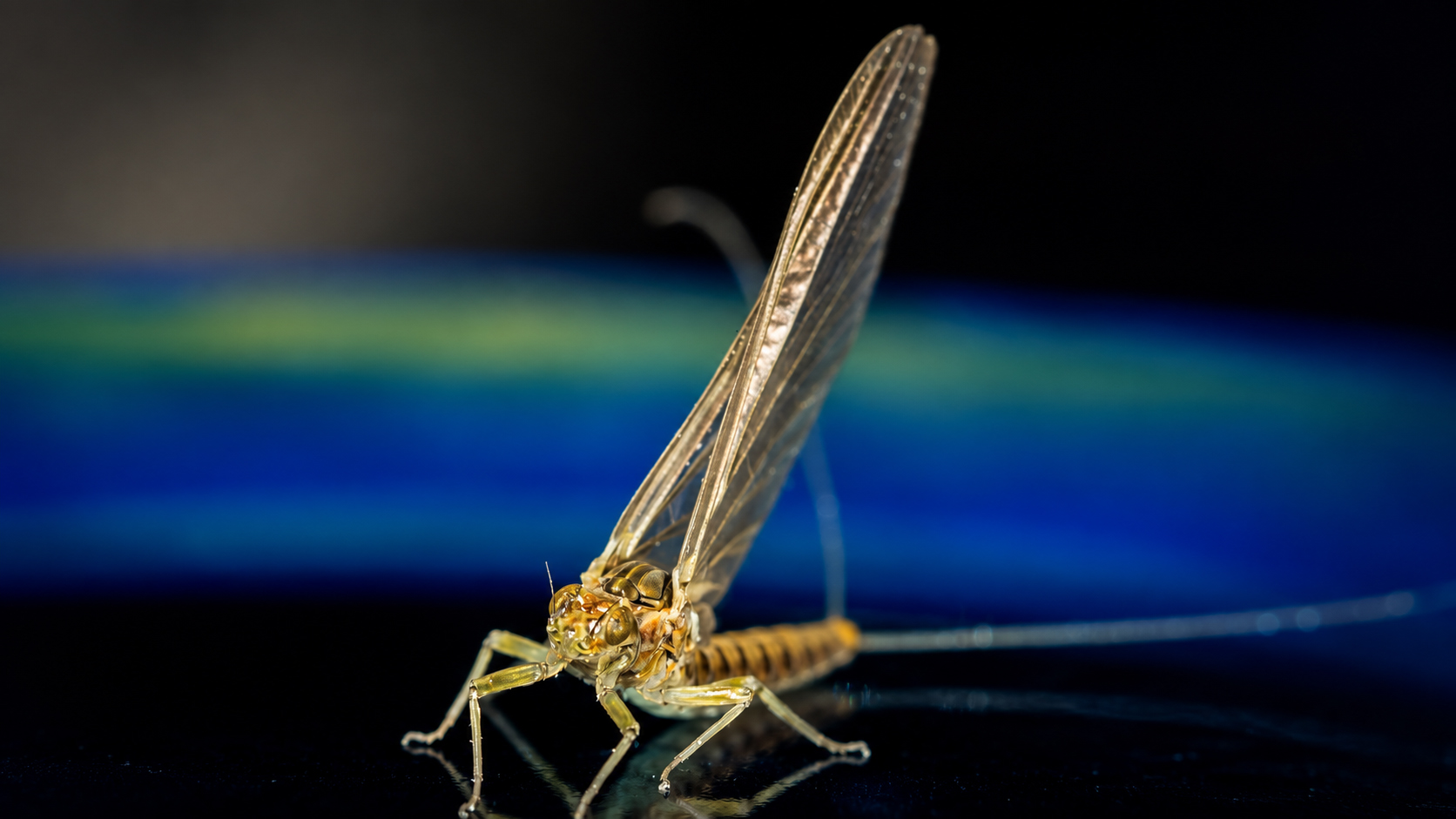
The Kossie Dun is one of the insects I particularly associate with this part of the season. These large mayflies can begin appearing towards evening and sometimes bring better trout to the surface during a remarkably short feeding window. I have guided plenty of days when the afternoon fishing was ordinary, with only scattered rises and little indication that anything substantial was about to happen. Then, as the light faded, large duns began appearing and trout that had shown themselves only occasionally started feeding with considerably more confidence.
It pays to be prepared to stay late. There is often a temptation to finish at a reasonable hour, particularly after a long day on the water, but some of November’s better opportunities arrive just as the river is beginning to disappear into the evening. A fish that has ignored smaller insects for hours may suddenly become very interested in the larger mayflies. The important thing is being in position when it happens, rather than spending the best part of the hatch travelling between pools.
Flying ants and termites can provide equally memorable late spring fishing. Their appearance is strongly influenced by weather, particularly warm and humid conditions, and the timing is never entirely predictable. A substantial fall can bring fish to the surface in places where little activity had been visible beforehand. Trout sometimes become so focused on these insects that they will ignore everything else drifting past them.
There are few more frustrating experiences than watching large trout rise confidently across a slick while discovering that the one pattern you neglected to carry is precisely what they are eating. I have become fairly particular about ensuring that suitable ant and termite imitations remain in the fly box throughout this period, even on days when there seems little reason to expect either.
November does not always produce the same hatches in the same order, and a sudden increase in releases can rearrange the fishing almost overnight. Nevertheless, when the weather, water levels and insect activity come together, it can be a remarkable time to be on the Goulburn.
Summer
December: Rising Water and the Importance of the Edges
By December, irrigation demand commonly brings a substantial increase in releases from Lake Eildon. Depending on the season and the operating requirements, the river may rise in stages or move relatively quickly towards the higher levels associated with summer. For an angler accustomed to fishing the Goulburn on foot during spring, the change can be dramatic.
Gravel bars that were exposed only weeks earlier disappear beneath several feet of water. Runs that were easily crossed become fast and deep, while the main current occupies a much greater proportion of the channel. The fish respond by moving towards more efficient feeding positions. Softer edges, flooded grass, willow roots, backwaters and submerged structure become increasingly important because they allow trout to remain close to food without expending unnecessary energy fighting the heaviest current.
This is the season when drift boats become particularly valuable. Much of the productive water is difficult to reach from the bank, and even where access is possible, the current can make wading uncomfortable or unsafe. From a boat, we can work long stretches of shoreline, positioning anglers to cast beneath overhanging branches or along the narrow seams created where fast water meets the quieter margins.
People fishing the Goulburn for the first time are often surprised by how close to the bank we ask them to cast. There is a natural tendency to look towards the middle of a large river and assume that the best fish must be holding somewhere in the deeper water. In summer, however, some of the most productive lies may be within a metre of the shore. A trout tucked beneath an overhanging willow or undercut grass bank can intercept insects drifting along the edge without having to move far from cover.
The challenge is getting a fly into those positions without immediately catching it in the vegetation. Good drift-boat fishing involves a constant series of adjustments. The guide changes the boat’s angle, slows it against the current or moves slightly closer to the bank while the angler prepares for the next opportunity. There is often only a short window in which the cast can be made effectively. A fly landing a metre too far from the structure may travel through perfectly good-looking water without attracting any attention from fish that are loathe to wasting energy chasing small rewards out in fast current.
Terrestrial insects become increasingly important as summer develops. Beetles are frequently present, grasshoppers become more common as the surrounding country dries and cicadas remain active. These insects introduce a different kind of fishing from the delicate mayfly work of spring. A larger dry fly landing close to cover may be taken aggressively by a trout that has been waiting beneath the bank for something worthwhile to arrive.
Then there are the willow grubs.
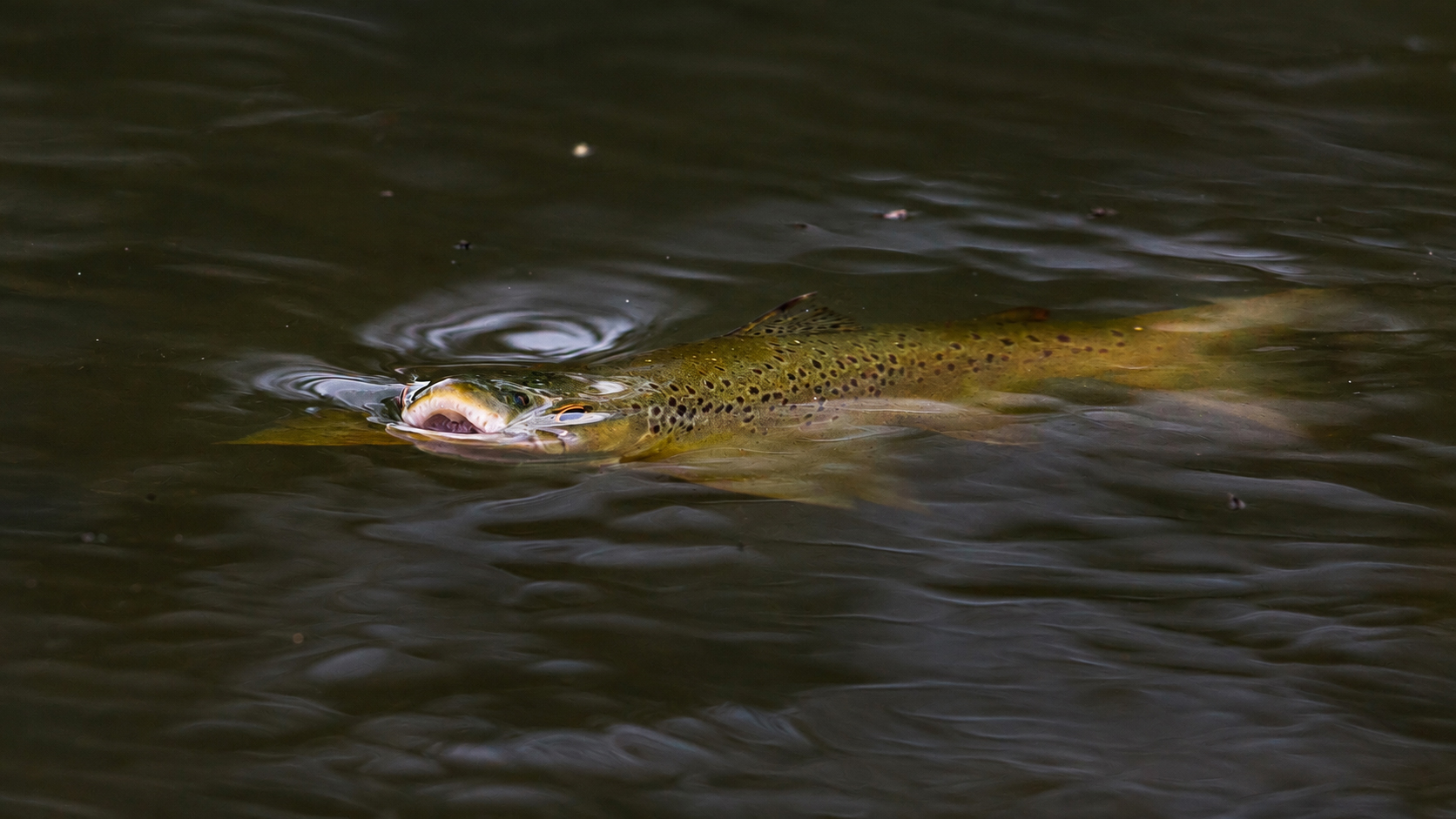
For some anglers, willow grub fishing is almost synonymous with summer on the Goulburn. The larvae fall from overhanging willows and become available to fish holding beneath the trees. When the grubs are falling consistently, trout can become remarkably focused on them, rising repeatedly in a very small area while ignoring all other food.
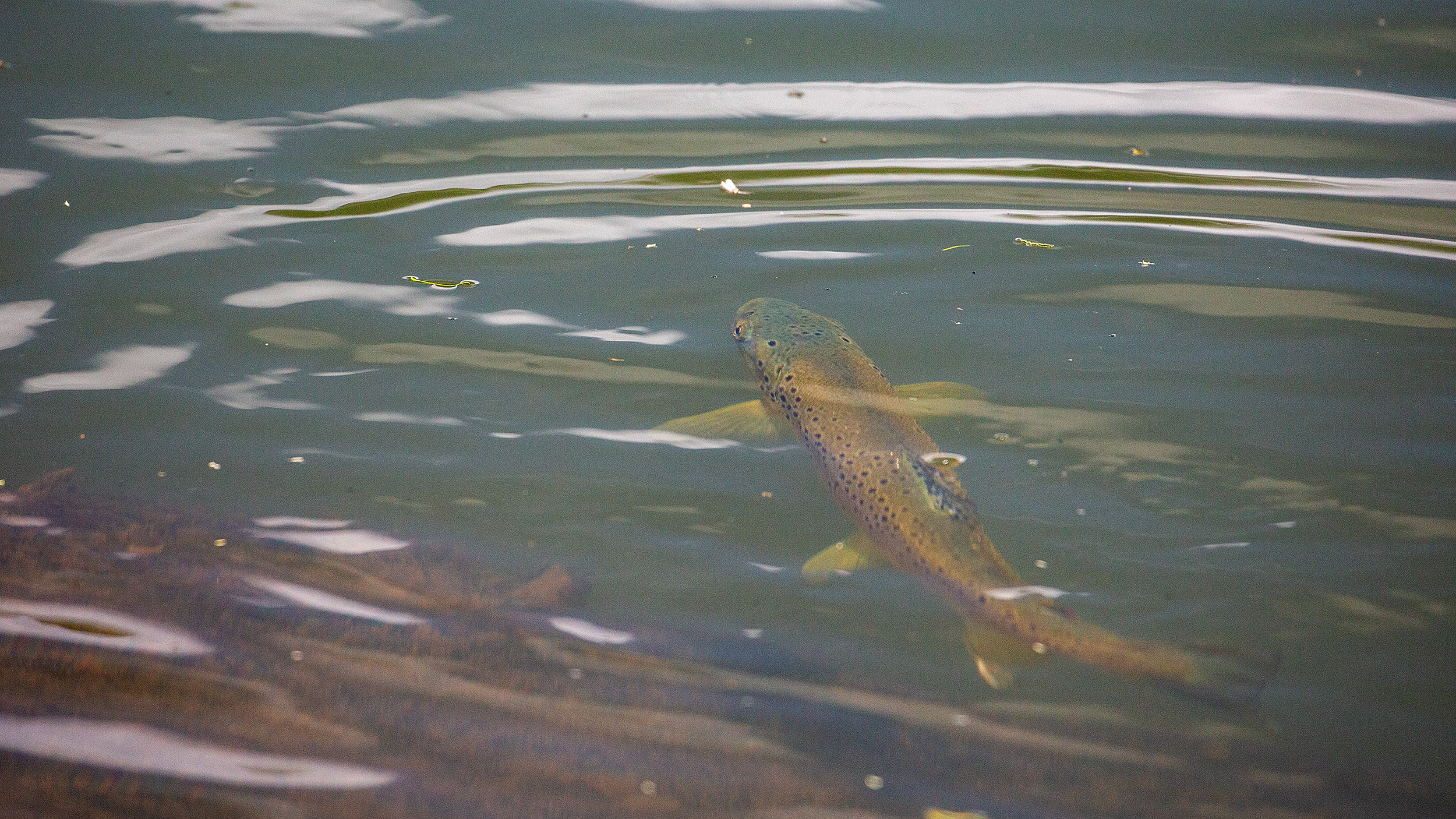
The takes are not always obvious. Sometimes a large brown simply appears beneath a willow, makes the slightest movement at the surface and disappears again. Watching the same fish feed repeatedly can reveal its patrol route in backwaters, allowing the guide to position the boat so the angler can place a small imitation exactly where the fish is likely to return, or even better, in the fish’s path. It is absorbing fishing, but it can require considerable patience, particularly when the trout is moving back and forth between heavy cover and open water.
December is when much of the summer character of the Goulburn becomes established. More water brings more habitat into play, the banks become increasingly important and a great deal of the fishing begins taking place in areas that were not available earlier in the season.
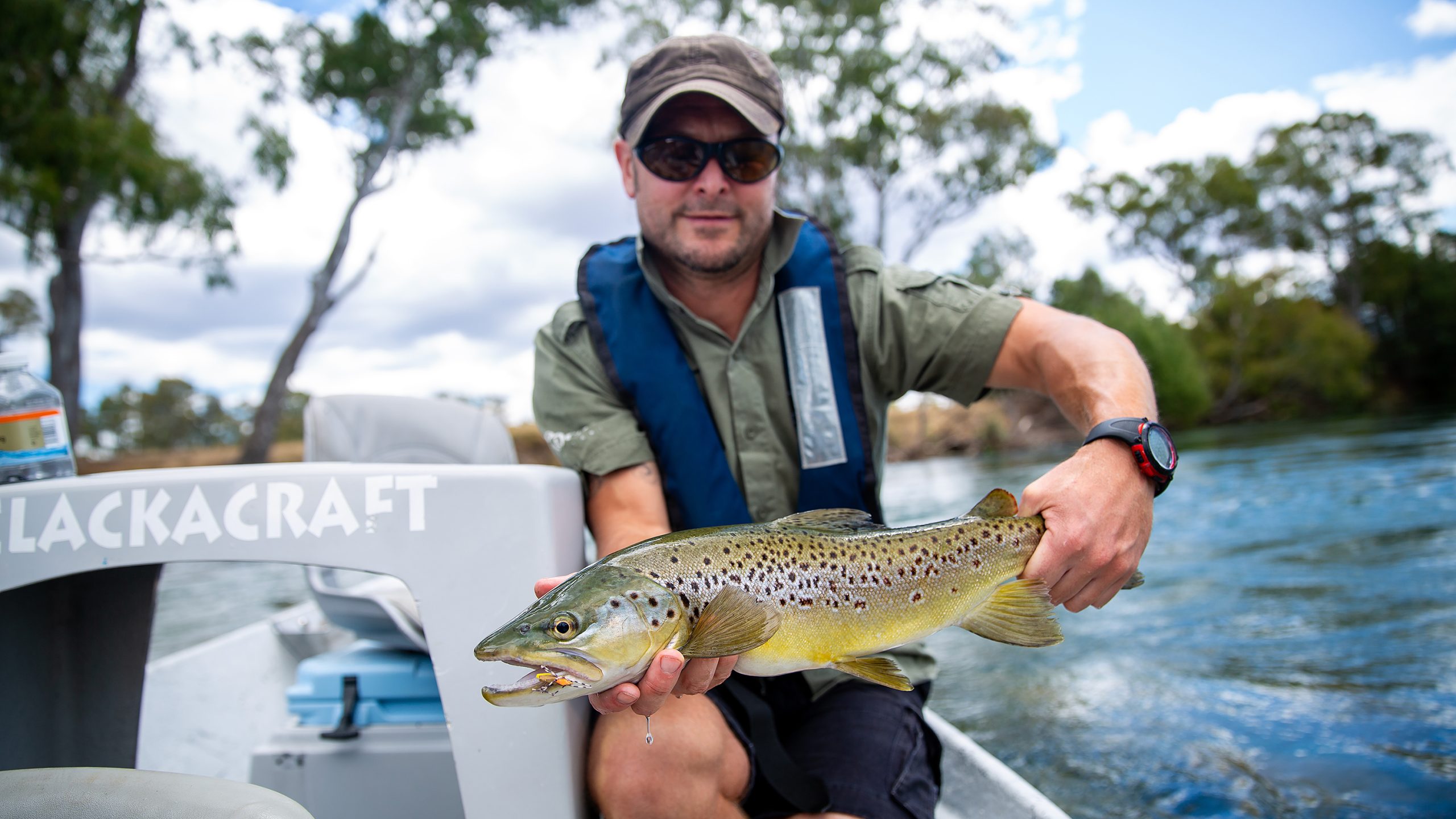
January and February: The Tailwater’s Greatest Advantage
The hottest months of the Australian summer reveal one of the principal advantages of the Goulburn. While many surrounding rivers become low, warm and increasingly difficult for trout, the release of cooler water from Lake Eildon can maintain comparatively favourable conditions through much of the upper river.
That advantage should not be mistaken for a guarantee. Water temperatures vary with distance from the dam, weather conditions, flow rates and the contribution of tributaries. Nor does cool water automatically mean that trout populations are strong. Nevertheless, during periods when freestone rivers are suffering from prolonged heat, the Goulburn can remain one of the more reliable places to fish.
By this stage, fish have often established themselves in the softer water available during the higher releases. Backwaters, flooded margins, small side channels and undercut banks can hold trout feeding away from the pressure of the main current. These places are particularly interesting because the fish are frequently visible, moving slowly through clear water and searching for insects on or immediately beneath the surface.
Some of the best fishing is little more than stalking from a boat. We approach a backwater quietly, stop rowing and look. There may be no obvious rises initially. Then a trout moves beneath an overhang, or a broad brown back appears briefly as the fish takes something from the surface. Once you know where to look, other fish sometimes begin revealing themselves.
The fishing can be surprisingly delicate. Although we may have reached the area by drifting down a river carrying several thousand megalitres a day, the actual presentation may involve a tiny fly and a long leader in water that is barely moving. Trout cruising slowly through a backwater have plenty of time to inspect an imitation. A fly that would be taken without hesitation in fast water may be refused repeatedly when the fish can examine it from several angles.
This is where it becomes important not to assume that bigger flies are always better simply because it is summer. Grasshoppers, beetles and other substantial terrestrials can produce excellent fishing along the main river, but there will be occasions when the fish are taking something much smaller. Willow grubs, tiny beetles, ants and other insects trapped in the film may require sparse imitations and exceptionally careful presentation.
I have spent many summer afternoons watching trout move through backwaters without making a cast for considerable periods. There is little point repeatedly throwing a fly at a fish that is moving unpredictably or positioned where the leader will immediately drag. Sometimes we simply wait for it to return to a particular feeding lane. At other times we change the position of the boat by a few metres and suddenly find that the presentation becomes straightforward.
Good fishing during these months often comes down to understanding how much water is actually worth covering. It can be tempting to drift continuously because there is so much river available, but some of the most memorable opportunities arise when we stop and devote time to a small area holding a handful of worthwhile trout.
The late evenings can also be excellent. As the heat begins leaving the valley, caddis and other insects may become more active, and fish that remained beneath cover during the brighter part of the day sometimes begin feeding along the margins. The river takes on a different appearance as the light fades. Long shadows reach across the water, and a rise that was easy to overlook in the afternoon becomes obvious against a dark reflection beneath the willows.
For anglers who enjoy visual fishing, January and February can be exceptional. The skill lies less in covering large amounts of water than in locating the right fish, understanding its movements and presenting a fly without disturbing it.
Autumn
March: The River Between Seasons
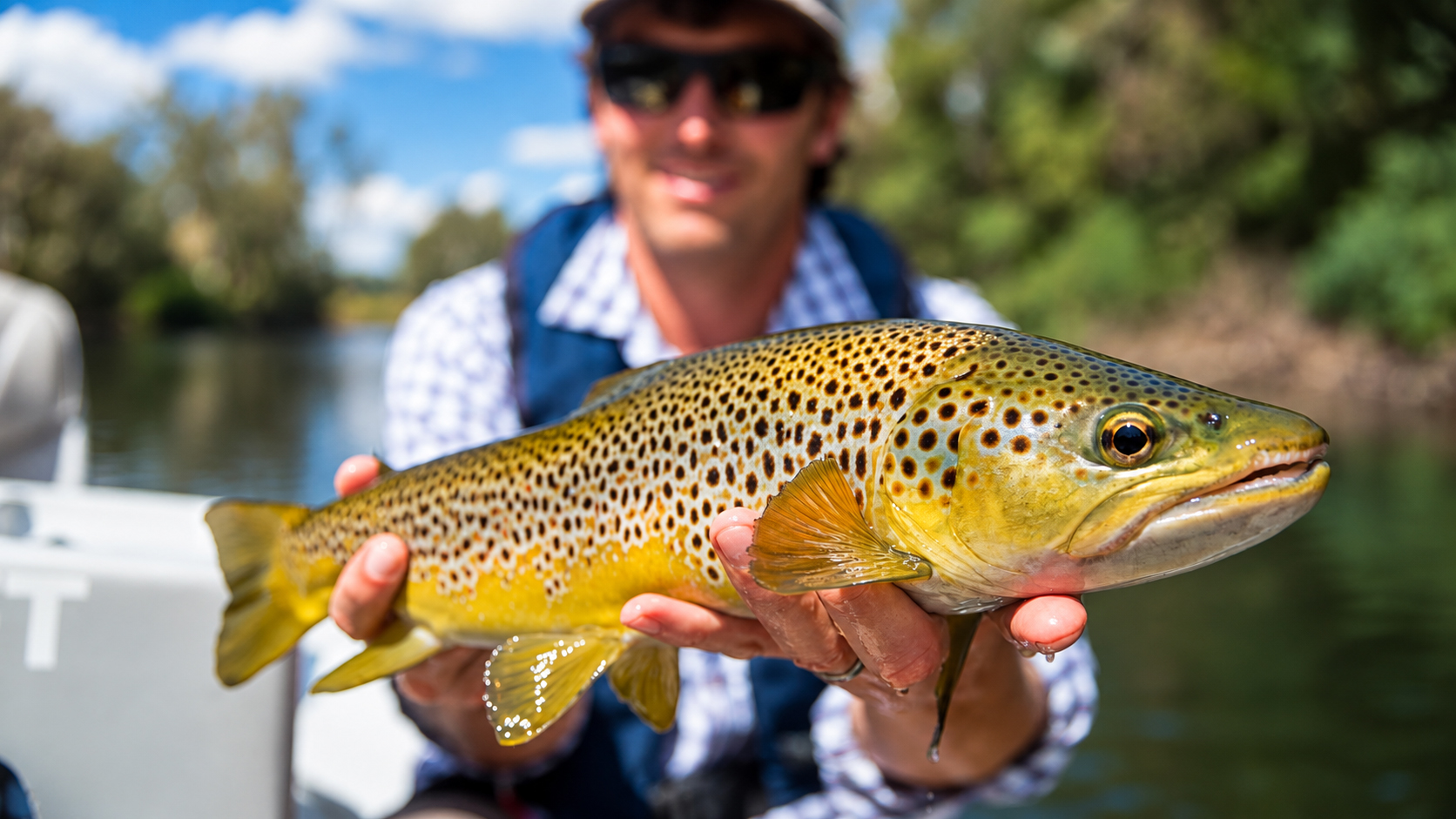
March is difficult to characterise because it often contains elements of both summer and autumn. Warm days remain common, terrestrial insects can still produce good fishing and irrigation releases may continue at substantial levels. Yet the shortening days and cooler nights gradually begin changing conditions.
As demand for water eases, releases often begin declining, although the timing varies considerably. Sections that were inaccessible during summer slowly become easier to fish, while trout that occupied flooded margins may begin redistributing themselves into the runs, seams and deeper holding water exposed by the falling river.
It is not always a smooth transition. A substantial change in flow can unsettle the fish for several days, particularly if the river is dropping quickly. Feeding lanes that were productive during high summer may disappear, and trout have to find new positions. There are times when the river looks better to the angler after a reduction in flow, yet the fishing becomes more difficult until the trout have settled.
The insects begin changing as well. Beetles, hoppers and other terrestrials remain important during until the end of April, but aquatic insect activity often becomes increasingly noticeable again. Mayflies and caddis can provide good fishing, particularly when stable conditions allow fish to establish themselves in predictable feeding positions.
March is one of those months when carrying a varied selection of flies is particularly useful. A day might begin with small nymphs through a deeper run, develop into delicate dry-fly fishing during a mayfly hatch and finish with trout taking terrestrials along a grassy bank. There is no need to commit to one method simply because the calendar says summer has ended.
The fishing can be inconsistent, but the variety is part of its attraction. It is often a month when local knowledge becomes especially valuable because the river may change noticeably from one week to the next.
April: Perhaps My Favourite Month
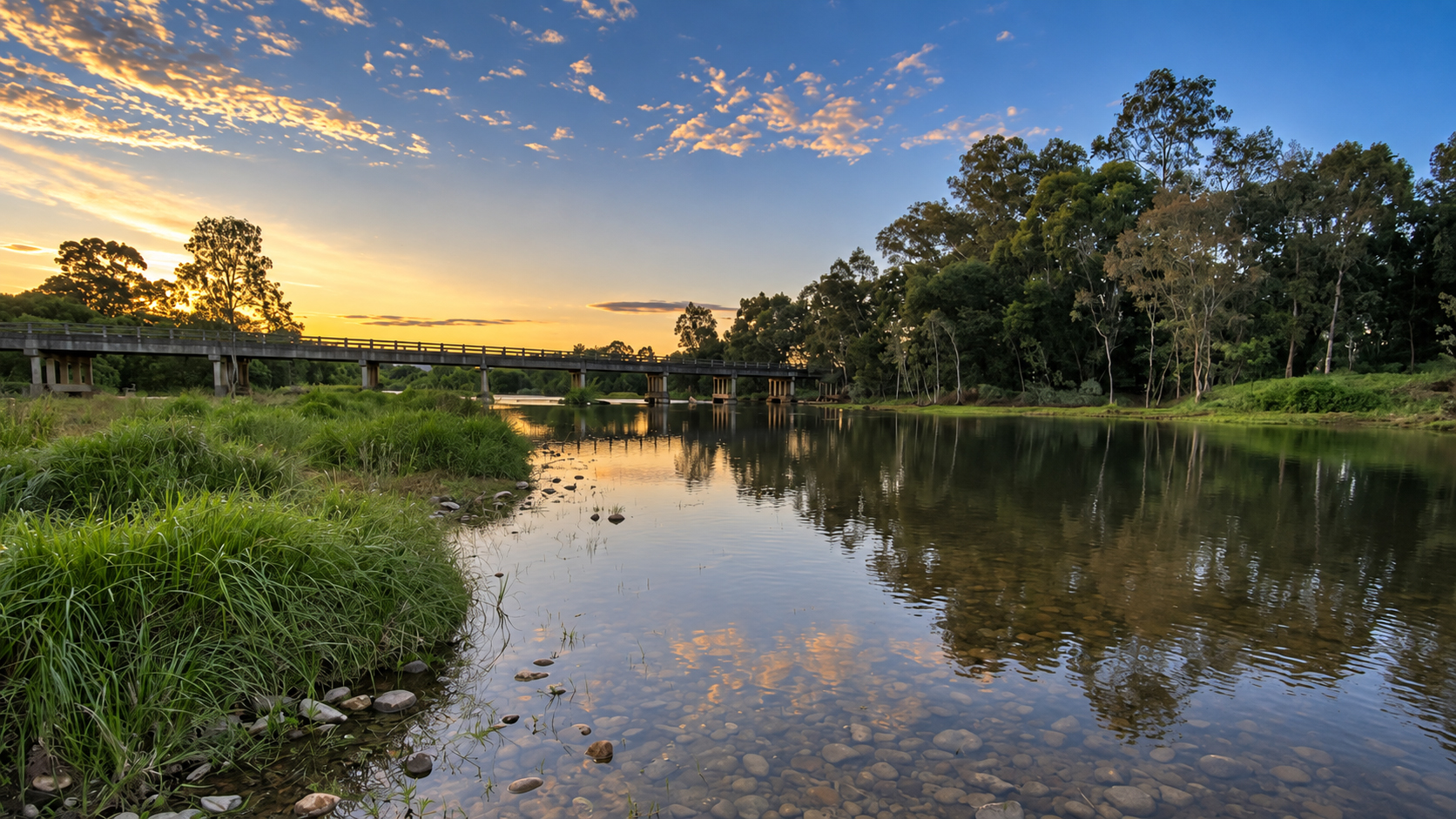
If I had to choose one month to spend on the Goulburn, April would be very difficult to overlook. The weather is generally more comfortable than during the height of summer, the crowds begin thinning and the river often settles into levels that allow both drift boating and some wade fishing.
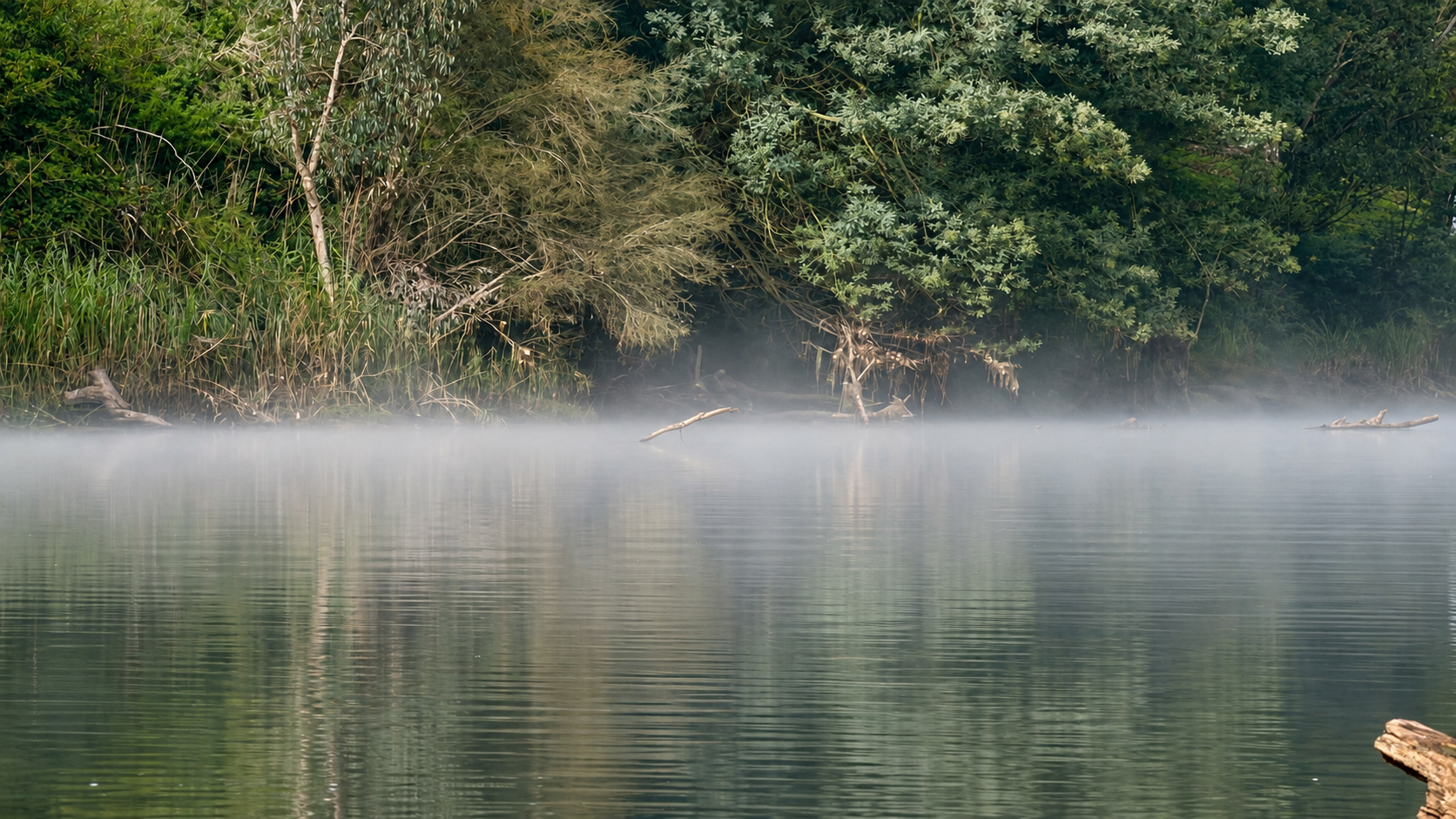
There is a softness to the valley during autumn that I particularly enjoy. The mornings are cooler, the light arrives at a lower angle and the first substantial leaves begin collecting along the edges of slower water. On suitable days, mist hangs over the river before gradually lifting as the sun reaches the valley floor. The surrounding paddocks begin losing some of their summer colour, and the long shadows across the water appear earlier each afternoon.
The fishing can be exceptionally varied. Terrestrial insects remain available during warmer periods, while mayfly and caddis hatches become increasingly important. Trout that have spent much of summer feeding along the flooded edges begin occupying more conventional river positions as flows recede. Runs and bubble lines reappear, and fish can often be located in water that is easier to read from the bank.
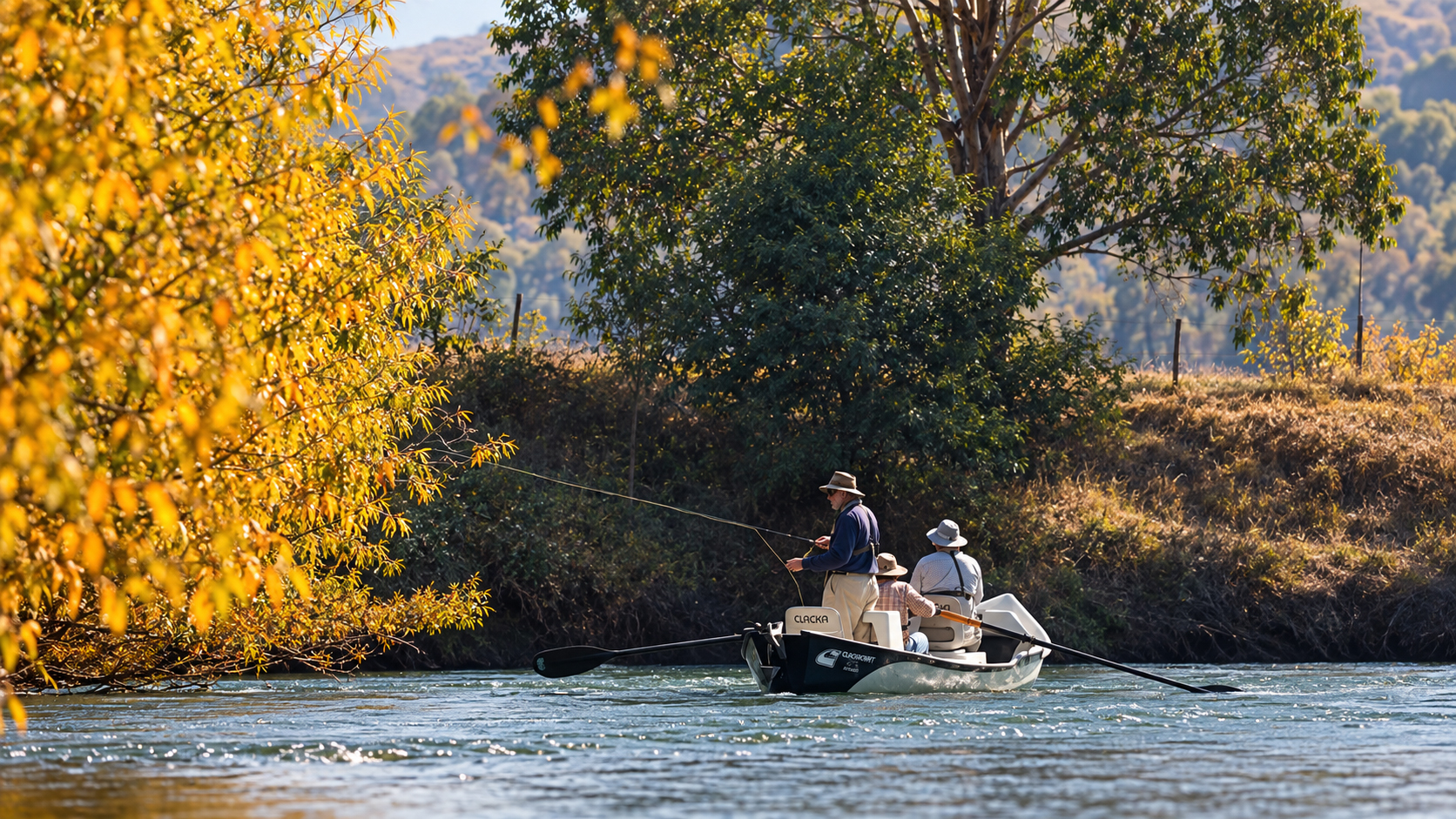
One of April’s great advantages is the opportunity to choose how you want to fish. There may be enough water to make a drift boat the best option, particularly through long sections with limited bank access, while other stretches become suitable for walking and stalking individual trout. Some days I am perfectly happy to spend hours working rising fish in a single pool. On others, covering several kilometres from a boat offers a better opportunity to locate fish and take advantage of changing hatches.
The trout are often in excellent condition after a summer of relatively abundant food. Fish that have spent months feeding on terrestrials and aquatic insects can be substantial, and there is something particularly satisfying about encountering them in the clearer, slower water of autumn. They are not necessarily easier to catch. In fact, as flows decline, the fishing can become increasingly demanding as fish get more time to carefully inspect things.
I have always liked the slower pace of April. There is less need to organise every hour around the possibility of oppressive afternoon heat, and the fishing often develops through the middle of the day rather than being concentrated entirely around dawn and dusk. Clients seem more willing to linger beside the river, and some of the best conversations occur during those quiet periods when we are waiting for an expected hatch to begin.
Perhaps that is why April has gradually become one of my favourite months. It offers much of the technical fishing I enjoy without requiring the same urgency that can accompany the more crowded parts of spring and summer.
May: Clear Water and Careful Presentation
May brings the trout season towards its close. The days are shorter, mornings can be bitterly cold and the river is often running at relatively modest levels. The heavier summer releases have usually subsided, exposing gravel bars and restoring the familiar pattern of riffles, runs and pools.
For anglers who enjoy sight-fishing, these conditions can be extremely attractive. Water clarity is often excellent, and fish may be visible holding beneath current seams or feeding in the slower sections of the river. There are fewer people around, particularly during the working week, and it is possible to spend long periods on sections that receive heavy attention during the warmer months.
The insect life is generally smaller and less conspicuous. Midges and small mayflies, particularly blue-winged olives, can become important during the middle of the day when conditions are suitable. The hatches may be brief, but trout can feed steadily when the insects appear. Occasionally larger mayflies surprise us very late in the season, including the odd Kossie dun at a time when most anglers have stopped expecting them.
The fishing demands a careful approach. Low, clear water exposes movement, and trout that have been disturbed repeatedly through the season may be reluctant to tolerate anything unnatural. A good presentation often begins well before the cast, with the angler choosing a position that avoids throwing a shadow across the water or allowing the leader to drag across several currents.
This is also a time when I become more conscious of the approaching spawning season. Larger brown trout may begin changing colour, and fish behaviour can alter as winter approaches. The closure is intended to protect trout during this period, and I have always regarded it as an important part of maintaining the fishery. There is no shortage of opportunity to enjoy the river before then without disturbing fish that are preparing to reproduce.
May is not necessarily the month for anglers hoping to catch large numbers of trout. Some days the fishing can be slow, and the best opportunities may be restricted to a relatively short period during the warmer part of the afternoon. But when a good fish begins rising steadily through a quiet pool and there is nobody else in sight, I find it difficult to imagine a much better place to spend a few hours.
Winter
June to August: The Closed Season
Winter brings a different set of priorities. Under Victoria’s trout regulations, the Goulburn tailrace from Eildon Pondage to Trawool Bridge, together with the designated tributary waters, is subject to the trout closed season. The restriction includes a prohibition on hook-and-line fishing in the tailrace during the closure, not merely a requirement to release trout. Eildon Pondage itself is managed separately and remains a year-round trout fishery. Anglers should always check the current regulations and exact boundaries before planning winter fishing.
For the river, the closure coincides with an important part of the trout’s annual cycle. Brown trout move towards suitable spawning areas, often travelling into tributaries where gravel, current and water quality provide conditions for reproduction. The success of those spawning movements can influence the fishing in later years, although recruitment is affected by many other factors as well, including water conditions, survival and the availability of suitable habitat.
For guides, winter provides a necessary break from the daily routine of being on the water. There are boats to maintain, trailers to service, equipment to repair and an enormous amount of preparation for the following season. Flies need replacing, rods and reels checking and the inevitable collection of minor problems accumulated over months of guiding finally receives some attention.
It is also a useful period for teaching. Beginner workshops and casting lessons can continue without the pressure of trying to locate fish during the same session. There is time to work properly on casting mechanics, fly tying and the other fundamentals that are easily overlooked once someone becomes distracted by rising trout. Some anglers make considerable progress during these quieter months precisely because they are not trying to catch fish at the same time.
Winter has also become the period when I often head to Montana. While the trout season is closed at home, the American summer is happening, and another collection of rivers is approaching its most productive period. It is a pleasant reversal, moving from cold Victorian mornings to the long daylight hours of the northern hemisphere, although returning home generally means discovering that winter has passed rather more quickly than expected.
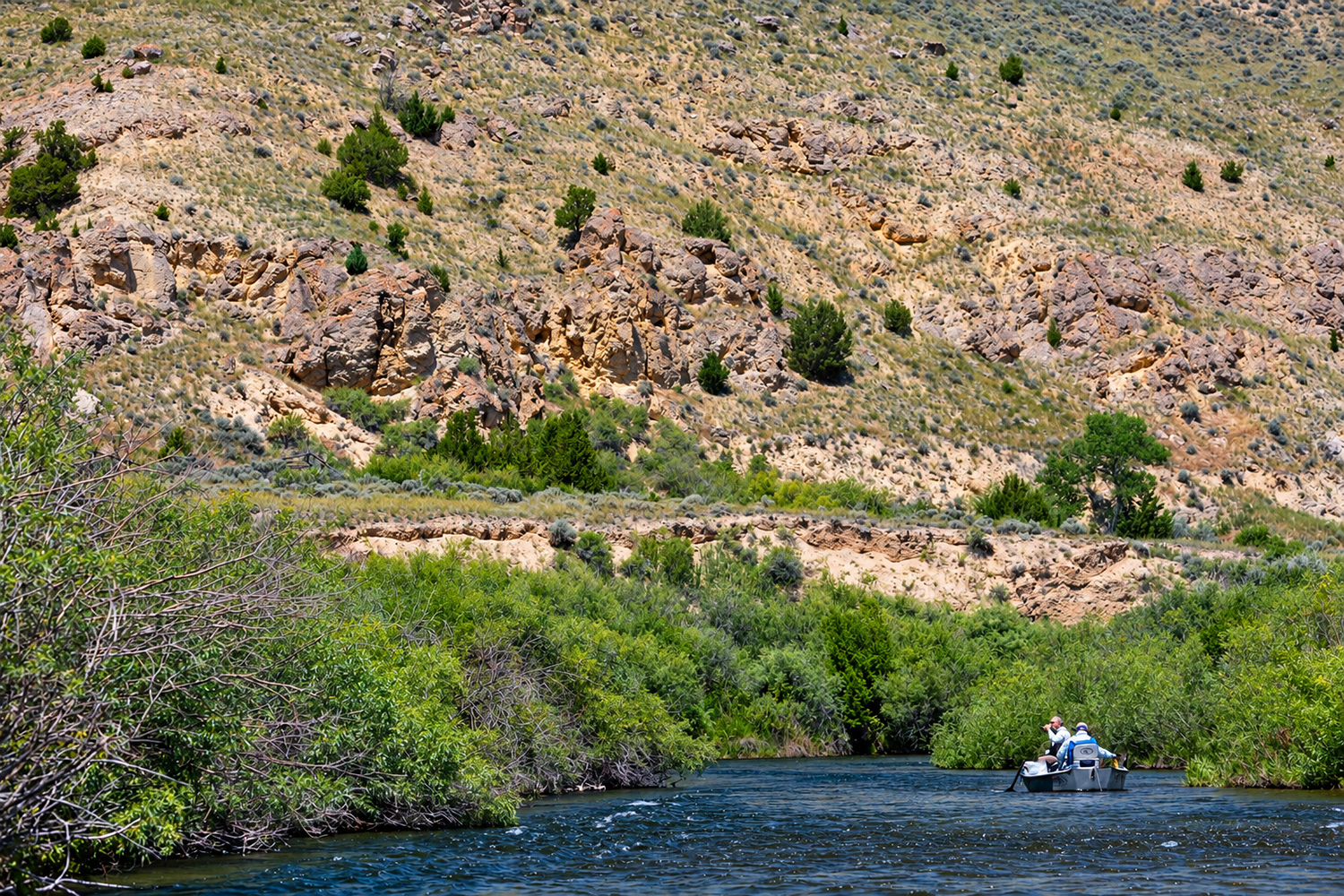 By August, preparations for the Goulburn season are well underway again. We begin watching the weather and releases more closely, guides confirm their availability and clients start asking the familiar questions about opening week. After months away from regular guiding, I generally find myself looking forward to getting back into the boat.
The Best Time to Fish the Goulburn
Looking across the entire season, I can understand why anglers have such different preferences. The Goulburn in September bears little resemblance to the same river in January, and by April much of the water has changed character again. The trout are still responding to the same basic requirements for food, shelter and efficient use of current, but the places where those requirements are best met can shift considerably as water levels change.
For someone who enjoys walking and sight-fishing in low, clear water, September or May may be particularly appealing. An angler interested in heavy hatches and selective rising trout might prefer October or November. Those wanting to experience the Goulburn from a drift boat, working the banks and backwaters during higher releases, will often find December through February especially interesting. And for those who like a little of everything, April remains difficult to beat.
None of these preferences guarantees good fishing. Some of the strongest hatches I have witnessed occurred in seasons when the overall trout population was disappointing. Conversely, there have been years when fish were plentiful but the expected insect activity never developed properly. A river is influenced by considerably more than the month printed on the calendar.
That is one reason I hesitate when somebody rings months in advance wanting to know exactly when they should come. I can explain what usually happens, what sort of fishing they are most likely to encounter and which periods have historically suited their interests. What I cannot do is promise that the Goulburn will behave as expected. Weather, releases, insect activity and fish populations do not always arrive together in the combinations we would prefer.
The Goulburn has occupied much of my adult life, and I have spent enough days on it to recognise most of its familiar moods. There are bends I remember before floods changed them, stretches where once reliable hatches have become less predictable and pools that still bring particular clients or days to mind. Sometimes the changes occur gradually enough that they are barely noticeable from one season to the next. Occasionally a flood rearranges a section of river in a matter of hours.
One of the pleasures of returning to the same water over many years is that familiarity does not remove the need to pay attention. I can know exactly what a particular bend looked like last summer and still approach it carefully after the next substantial change in flow. The current may be occupying a different line, the gravel may have moved or the fish may have found a better position somewhere I would not previously have considered.
That is particularly true of the Goulburn. A regulated river may appear more predictable than a freestone stream, but in practice the changing releases, the extraordinary variety of insect life and the influence of the surrounding catchment make it a river that requires continuous observation.
If there were one particular period when the Goulburn consistently produced everything I wanted from a day’s fishing, I would probably spend considerably less time thinking about the rest of the season. Fortunately, that has never been the case.
Ask me in November, after an evening when large mayflies have brought trout rising all along a quiet stretch, and I may tell you November is the finest month of the year.
Ask me again on a clear April afternoon, when the river is running at a comfortable height and a good brown is rising steadily in an empty pool, and I suspect I will give you a different answer.
Ant